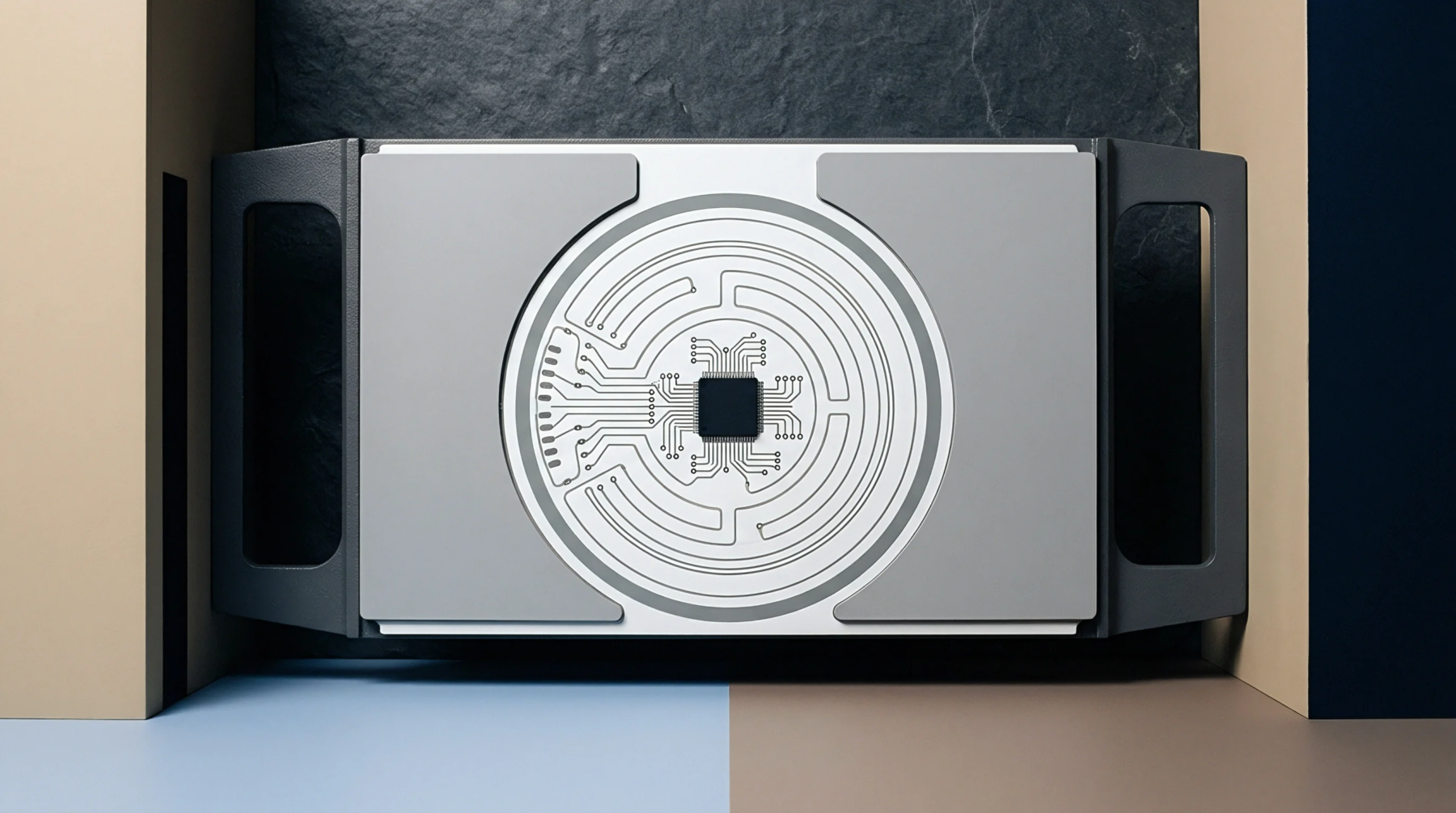
Acoustic Reflection Coefficient Analysis in Mold Compound Interfaces
Acoustic reflection coefficient analysis identifies sub-micron mold compound delaminations by detecting 180-degree phase inversions in ultrasonic signals.
Acoustic reflection coefficient analysis identifies sub-micron mold compound delaminations by detecting 180-degree phase inversions in ultrasonic signals.

High-frequency acoustic phase inversion reveals submicron microvia delamination escaping electrical tests, saving $5.60 per unit over field warranty exposure.
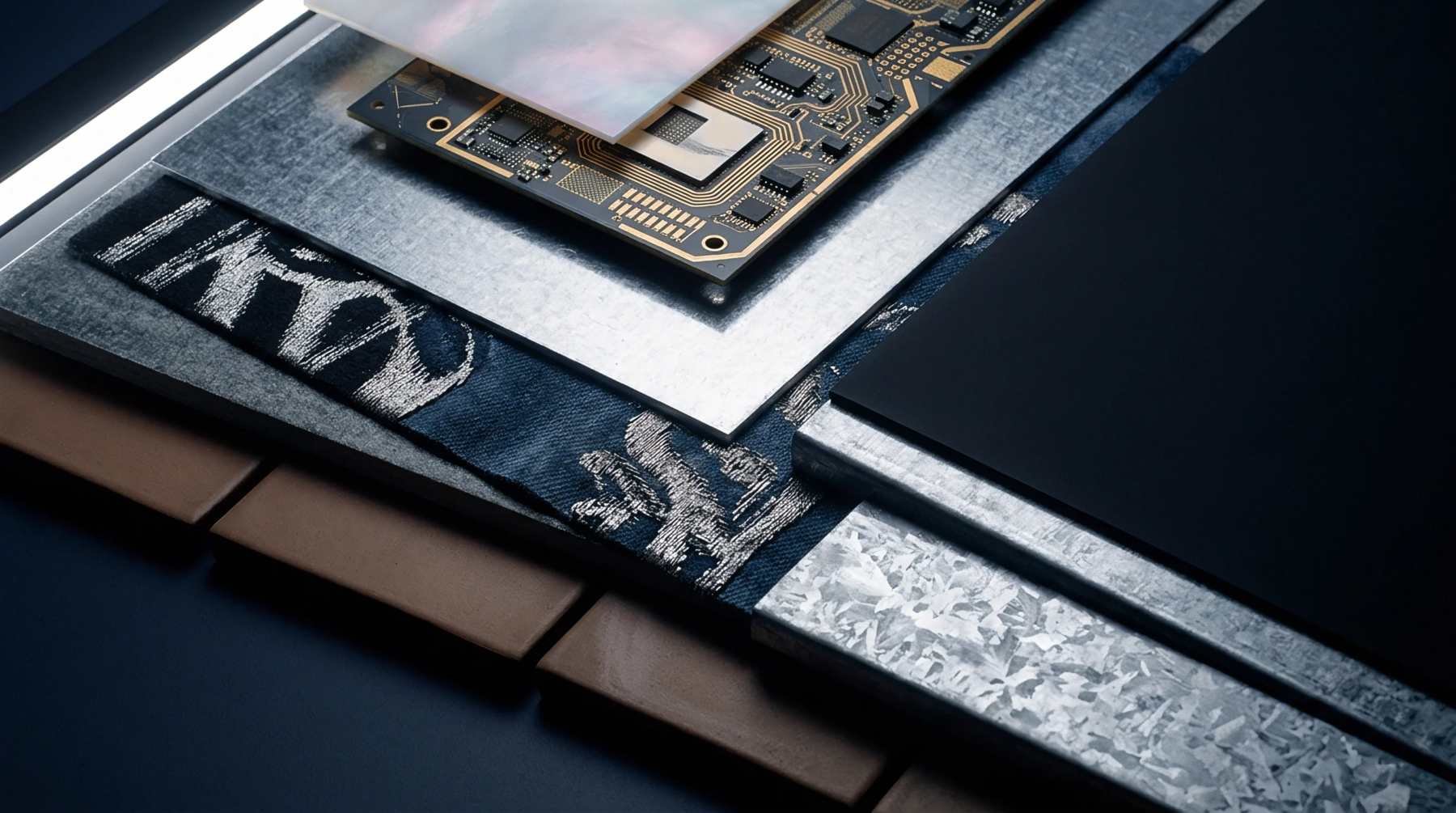
Consigned material sourcing requires strict incoming package checks, chemical decapsulation, and clear contract risk allocation to prevent counterfeit escapes.
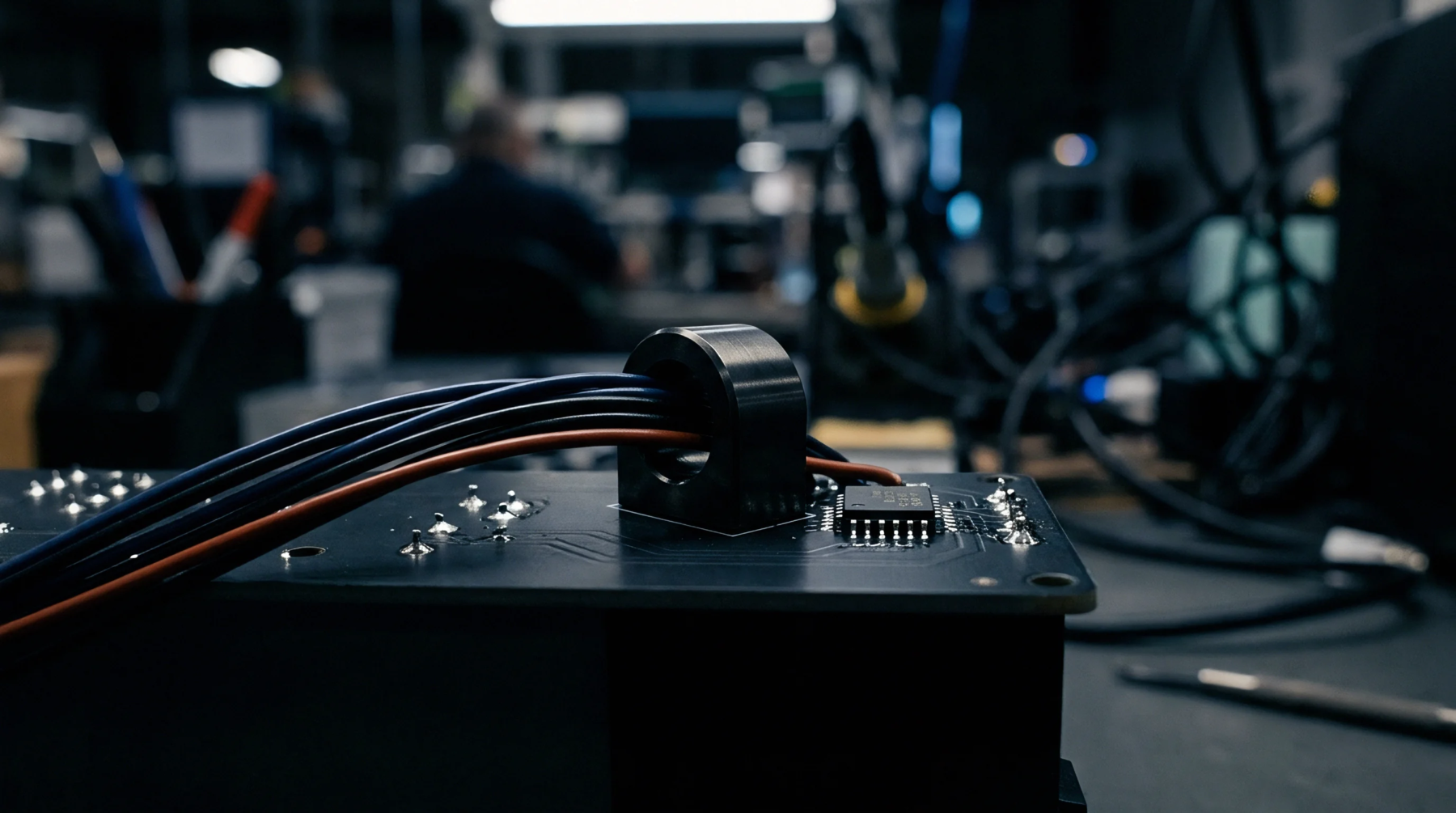
Intermetallic growth control and thermal profile validation prevent latent BGA fracture defects before boards leave the line.
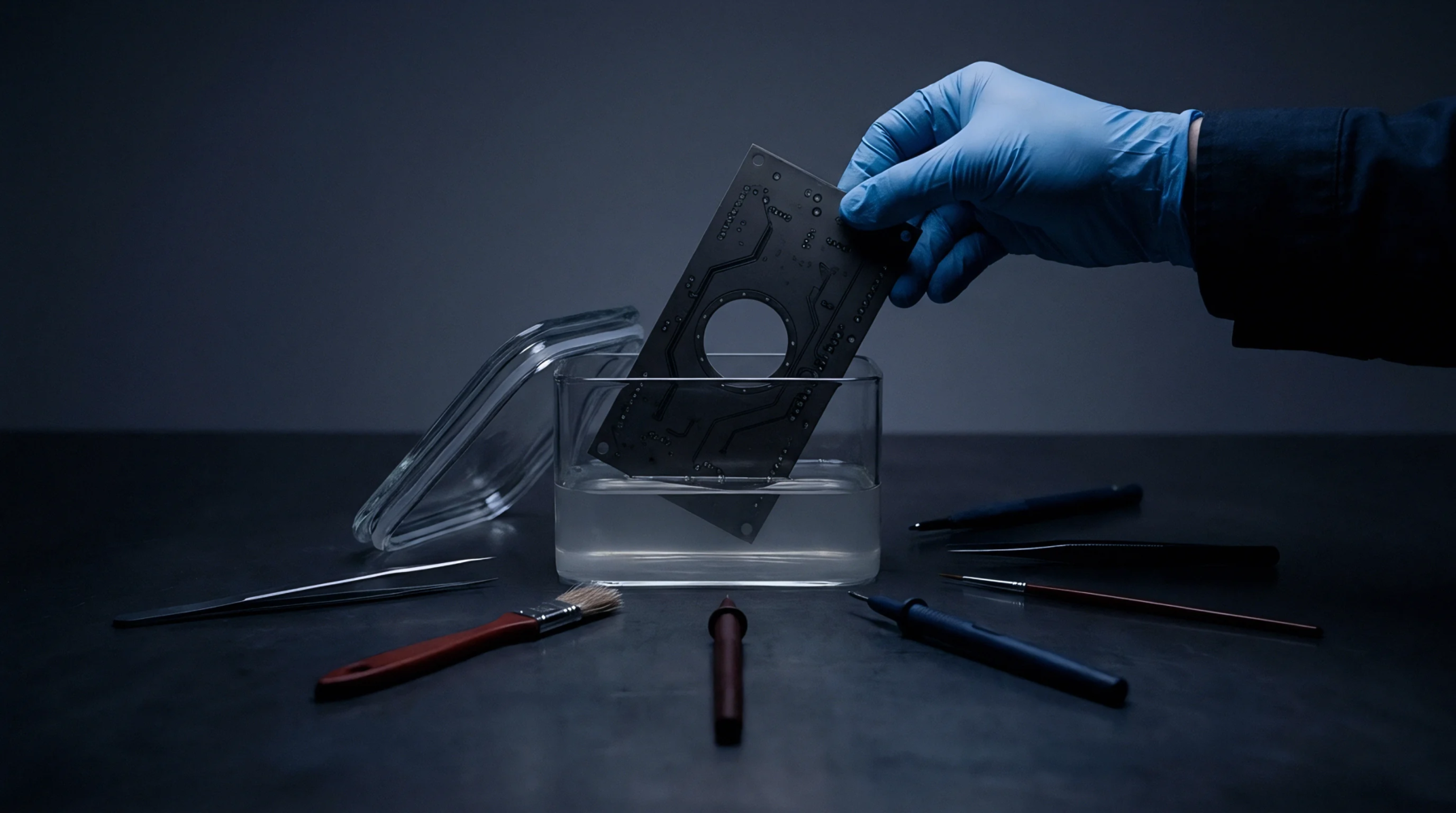
Viscoelastic boundary slip and capillary pressure dictate microvia filling and trace stability during high-density circuit board lamination.
Expertise is a utility, not a secret. sentiention™ publishes its working knowledge as open reference: intelligence layer covering the materials it sources, the markets it enters, and the reference that serves both.