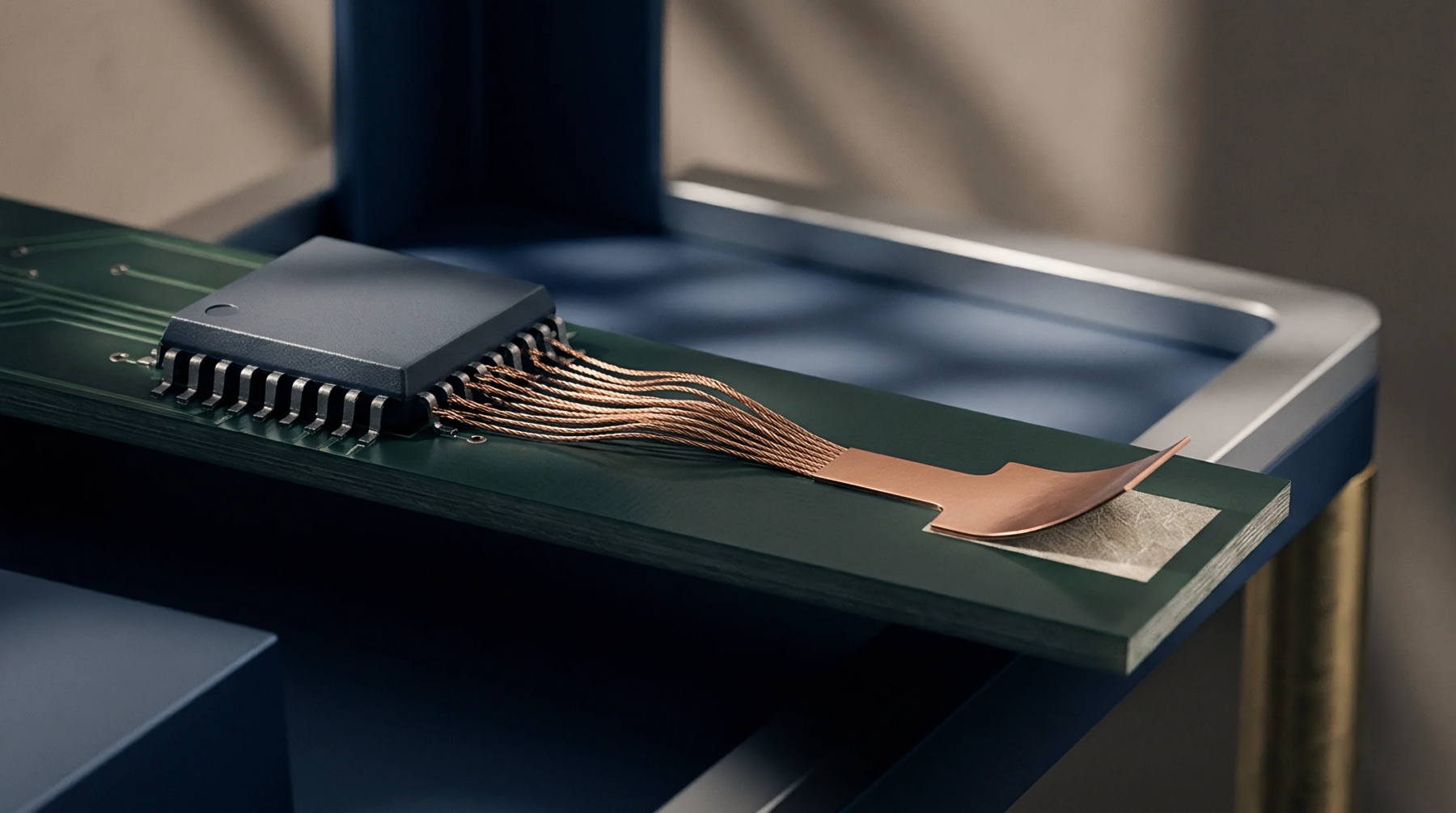
Hybrid Multilayer PCB Material Selection Fundamentals
Hybrid multilayer selection pairs low-loss RF laminates with epoxy bases by matching cure windows, controlling z-axis expansion, and optimizing panel yields.
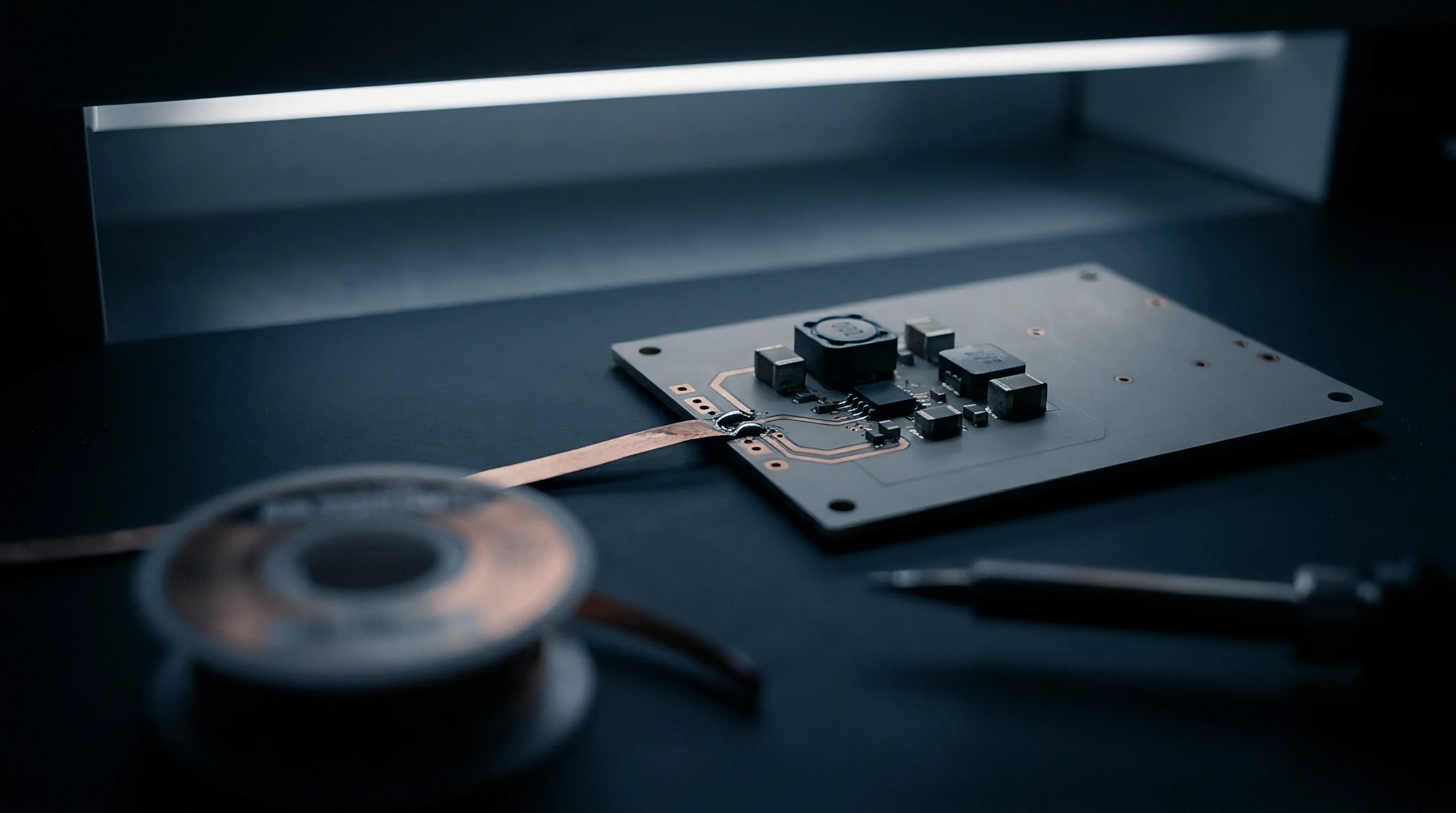
PCB or PCBA, flex, multilayer. Board architecture fixes the cost and the factory shortlist in one move ~ layer count alone filters capability. Specify the board and the supplier pool follows.
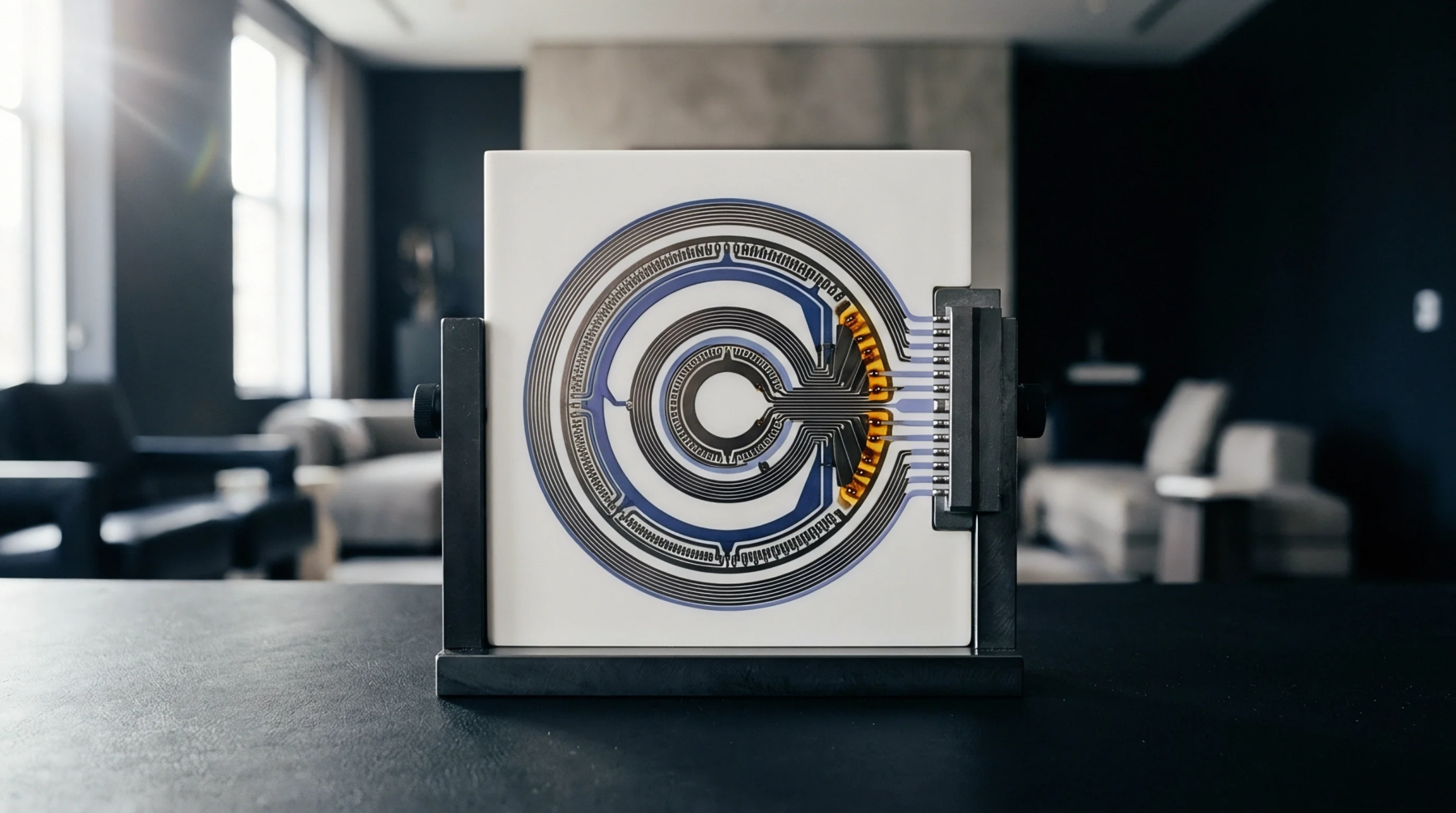
Hybrid multilayer selection pairs low-loss RF laminates with epoxy bases by matching cure windows, controlling z-axis expansion, and optimizing panel yields.
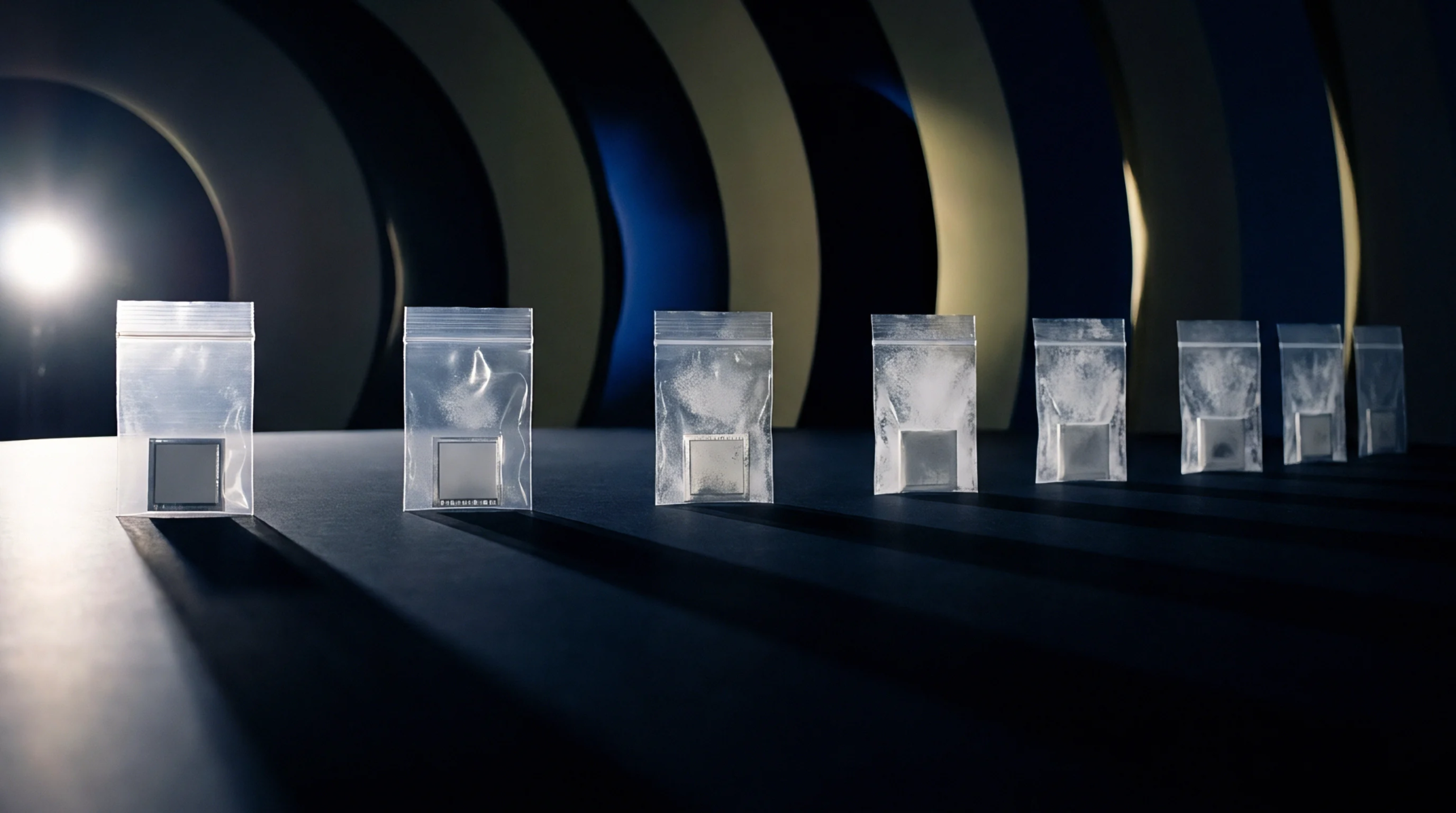
Hydrolytic interfacial degradation increases effective permittivity and causes degree-scale sub-THz phase velocity drift controllable through hydrophobic silane stackups.

Interfacial water accumulation increases submillimeter dielectric loss tangents, demanding fluoropolymer or LCP resins with hydrolytically stable silane couples.

Woven quartz fluoropolymer substrates exhibit directional permittivity splits resolved through tensor modeling, 45-degree layout, and split-post testing.

At 260°C reflow, trapped laminate moisture generates 4.69 MPa vapor pressure, exceeding rubbery matrix strength and driving interfacial popcorning delamination.
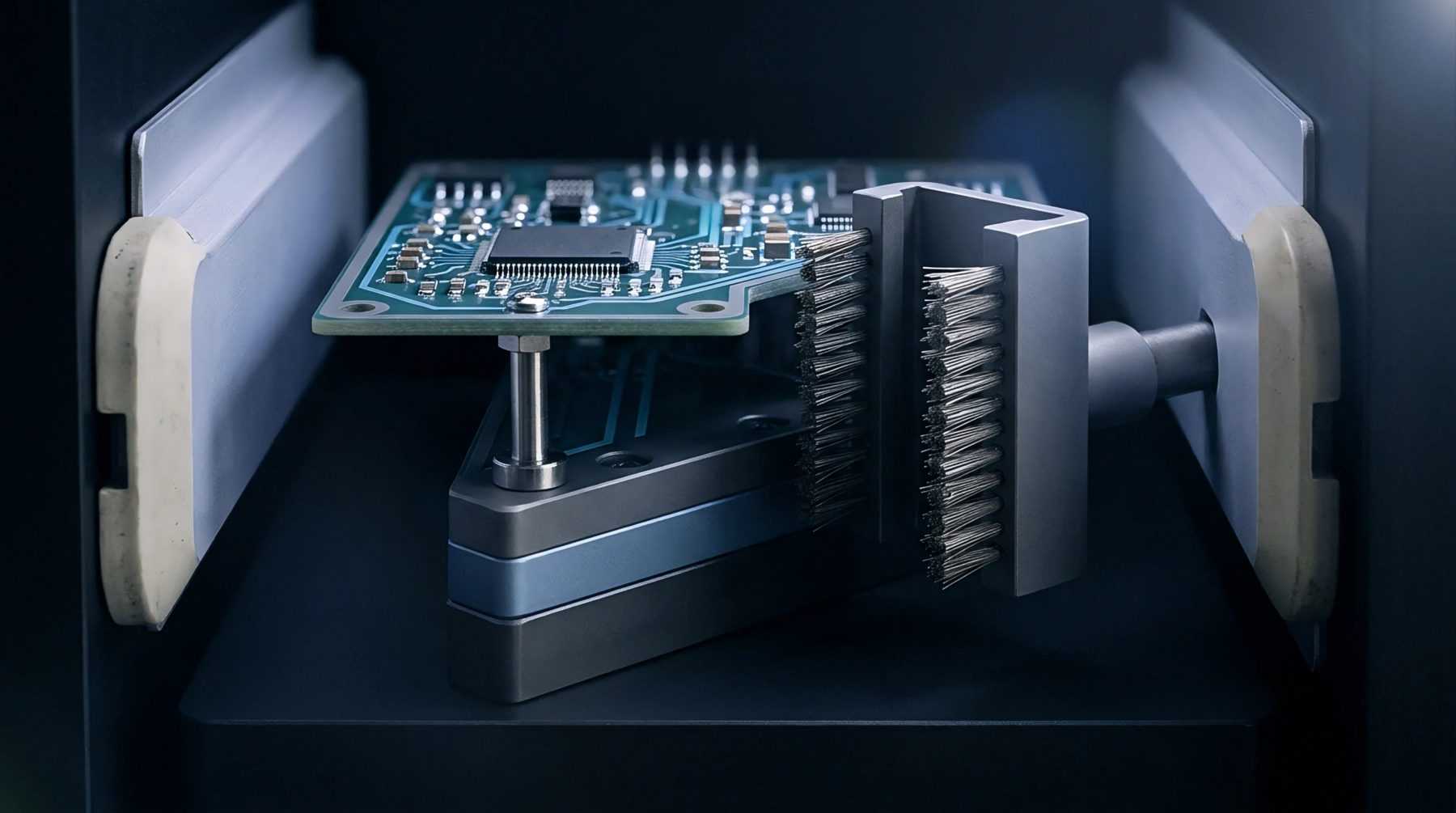
Quantifying hydrophobic silane monolayer coverage uses dynamic water and diiodomethane contact angle goniometry with Cassie-Baxter thermodynamic modeling.
Assembly is where a board design meets a real line. SMT, through-hole, mixed, AOI: line capability and optical inspection separate quotes from deliveries. This is the qualification gate for boards.
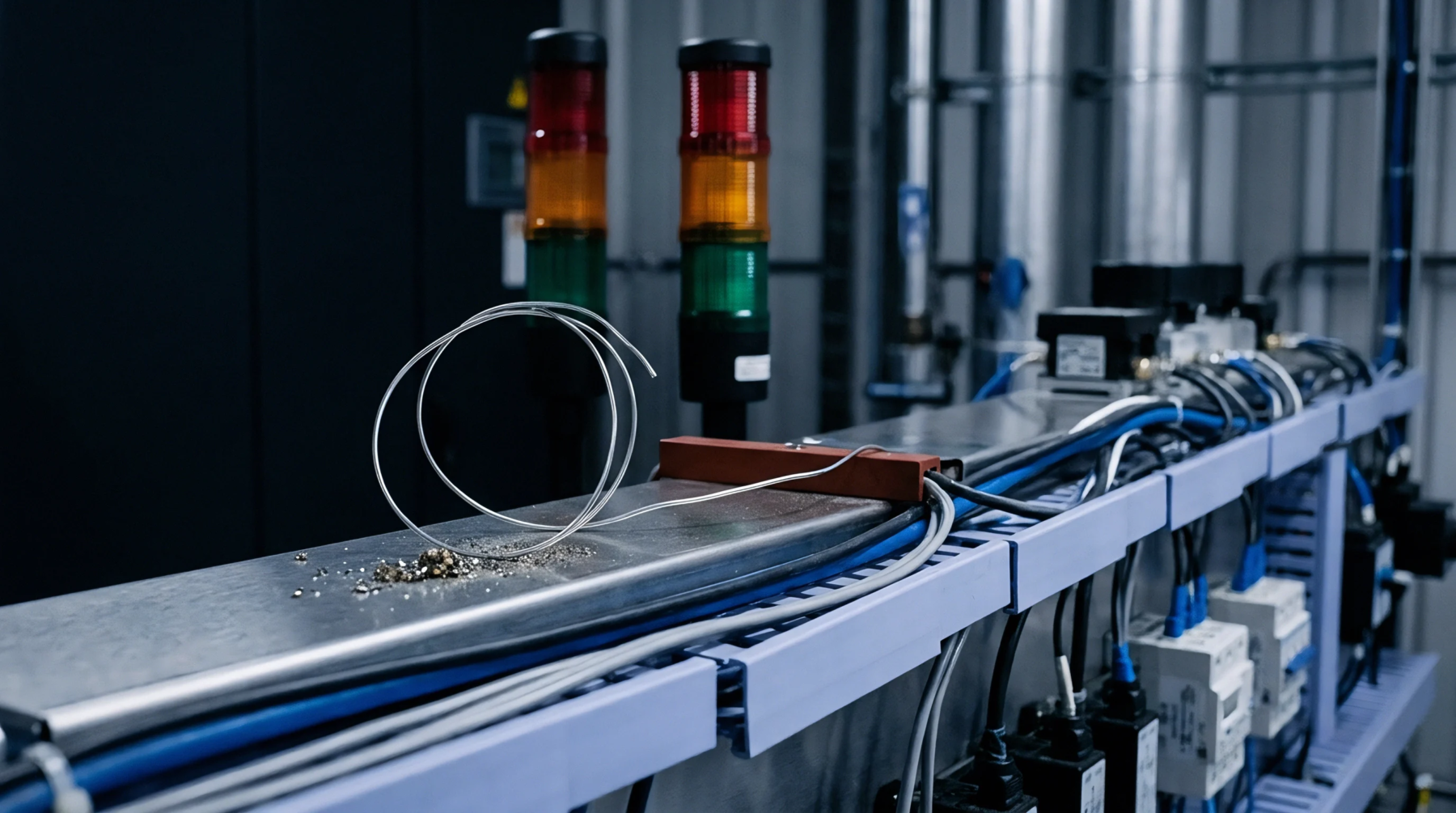
Contractual yield allowances isolate mechanical feeder scrap from reflow defects to protect consigned stock value and settle component variances accurately.
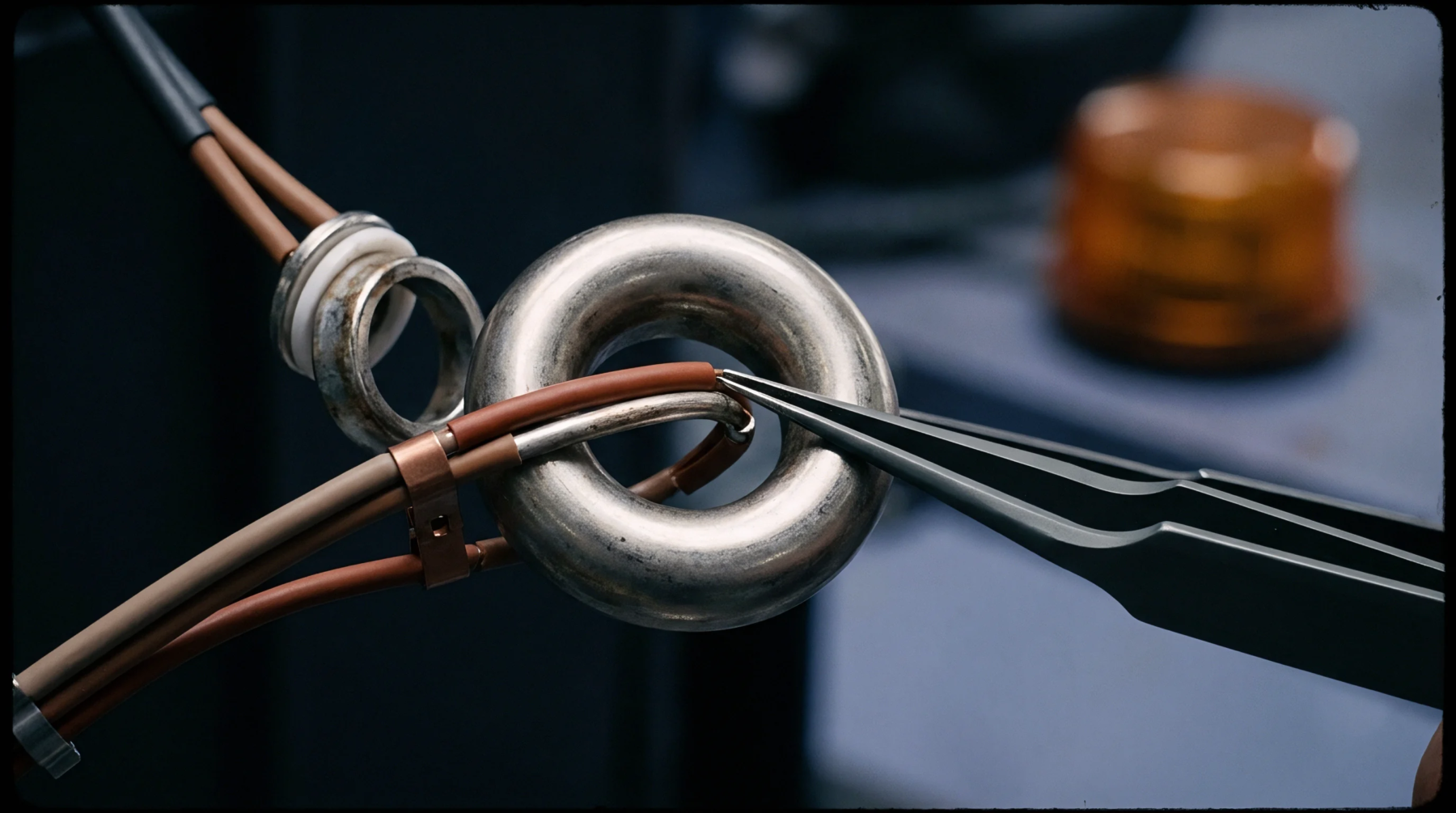
Real time piezoelectric z-compensation uses laser confocal feedback to maintain sub-micron optical focus despite non-linear substrate thermal warpage.
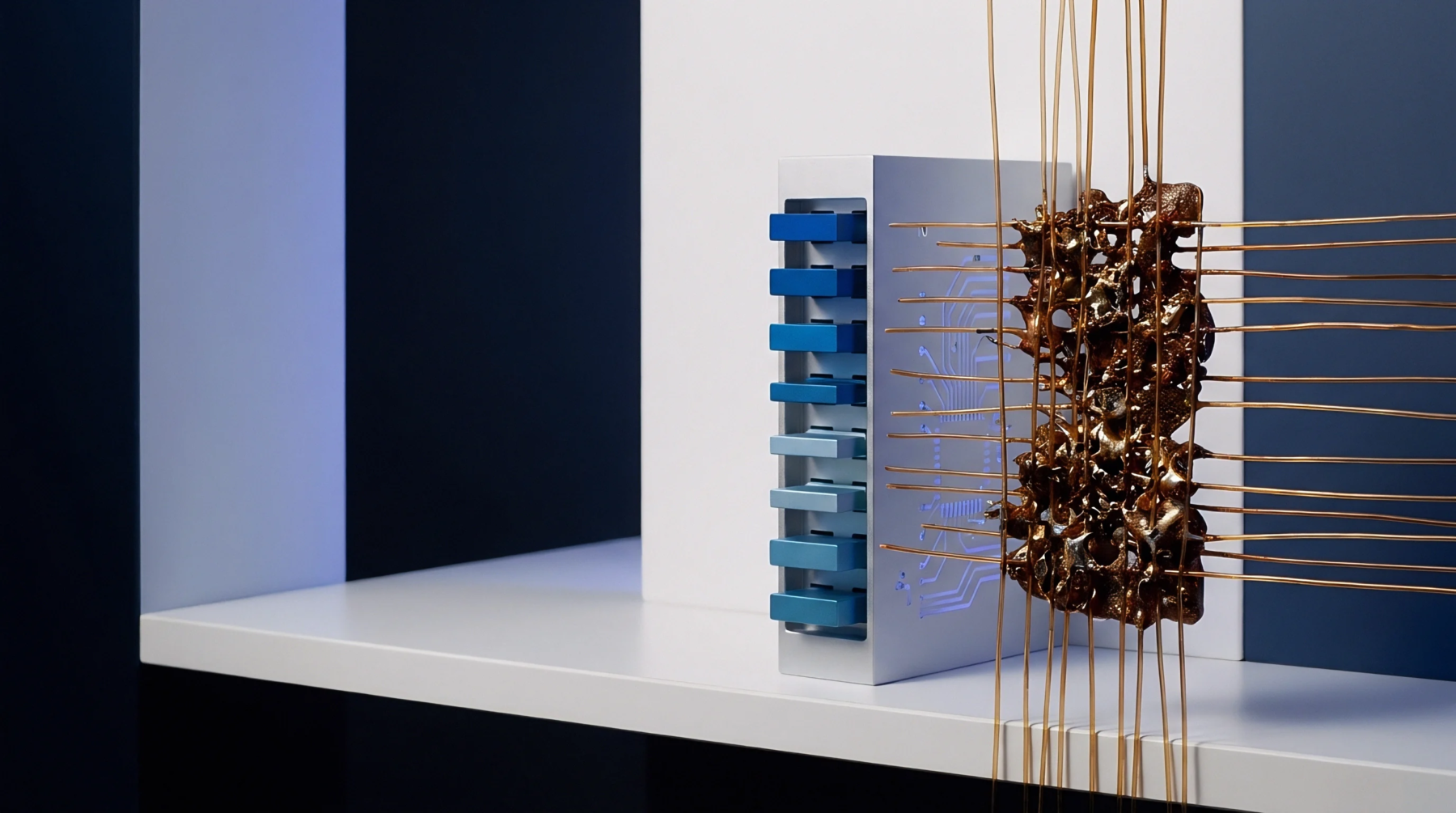
Dynamic multi-frequency phase calibration cancels convection noise and substrate motion, preventing optical false rejects and open joints during SMT reflow.
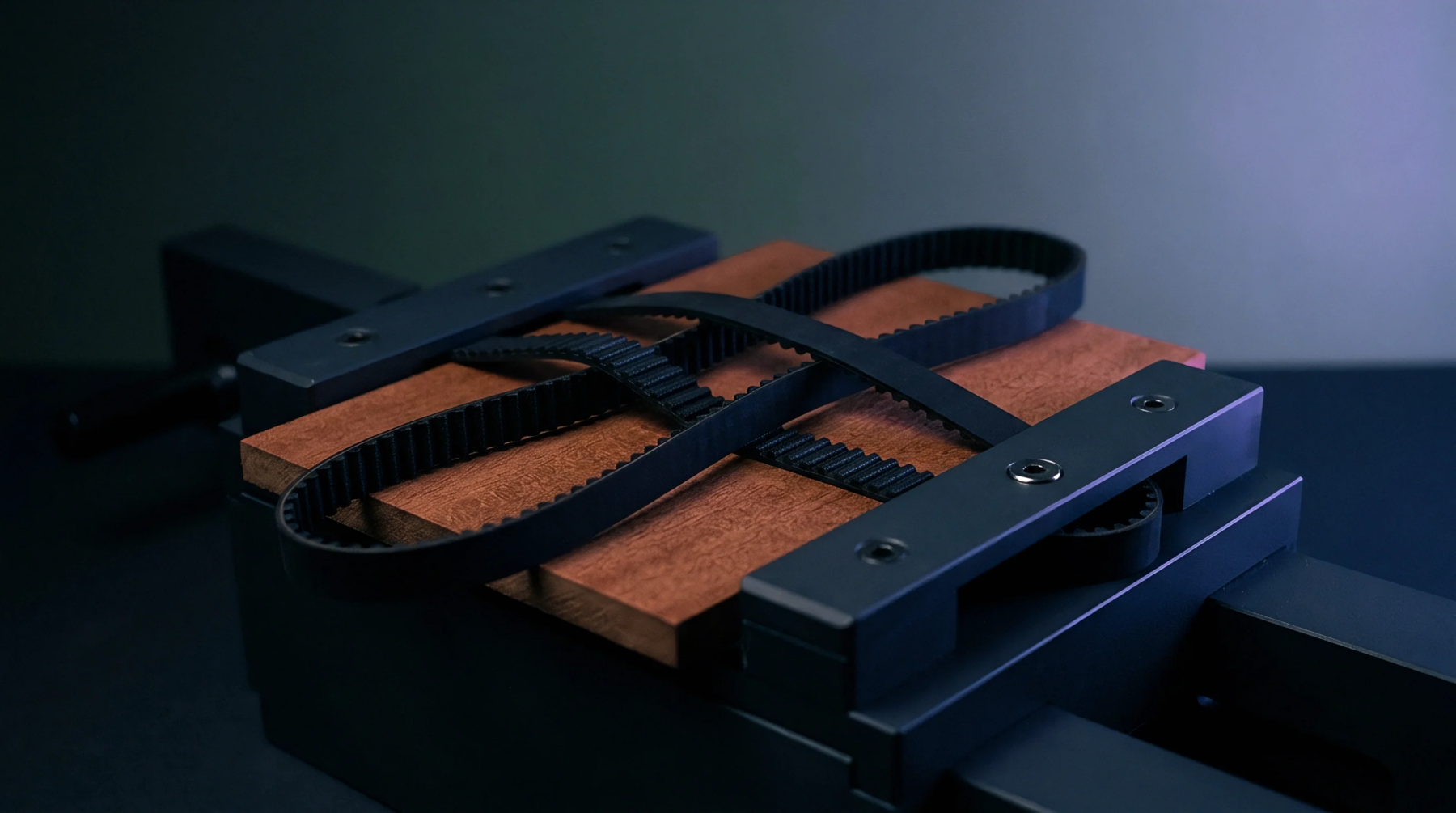
Dynamic regional optical defocus baselines prevent false coplanarity rejects caused by board warpage and thermal gantry drift in high-speed SMT inspection.
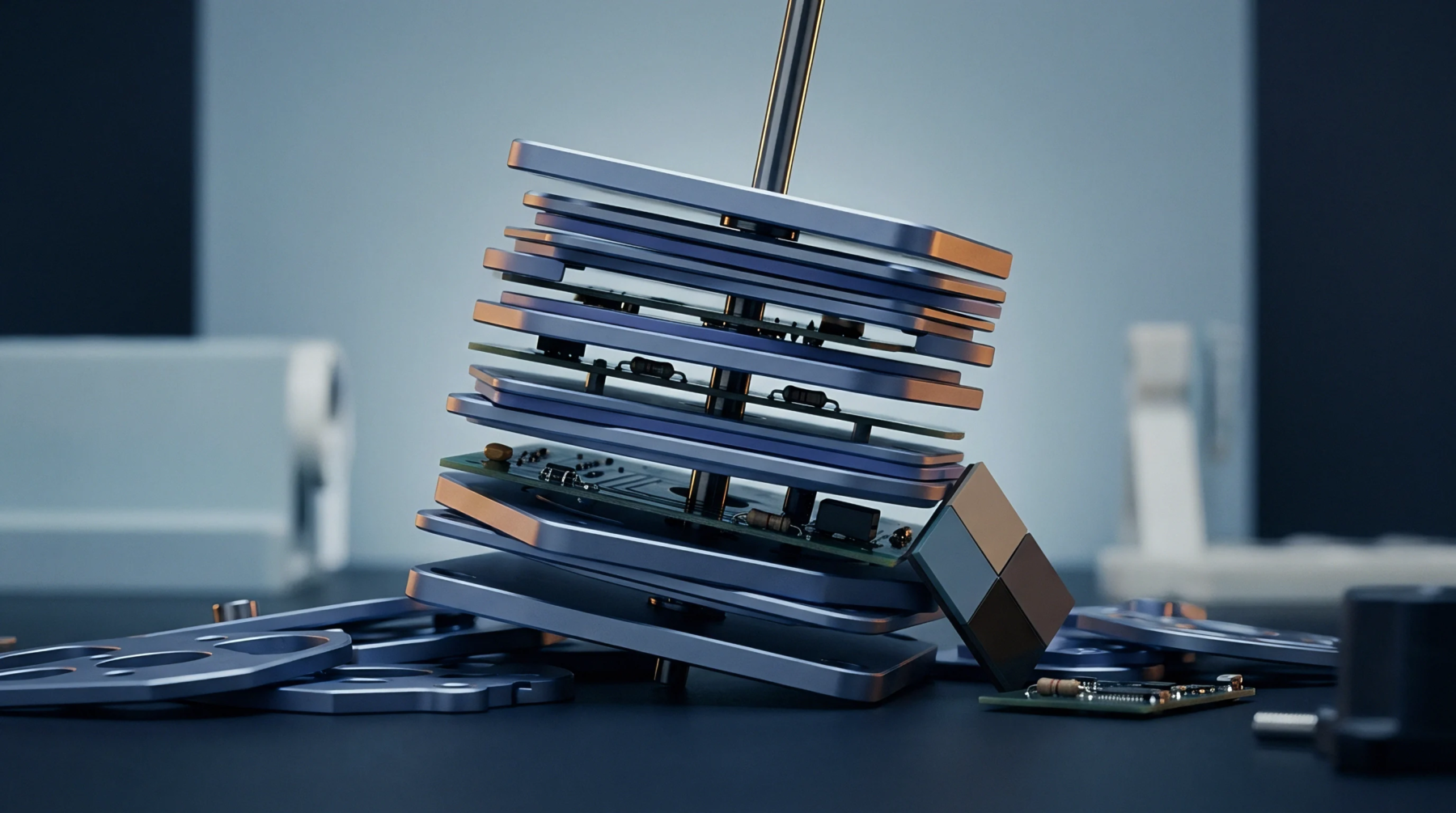
Gantry settling delays and image compute latency bound automated optical inspection speed, requiring synchronized trigger timing to prevent motion blur rejects.

Optical inspection timing bounds demand mechanical settling dwell times that prevent sub-pixel motion blur without sacrificing line placement throughput.
Functional, ICT, burn-in, RoHS, CE. Testing is the difference between shipped and returned, and conformity is proven per batch, per market. An untested board is inventory, not product.
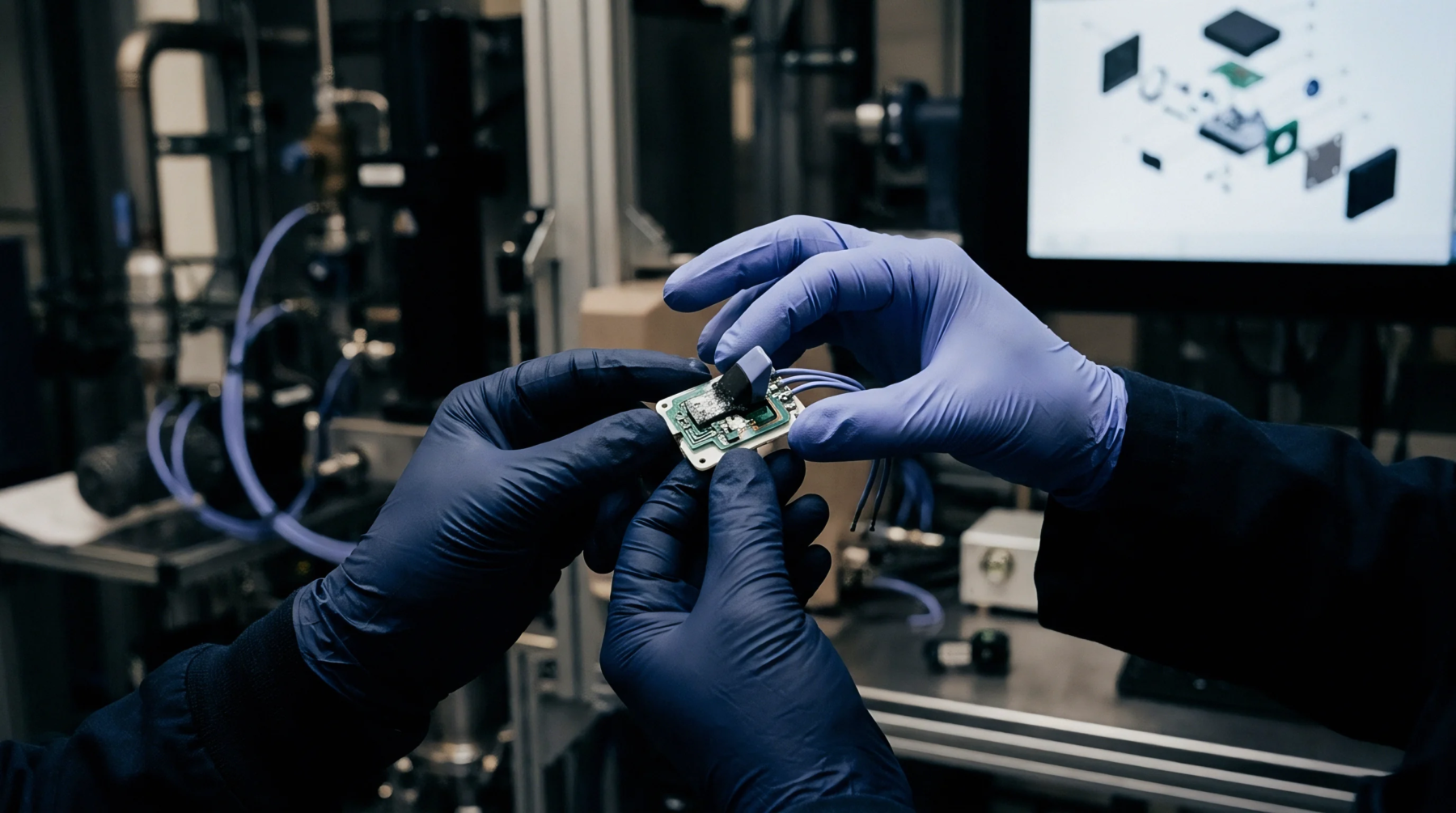
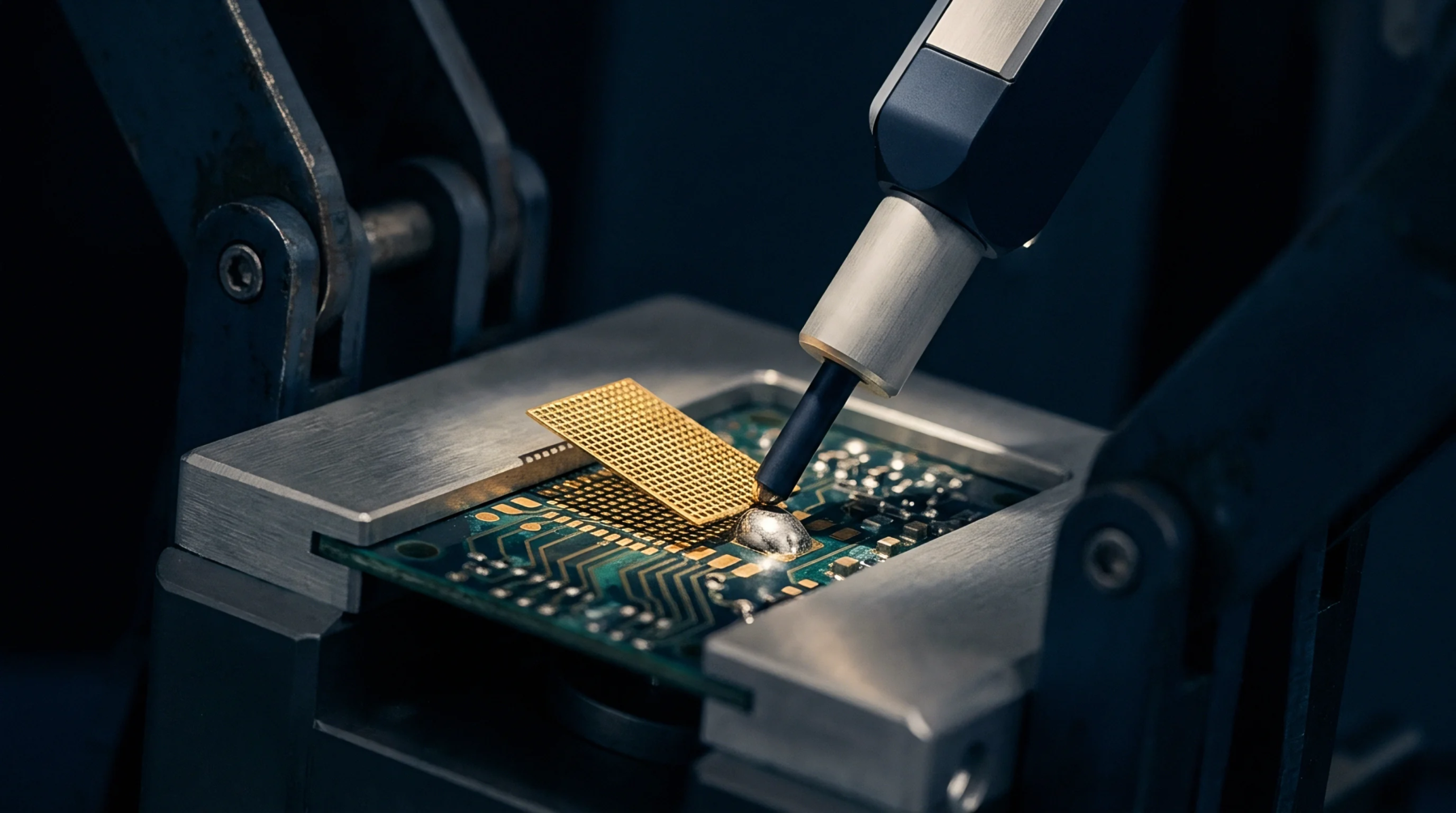
Formulate multi-frequency AC impedance guardbands by applying asymmetric root-sum-square budgets that absorb moisture uptake and vector de-embedding shifts.
Unapproved MLCC dielectric substitution erodes filter insertion loss under DC bias, triggering CISPR 32 emissions breaches, customs seizures, and recall fines.
Market surveillance audits detect unauthorized ceramic dielectric swaps through DC bias capacitance sweeps, thermal sweeps, and material cross-sectioning.
Dynamic equalization taps diverge when closely spaced interconnect discontinuities generate overlapping reflections that corrupt sign sign gradient tracking loops.
Extracting calibrated S-parameters through fixture de-embedding enables statistical eye margining to guarantee bit error rates below specification limits.
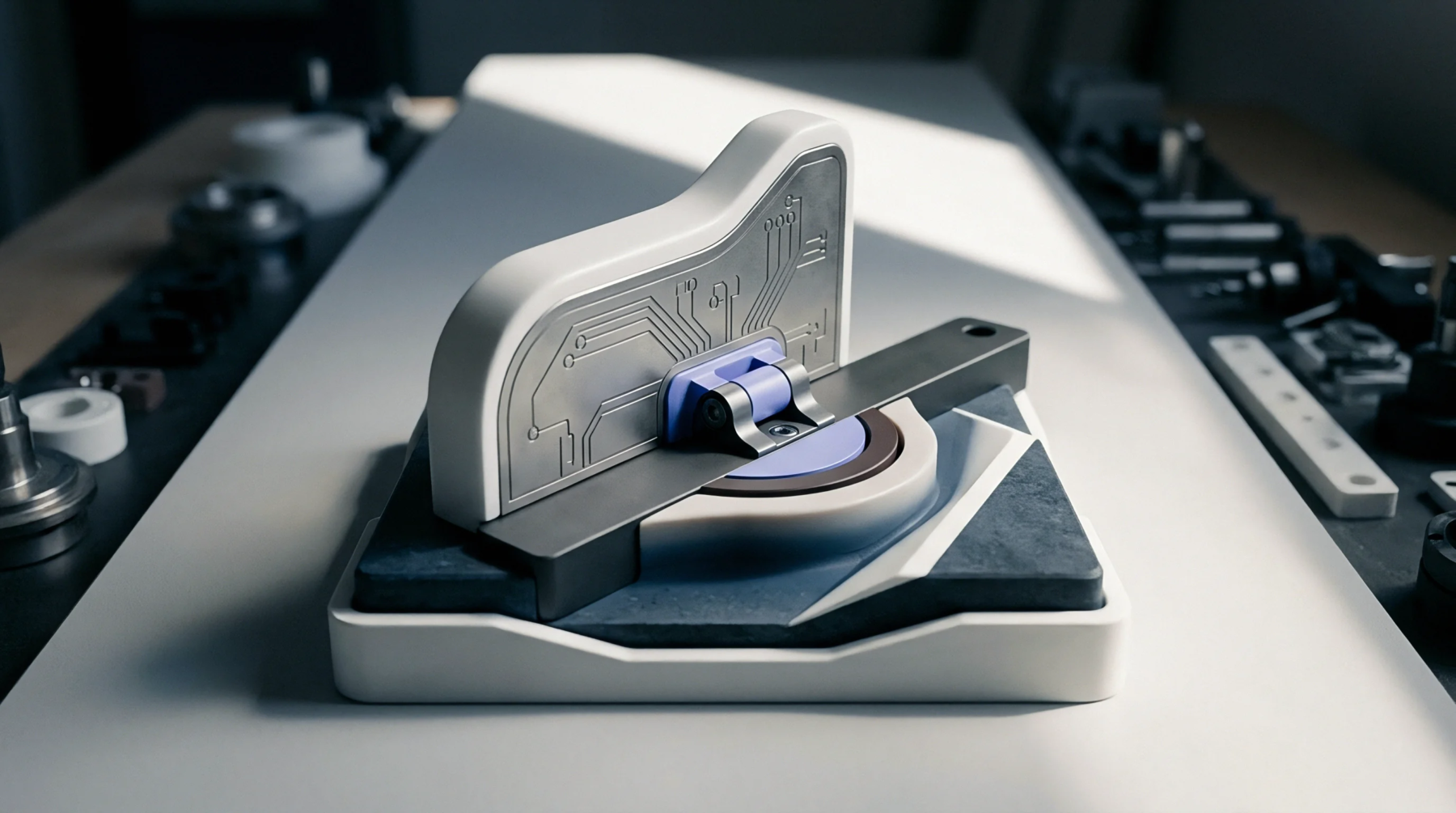
Differential trace impedance testing verifies high-speed PCB signal integrity using time-domain reflectometry on panel test coupons.
Expertise is a utility, not a secret. sentiention™ publishes its working knowledge as open reference: intelligence layer covering the materials it sources, the markets it enters, and the reference that serves both.