
Contractual Yield Allowances in Surface Mount Device Assembly Operations
Contractual yield allowances isolate mechanical feeder scrap from reflow defects to protect consigned stock value and settle component variances accurately.
Contractual yield allowances isolate mechanical feeder scrap from reflow defects to protect consigned stock value and settle component variances accurately.

Real time piezoelectric z-compensation uses laser confocal feedback to maintain sub-micron optical focus despite non-linear substrate thermal warpage.

Dynamic multi-frequency phase calibration cancels convection noise and substrate motion, preventing optical false rejects and open joints during SMT reflow.

Dynamic regional optical defocus baselines prevent false coplanarity rejects caused by board warpage and thermal gantry drift in high-speed SMT inspection.

Gantry settling delays and image compute latency bound automated optical inspection speed, requiring synchronized trigger timing to prevent motion blur rejects.

Optical inspection timing bounds demand mechanical settling dwell times that prevent sub-pixel motion blur without sacrificing line placement throughput.

Placement kinetics and 3D inspection cycle mismatches create hidden assembly bottlenecks, requiring dynamic AOI resolution mapping and calibrated inline buffering.

Vapor phase condensation modeling on heavy copper substrates predicts liquid film thickness to control latent thermal delivery and prevent solder voiding.

Vapor phase reflow eliminates thermal delta on heavy copper substrates by clamping peak heat at fluid boiling point while condensation latent energy melts solder.

Gas phase reflow uses latent heat condensation to deliver uniform heating and zero temperature delta across heavy assemblies while vacuum stage lowers voiding.

Submicron microcracks under 100 nanometers cause acoustic tunneling, requiring 230 MHz transducers and phase inversion gating to bypass reflection limits.

Asperity contact pressure above ten megapascals masks interface delamination during acoustic qualification, requiring thermal-bias ultrasonic verification.

Acoustic reflection coefficient analysis identifies sub-micron mold compound delaminations by detecting 180-degree phase inversions in ultrasonic signals.
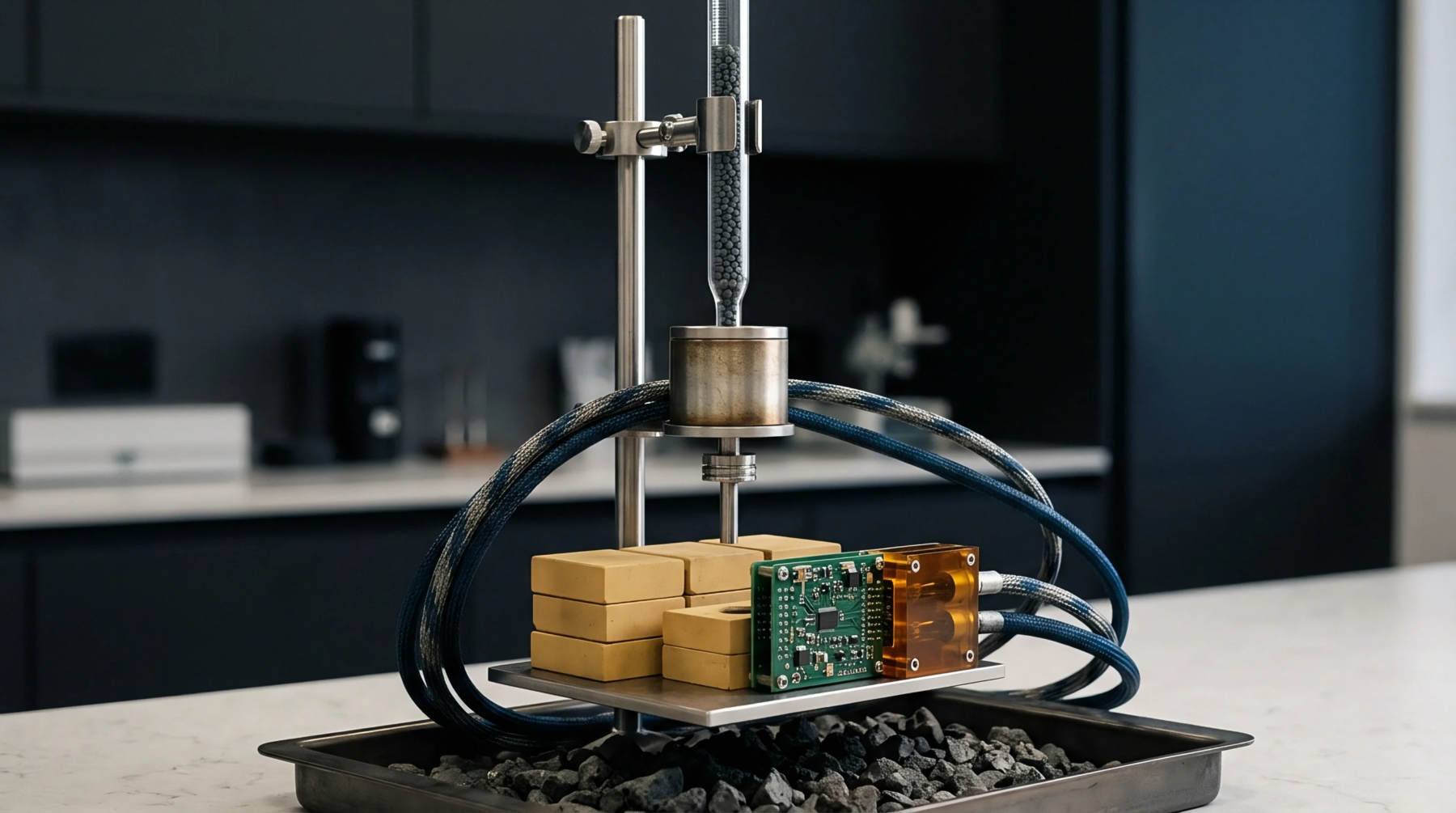
Dynamic substrate warpage during reflow alters micro bump height and causes optical signal loss that requires multi angle sensor compensation to pass assembly.

Statistical ROC tuning balances false calls against defect escapes to optimize 3D inspection height thresholds on fine-pitch SMT assemblies.

Quantifying radiometric noise floors isolates micro-via plating voids from detector electronics noise, preventing escapes and false calls on high-density interconnect lines.

Eliminate Hermes inspection interlock latency by disabling TCP packet delays, isolating machine subnets, and stripping metrology data from board handshakes.

Calibrating AOI offset triggers for fine pitch SMT requires mapping optical pixel resolution against surface tension self-alignment limits to minimize false calls.

Setting automated solder paste inspection hold boundaries requires balancing transfer efficiency limits against component pad density to control false calls.
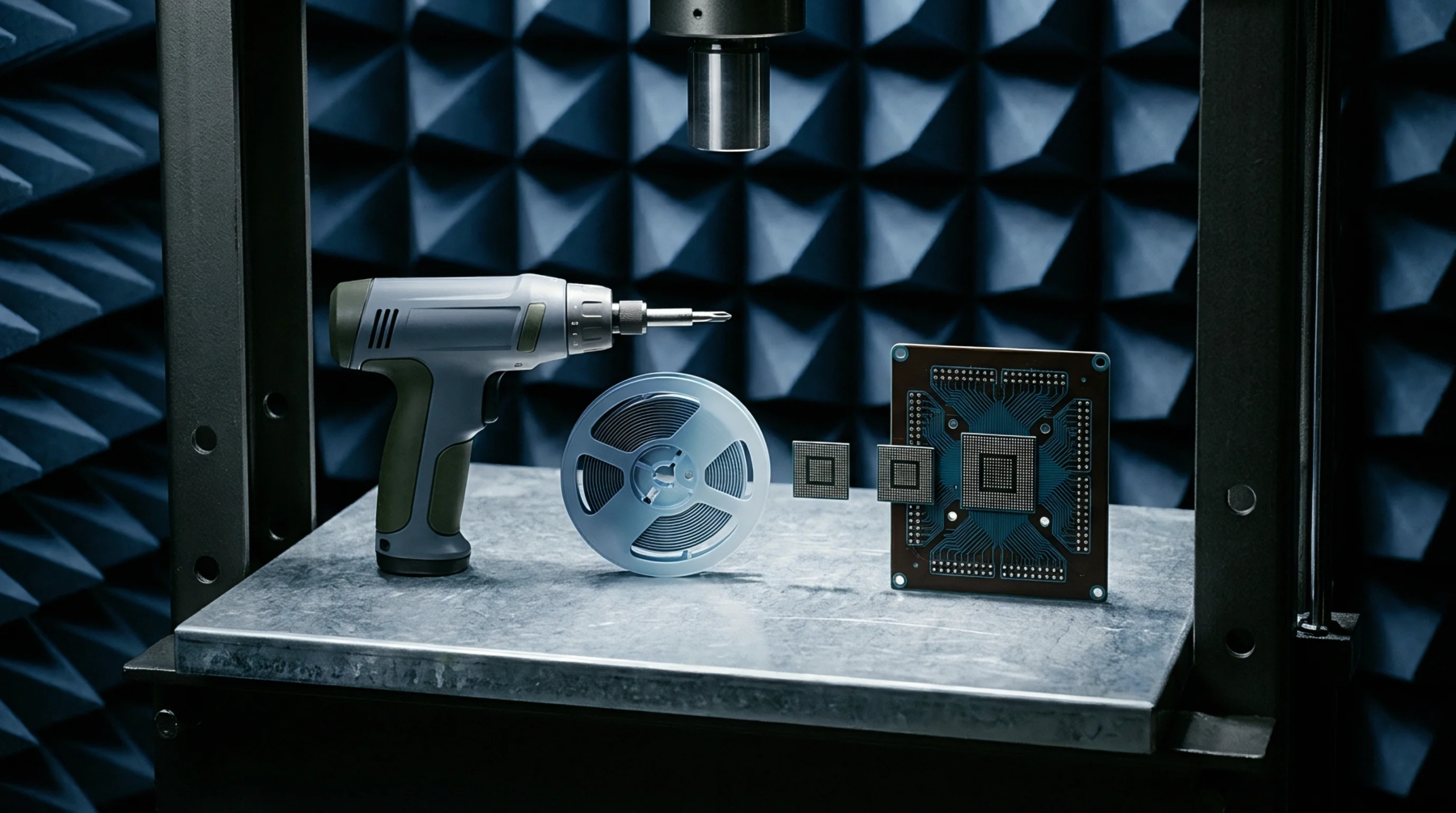
Evaporation kinetics and loss factor thresholds determine high-temperature rheological stability and prevent hot slump bridging in lead-free solder pastes.
Expertise is a utility, not a secret. sentiention™ publishes its working knowledge as open reference: intelligence layer covering the materials it sources, the markets it enters, and the reference that serves both.