Material Classification
Industrial guidelines for solder paste characterization define the performance and test requirements for electronic assembly materials. Assembly specialists rely on ipc-j-std-005 to establish standardized testing methods for solder alloys and flux vehicles. These guidelines dictate how manufacturers measure paste viscosity, slump, and tackiness under controlled environmental conditions.
Alloy Grading
Classification of metal powder size determines the fine-pitch printing capabilities of the mixture. Each powder size receives a type designation ranging from one to eight based on the distribution of sphere diameters. Smaller spheres allow the paste to flow smoothly through miniature stencil apertures during printing.
This grading system ensures that engineers choose paste with the correct rheological behavior for their specific board densities.
Reliability Assessment
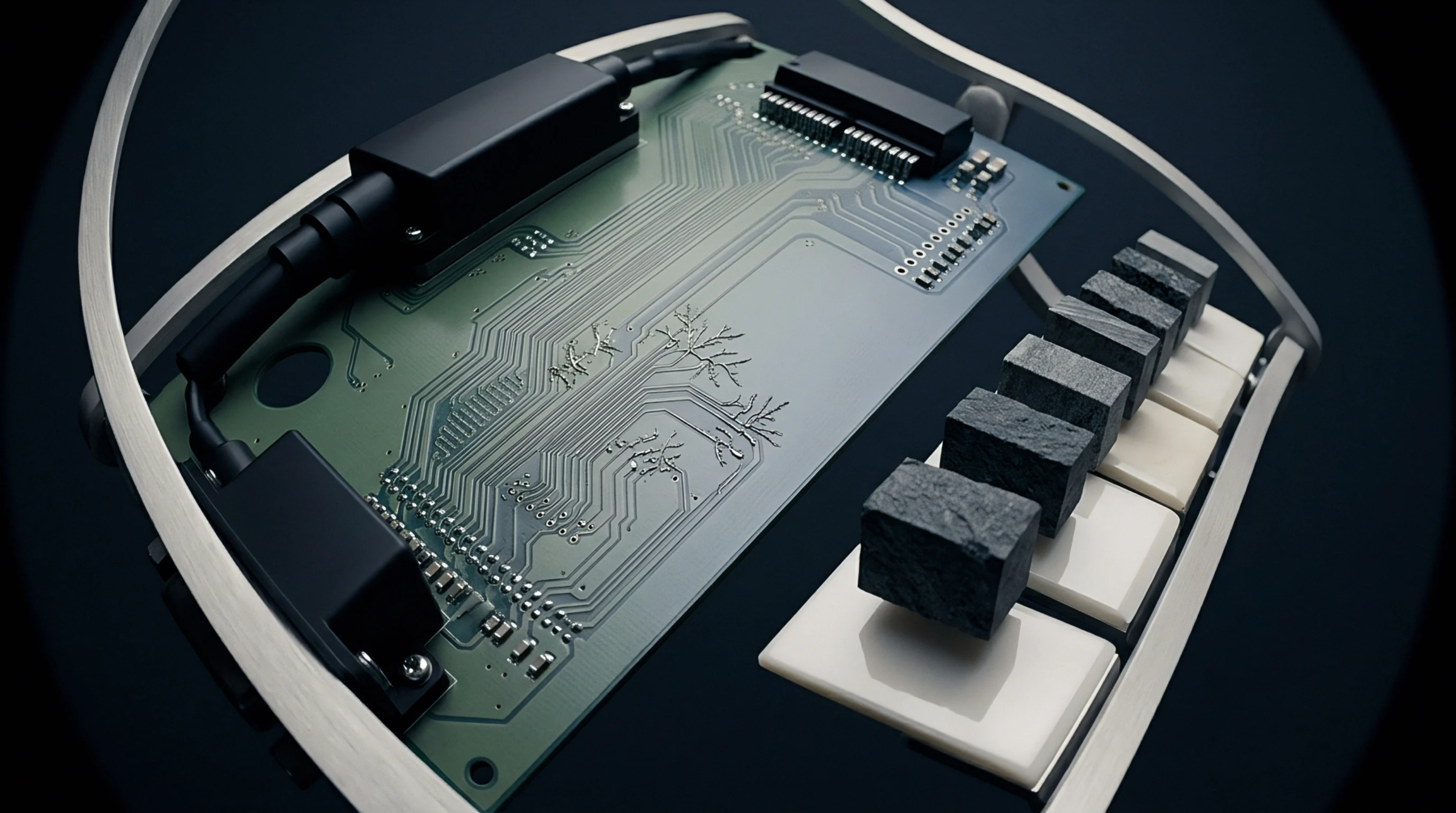
Chemical testing procedures verify that flux residues do not degrade the long-term insulation resistance of the circuit board. Solder paste must undergo halide content tests and copper mirror tests to measure corrosion potential. High corrosion rates lead to dendrite growth and electrical shorts when the board operates in humid environments.
Testing the material under these accelerated aging conditions guarantees that the assembly survives years of service without electrical failure, providing a solid baseline for process quality control across diverse manufacturing facilities.