Resonator Fixture
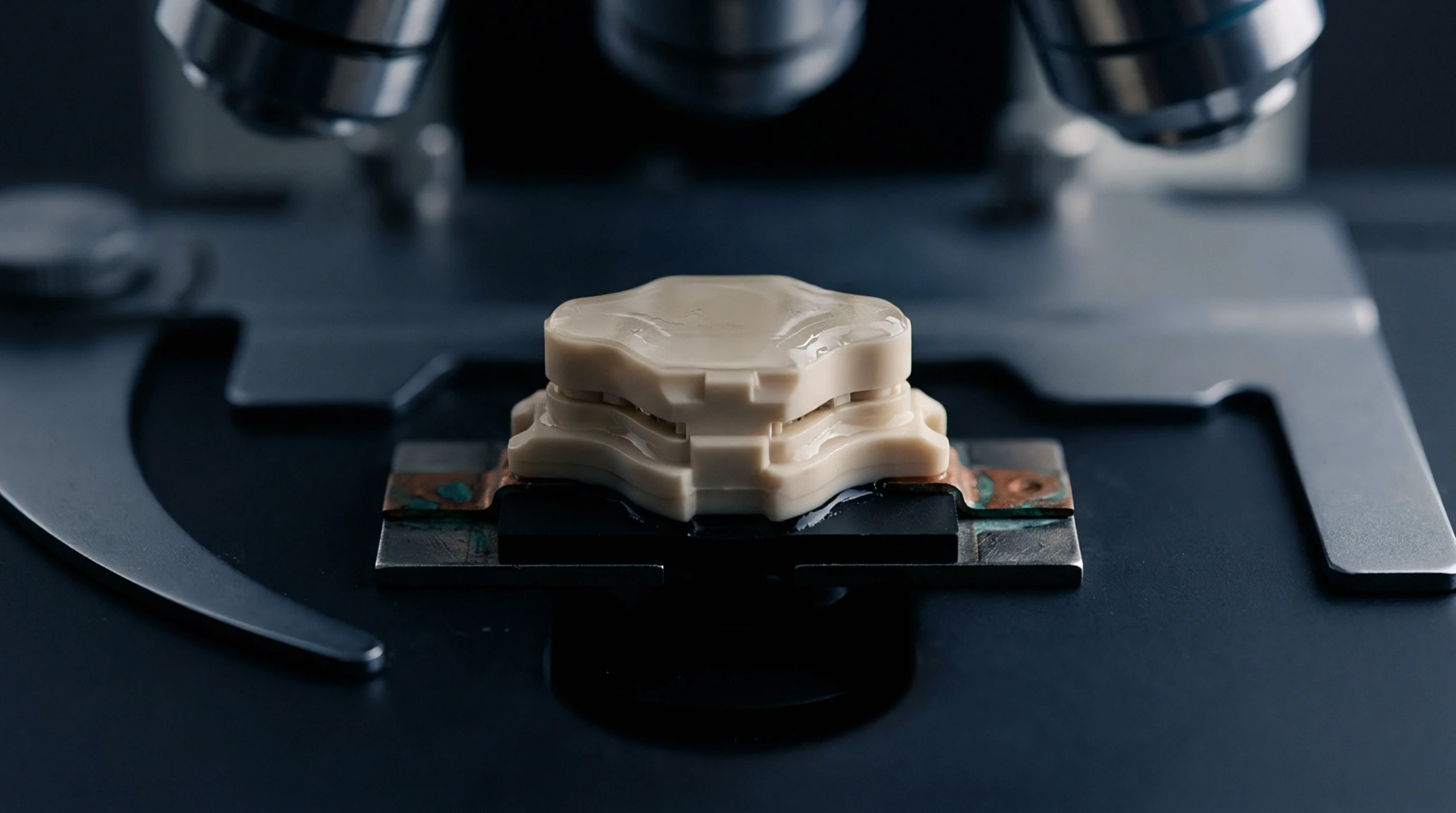
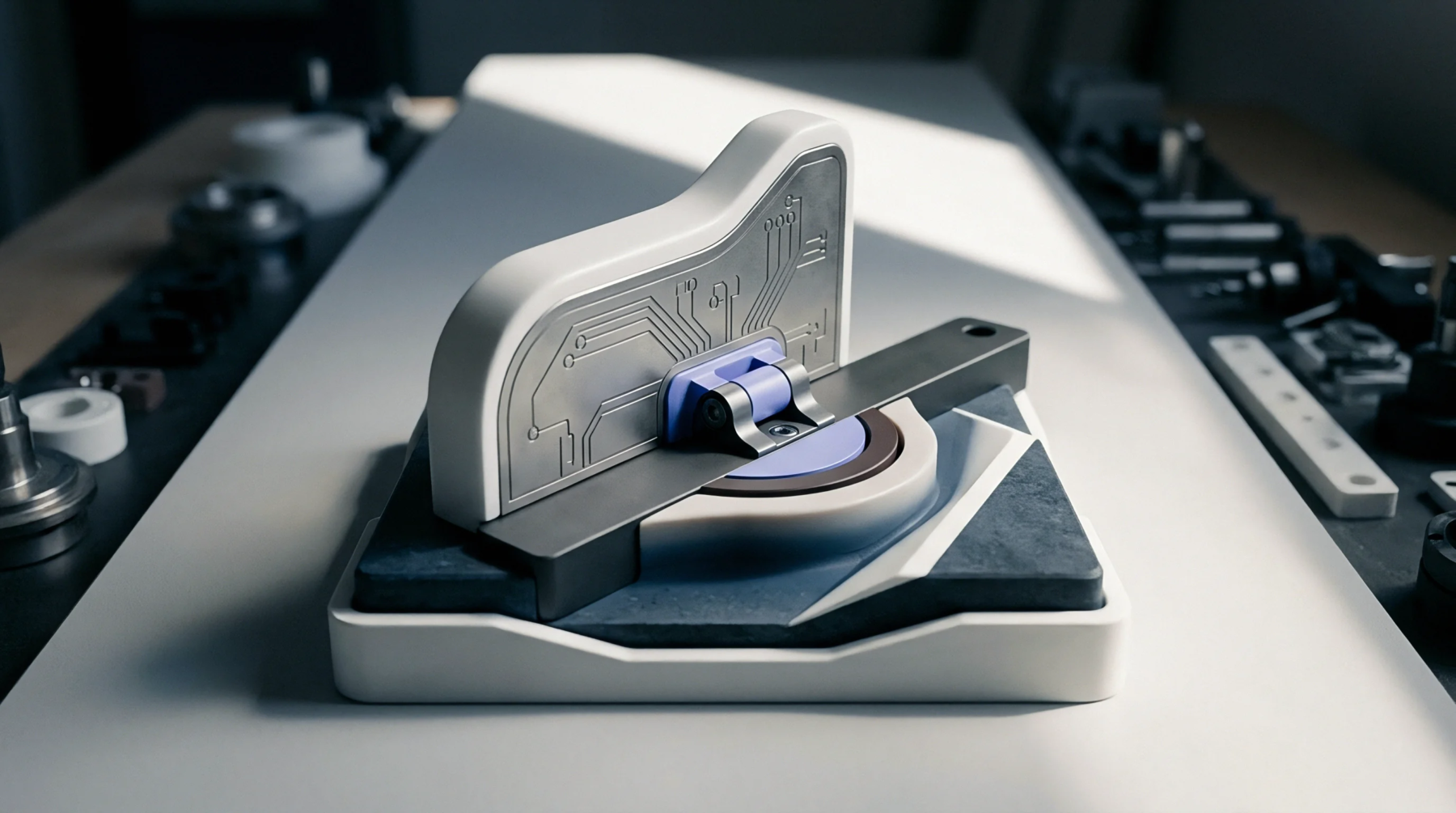
Precision microwave measurement fixtures evaluate the complex permittivity and loss tangent of unclad dielectric substrates without requiring conductive electrodes to be deposited on the test sample. A split cylinder cavity consists of two hollow cylindrical metallic cavity halves mounted on a common axis, separated by a thin gap into which a flat substrate panel is inserted. TE011 electromagnetic cavity modes are excited inside the resonant chamber, producing circular electric field lines that run parallel to the sample surface.
This field orientation eliminates air-gap depolarizing errors at the material boundary, delivering highly repeatable dielectric property measurements at X-band and Ku-band frequencies.
Permittivity Extraction
Material samples placed between the cavity halves shift the resonant frequency and alter the quality factor of the cavity fixture. Vector network analyzers measure these frequency shifts and Q-factor changes with high precision. Analytical software solves transcendental field equations derived from Maxwell’s equations to extract the relative permittivity and loss tangent of the substrate layer.
Because the electric field does not cross the specimen surface normally, the measurement isolates the in-plane dielectric properties of anisotropic laminates. Substrate manufacturers rely on this standardized test method, specified under IPC-TM-650, to certify material properties before shipping raw laminates to PCB fabrication plants.
Measurement Calibration
Accurate sample thickness measurement is essential because thickness uncertainty translates directly into permittivity calculation errors. Cavity temperature monitoring compensates for thermal expansion of the metallic walls during high-accuracy material characterization.