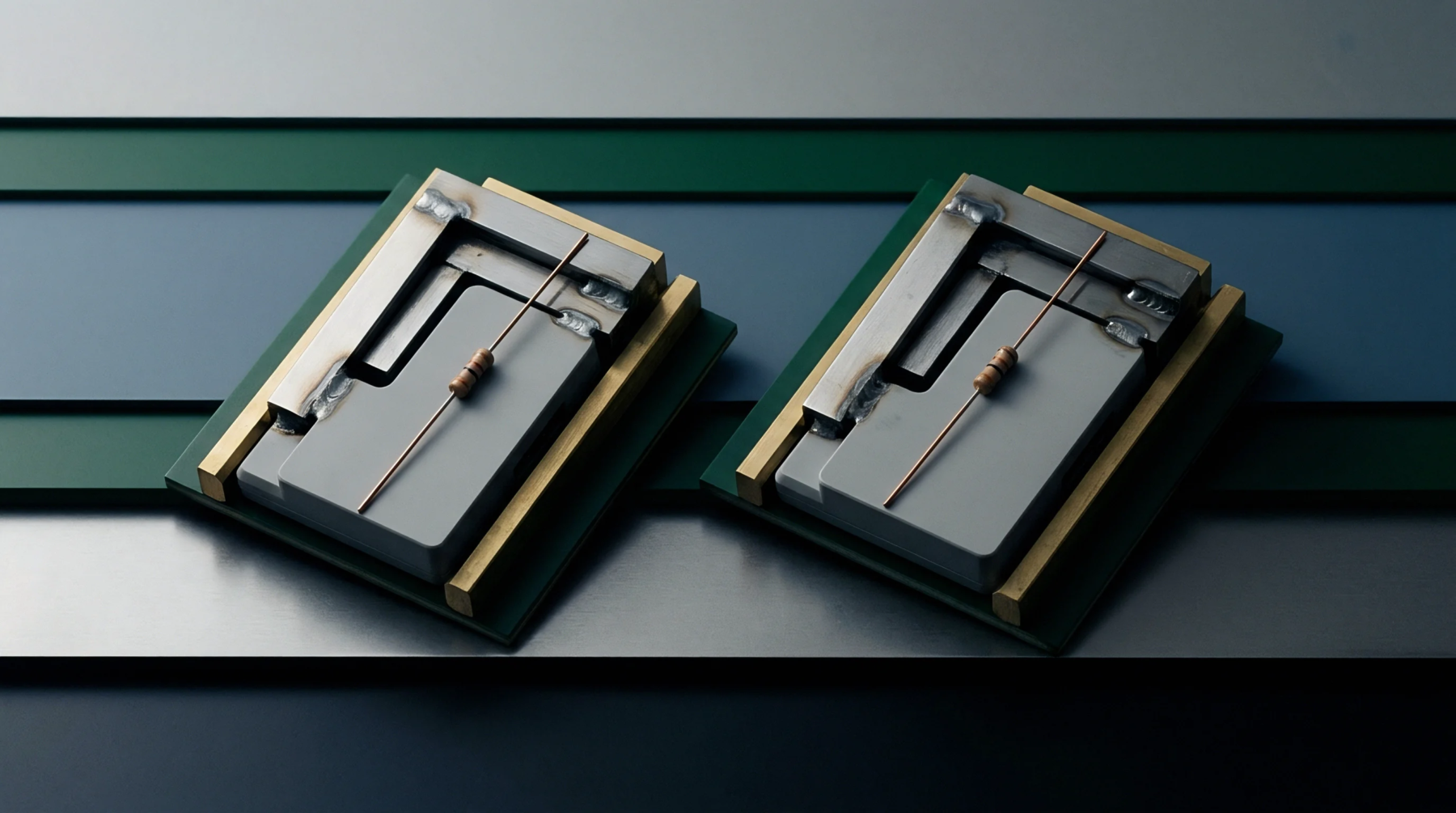
Resolving Anisotropic Permittivity in Woven Quartz Fluoropolymer Circuit Substrates
Woven quartz fluoropolymer substrates exhibit directional permittivity splits resolved through tensor modeling, 45-degree layout, and split-post testing.
Woven quartz fluoropolymer substrates exhibit directional permittivity splits resolved through tensor modeling, 45-degree layout, and split-post testing.
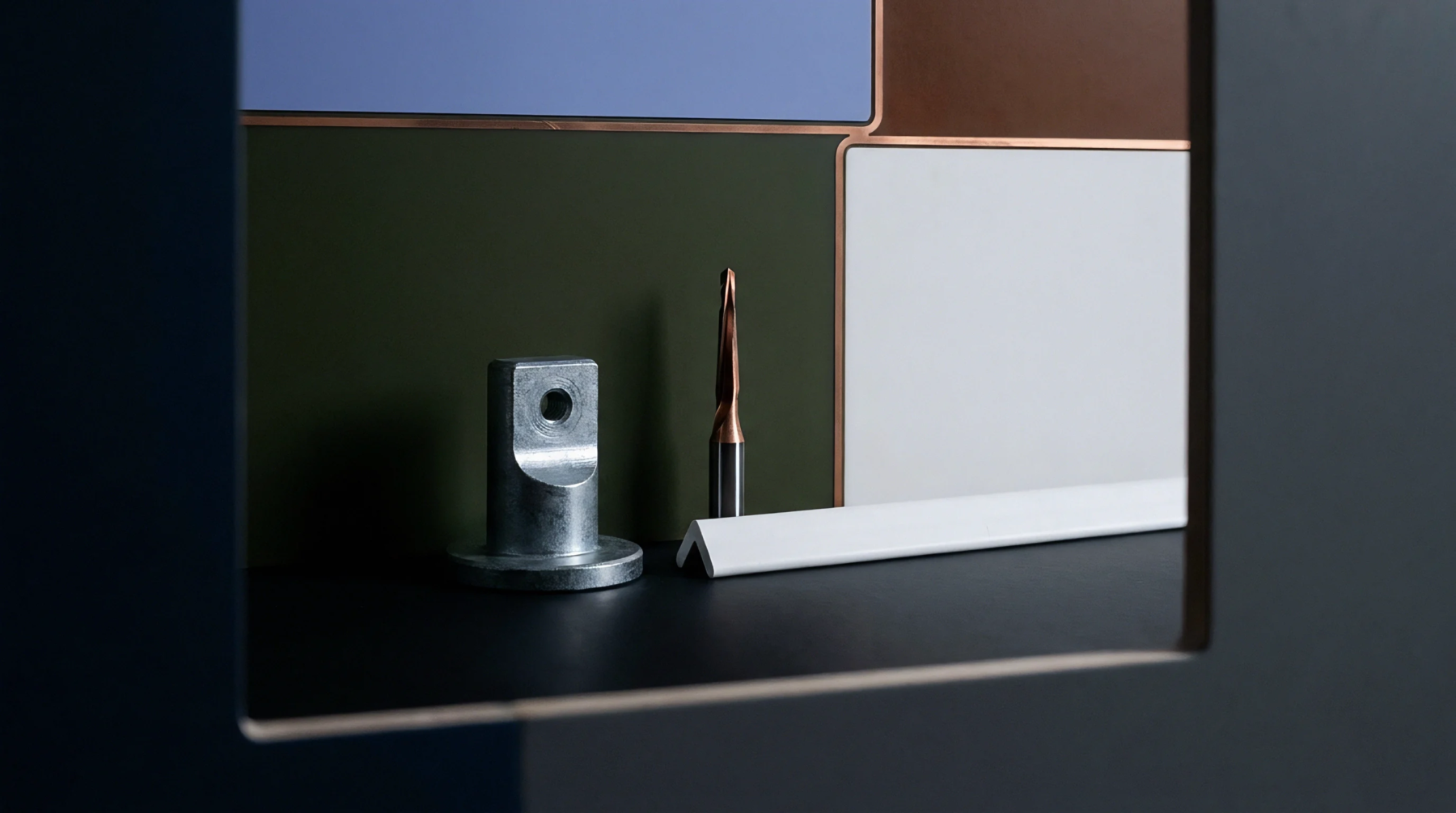
Clamped stripline resonators extract out-of-plane permittivity and loss tangent up to 10 GHz by measuring resonant modes of unclad dielectric sheets under pressure.
Dielectric characterization methods determine in-circuit signal velocity by accounting for test fixture field structure, glass anisotropy, and copper surface roughness.

Anisotropic dielectric tensor modeling eliminates up to 8 ohm trace impedance errors and timing skew in high speed package substrates compared to isotropic models.

Selecting dielectric substrates requires balancing dissipation factor, glass weave uniformity, foil roughness, and panel yields to meet high-speed impedance targets.
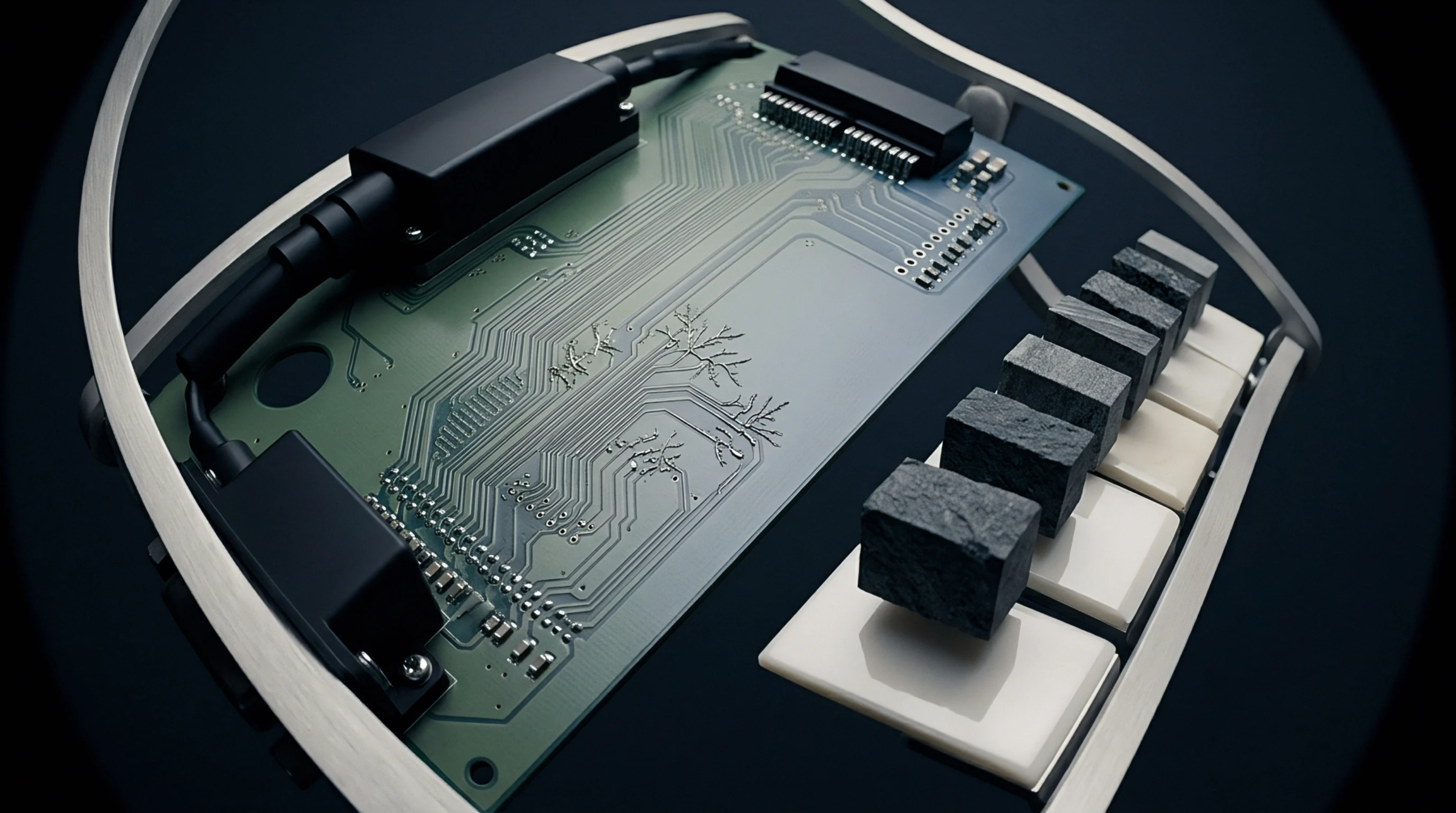
Out-of-plane permittivity in glass-reinforced multilayer stackups runs lower than datasheet figures, requiring Z-axis test methods to hold impedance.
Expertise is a utility, not a secret. sentiention™ publishes its working knowledge as open reference: intelligence layer covering the materials it sources, the markets it enters, and the reference that serves both.