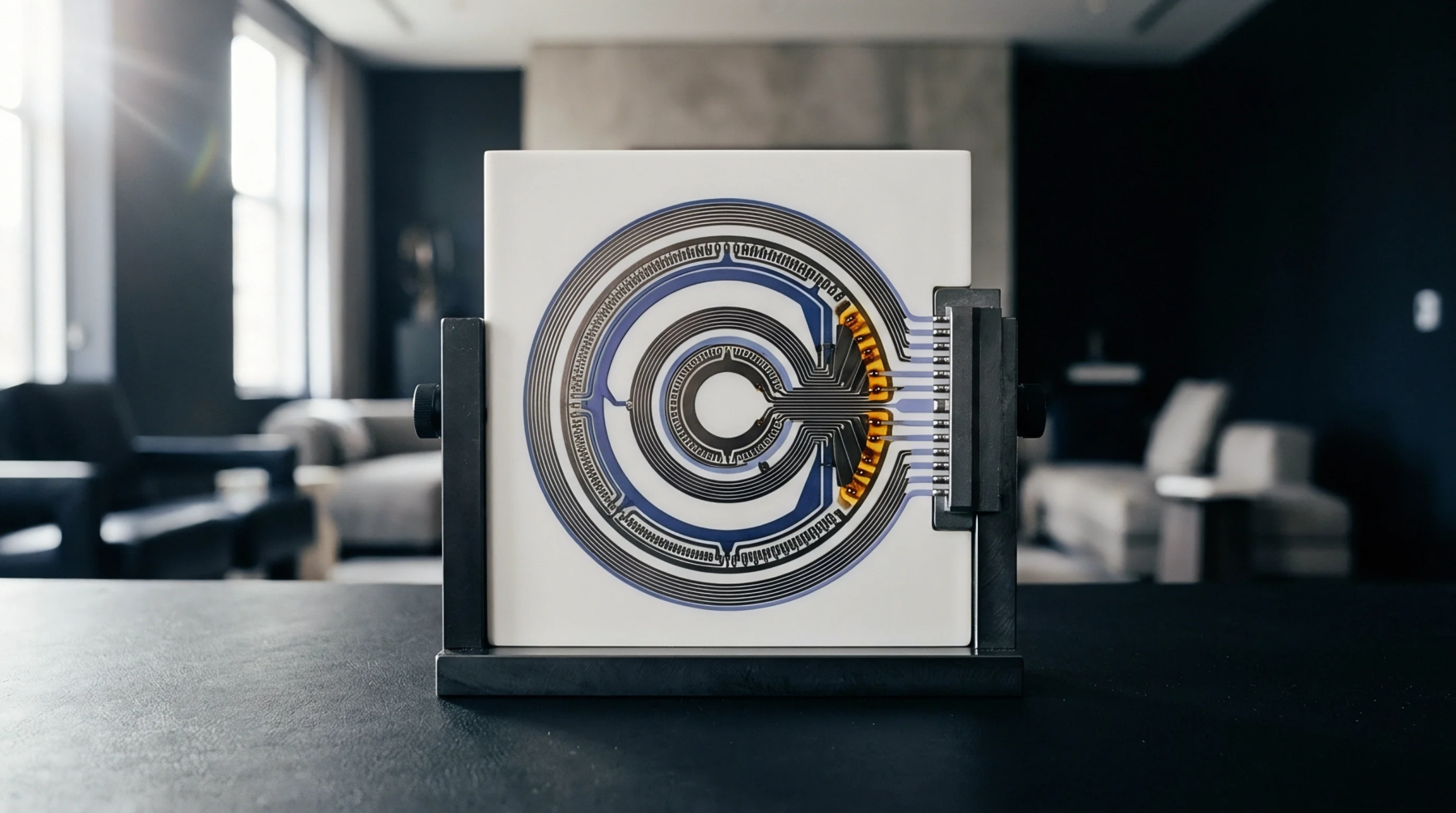
Modeling Gas Phase Latent Condensation Kinetics on Embedded Heavy Copper Power Substrates
Vapor phase condensation modeling on heavy copper substrates predicts liquid film thickness to control latent thermal delivery and prevent solder voiding.
Vapor phase condensation modeling on heavy copper substrates predicts liquid film thickness to control latent thermal delivery and prevent solder voiding.

Matching reflow soak durations to flux solvent evaporation rates eliminates sub-component pressure spikes and drops QFN thermal pad voiding below ten percent.
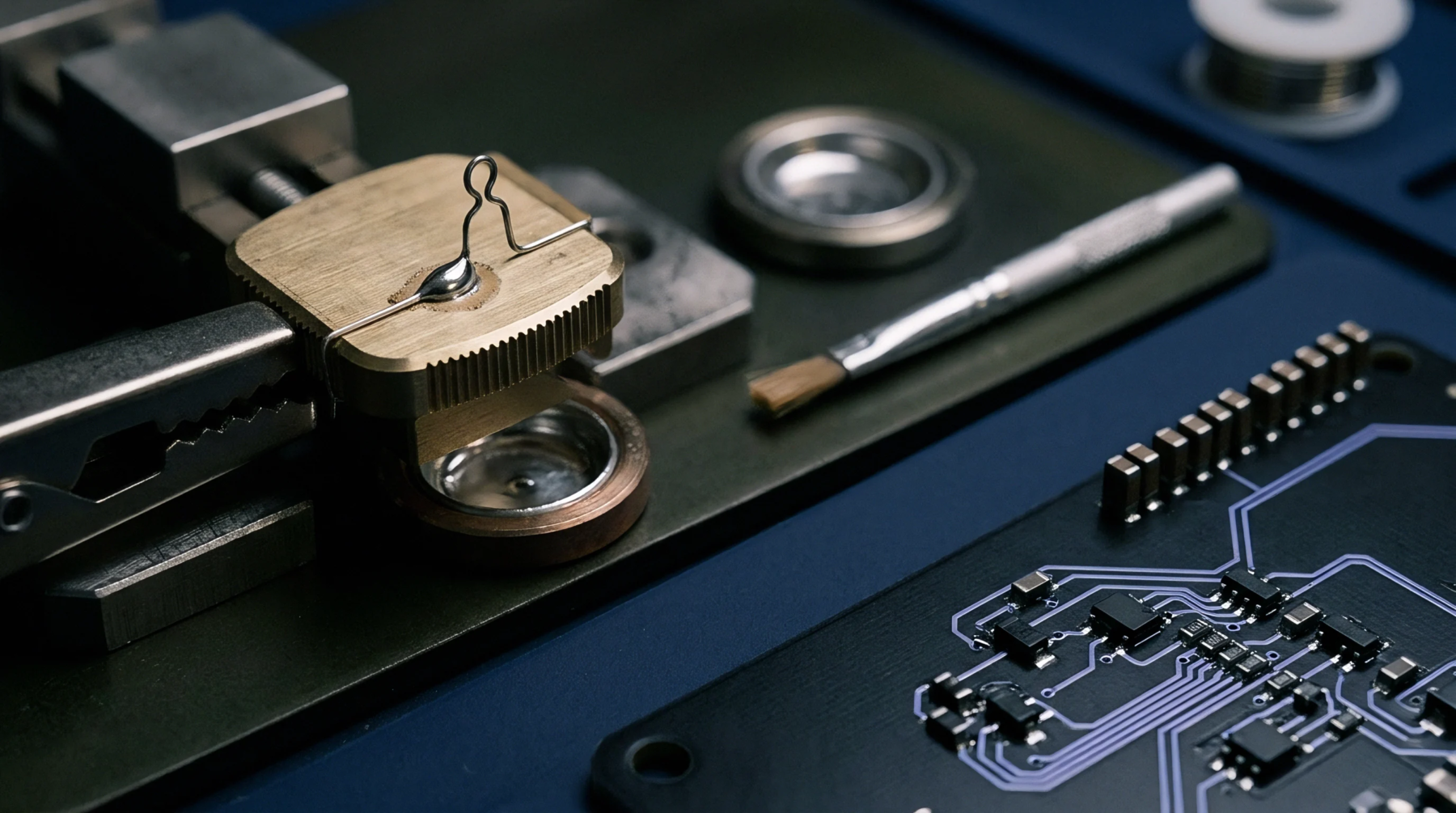
Sub-atmospheric pressure profiling reduces bottom-terminated component voiding below 5% by expanding and evacuating trapped flux gases during liquidus.

Non-destructive verification of blind thermal via fill requires 3D computed laminography to isolate inner-layer solder volume through heavy copper planes.
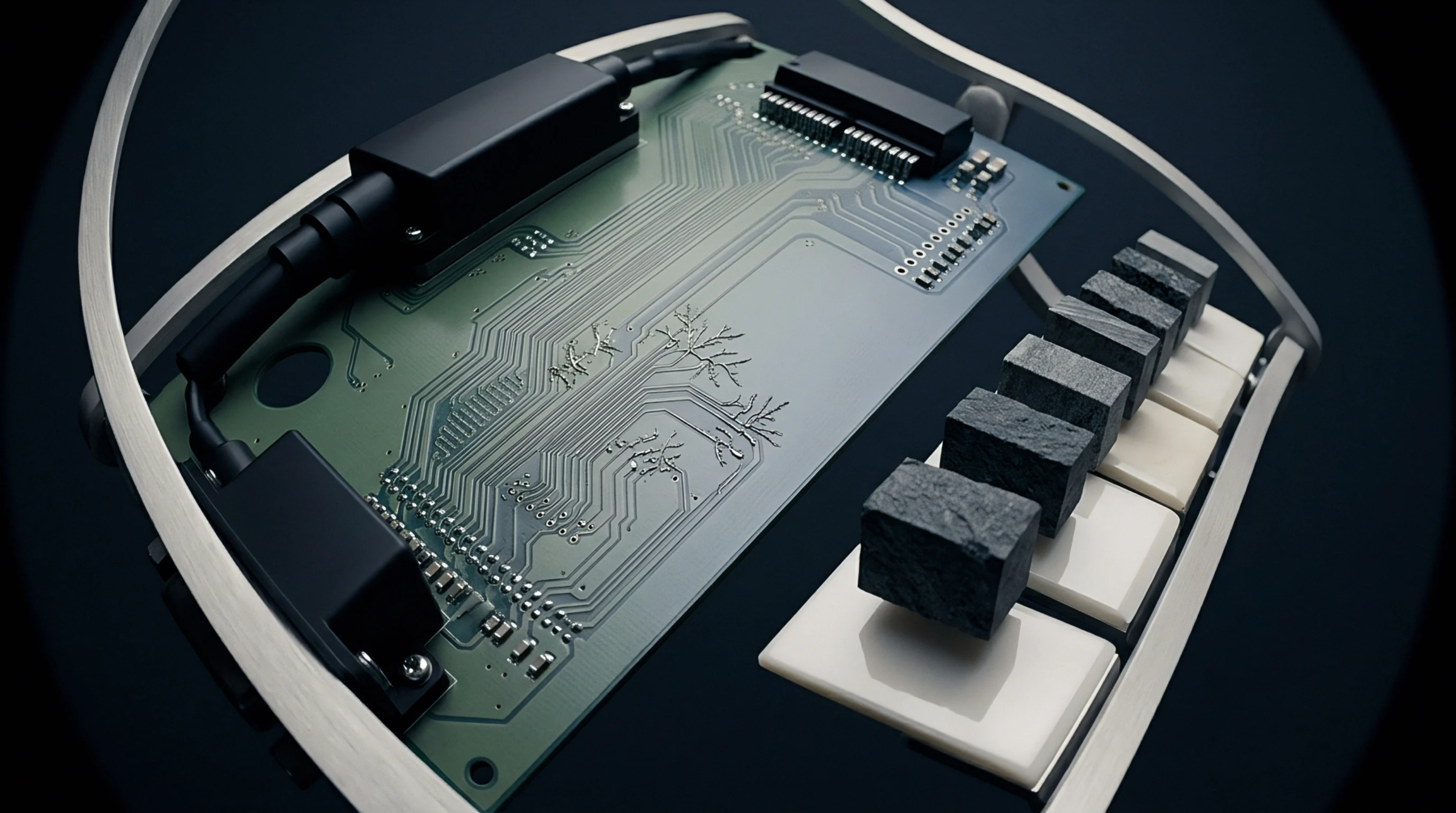
Dynamic thermal warpage alters fine pitch component standoff during reflow, trapping flux outgassing and increasing solder joint voiding percentages.

Radiographic escape quantification requires correlating grey-scale attenuation thresholds with physical microsections to catch hidden non-wetting defects.
Dynamic multi-stage line balancing synchronizes SMT placement rates, stencil paste volume, and reflow profile margins across mixed component geometries.
Thermogravimetric solvent mass loss below half a percent prior to liquidus eliminates outgassing macro-voids under bottom-terminated components.
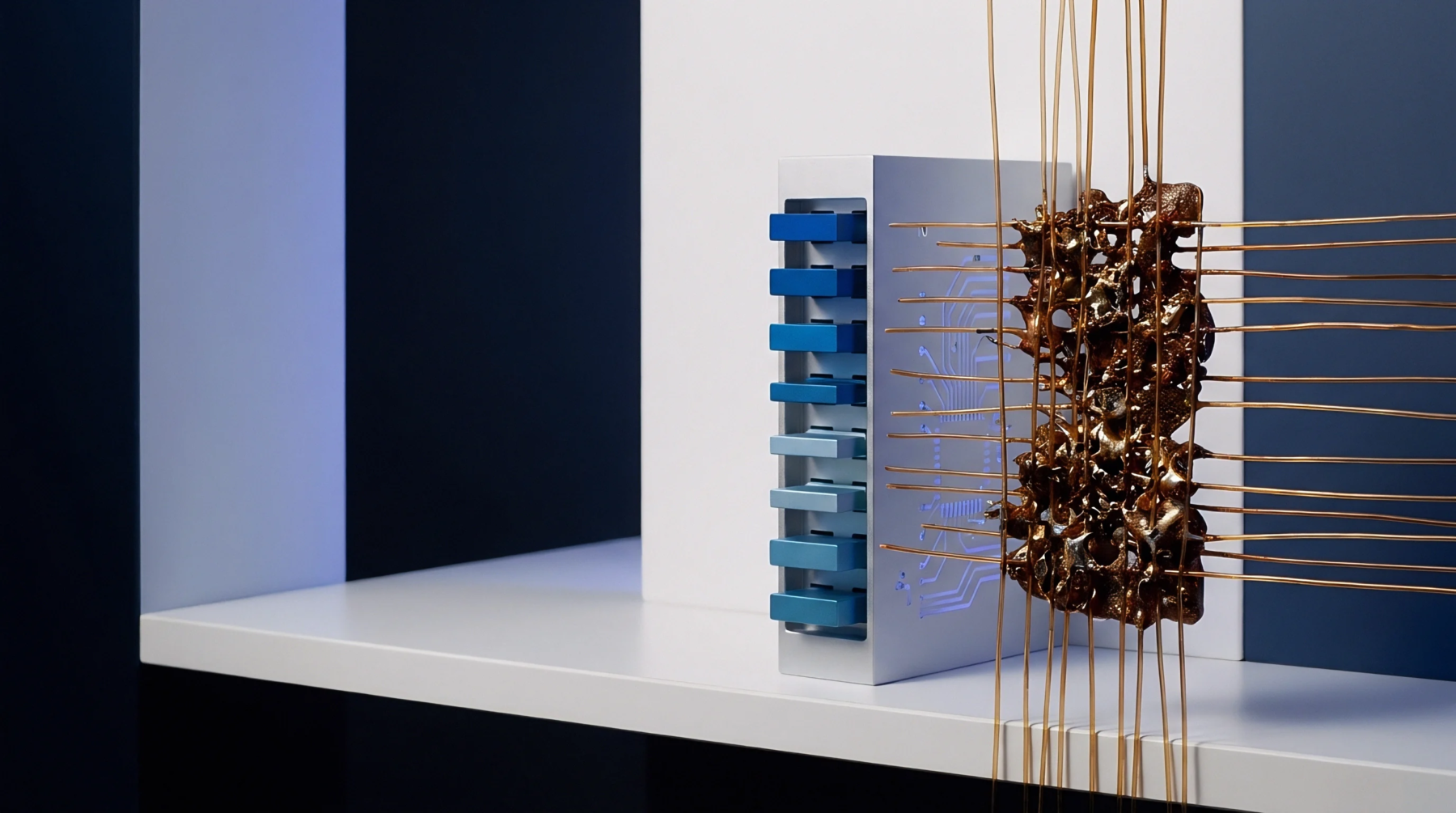
Allocating latent defect risk in advanced assembly relies on defined screening limits, clear warranty triggers, and empirical root-cause testing formulas.

Sub-atmospheric vacuum reflow during liquidus dwell extracts entrapped flux solvent gases, reducing BGA solder joint void area to under five percent.
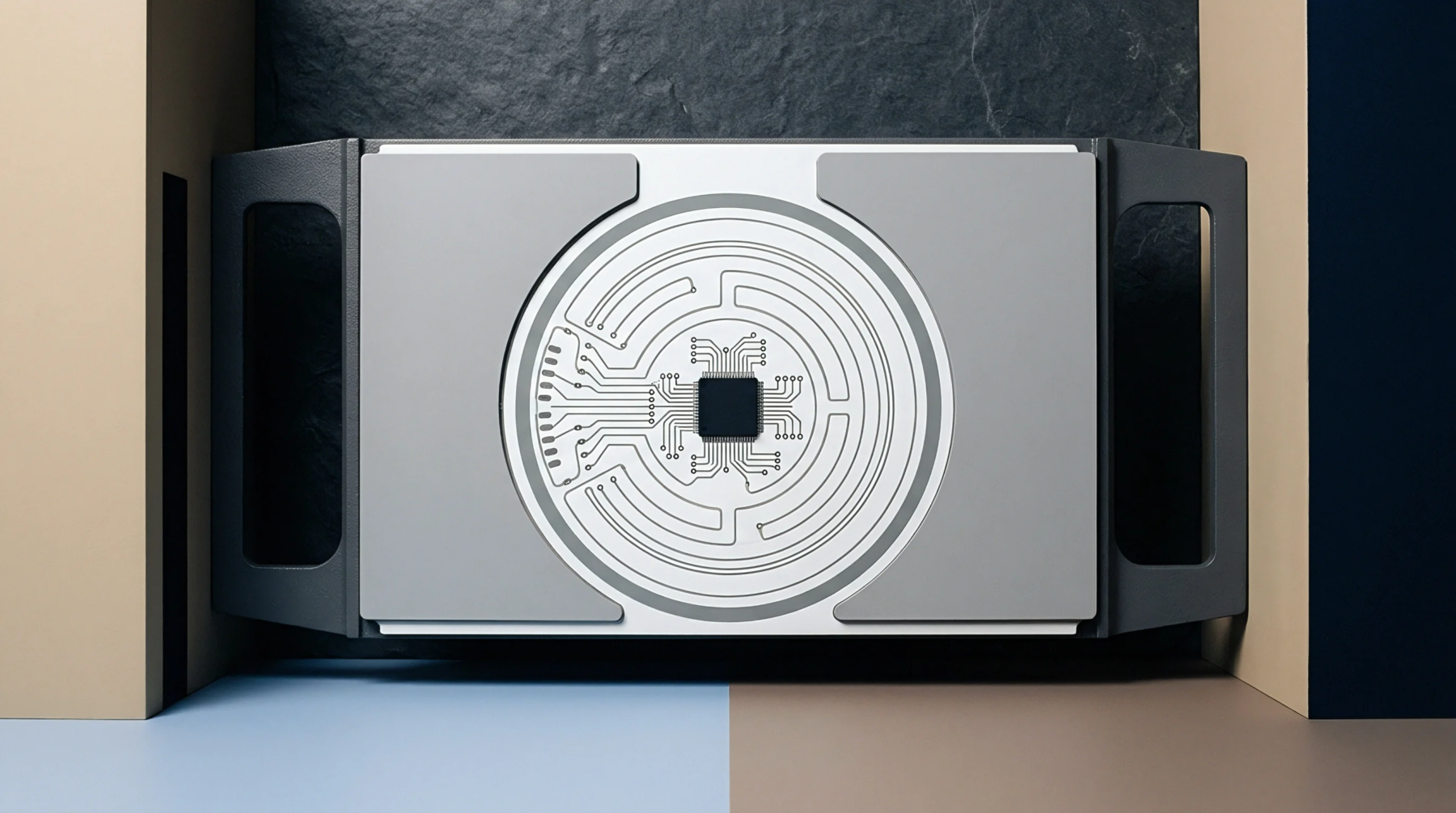
Thermal defect attribution in mixed consigned assembly requires combining profile logs, 3D X-ray data, and MSL handling records to split material and process liability.
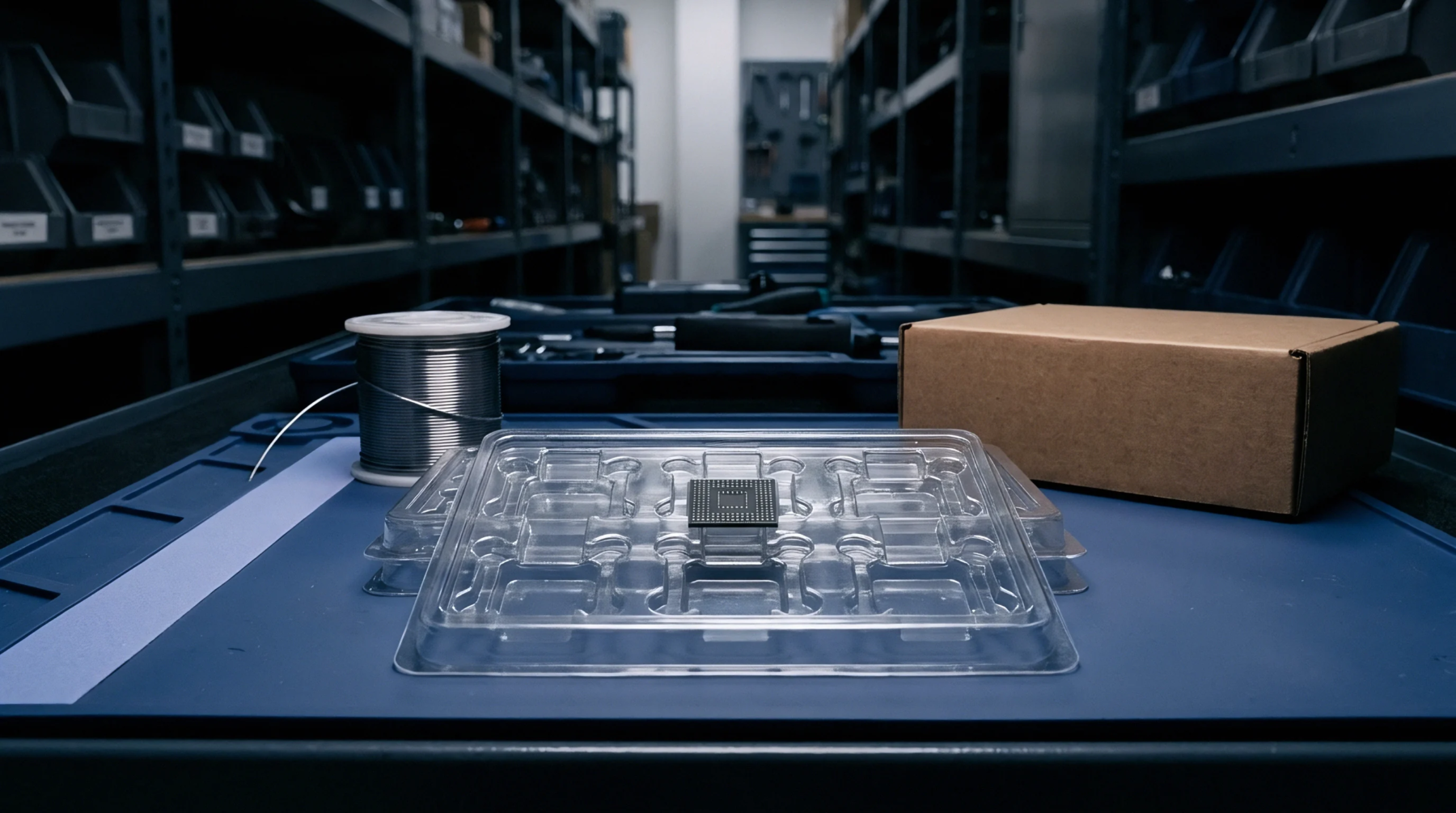
X-ray inspection coverage requires precise calibration of tomographic slice thickness and algorithmic gray-level thresholds to detect hidden solder voids and opens.
Expertise is a utility, not a secret. sentiention™ publishes its working knowledge as open reference: intelligence layer covering the materials it sources, the markets it enters, and the reference that serves both.