
Modeling Gas Phase Latent Condensation Kinetics on Embedded Heavy Copper Power Substrates
Vapor phase condensation modeling on heavy copper substrates predicts liquid film thickness to control latent thermal delivery and prevent solder voiding.
Vapor phase condensation modeling on heavy copper substrates predicts liquid film thickness to control latent thermal delivery and prevent solder voiding.
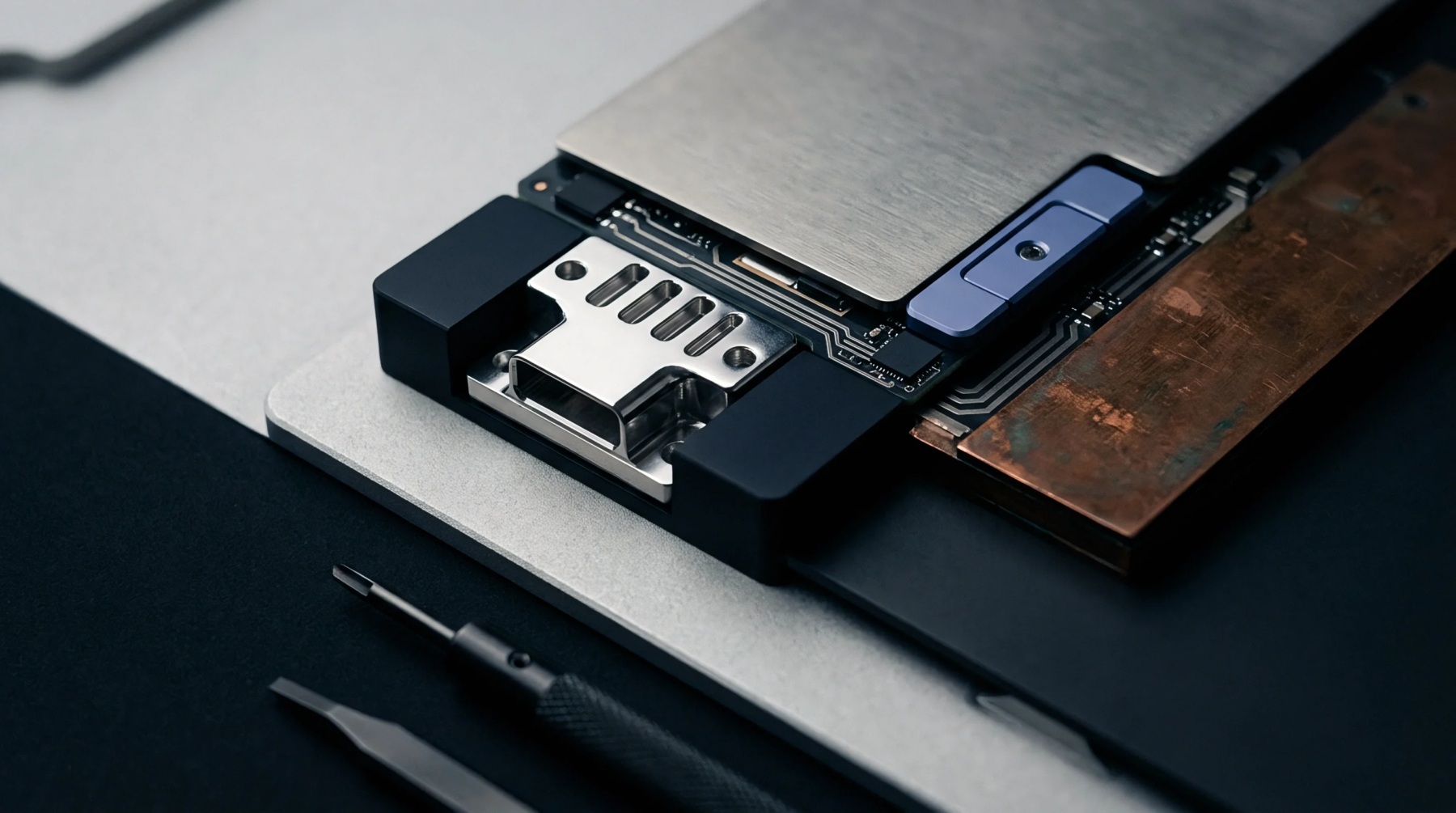
Vapor phase reflow eliminates thermal delta on heavy copper substrates by clamping peak heat at fluid boiling point while condensation latent energy melts solder.

Gas phase reflow uses latent heat condensation to deliver uniform heating and zero temperature delta across heavy assemblies while vacuum stage lowers voiding.
Submicron microcracks under 100 nanometers cause acoustic tunneling, requiring 230 MHz transducers and phase inversion gating to bypass reflection limits.

Asperity contact pressure above ten megapascals masks interface delamination during acoustic qualification, requiring thermal-bias ultrasonic verification.
Statistical ROC tuning balances false calls against defect escapes to optimize 3D inspection height thresholds on fine-pitch SMT assemblies.

Calibrating AOI offset triggers for fine pitch SMT requires mapping optical pixel resolution against surface tension self-alignment limits to minimize false calls.

High-frequency acoustic microscopy resolution in multilayer laminates is limited by weave scattering and dielectric attenuation, requiring phased gating.
Upper bound financial liability in high-density surface mount assembly depends on contract caps that separate labor processing fees from bill-of-materials scrap limits.
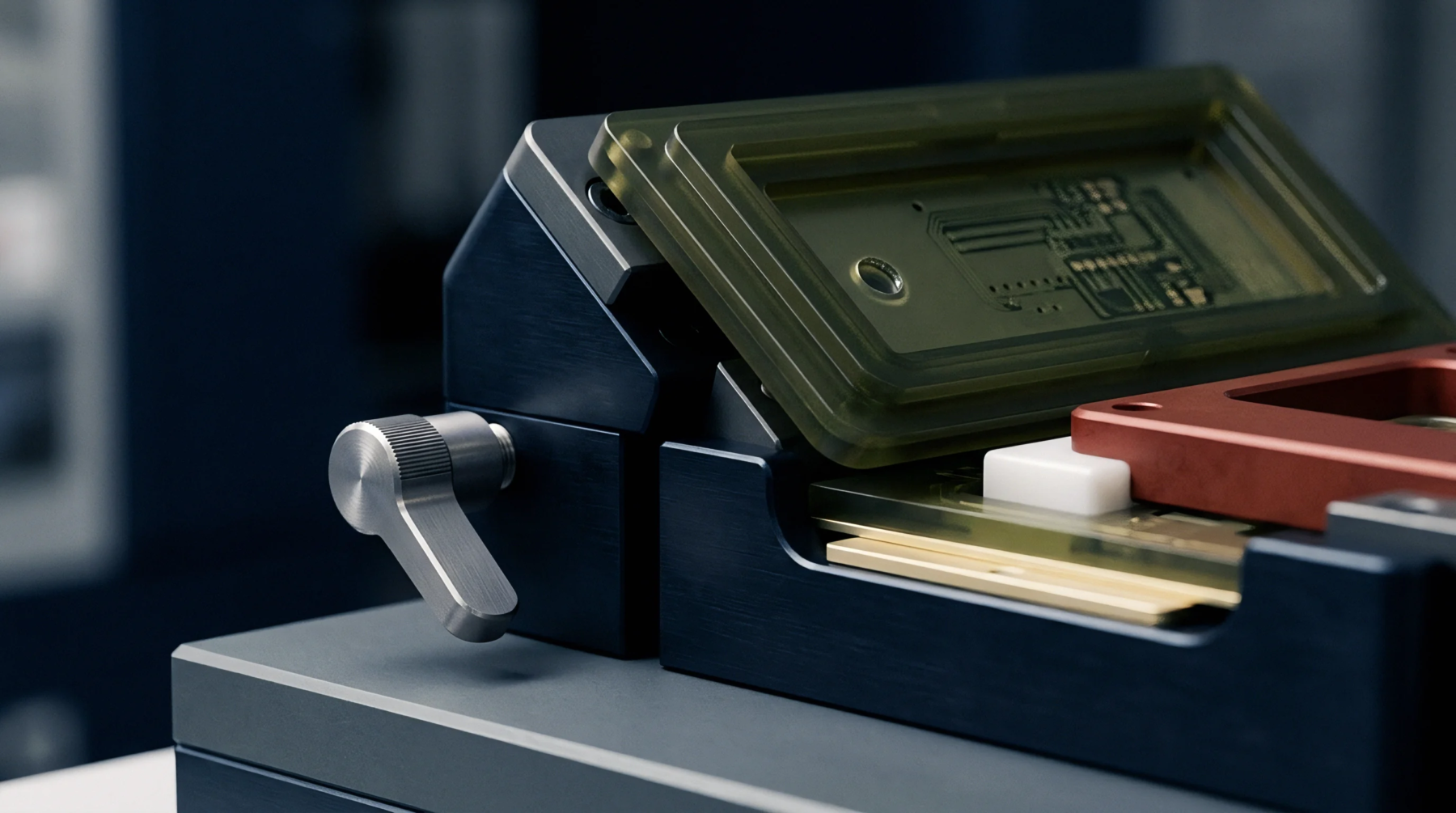
Micro-fractures in high-speed coupling capacitors elevate insertion loss and phase jitter; wideband S-parameter screening catches latent dielectric failures.
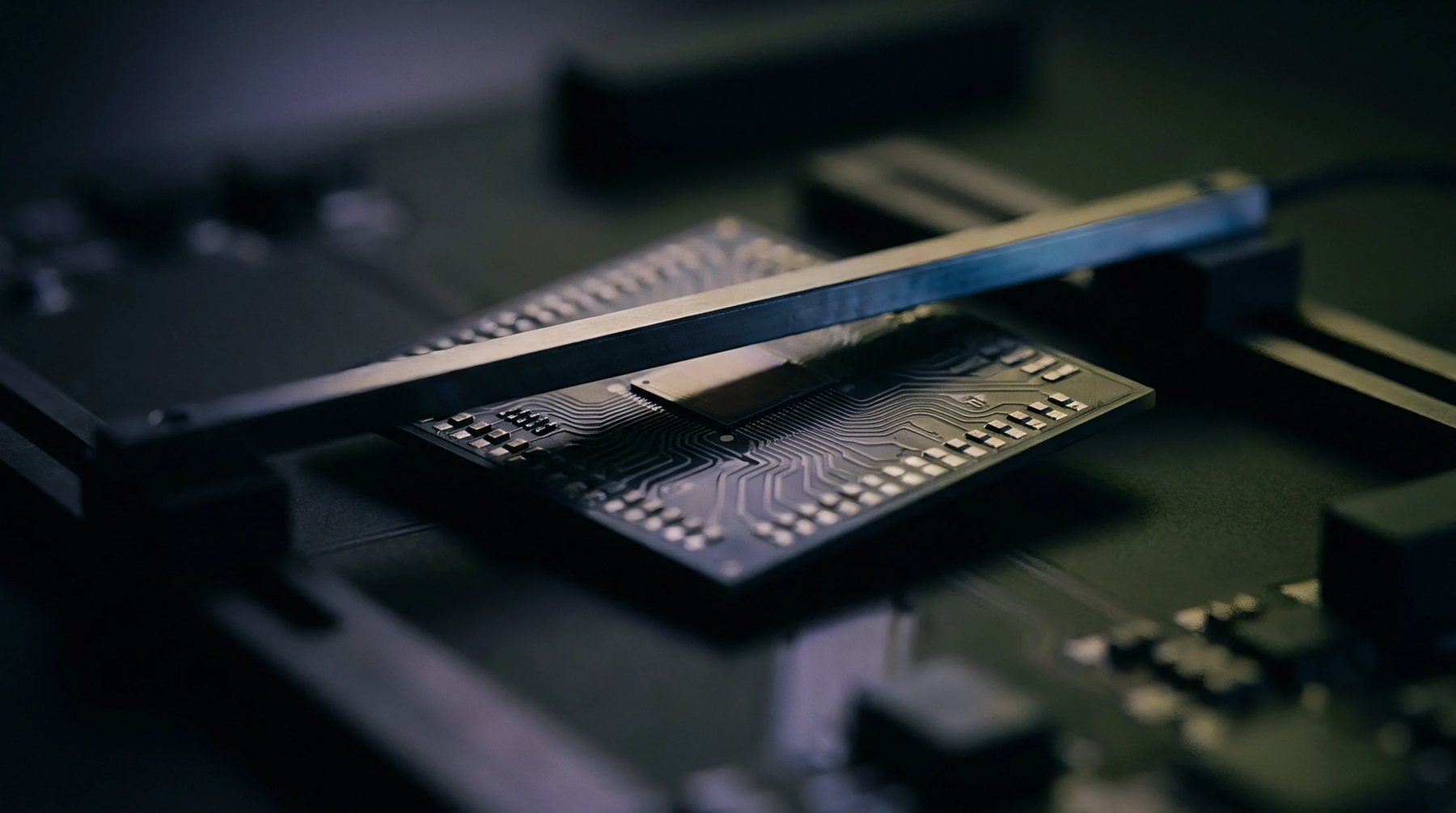
Verify micro-CT voxel pitch with certified ball-bar or grid phantoms to prevent thermal drift from turning compliant solder joints into false defect rejects.
Solid state intermetallic growth degrades lead-free solder joints through parabolic Cu3Sn layer thickening and Kirkendall void embrittlement under thermal aging.
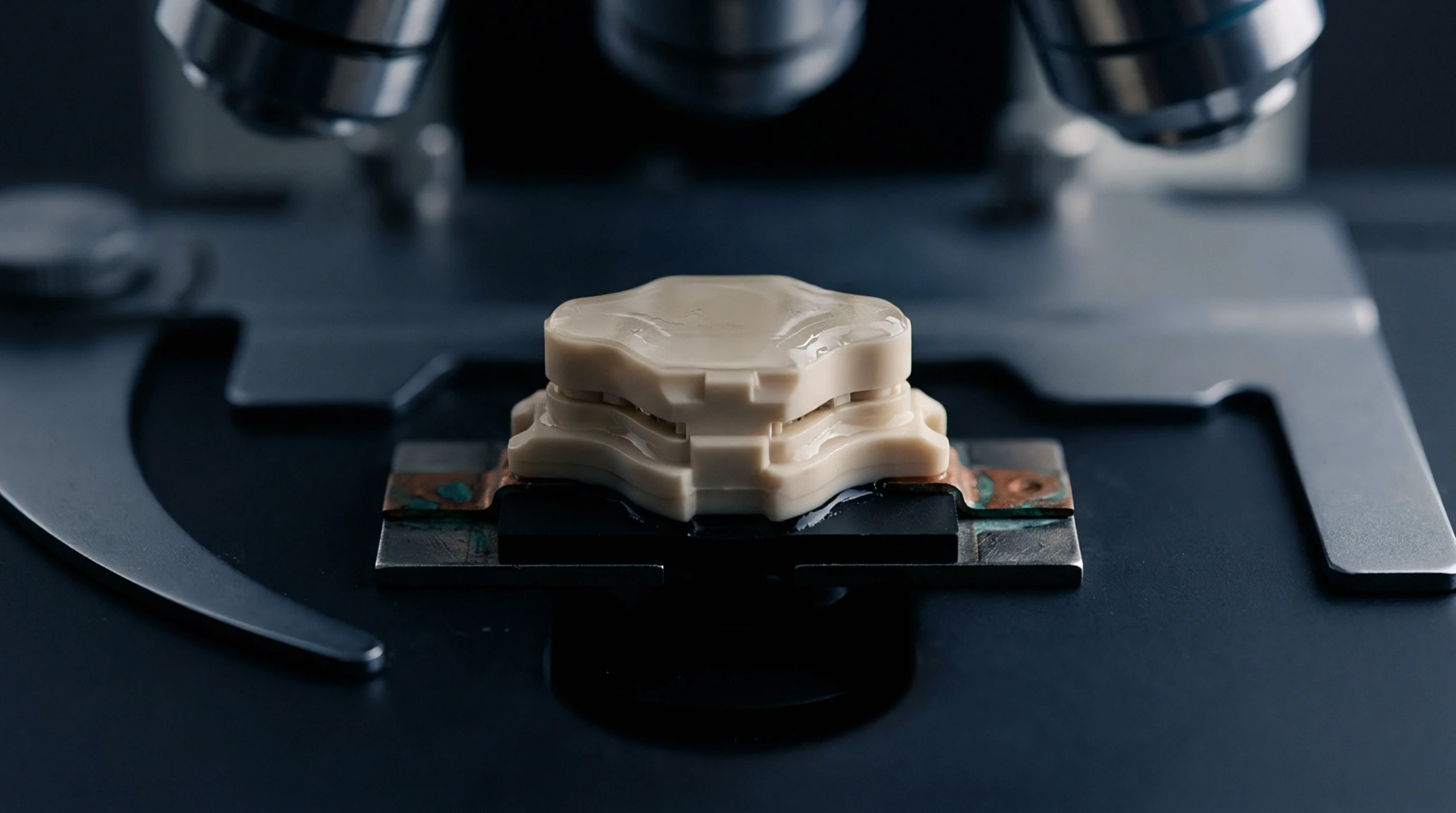
Heavy copper selective soldering balances thermal immersion against rapid dissolution by controlling nozzle drag velocity and bath copper saturation levels.

Test target layout requires dedicated 0.8 mm pads on a 1.27 mm grid with 0.4 mm component keepouts to deliver full ICT access and low defect escape rates.
Expertise is a utility, not a secret. sentiention™ publishes its working knowledge as open reference: intelligence layer covering the materials it sources, the markets it enters, and the reference that serves both.