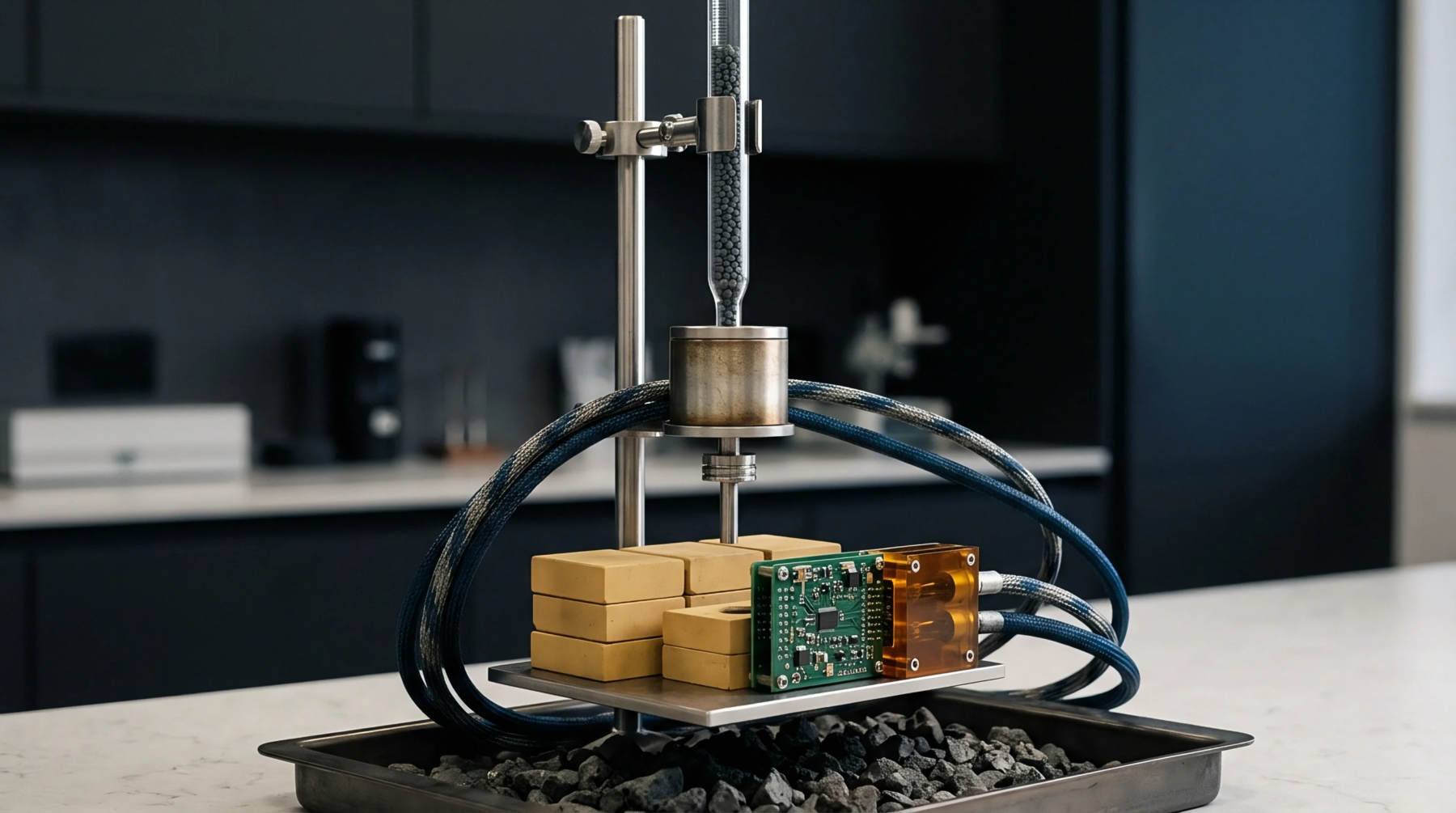
Chemical Measurement
Solvent extraction followed by liquid chromatography coupled with mass spectrometry identifies and calculates the specific concentration of plasticizers within polymer substrates. Phthalate quantification determines the mass fraction of these esters in raw materials or finished electronic components to ensure compliance with environmental safety standards. This methodology relies on calibrated reference standards to convert instrument response signals into precise numerical values.
Precise determination of these compounds prevents non-compliant parts from entering the supply chain.
Analytical Procedure
Samples undergo mechanical reduction to increase surface area before submersion in high purity organic solvents. Heat or ultrasonic agitation forces the migration of molecules from the solid matrix into the liquid phase. Extracts are filtered to remove particulate matter before injection into the analytical system.
Individual species separate through a stationary column based on affinity and molecular weight differences. Detection relies on ionization and mass to charge ratio filtering to isolate unique spectral signatures. The internal standard method compensates for recovery losses during the sample preparation stage.
Regulatory Limit
Manufacturing contracts specify maximum allowable concentration levels for restricted chemicals in components such as cable insulation and plastic housings. This limit defines the boundary for acceptable supplier performance and identifies batches requiring quarantine. Compliance requires verification testing against established toxicity thresholds for substances like di(2-ethylhexyl) phthalate or dibutyl phthalate.
Strict adherence to these limits mitigates the liability of an original equipment manufacturer during environmental audits. Accurate detection data remains the primary defense against market withdrawal of finished products.