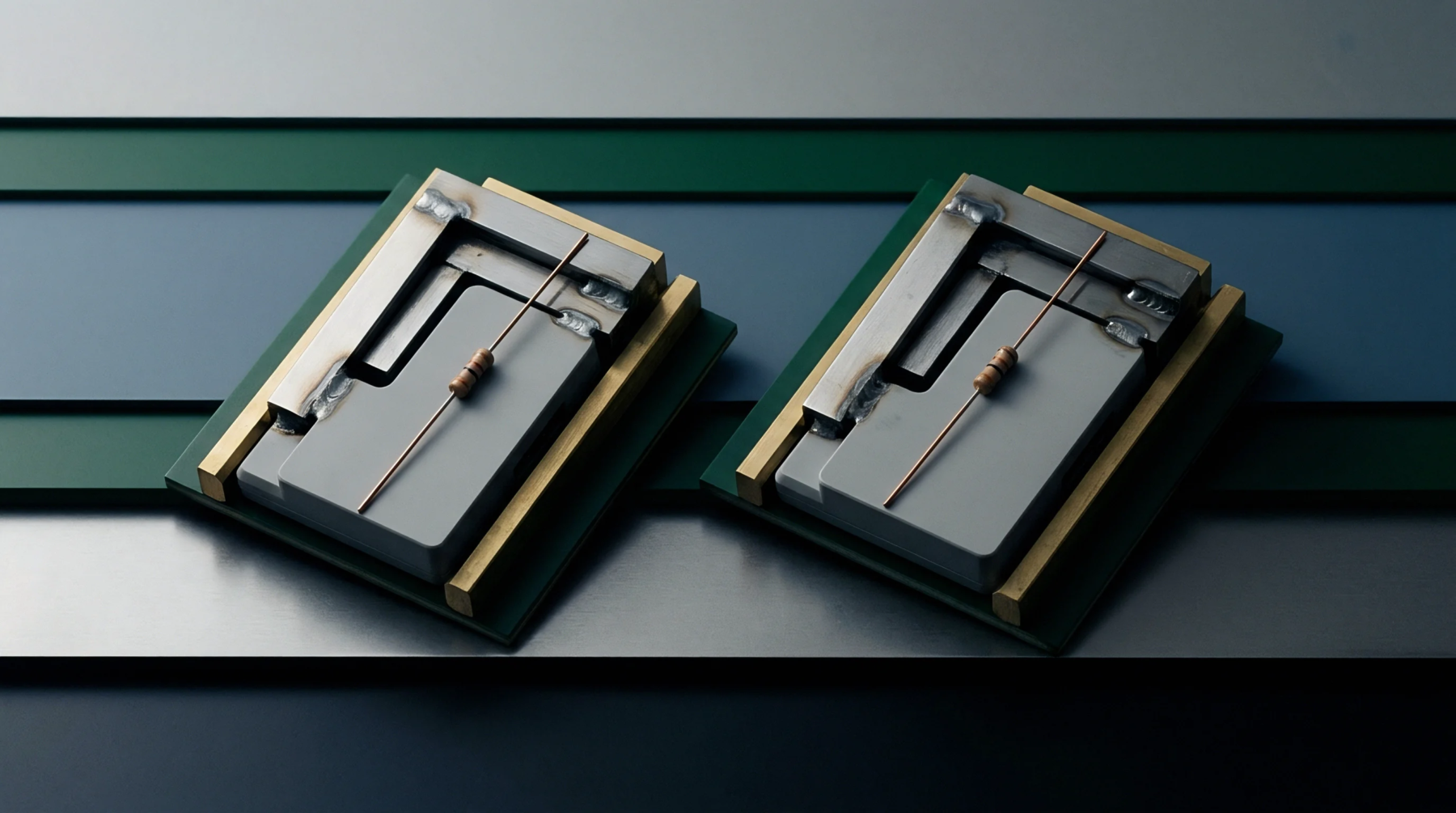
Resolving Anisotropic Permittivity in Woven Quartz Fluoropolymer Circuit Substrates
Woven quartz fluoropolymer substrates exhibit directional permittivity splits resolved through tensor modeling, 45-degree layout, and split-post testing.
Woven quartz fluoropolymer substrates exhibit directional permittivity splits resolved through tensor modeling, 45-degree layout, and split-post testing.
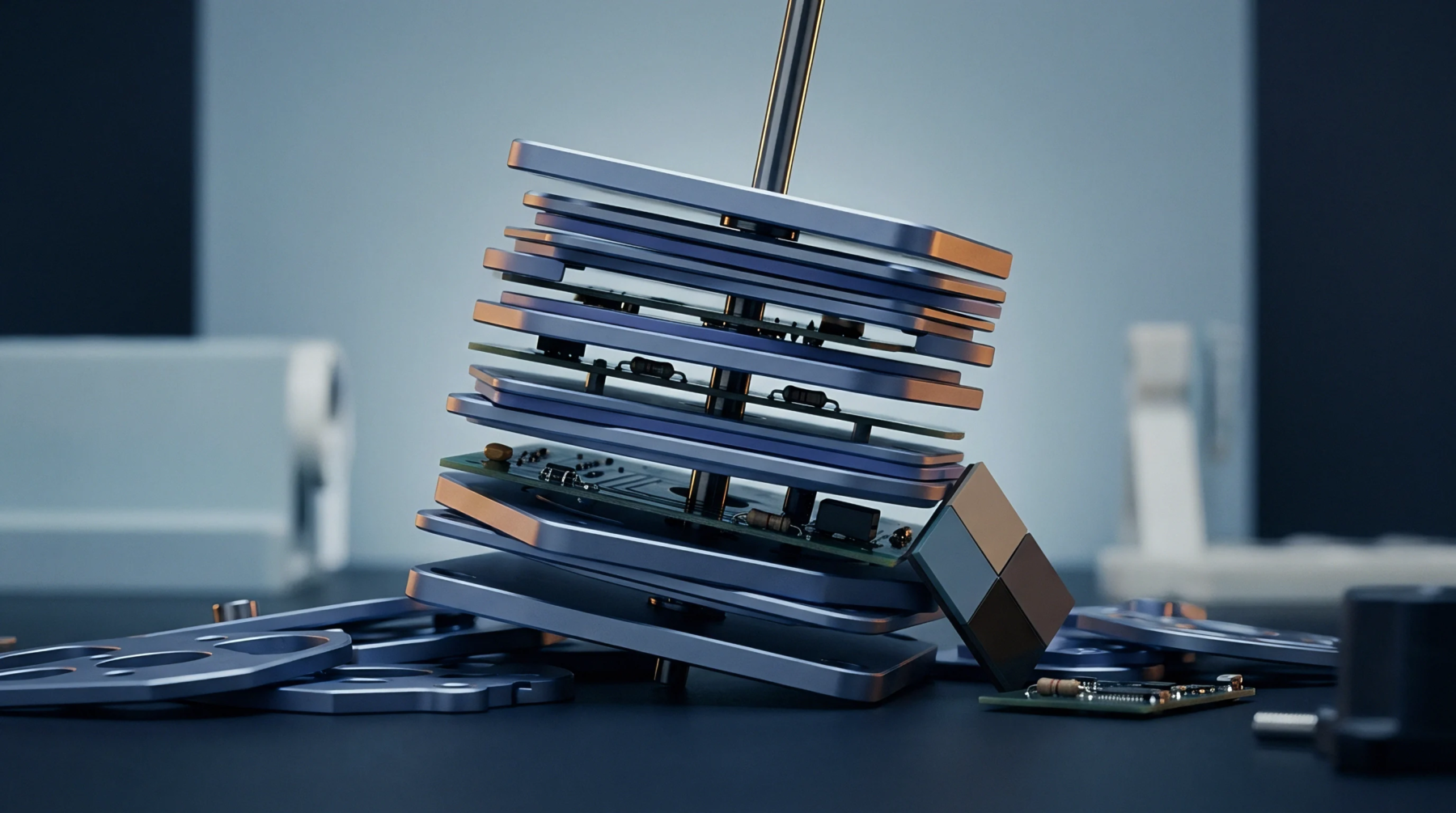
Copper surface roughness increases high frequency cavity conductor attenuation by extending skin current path length and degrading unloaded quality factor.
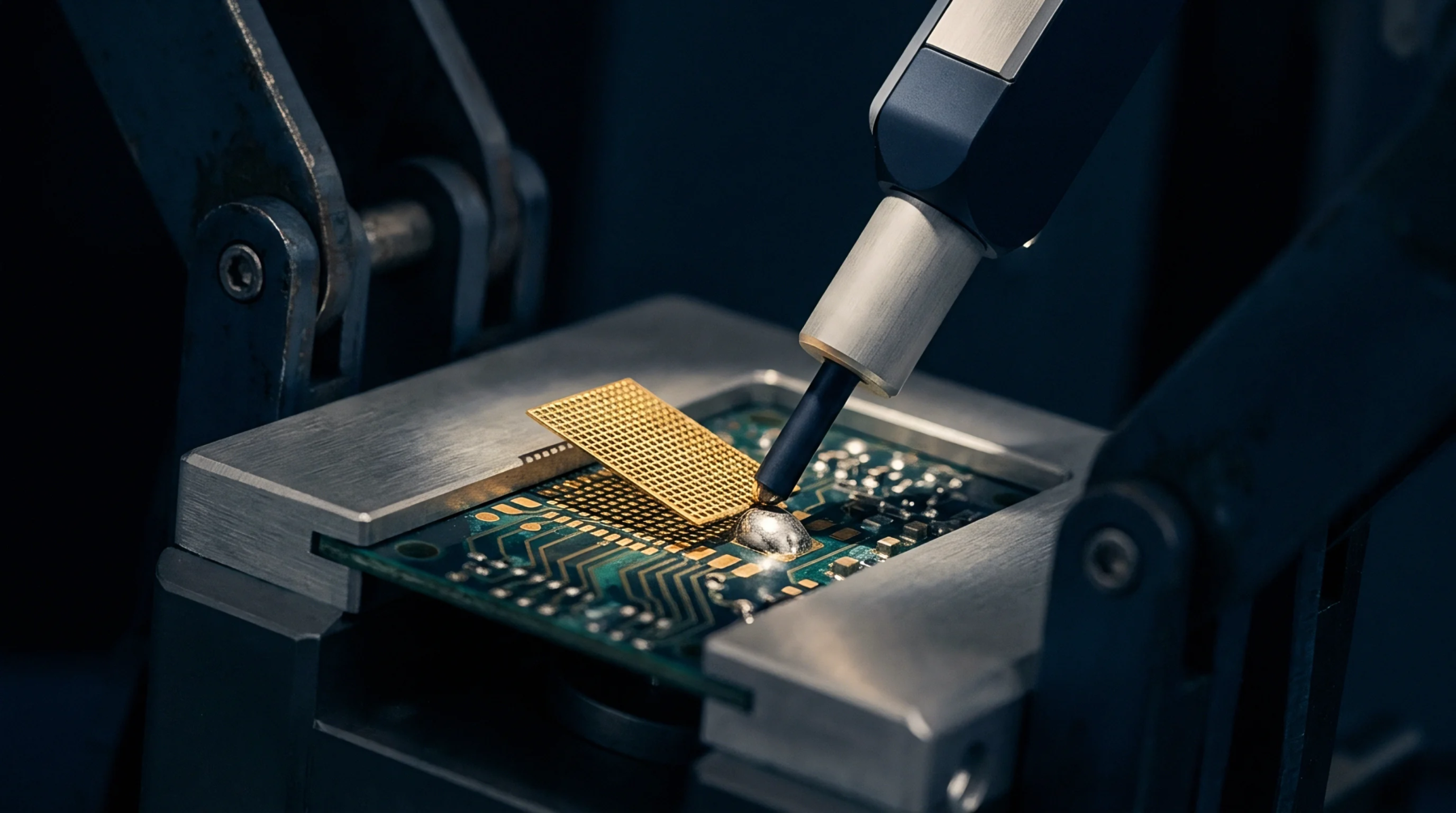
Mitigate PCB cavity damping by replacing lossy nickel finishes with immersion silver and controlling surface roughness below single skin depth.
Thermal expansion alters resin density, driving dynamic anisotropy shifts that detune millimeter-wave phase stability and coupling tolerances across temperature.
Substrate copper roughness exceeding skin depth dampens cavity quality factor by extending surface current paths, demanding 3D surface area profiling and incoming batch screening.
Characterizing spatial dielectric anisotropy under extreme thermal excursions prevents sub-THz phase distortion and catastrophic high-density packaging yield loss.
Spatial dielectric variation in glass laminates stems from weave periodicity and drives phase skew, requiring spread glass or angled routing to pass tight jitter budgets.
Expertise is a utility, not a secret. sentiention™ publishes its working knowledge as open reference: intelligence layer covering the materials it sources, the markets it enters, and the reference that serves both.