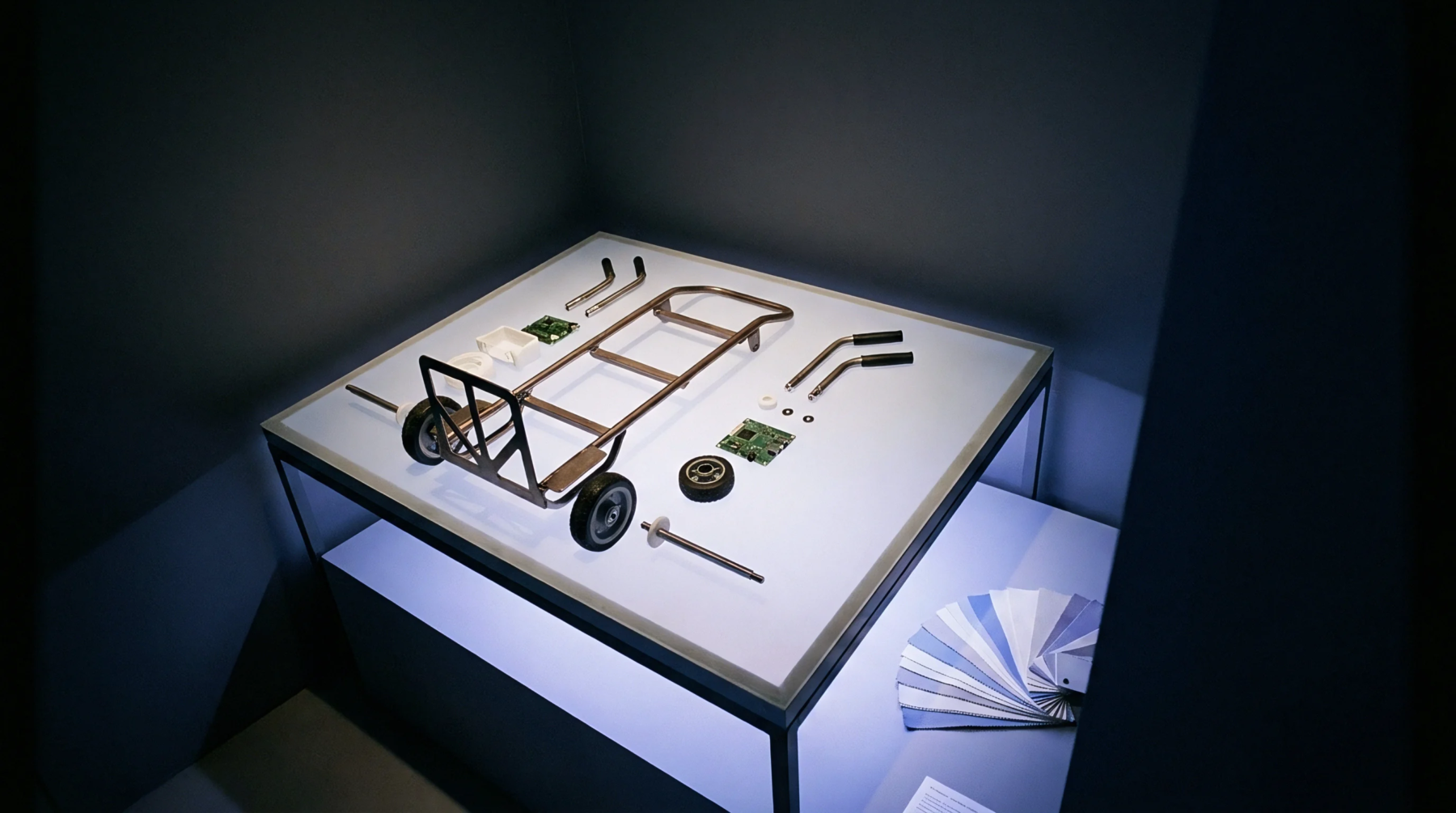
Grounding Thermal Dynamics in Gas Phase Reflow Assemblies
Gas phase reflow uses latent heat condensation to deliver uniform heating and zero temperature delta across heavy assemblies while vacuum stage lowers voiding.
Gas phase reflow uses latent heat condensation to deliver uniform heating and zero temperature delta across heavy assemblies while vacuum stage lowers voiding.
High-frequency acoustic phase inversion reveals submicron microvia delamination escaping electrical tests, saving $5.60 per unit over field warranty exposure.
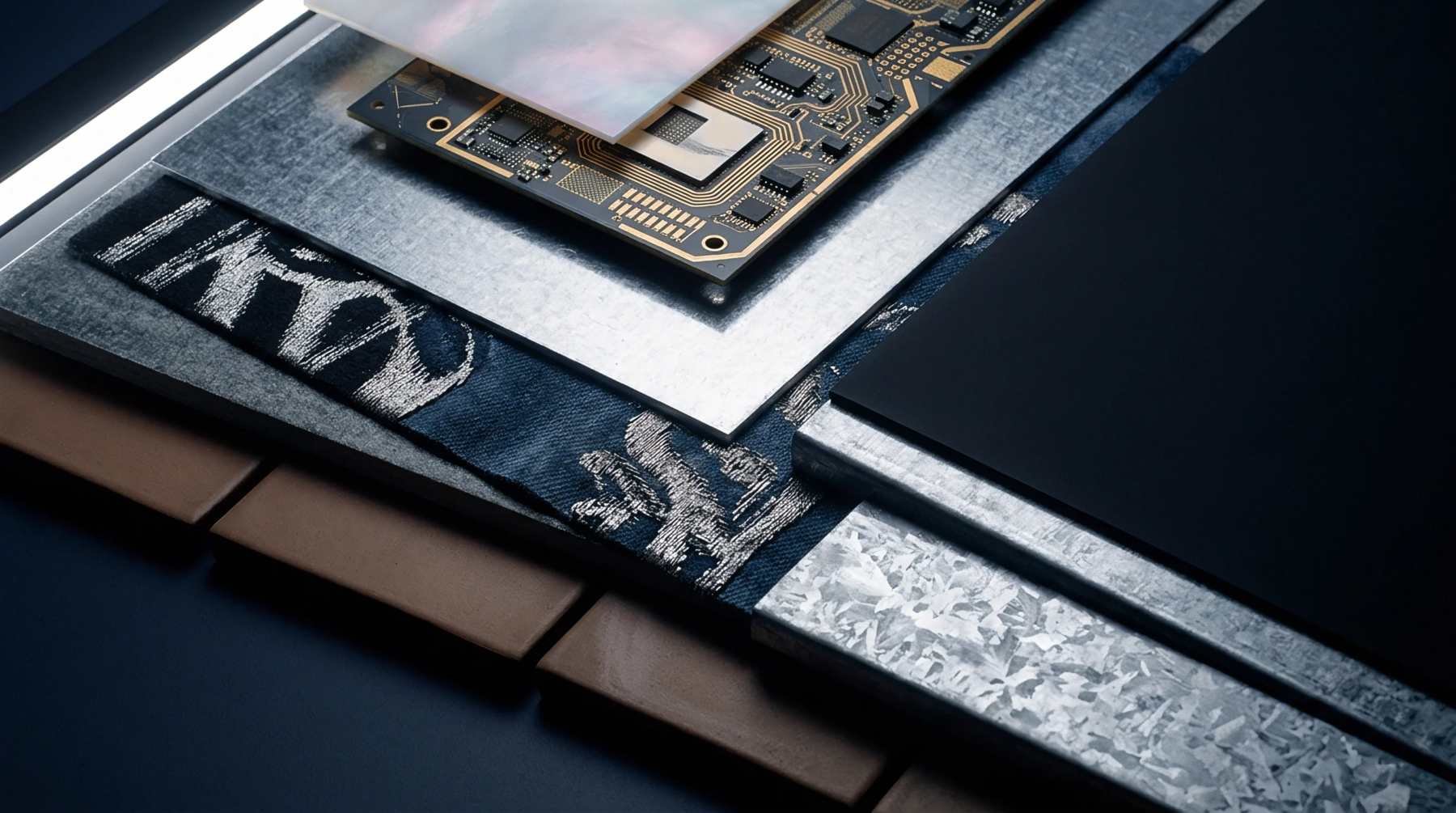
Statistical inspection bounds govern defect escape rates, defining commercial liability boundaries and scrap allocation across surface mount assembly lines.
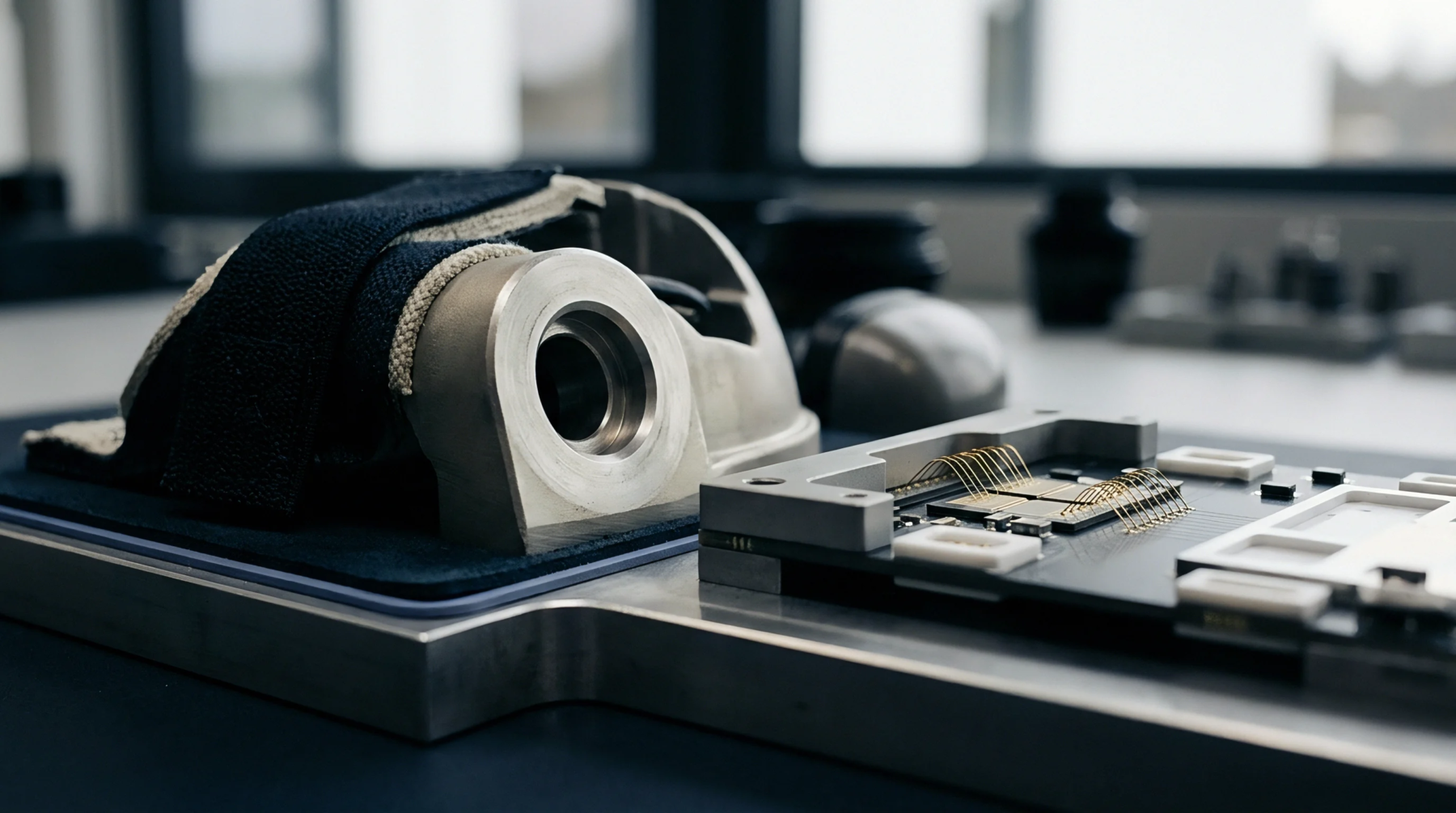
Secondary heat exposure accelerates intermetallic growth, causes void coalescence, and degrades solder joint mechanical strength across multiple reflow passes.
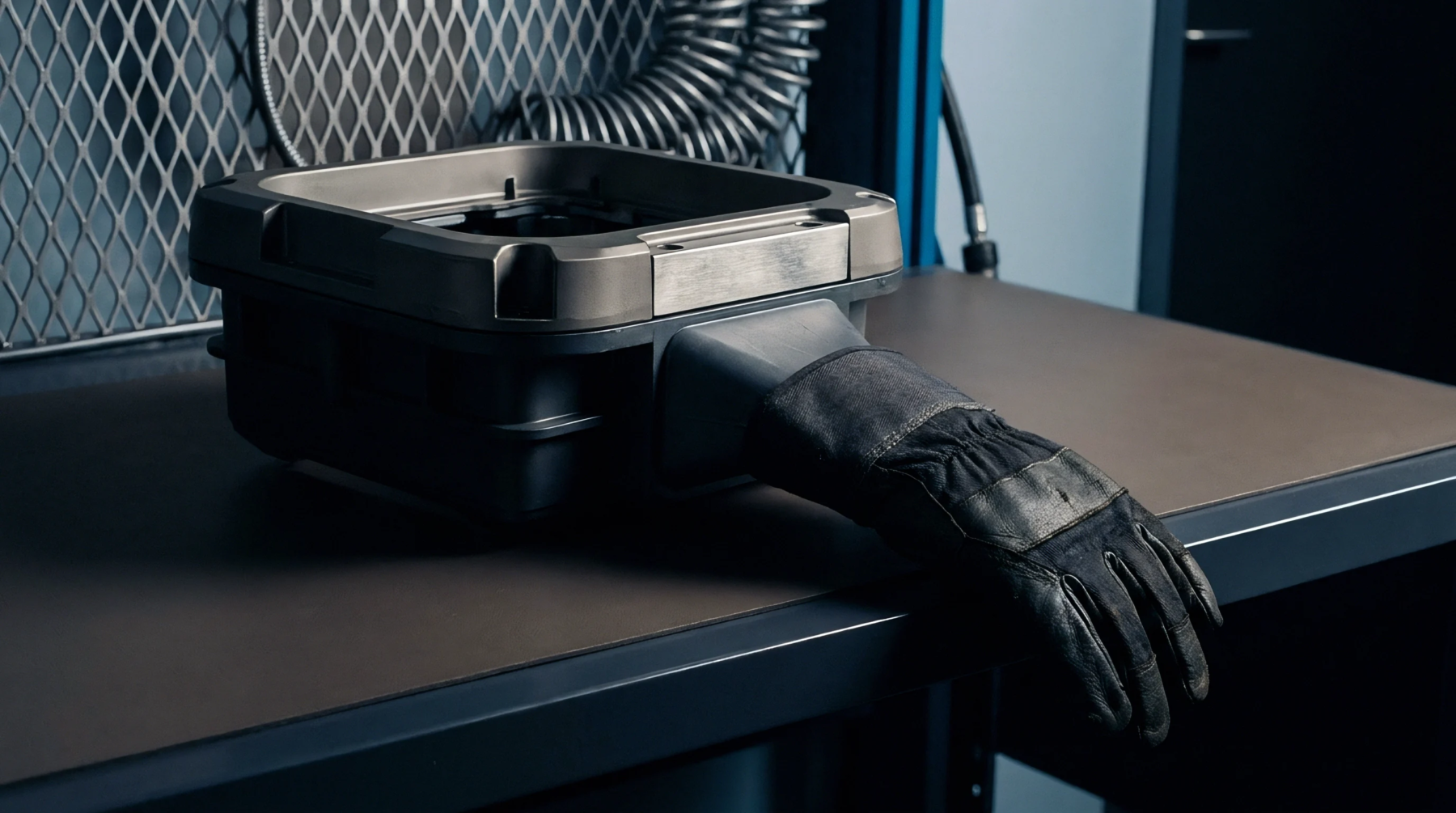
Micro-BGA intermetallic compound formation depends on peak reflow energy and thermal aging, where excessive layer thickness causes brittle interfacial failure.

DSC solvent evaporation endotherms set strict SMT preheat soak limits to clear high-boiling flux carriers before alloy reflow prevents joint voiding.
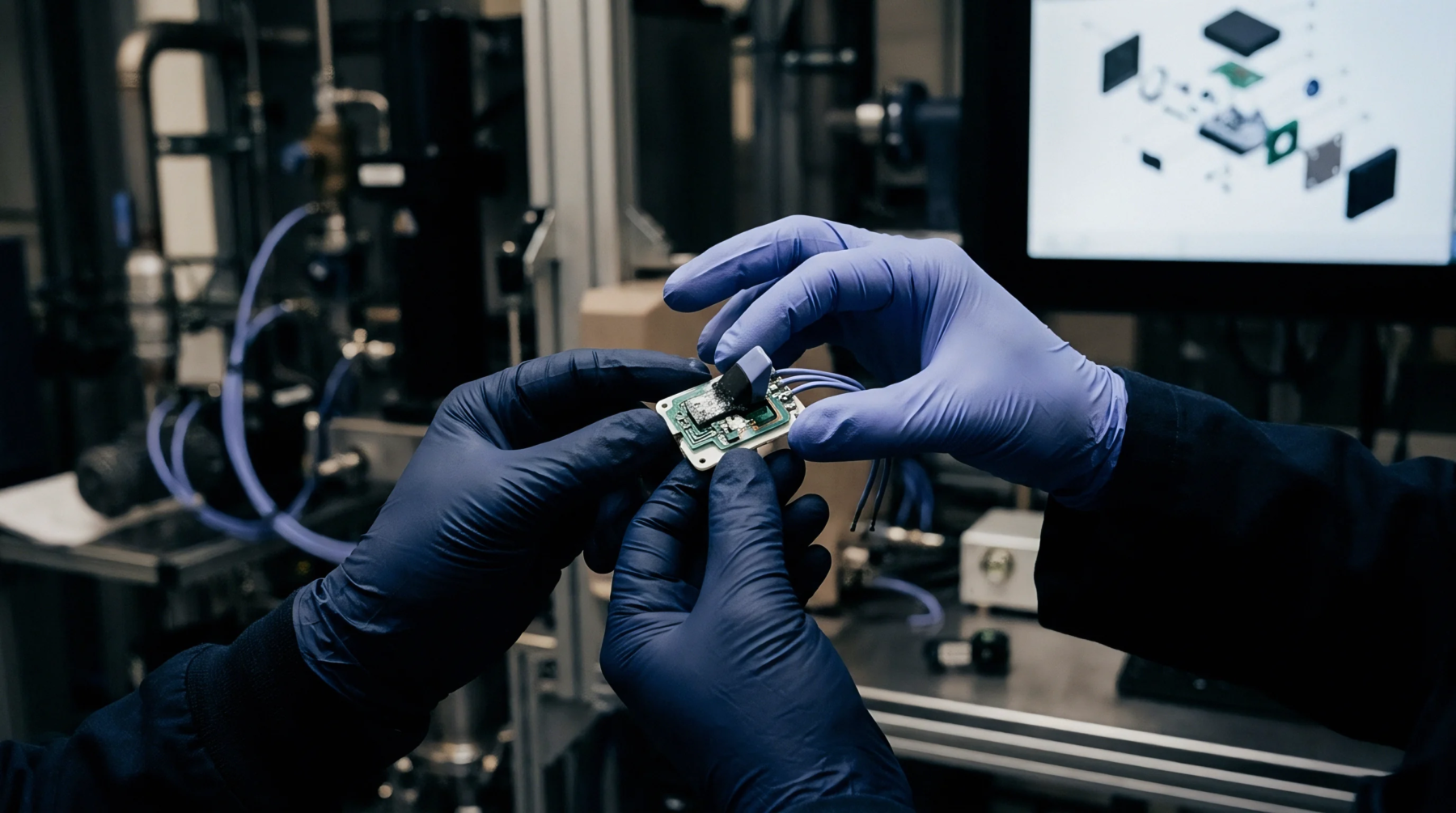
Thermogravimetric derivative mass loss peaks above liquidus reveal trapped volatile kinetics causing large area die voiding during reflow.

Minimizing assembly thermal gradients demands balanced board copper, tuned oven convection, and zoned soak profiles to shrink array temperature differentials.
Expertise is a utility, not a secret. sentiention™ publishes its working knowledge as open reference: intelligence layer covering the materials it sources, the markets it enters, and the reference that serves both.