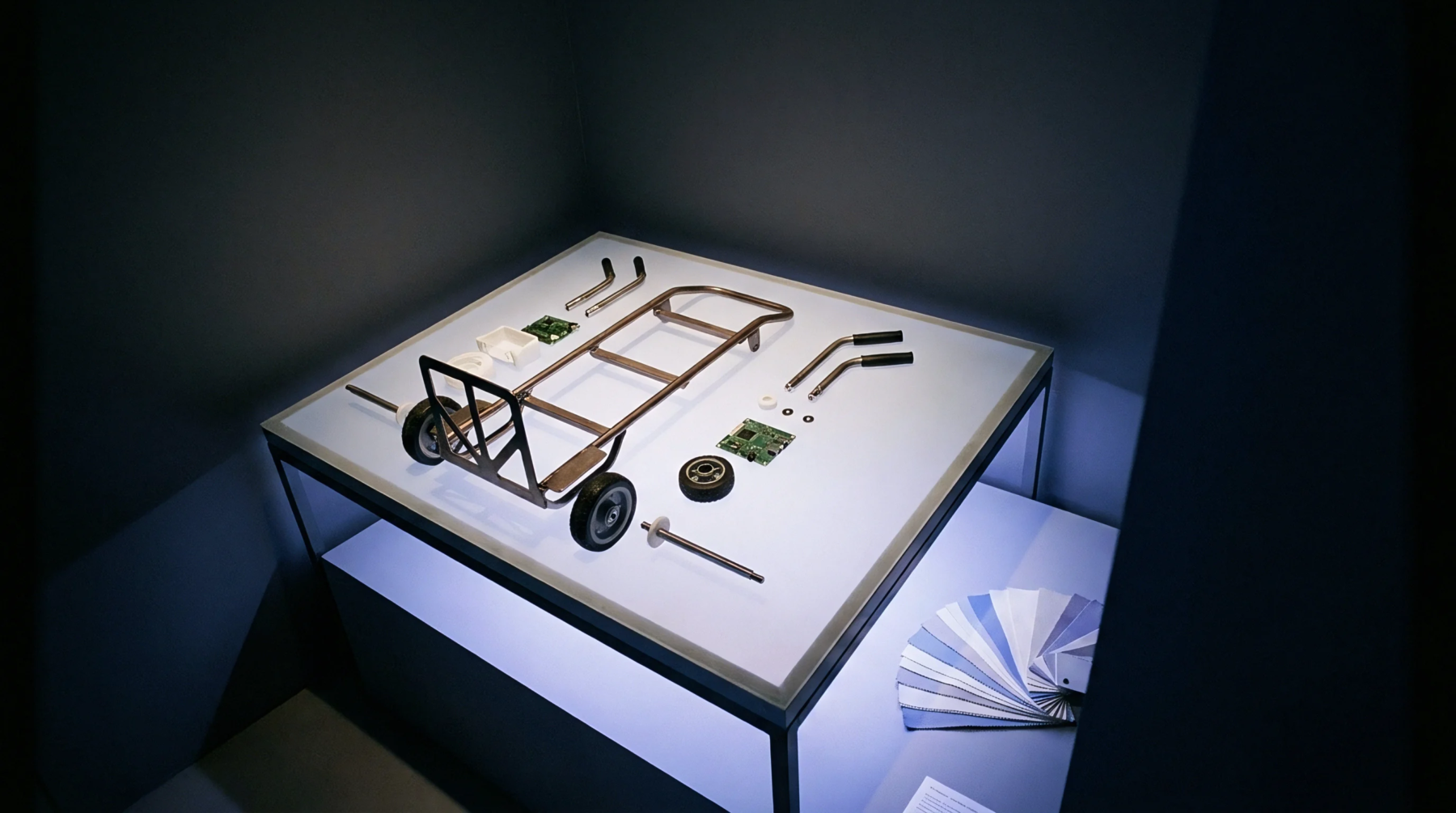
Grounding Thermal Dynamics in Gas Phase Reflow Assemblies
Gas phase reflow uses latent heat condensation to deliver uniform heating and zero temperature delta across heavy assemblies while vacuum stage lowers voiding.
Gas phase reflow uses latent heat condensation to deliver uniform heating and zero temperature delta across heavy assemblies while vacuum stage lowers voiding.

Quantifying microcrack defect escape rates requires coupling dynamic in situ event detection with accelerated thermal screening to intercept latent joint opens.
AES depth profiling of intermetallic layers requires sub-kilovolt ion sputtering with sample rotation to prevent knock-in distortion and preserve interfaces.
Intermetallic thickness growth follows parabolic kinetics; derive activation energy and pre-exponential constants via multi-temperature Arrhenius slope regression.
Solid state intermetallic growth degrades lead-free solder joints through parabolic Cu3Sn layer thickening and Kirkendall void embrittlement under thermal aging.
Heavy copper selective soldering balances thermal immersion against rapid dissolution by controlling nozzle drag velocity and bath copper saturation levels.
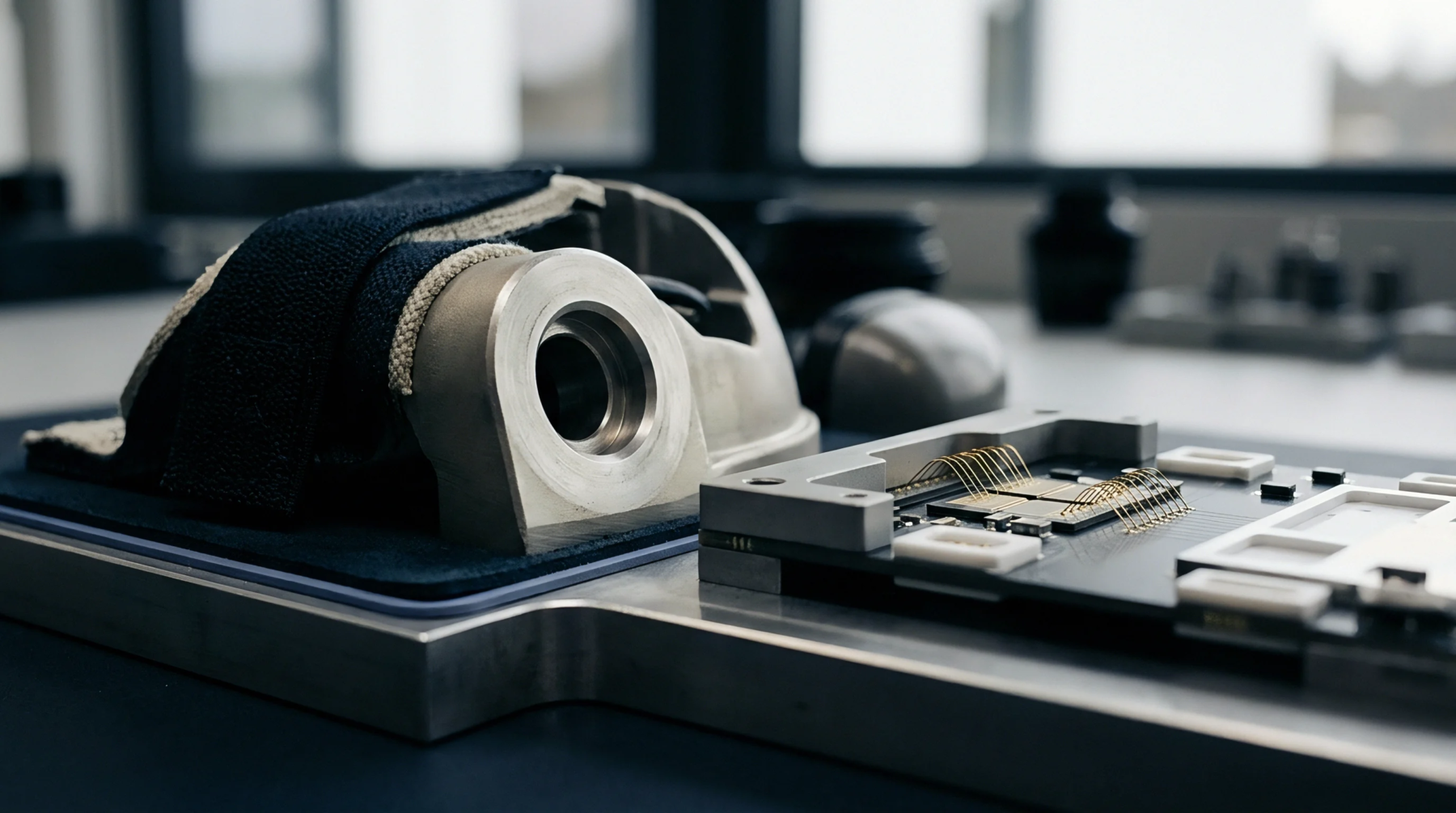
Secondary heat exposure accelerates intermetallic growth, causes void coalescence, and degrades solder joint mechanical strength across multiple reflow passes.
Micro-BGA intermetallic compound formation depends on peak reflow energy and thermal aging, where excessive layer thickness causes brittle interfacial failure.
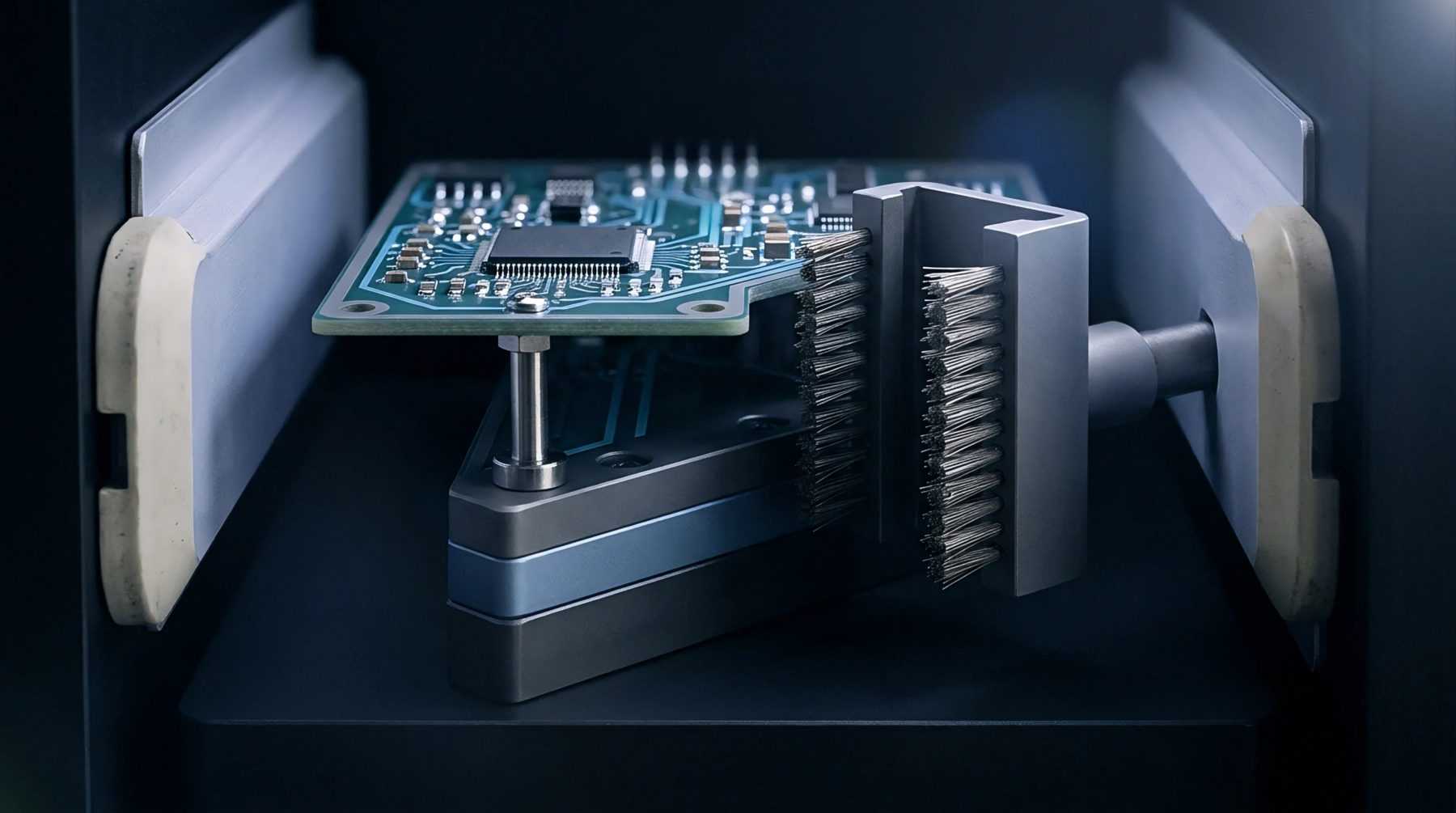
Microvoid coalescence under thermal cyclic strain stems from creep-fatigue interaction at intermetallic layers, requiring EBSD and strain partitioning to prove.
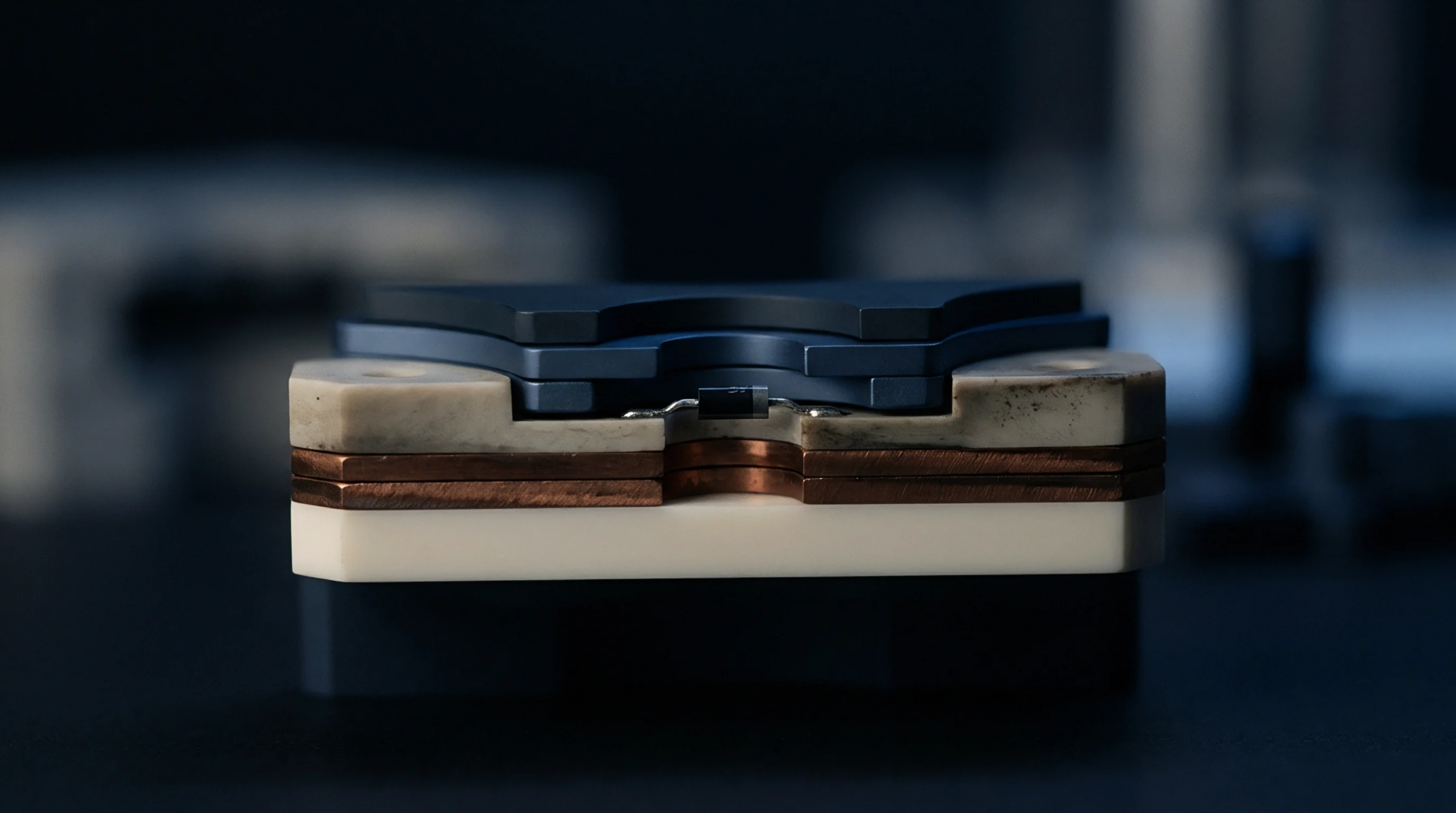
Optimize SAC305 reflow profiles between 235-248°C with 45-75s TAL and 3-5°C/s cooling to limit interfacial intermetallic growth and prevent brittle joint failure.

High density circuit board surface finishes require tight thickness boundaries to prevent nickel hyper-corrosion, black pad, and solder joint embrittlement.
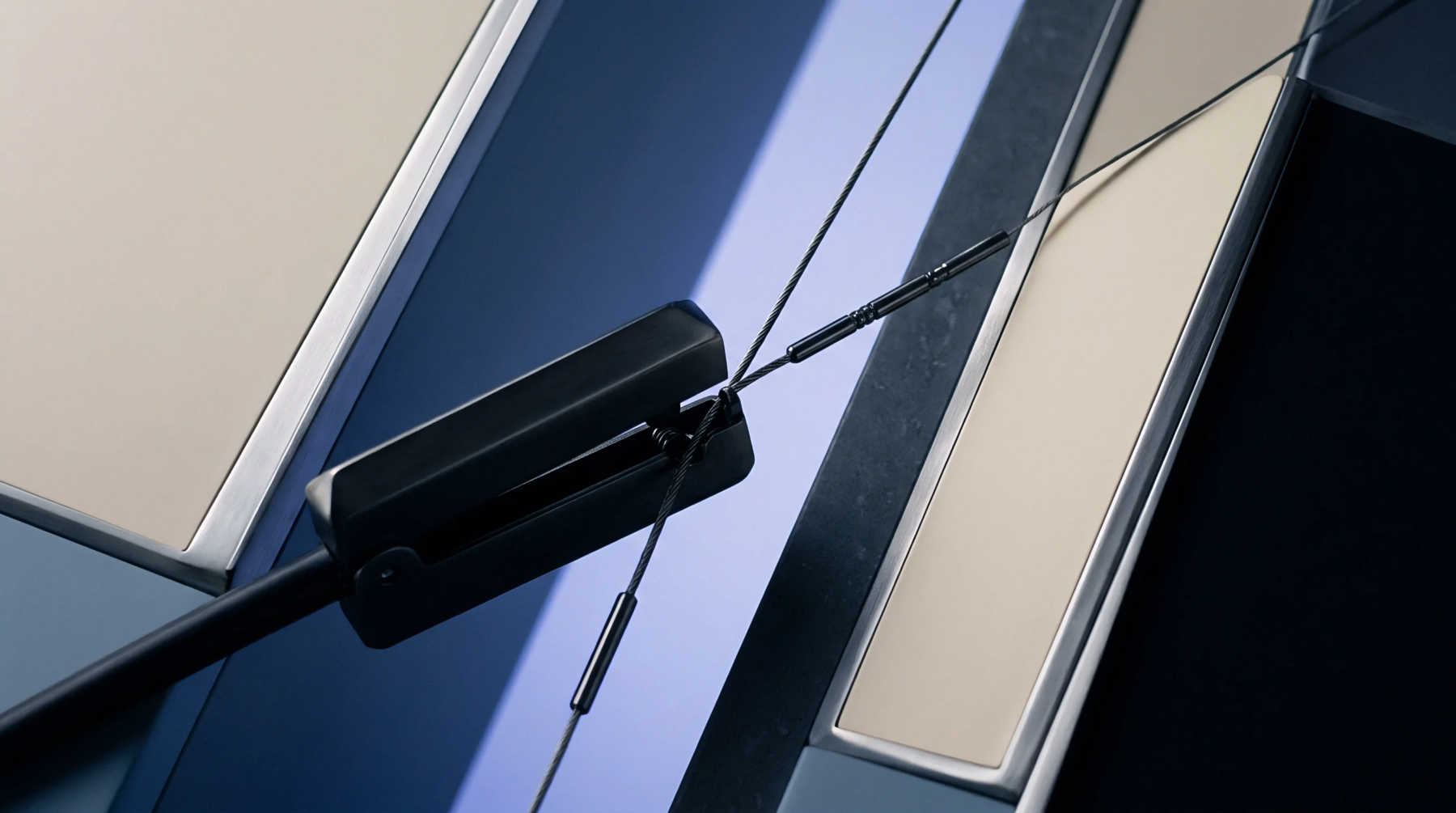
Maintaining residual oxygen under 10 ppm in selective soldering shrouds limits heavy copper sleeve dissolution to under five micrometers per pass.
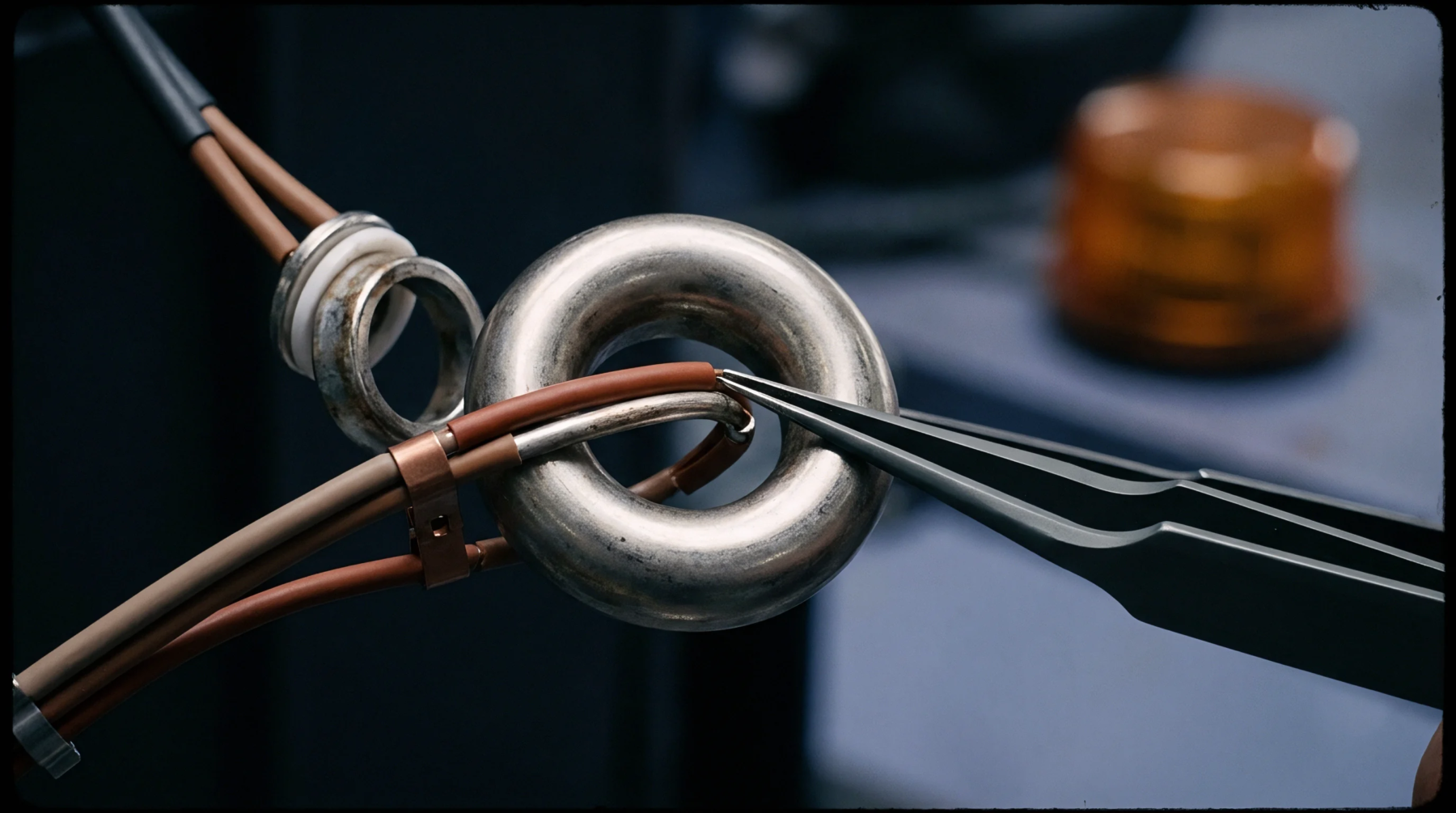
IPC Class 3 compliance requires minimum 75 percent vertical barrel fill and under 15 percent internal voiding verified via precision microsectioning.
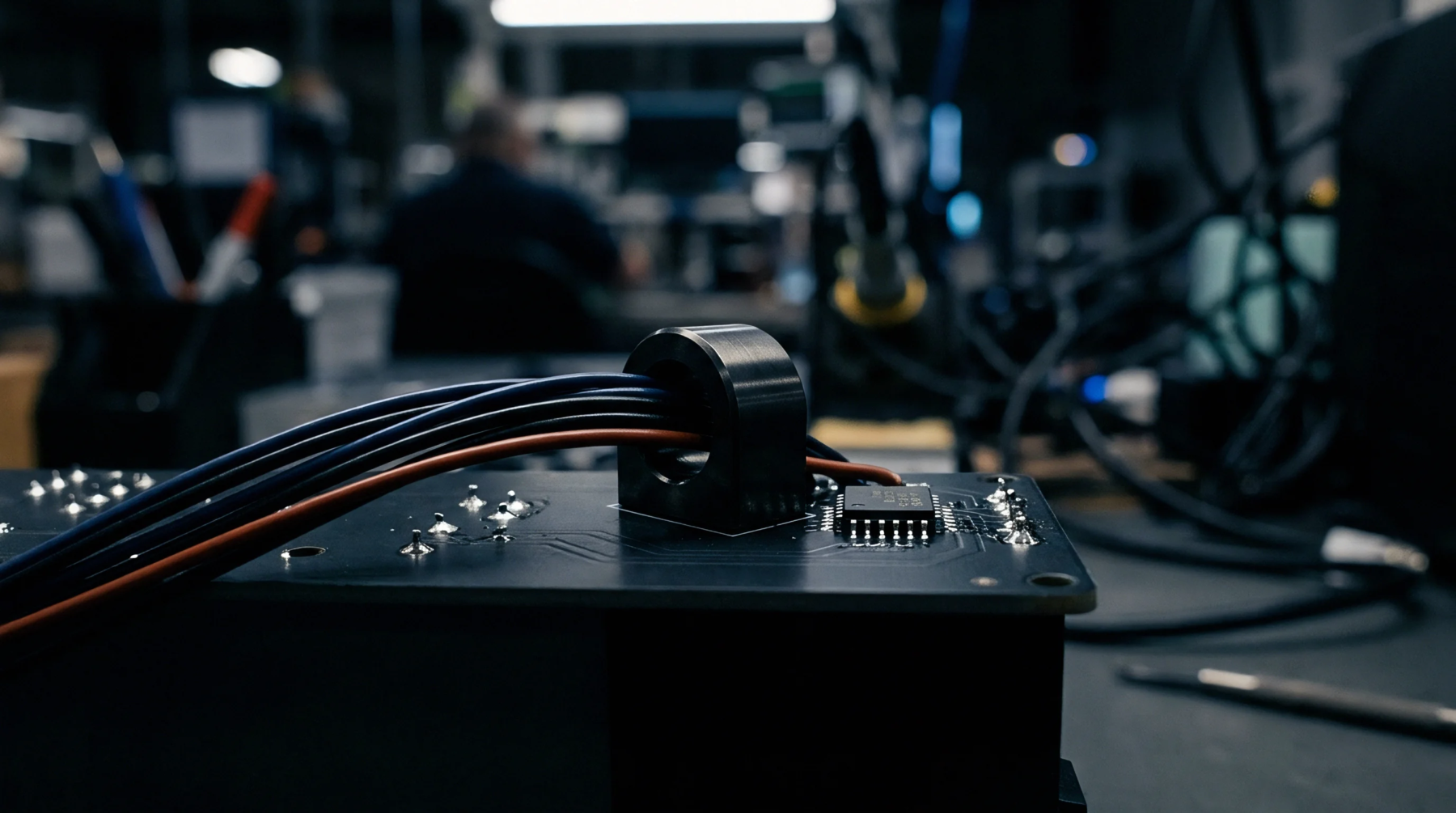
Intermetallic growth control and thermal profile validation prevent latent BGA fracture defects before boards leave the line.

Allocating latent defect risk in advanced assembly relies on defined screening limits, clear warranty triggers, and empirical root-cause testing formulas.
Expertise is a utility, not a secret. sentiention™ publishes its working knowledge as open reference: intelligence layer covering the materials it sources, the markets it enters, and the reference that serves both.