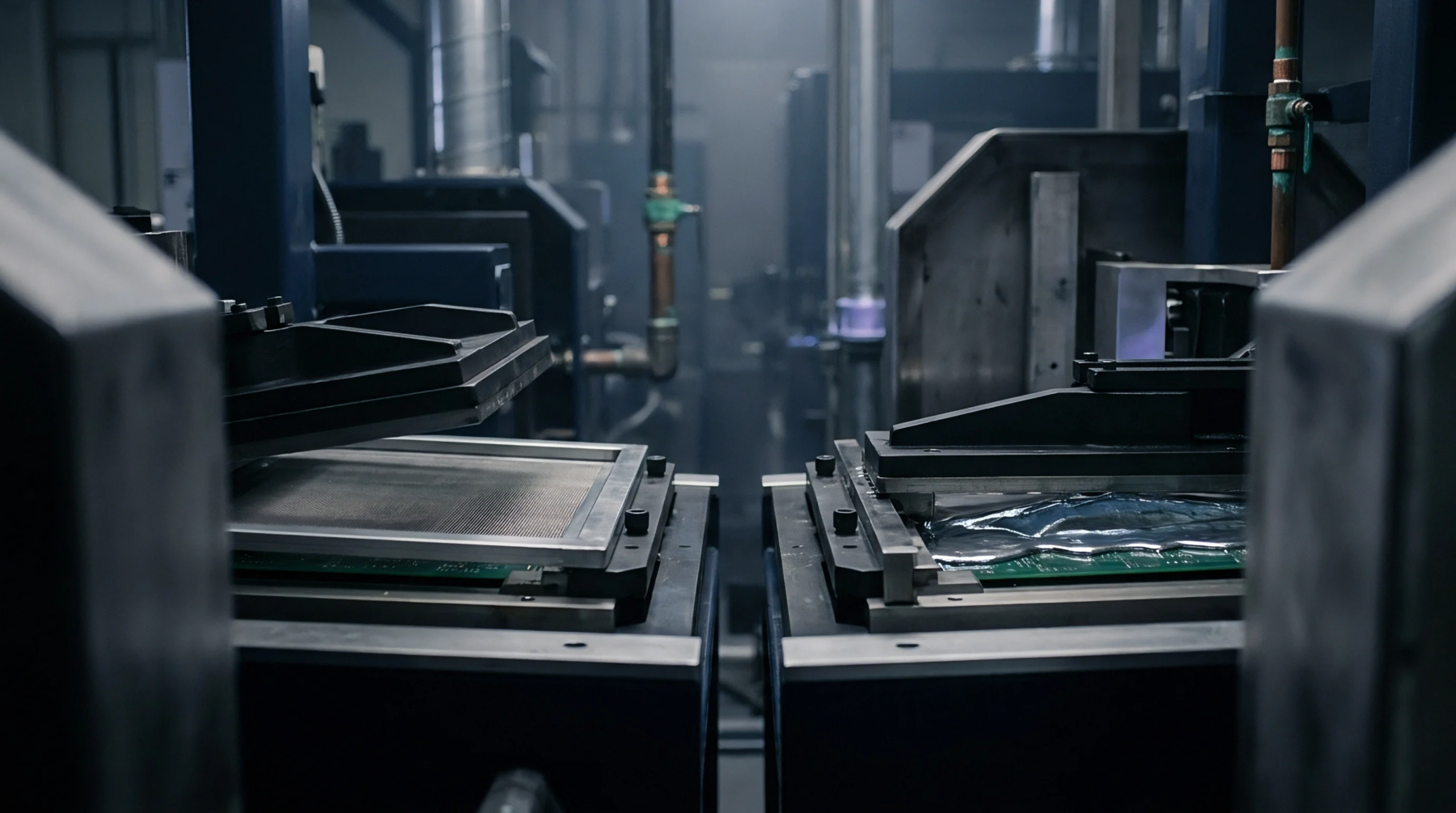
Ultra Smooth Foil Interface Mechanics in Multilayer Board Lamination
Ultra-smooth foil lamination trades mechanical tooth for chemical bonding, demanding tightly controlled press viscosity windows to avoid delamination.
Ultra-smooth foil lamination trades mechanical tooth for chemical bonding, demanding tightly controlled press viscosity windows to avoid delamination.

Moisture absorption along hydrolyzed glass silane interfaces causes severe high-frequency dielectric loss and phase drift under continuous damp heat exposure.
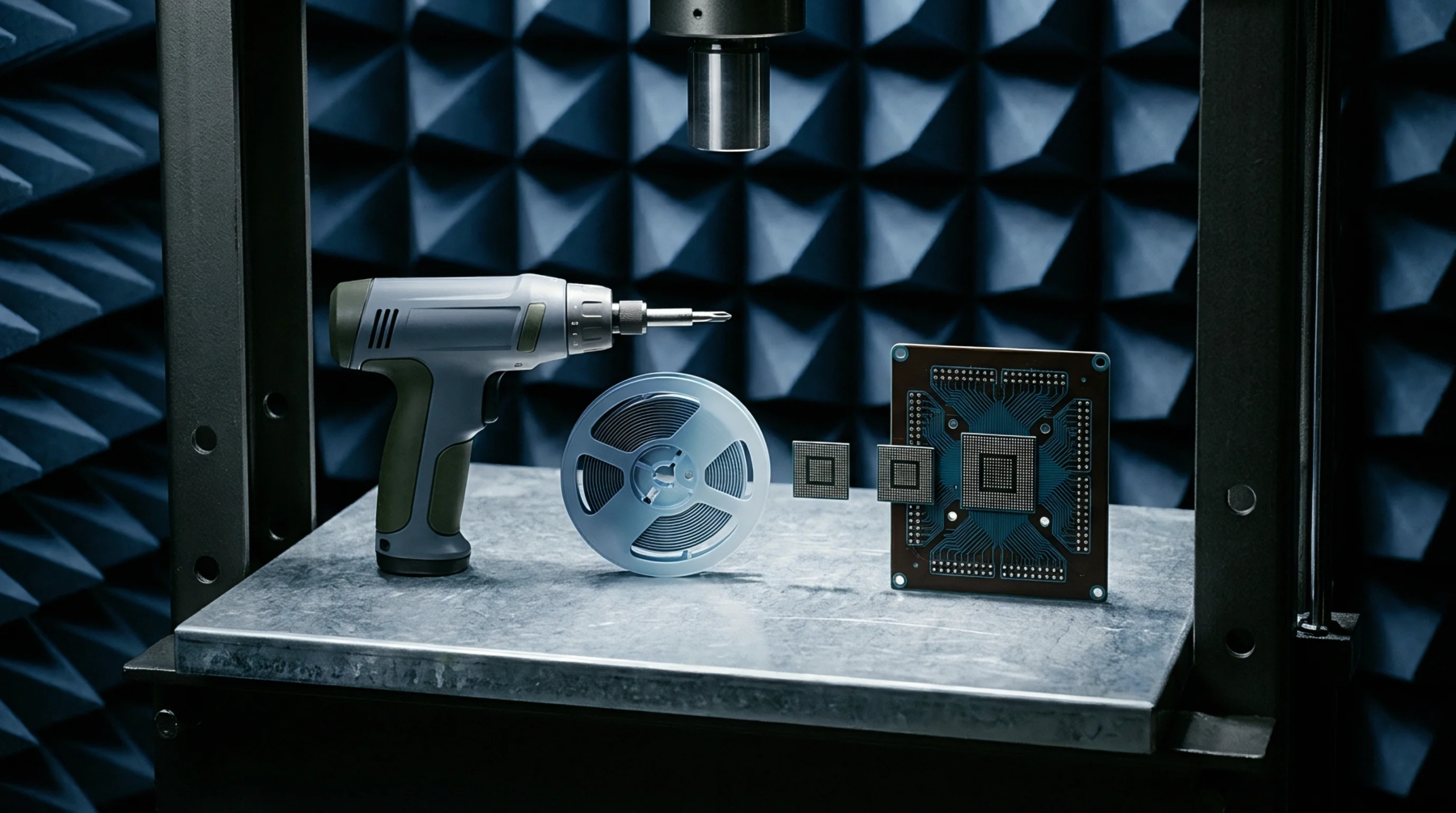
Accelerated stress screening hours convert to consumed operational lifespan through empirical fatigue models, bounding test duration to clear infant mortality without inducing premature wear-out.
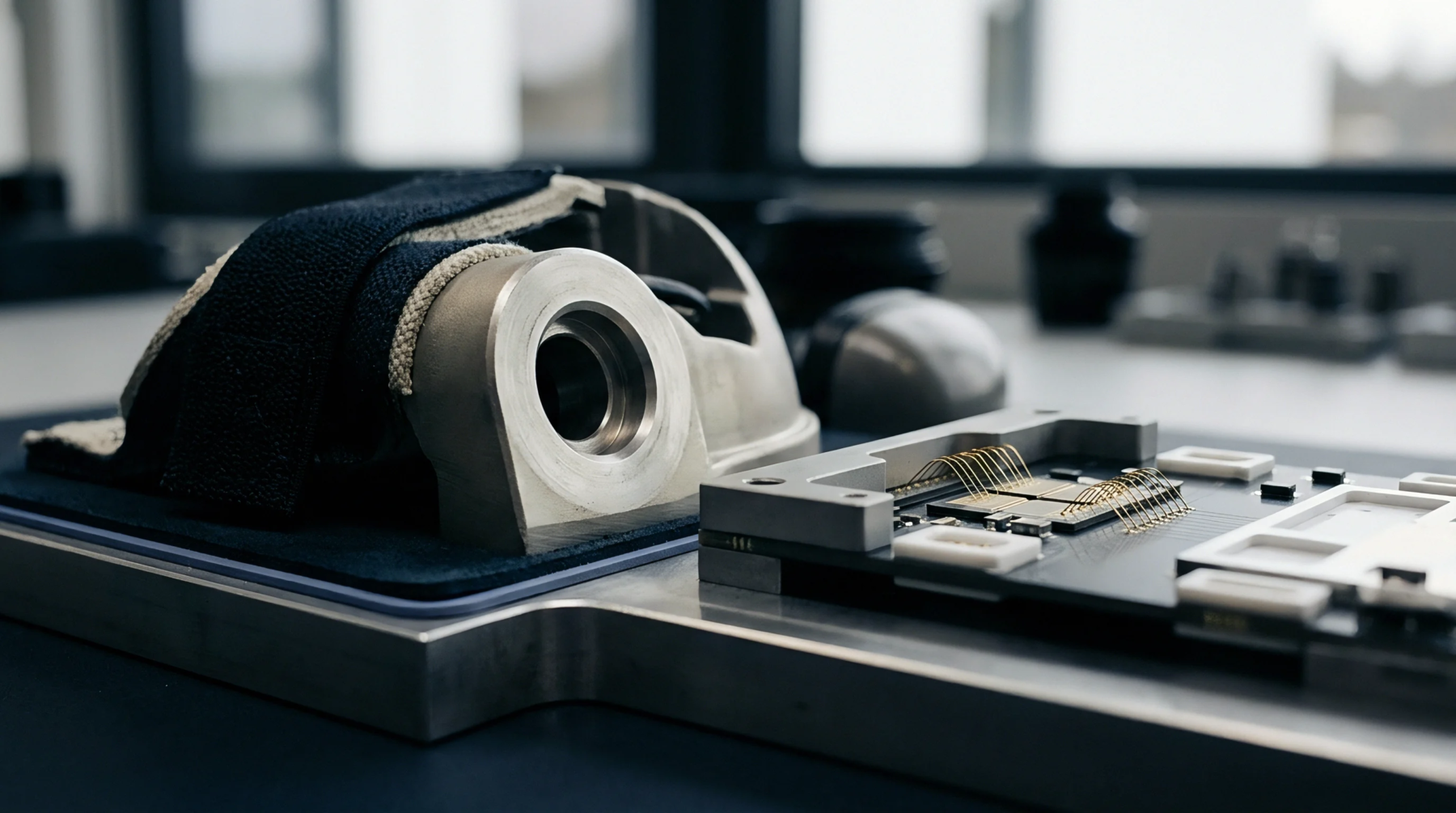
Non-equilibrium field extraction pinpoints microscopic copper nodule singularities to prevent partial discharge and dielectric breakdown in thin PCB laminates.

Low-frequency DC probing misses high-speed differential symmetry defects, requiring combined TDR, AC scan, and S-parameter metrics to bound structural escapes.
Sub-tier material drift erodes high-reliability board margins; mathematical risk modeling and rigorous chemical dossier validation eliminate latent field escapes.
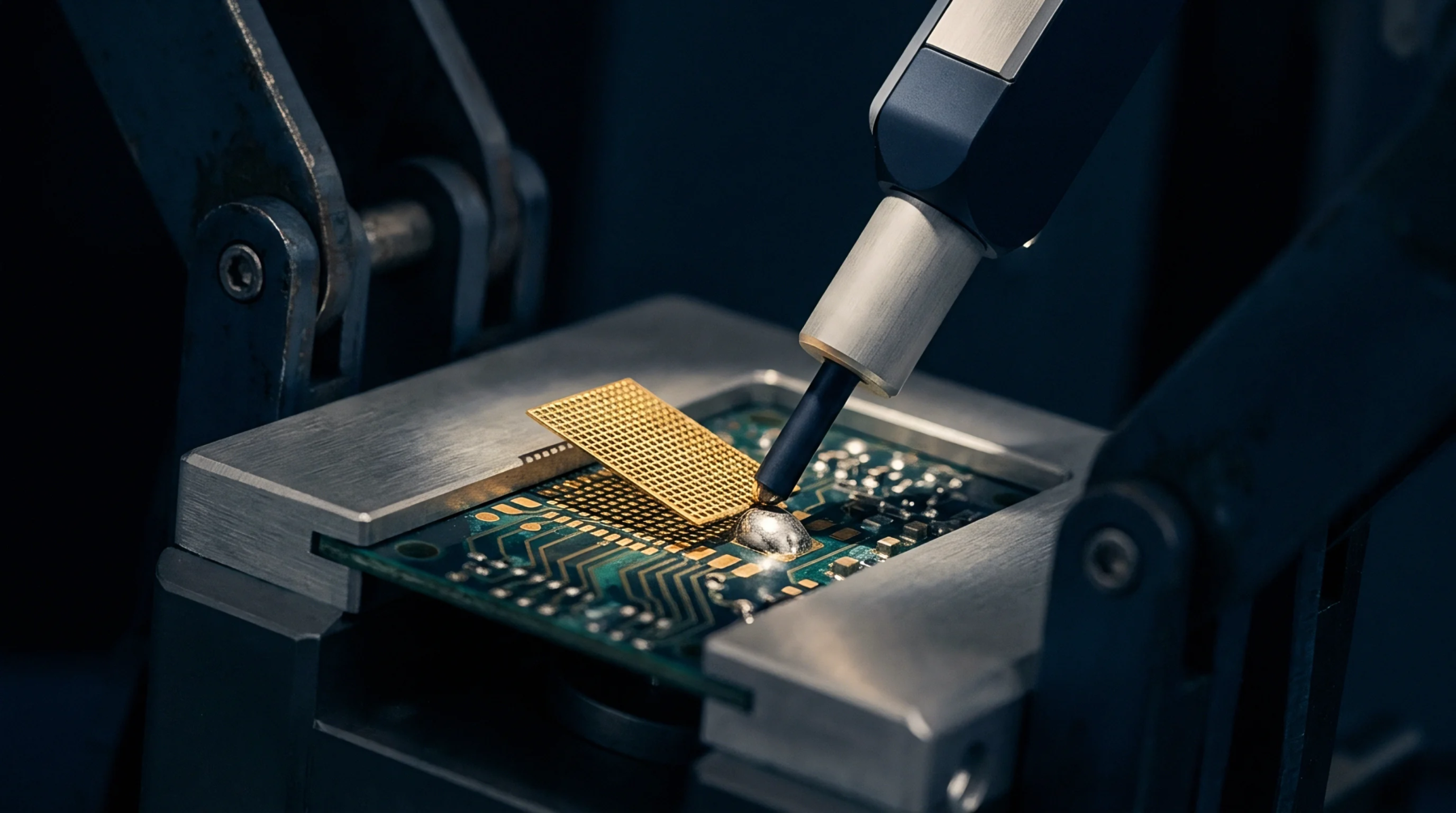
Phase-separated current extraction during low-frequency biased insulation testing isolates true resistive leakage from capacitive displacement currents.
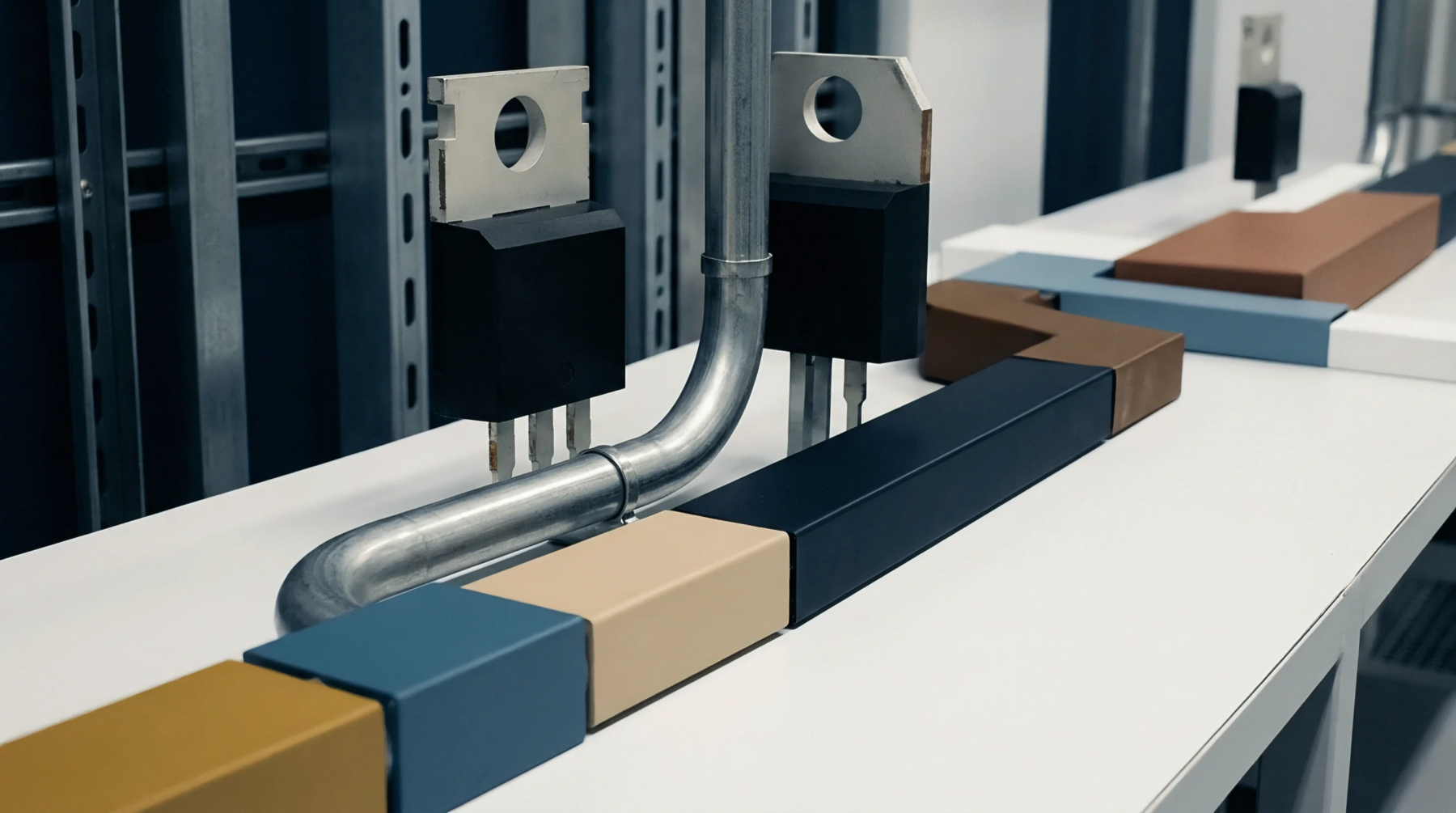
Quantifying composite matrix degradation requires depth-resolved FTIR and nanoindentation to track silane debonding and Tg loss from unreacted acid flux.
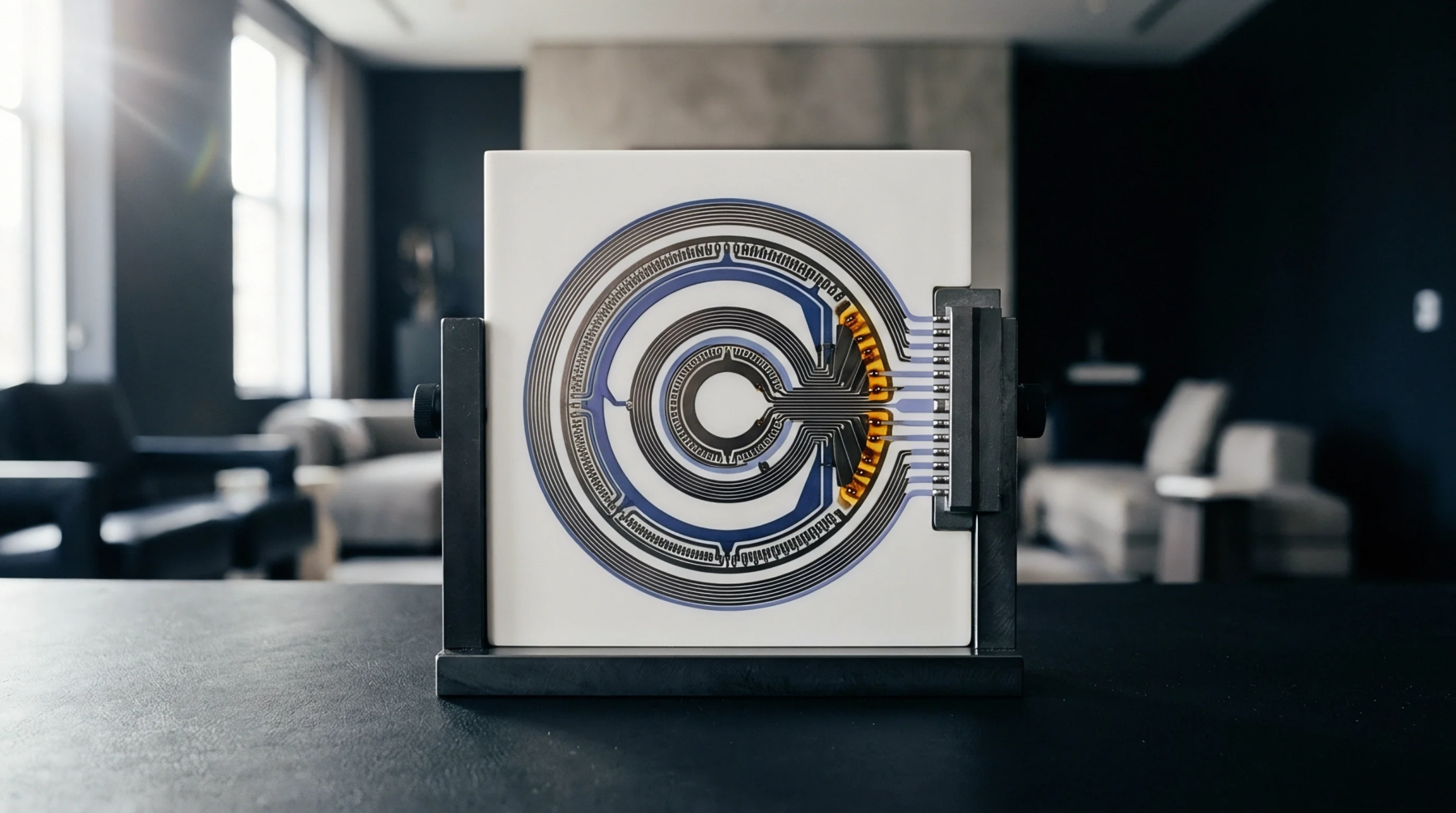
Standardizing low-Dk spread glass requires matching glass chemistry with mechanical yarn flattening to eliminate differential skew and fix impedance tolerances.
Characterizing boundary micro-cracking in peripheral via core laminates requires high-frequency S-parameter testing and acoustic microscopy beyond DC continuity checks.
IPC-4101 slash sheets establish mandatory baseline physical, thermal, and electrical limits that override generic trade names to enforce material reliability.
Bare board insulation resistance testing requires minimum 100MΩ thresholds at 100V DC under IPC-9252B Class 3 to prevent electrochemical migration escapes.
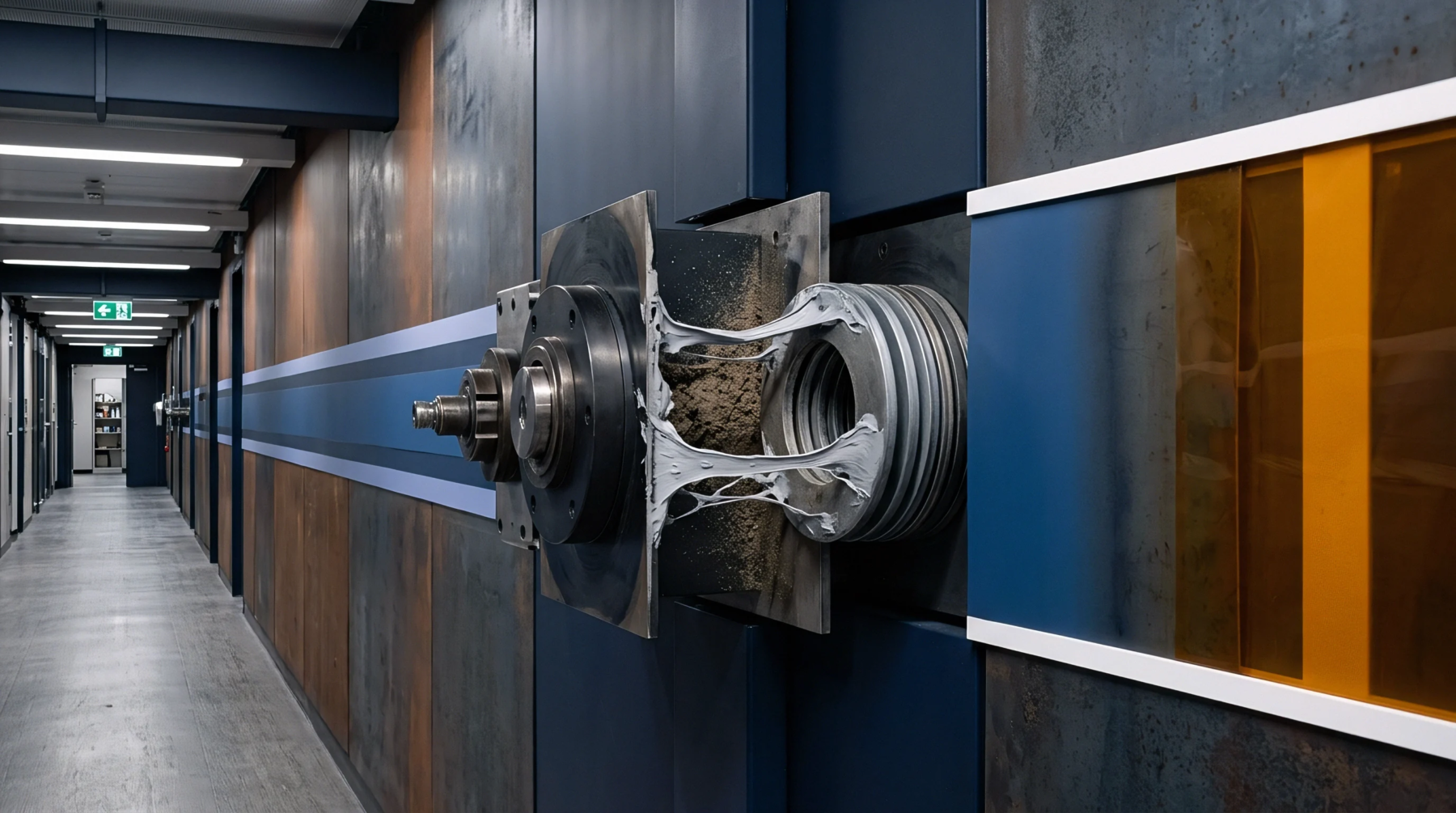
Sub-tier documentation decays as component revisions occur without notice; buyers maintain technical files through physical chemical audits and strict lot validation.
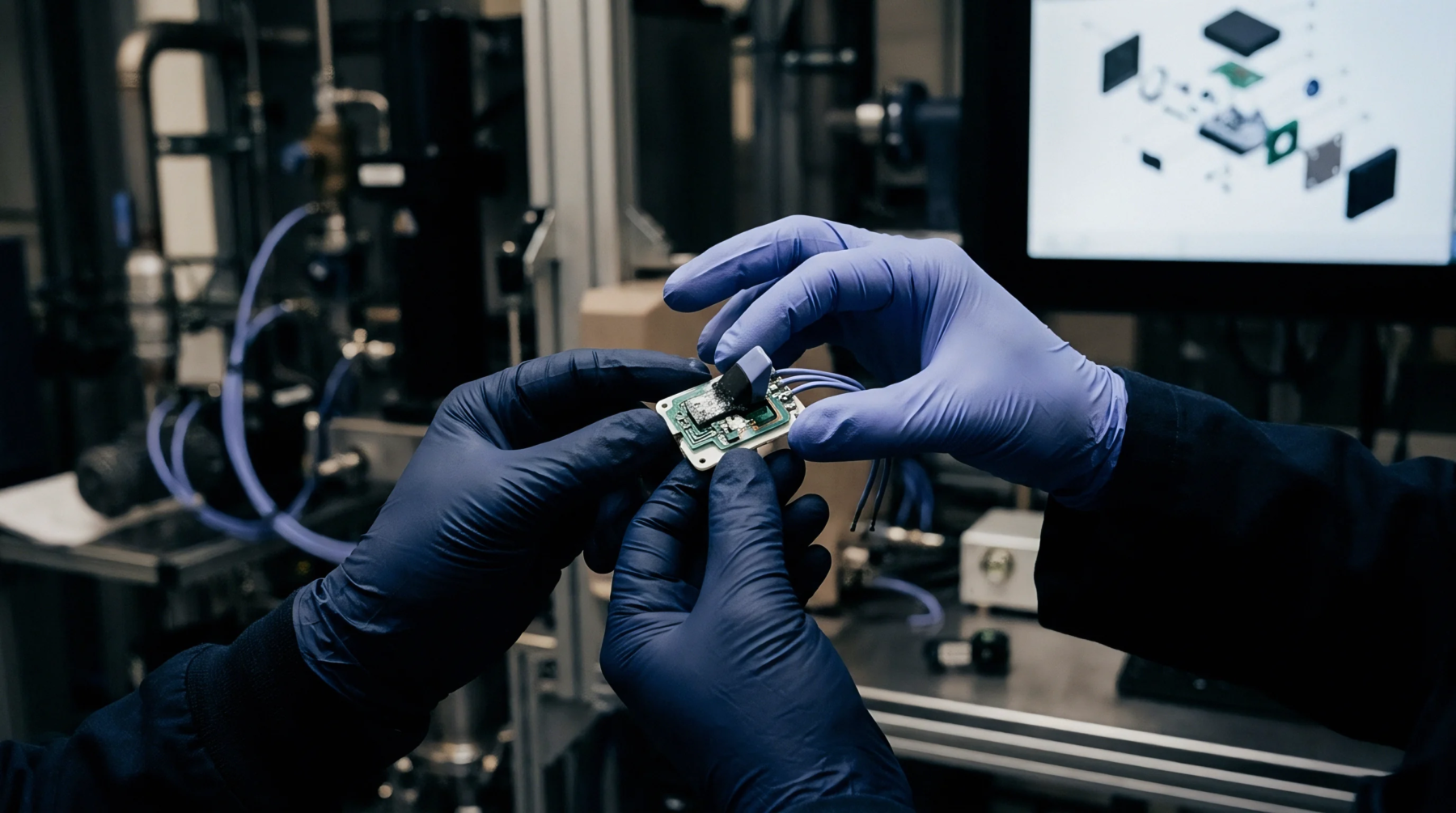
Mid-loss laminates paired with low-roughness copper foil match high-cost ultra-low-loss performance at a fraction of the raw panel price.
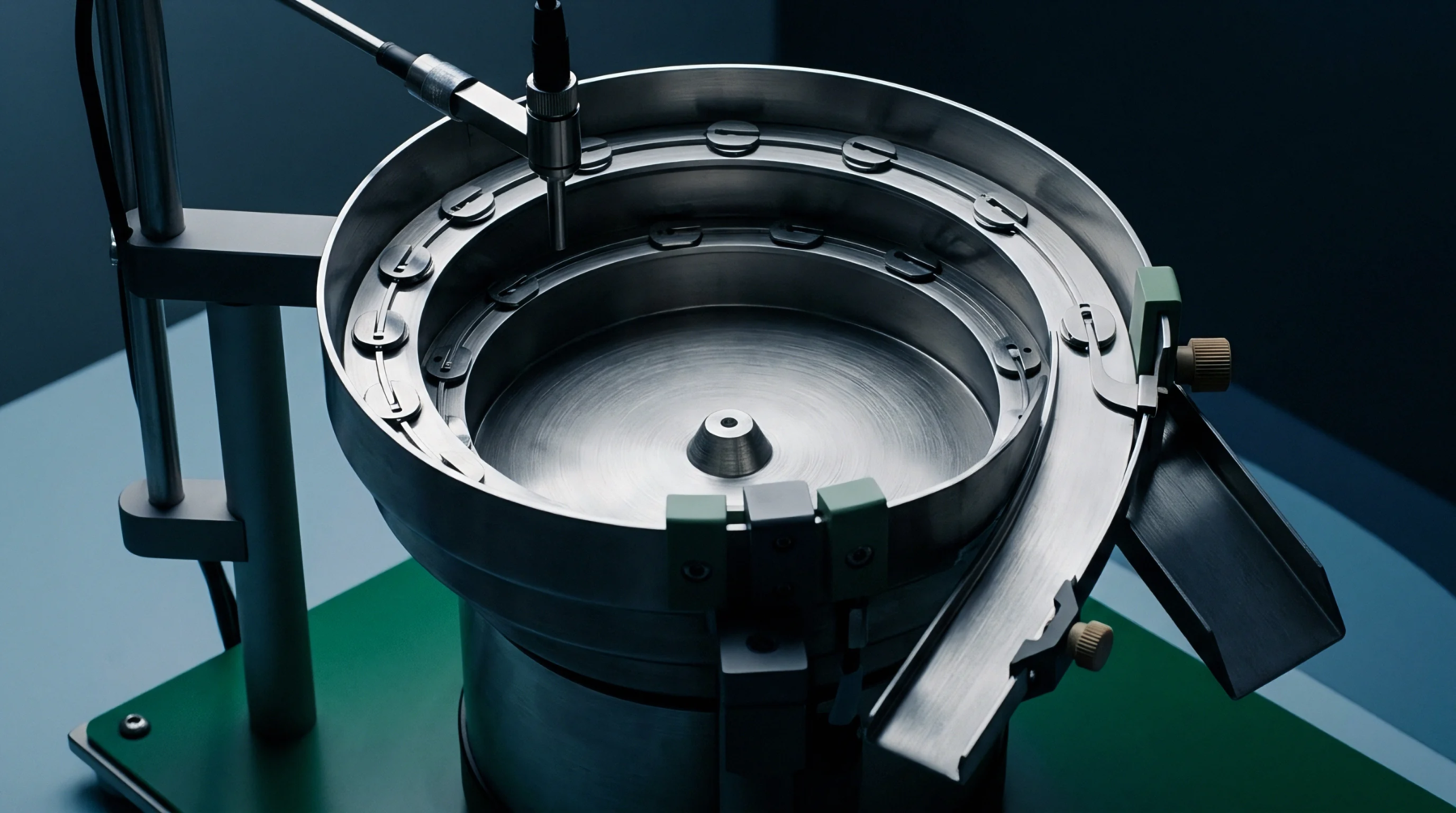
Bench-top spatial magnetic scanning isolates subsurface circuit leakage paths non-destructively by mapping current-induced magnetic field profiles across PCB layers.
Expertise is a utility, not a secret. sentiention™ publishes its working knowledge as open reference: intelligence layer covering the materials it sources, the markets it enters, and the reference that serves both.