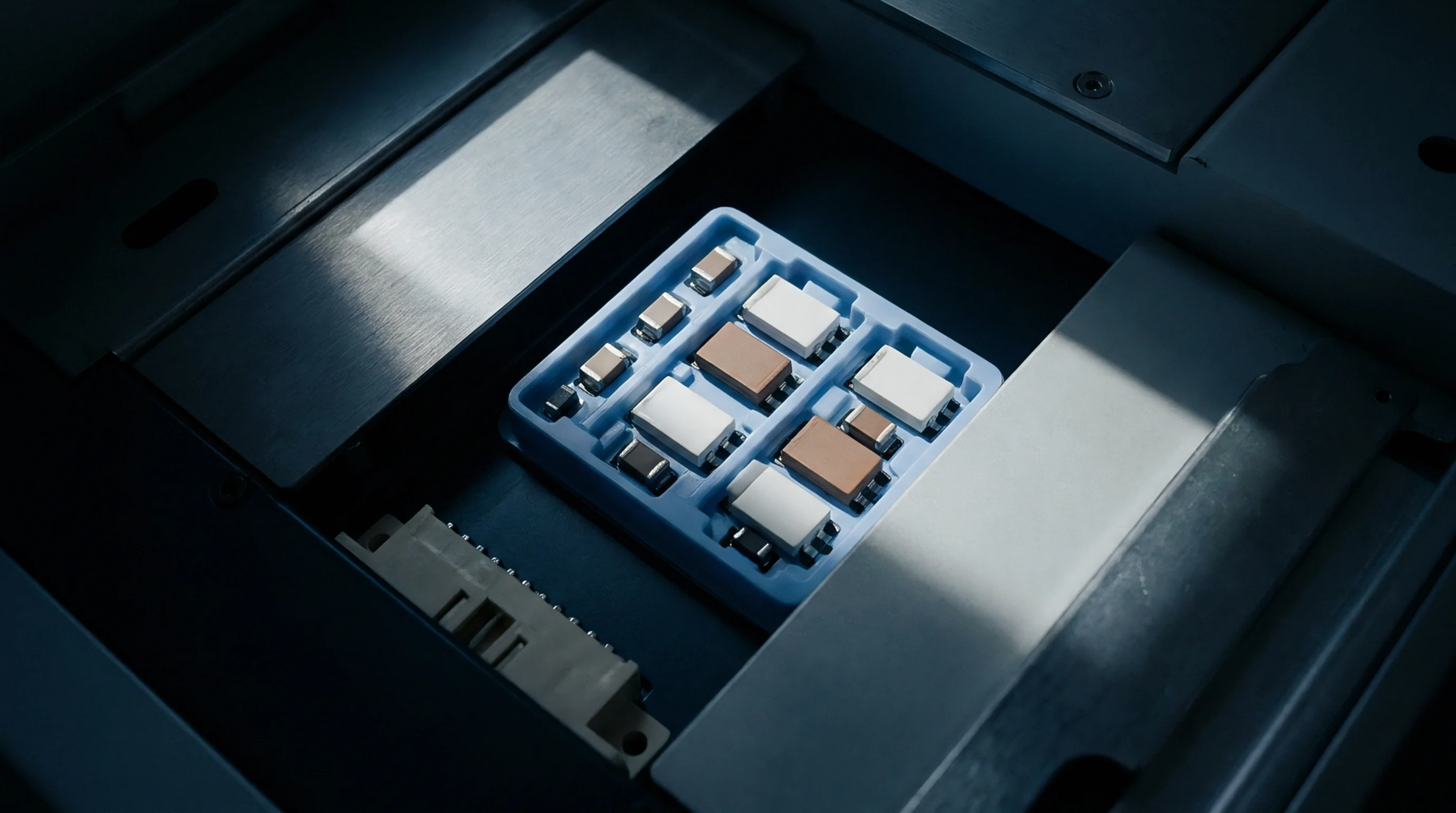
Conveyorized Etch Fluid Dynamics Impact on High Frequency Conductor Losses
Etch fluid pooling creates trace asymmetry, changing high-frequency conductor profiles and driving insertion loss variations across printed circuit panels.
Etch fluid pooling creates trace asymmetry, changing high-frequency conductor profiles and driving insertion loss variations across printed circuit panels.
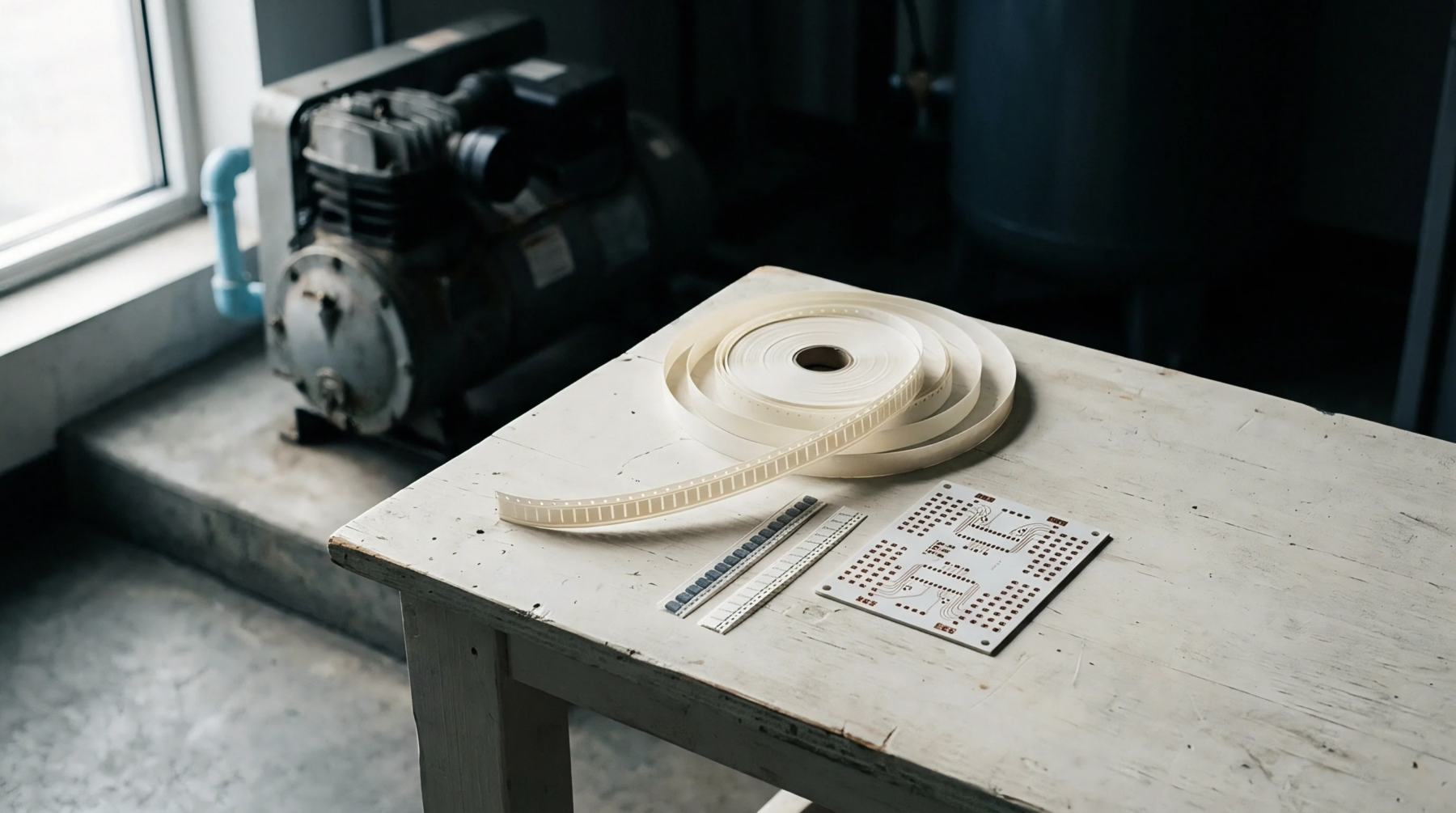
Etch factor quantification converts trapezoidal microstrip sidewall angles into accurate field solver inputs to prevent high-frequency impedance shifts.

PEEC formulation extracts microvia partial self-inductance from barrel aspect ratio and capture pad geometry, confirmed by de-embedded coupon S-parameters.
Sub-micron interfacial crack growth under high-frequency electromagnetic and thermomechanical stress is driven by local skin-depth current crowding and Maxwell stress tensor concentration.

Trapezoidal etch profiles and sidewall undercut degrade high-frequency channel return loss by introducing spatial impedance steps that demand mSAP or dynamic CAM compensation.
Dynamic top-to-bottom spray pressure balancing and zonal CAM compensation eliminate conveyor puddle variations to hold tight high-frequency trace impedance.
Expertise is a utility, not a secret. sentiention™ publishes its working knowledge as open reference: intelligence layer covering the materials it sources, the markets it enters, and the reference that serves both.