
Calculating Pressed Prepreg Thickness Variations in Sequential Buildup Lamination
Calculating pressed prepreg thickness requires accounting for copper pattern density, foil height, glass style geometry, and resin flow during cure.
Calculating pressed prepreg thickness requires accounting for copper pattern density, foil height, glass style geometry, and resin flow during cure.

Modeling spatial permittivity gradients across master panels prevents severe sub-THz phase mismatch and bounds yield loss in production multilayers.
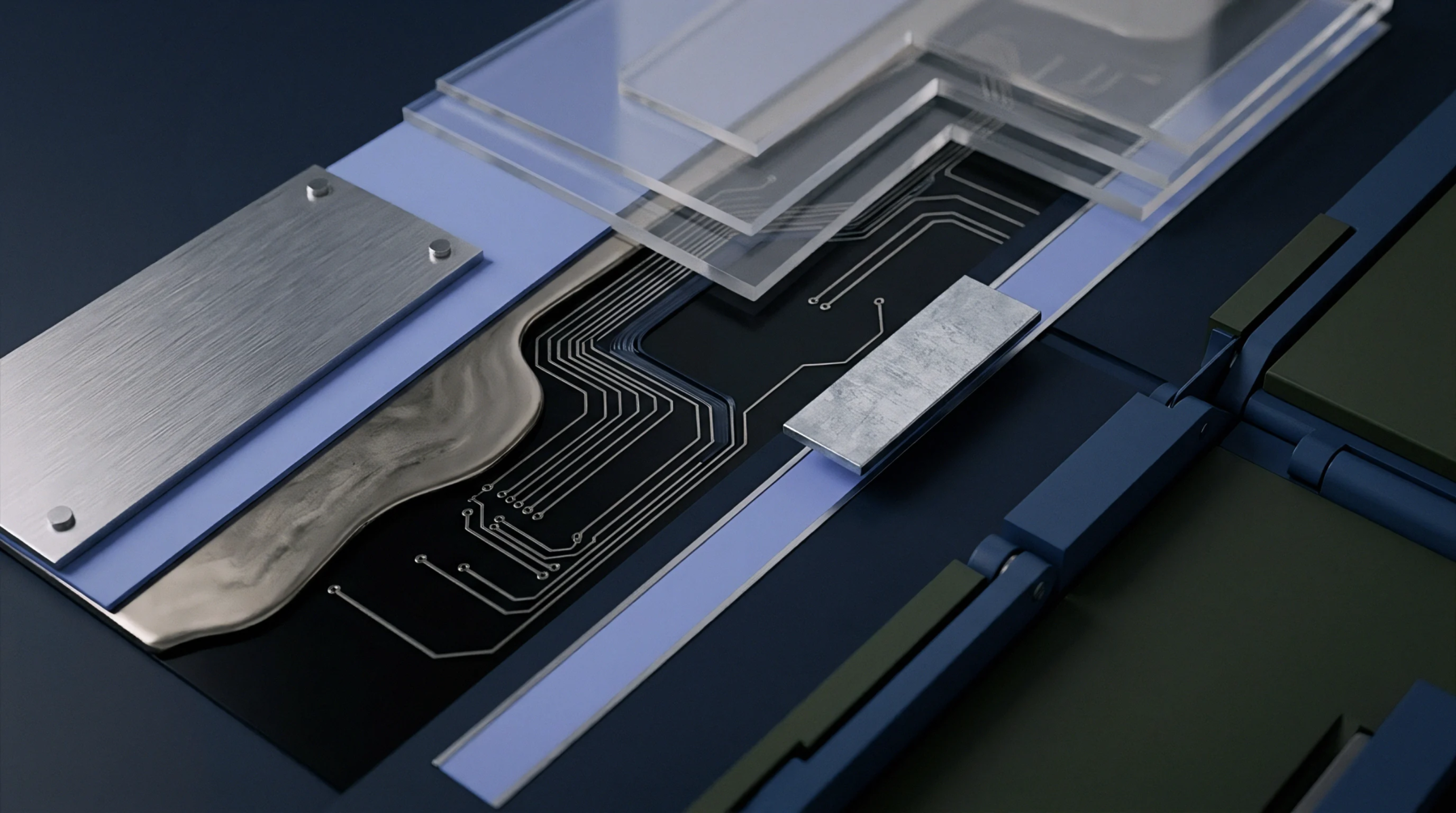
Sequential lamination elevates core dielectric constant through resin cure advancement, requiring pass-specific permittivity modeling to protect target impedance.

Dynamic viscosity minimums and hydraulic press profiles dictate complete microscale clearance filling, preventing latent internal voids and panel scrap.
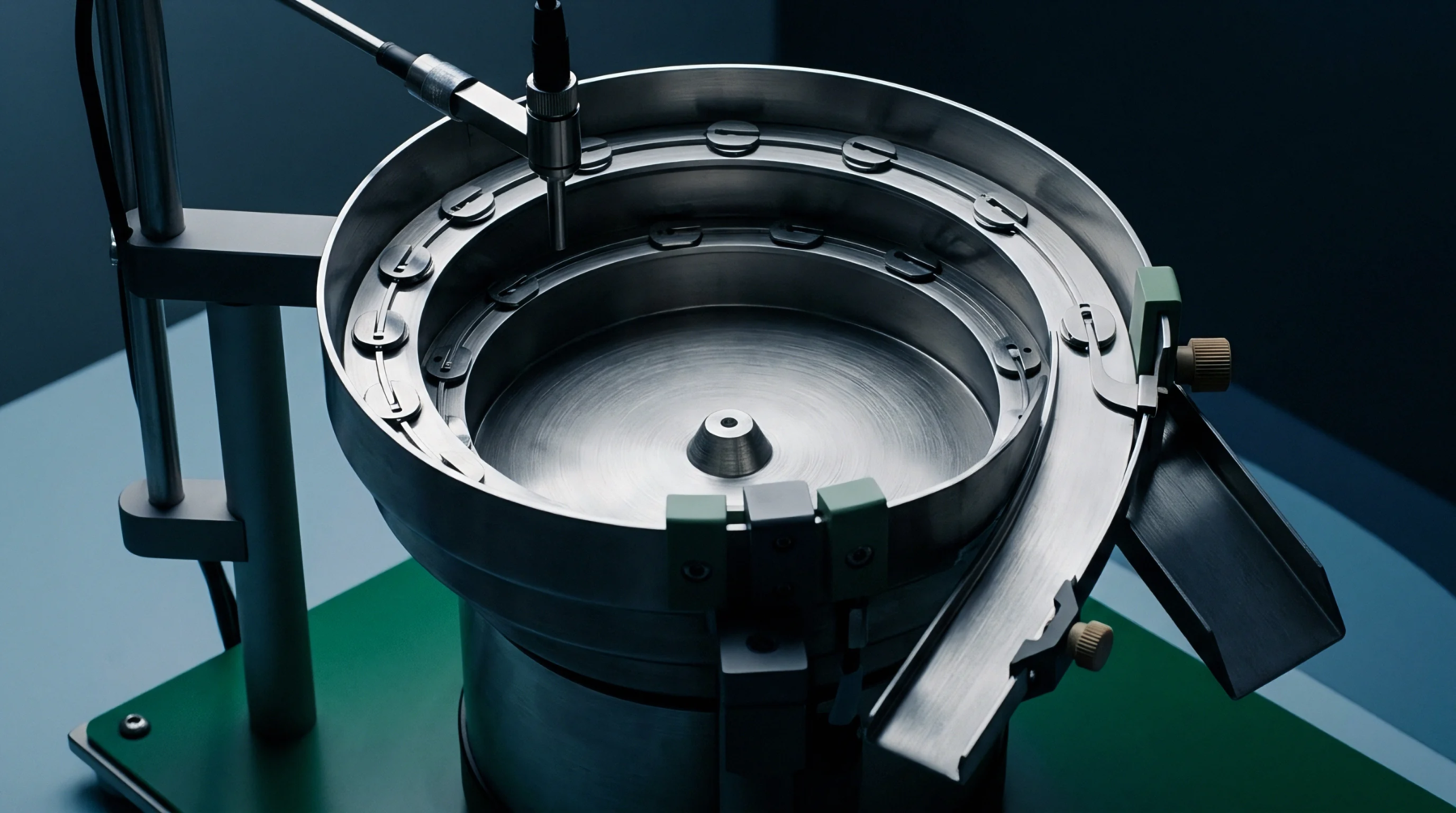
Evaluating laminate glass weave anisotropy requires specifying mechanically spread low-Dk glass styles and off-axis trace routing to eliminate spatial phase skew.

Standardizing low-Dk spread glass requires matching glass chemistry with mechanical yarn flattening to eliminate differential skew and fix impedance tolerances.

Predict anisotropic deformation in sequential lamination by coupling layer-specific thermal expansion tensors with non-linear viscoelastic resin cure shrinkage.
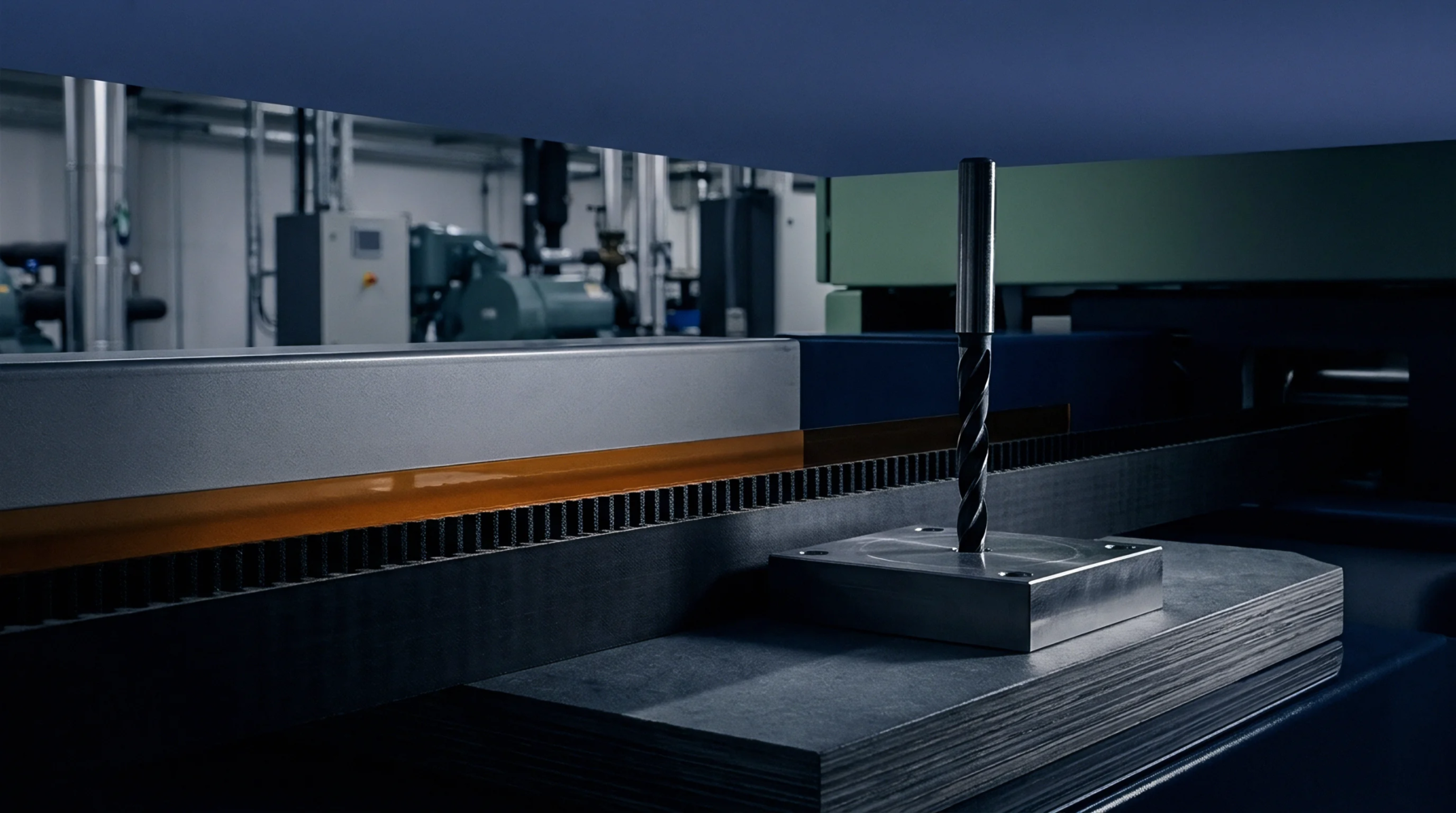
Sub-sixty micron trace fabrication mandates semi-additive processing over subtractive etching to eliminate undercut and hold tight differential impedance.
Expertise is a utility, not a secret. sentiention™ publishes its working knowledge as open reference: intelligence layer covering the materials it sources, the markets it enters, and the reference that serves both.