Dynamic Zonal Boundary Layer Compensation Models for Ultra High Density Millimeter Wave Interconnects
Modulating trace geometries against local interfacial dielectric gradients stabilizes phase velocity across millimeter wave interconnects.
Modulating trace geometries against local interfacial dielectric gradients stabilizes phase velocity across millimeter wave interconnects.
Foil roughness forces skin currents through sub-micron surface teeth above 10 GHz, requiring Huray snowball modeling and low-etch oxide chemistries.

High-frequency phase delay anisotropy stems from woven reinforcement and foil grain directions; locking panel alignment ensures repeatable channel timing.
Adhesiveless polyimide substrates eliminate high-loss acrylic adhesives, dropping dielectric loss tangents to 0.002 at 10 GHz when paired with smooth rolled copper.
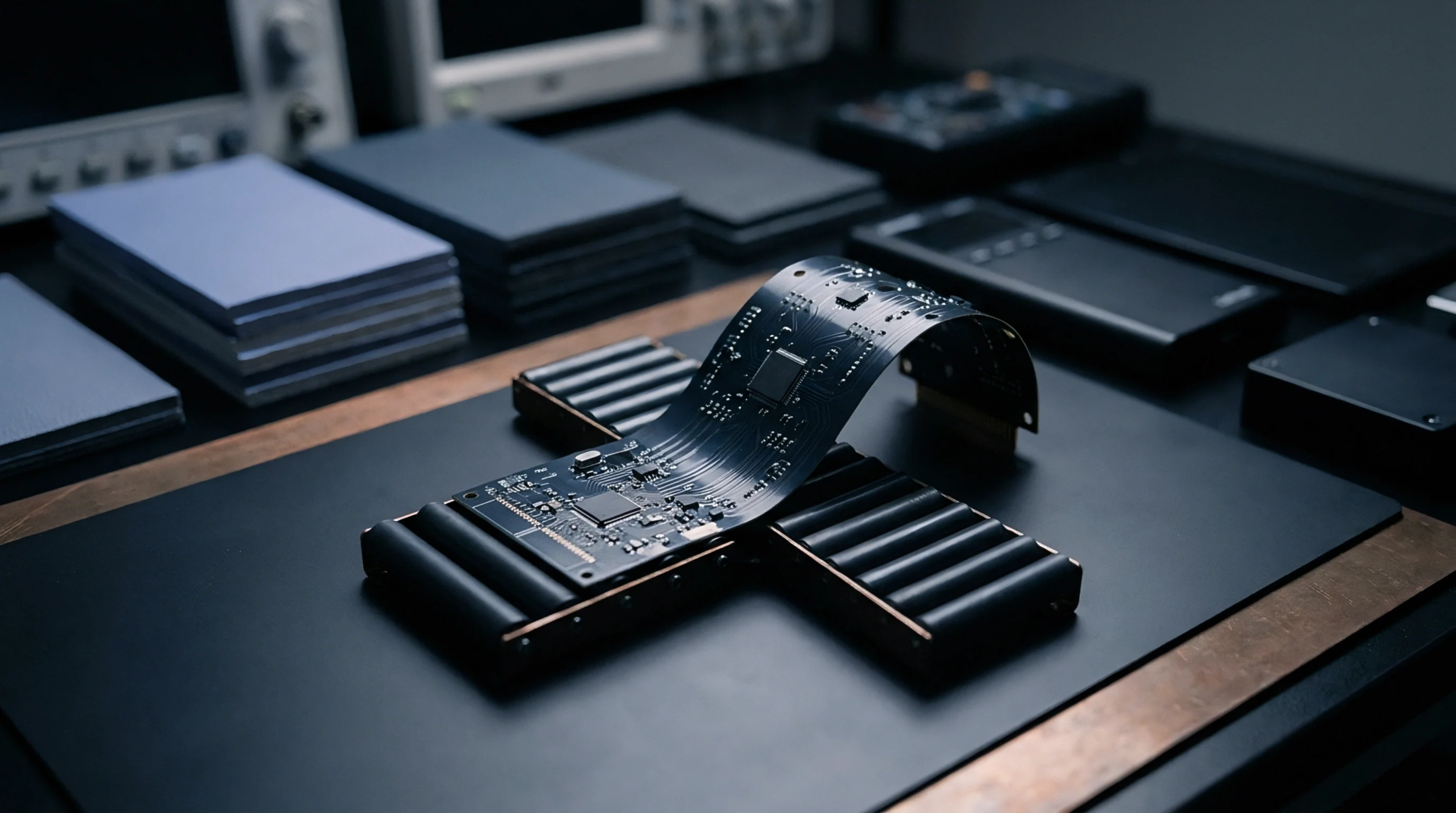
Rigid-flex stackup selection replaces failure-prone discrete connectors with continuous polyimide trace runs, trading lower bare-board cost for reliability.

Modelling interfacial roughness on hydrophobic polyimide requires 3D Sdr metrics and Huray models to balance mmWave attenuation against peel strength limits.
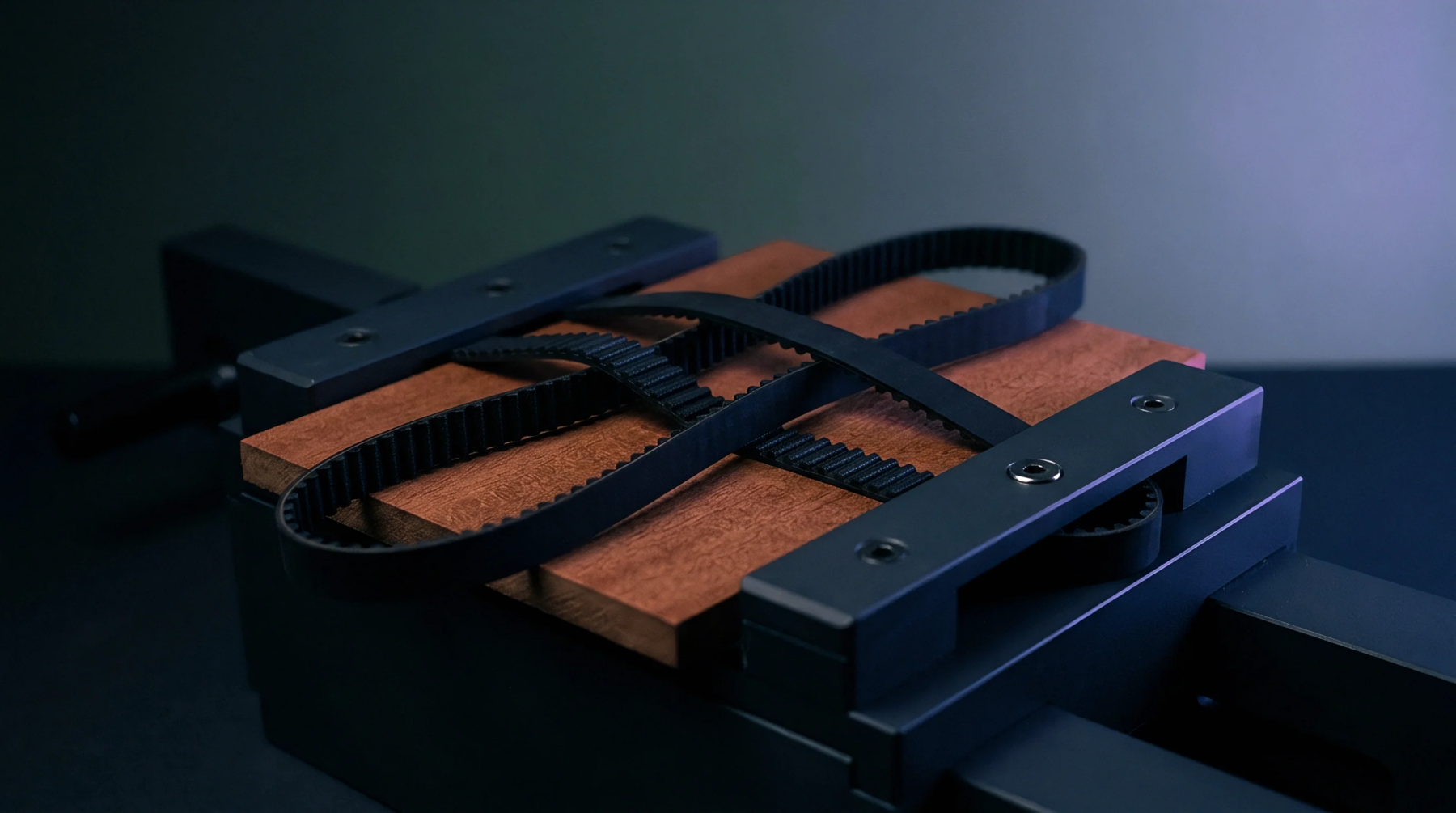
Sub-50 micron trace etching demands mSAP seed layers, anisotropic chemistry passivators, and dynamic laser imaging scaling to hold 3.5+ etch factors and pass IPC Class 3 yield limits.

Adhesiveless hydrophobic polyimide interfaces reduce high-frequency dielectric attenuation by suppressing moisture uptake and eliminating lossy acrylic adhesive layers.
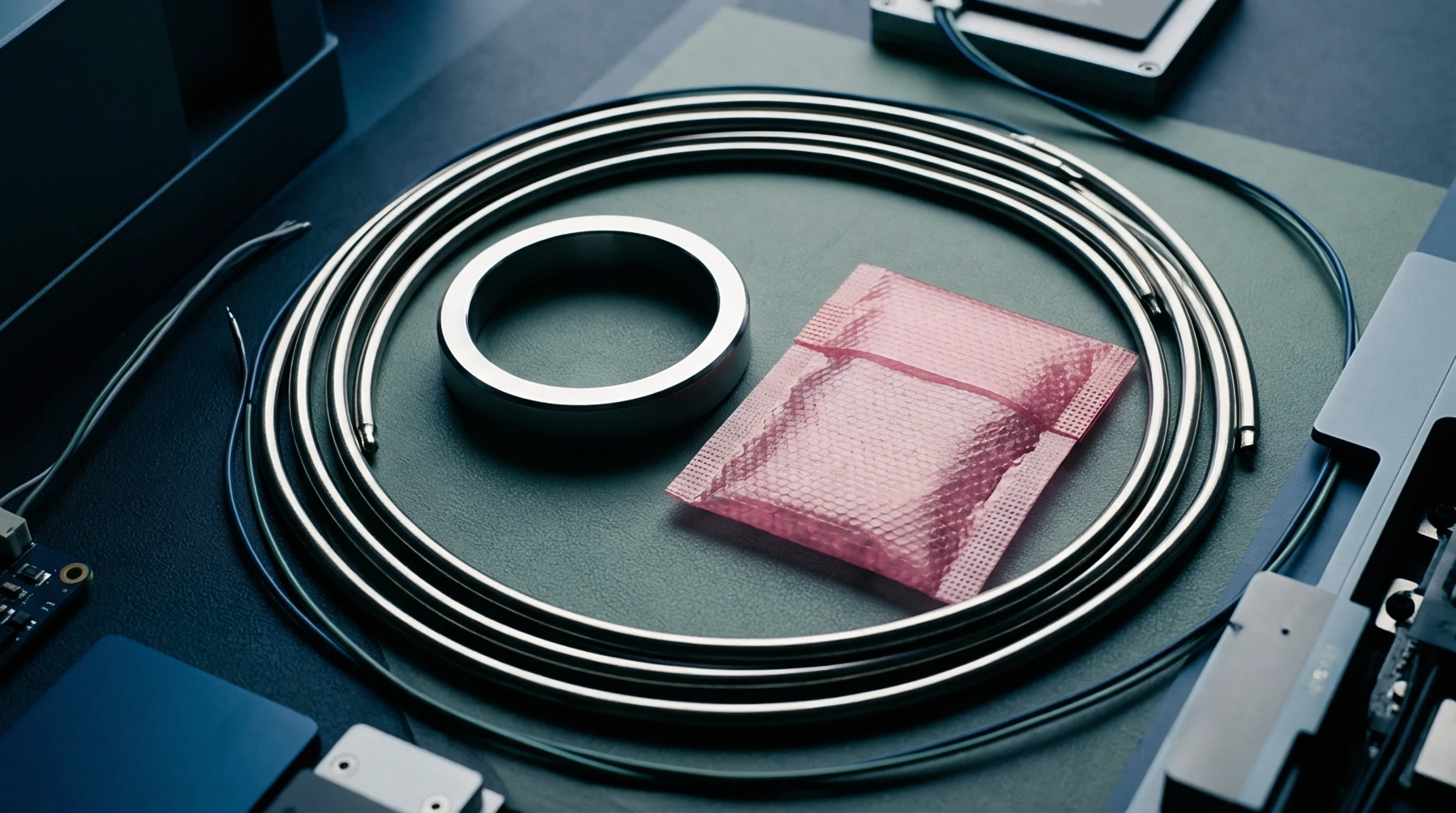
Rigid-flex architecture eliminates discrete connector failures and signal discontinuities while reducing assembly labor, justifying higher bare-board costs.
Expertise is a utility, not a secret. sentiention™ publishes its working knowledge as open reference: intelligence layer covering the materials it sources, the markets it enters, and the reference that serves both.