Dynamic Zonal Boundary Layer Compensation Models for Ultra High Density Millimeter Wave Interconnects
Modulating trace geometries against local interfacial dielectric gradients stabilizes phase velocity across millimeter wave interconnects.
Modulating trace geometries against local interfacial dielectric gradients stabilizes phase velocity across millimeter wave interconnects.
Chemorheological modeling predicts thermoset gelation and squeeze flow, defining heating rates and platen pressures to hold sub-20 µm dielectric variations within ±1 µm.
Calibrating multi-angle specular reflectance algorithms eliminates false optical profiling errors on sub-15 micron traces, securing high mSAP panel yields.
Optical edge profilometry calibration requires step-height standards and numerical aperture matching to limit edge diffraction bias below half a micron.

Modified semi additive process stackups require ultra-thin copper seeds under three microns to achieve sub-twenty-micron traces with stable impedance.
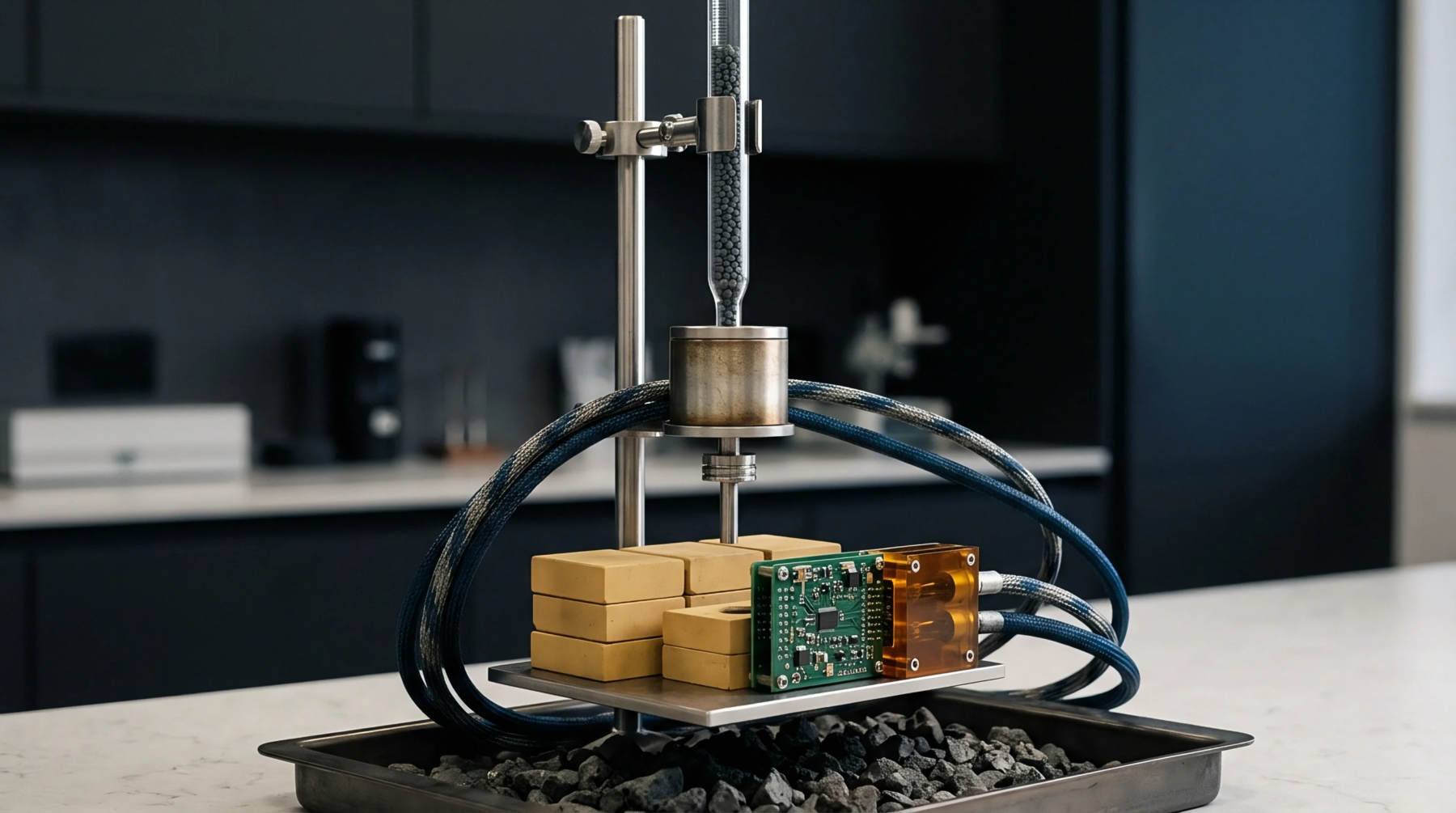
Controlling wet-process nozzle velocity below two meters per second prevents hydrodynamic trace stripping on ultra-thin inner layer copper channels.
Semi-additive yield depends on seed layer adhesion, lithographic trench verticality, and differential etch undercut control across sequential build-up layers.
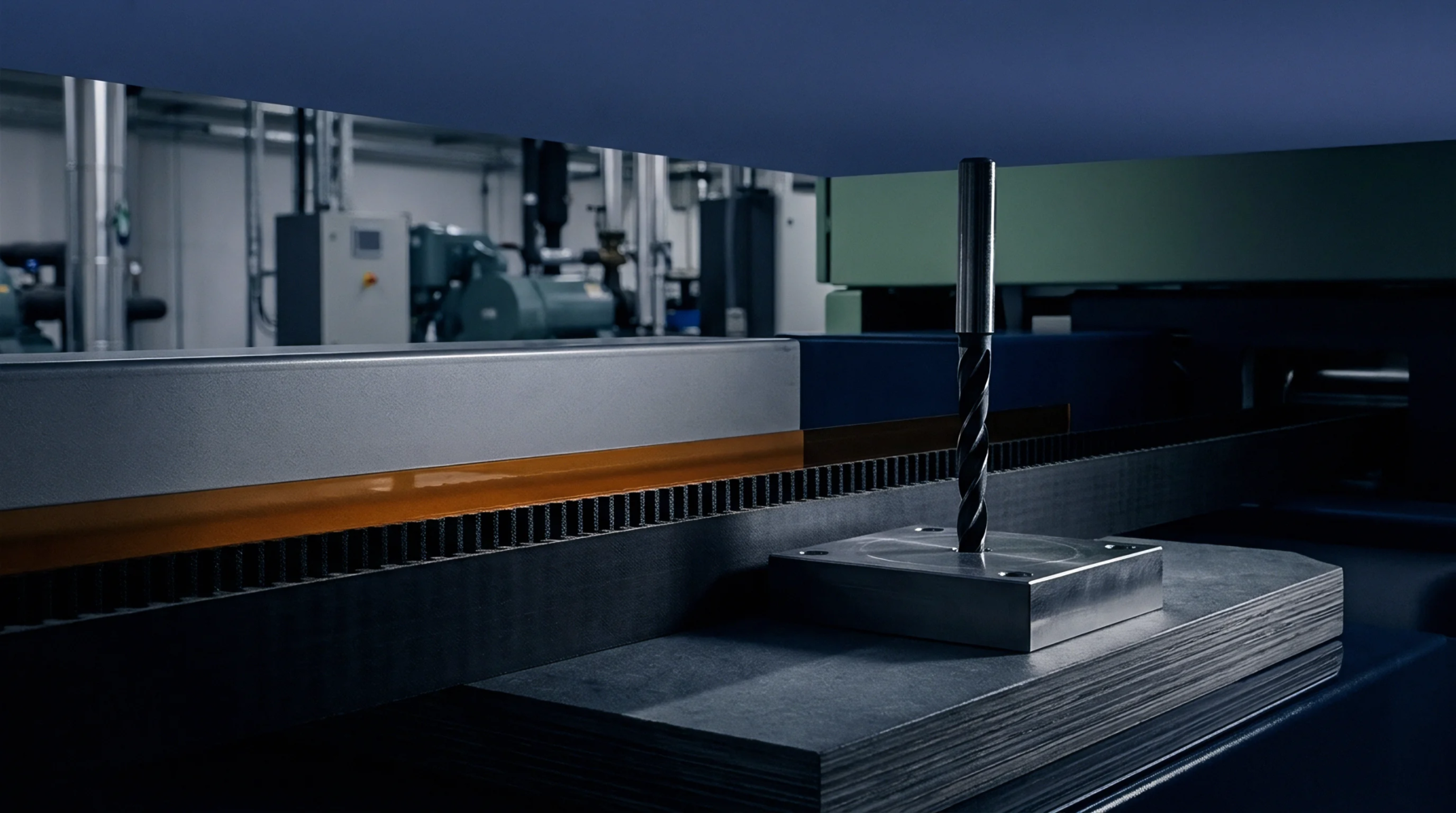
mSAP yield optimization requires balancing electroless seed thickness tolerances within ten percent to prevent flash etch trace undercut and impedance failures.
Sub-sixty micron trace fabrication mandates semi-additive processing over subtractive etching to eliminate undercut and hold tight differential impedance.
Expertise is a utility, not a secret. sentiention™ publishes its working knowledge as open reference: intelligence layer covering the materials it sources, the markets it enters, and the reference that serves both.