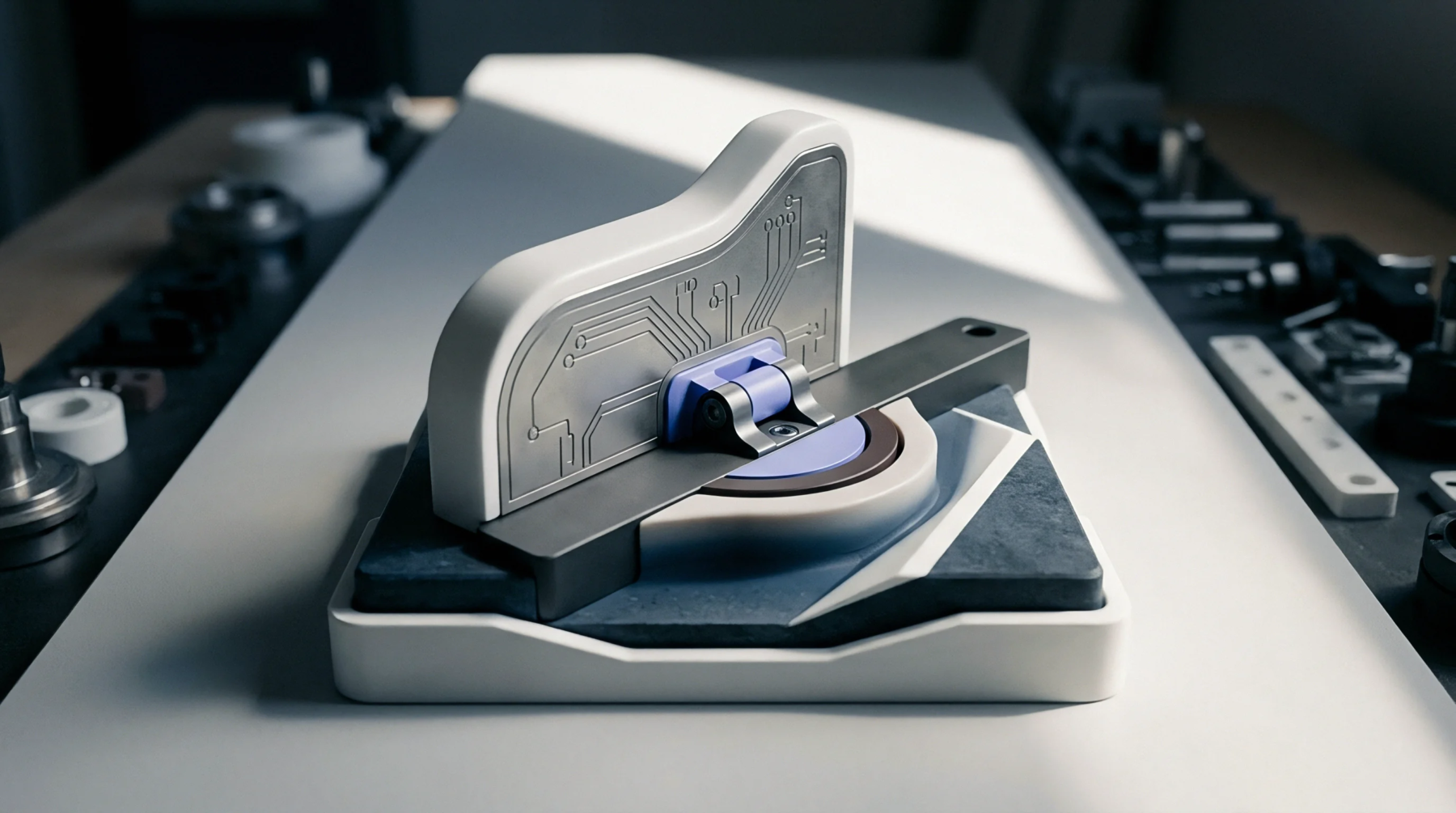
Printed Circuit Board Differential Trace Impedance Test Methods
Differential trace impedance testing verifies high-speed PCB signal integrity using time-domain reflectometry on panel test coupons.
Differential trace impedance testing verifies high-speed PCB signal integrity using time-domain reflectometry on panel test coupons.

GHz acoustic attenuation in sub-ten micron dielectric layers limits echo signal-to-noise ratio, requiring picosecond laser acoustics for reliable characterization.

Extracting return path discontinuity metrics requires multi-port VNA s-parameters, IEEE 370 de-embedding, and IFFT conversion to quantify impedance spikes.

Reconciling static field solvers with TDR curves requires transforming 2D RLGC parameters into causal, broadband S-parameters with instrument rise-time filtering.
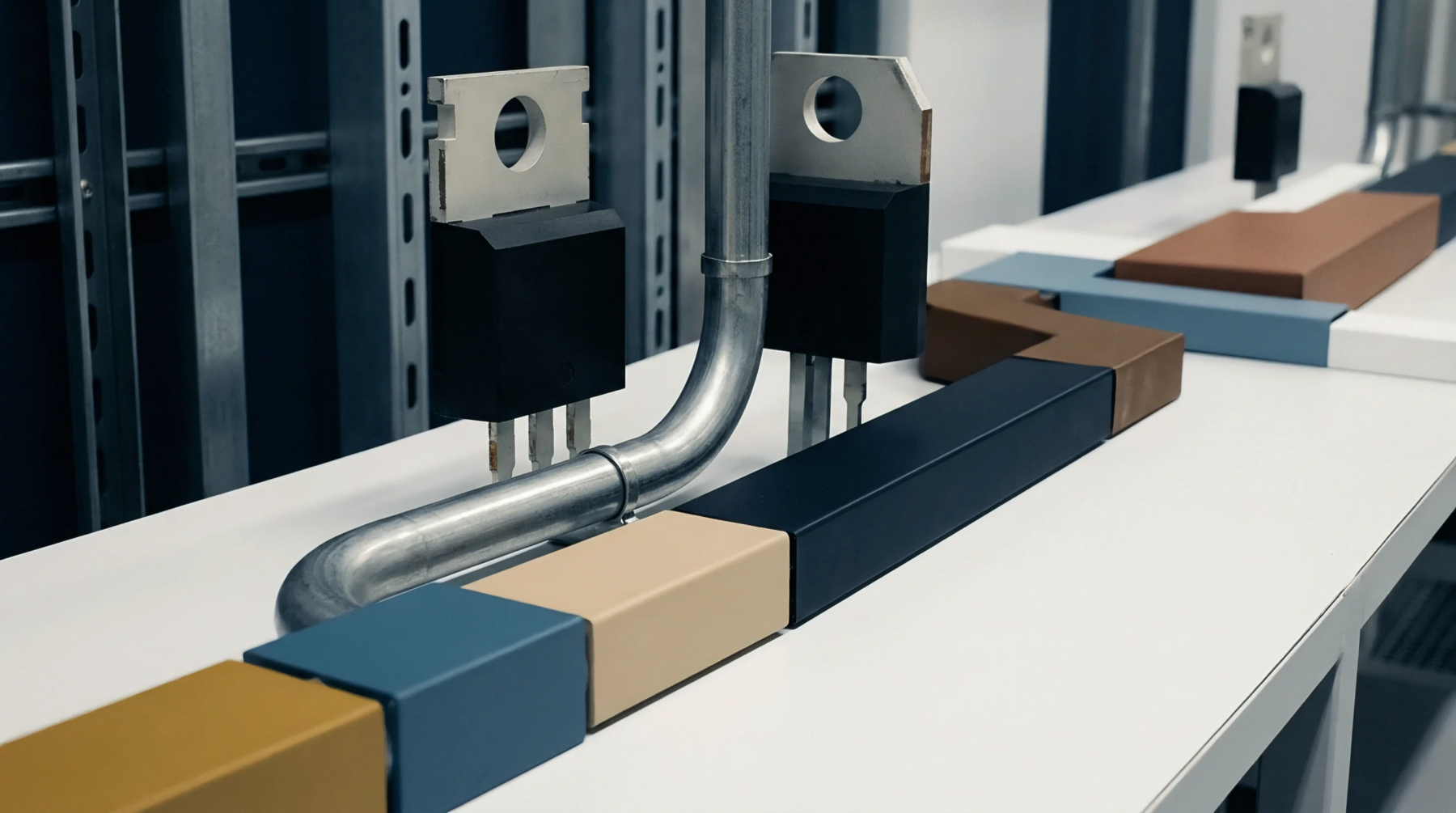
Submicron crack contact under thermal bias masks delamination signals, requiring phase-inversion gating and high-frequency transducers to verify package integrity.

Acoustic microscopy verifies BGA moisture delamination by tracking phase inversion and amplitude drop in high-frequency ultrasonic reflections.
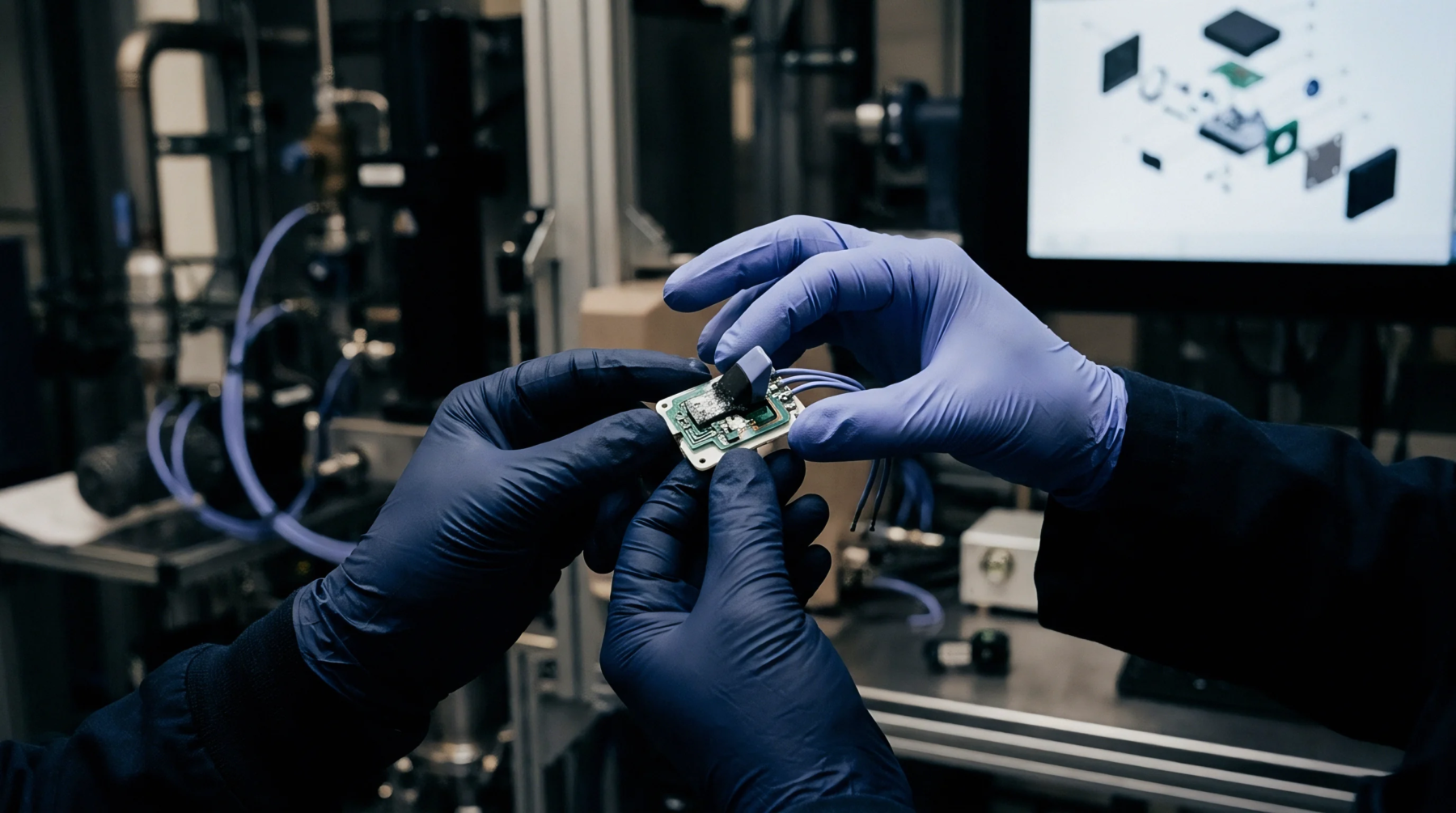
High frequency C-SAM detects post bake package delamination down to ten nanometer air gaps using acoustic phase inversion analysis.
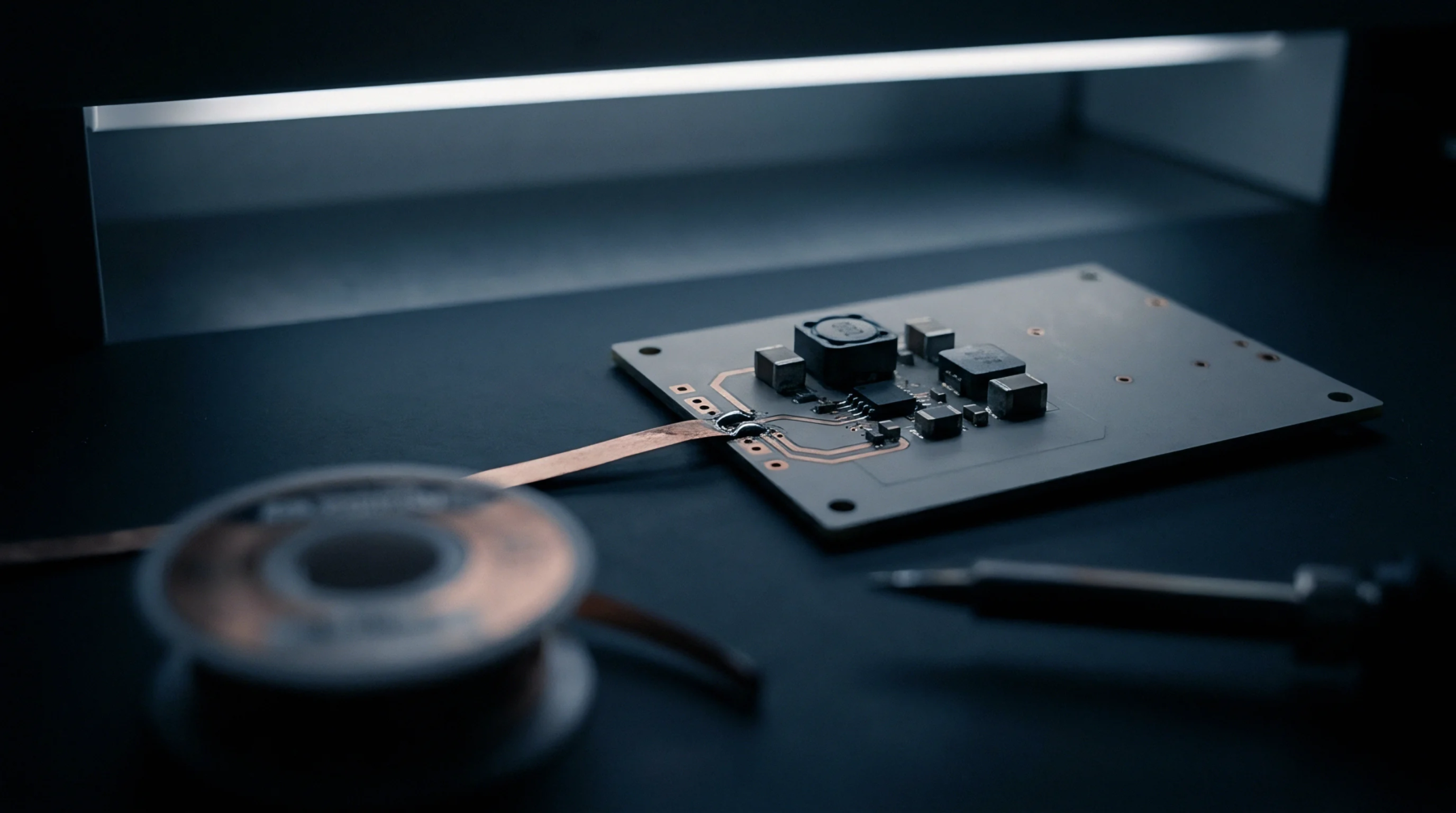
Automated near field spatial mapping identifies hidden split-plane return current loops and isolates board-level electromagnetic noise sources before EMI certification.
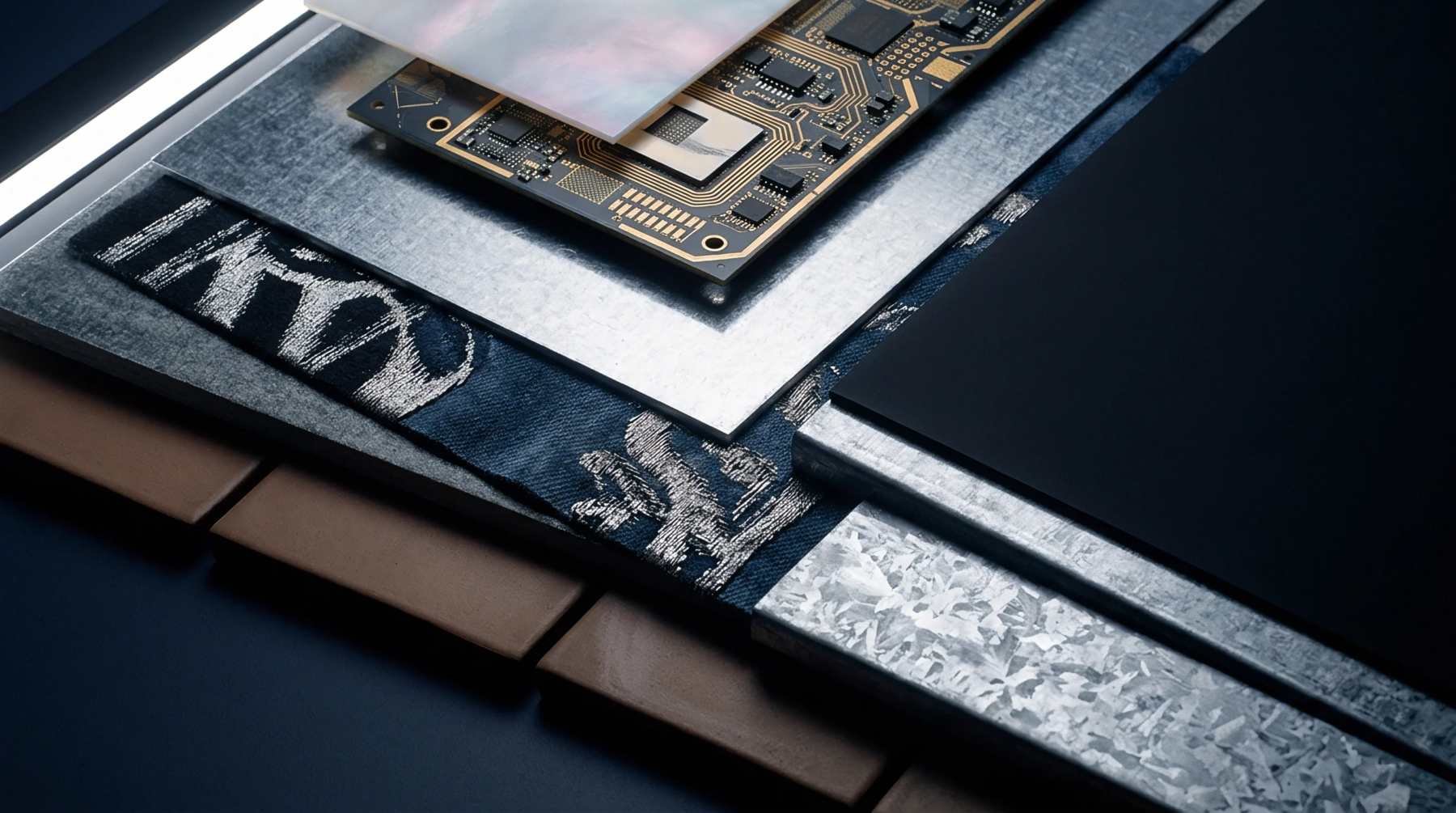
Benchtop near-field scanning maps surface magnetic leaks to locate reference plane splits and edge escapes before formal compliance testing.
Expertise is a utility, not a secret. sentiention™ publishes its working knowledge as open reference: intelligence layer covering the materials it sources, the markets it enters, and the reference that serves both.