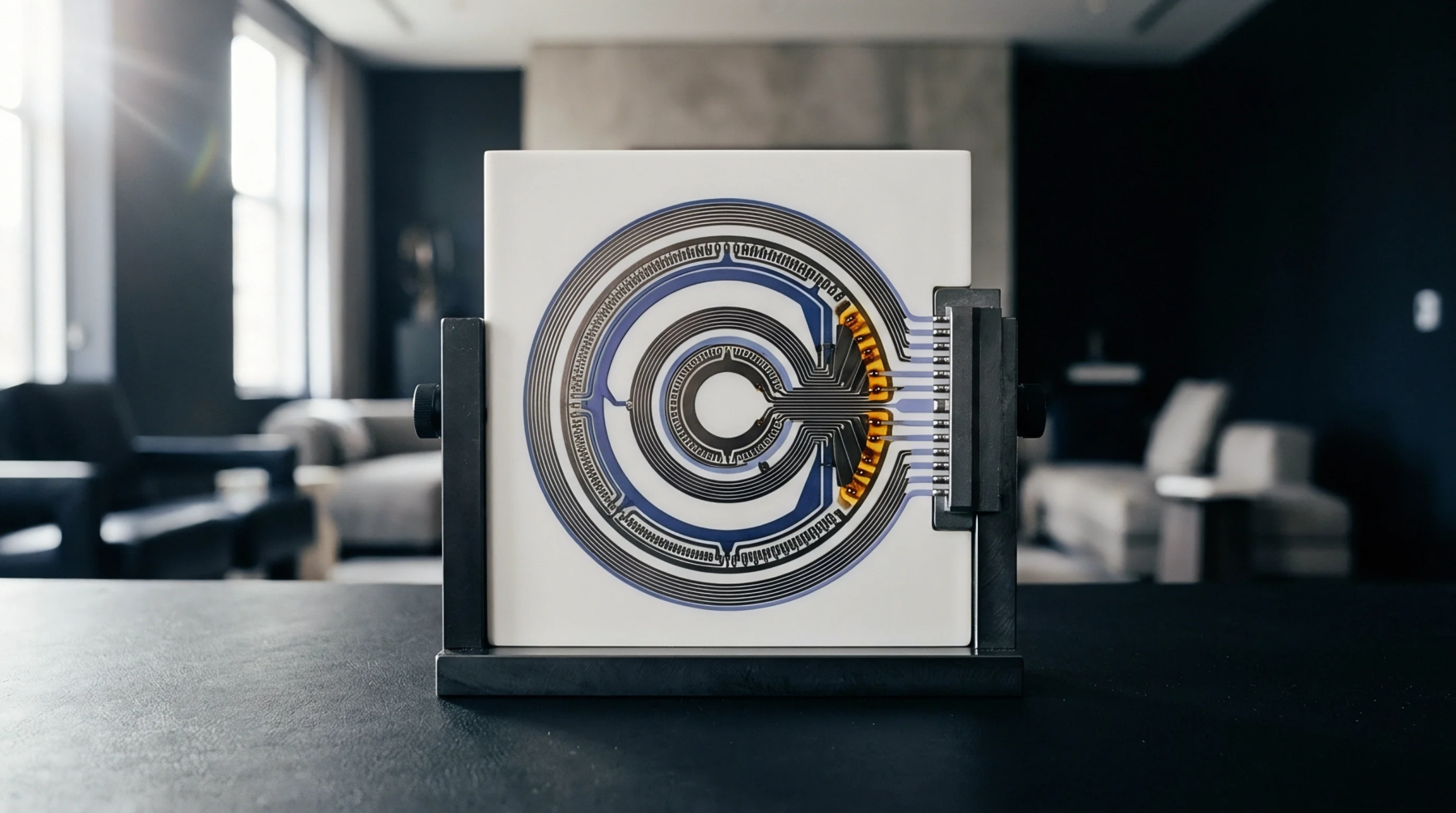
Modeling Gas Phase Latent Condensation Kinetics on Embedded Heavy Copper Power Substrates
Vapor phase condensation modeling on heavy copper substrates predicts liquid film thickness to control latent thermal delivery and prevent solder voiding.
Vapor phase condensation modeling on heavy copper substrates predicts liquid film thickness to control latent thermal delivery and prevent solder voiding.
Chemorheological modeling predicts thermoset gelation and squeeze flow, defining heating rates and platen pressures to hold sub-20 µm dielectric variations within ±1 µm.
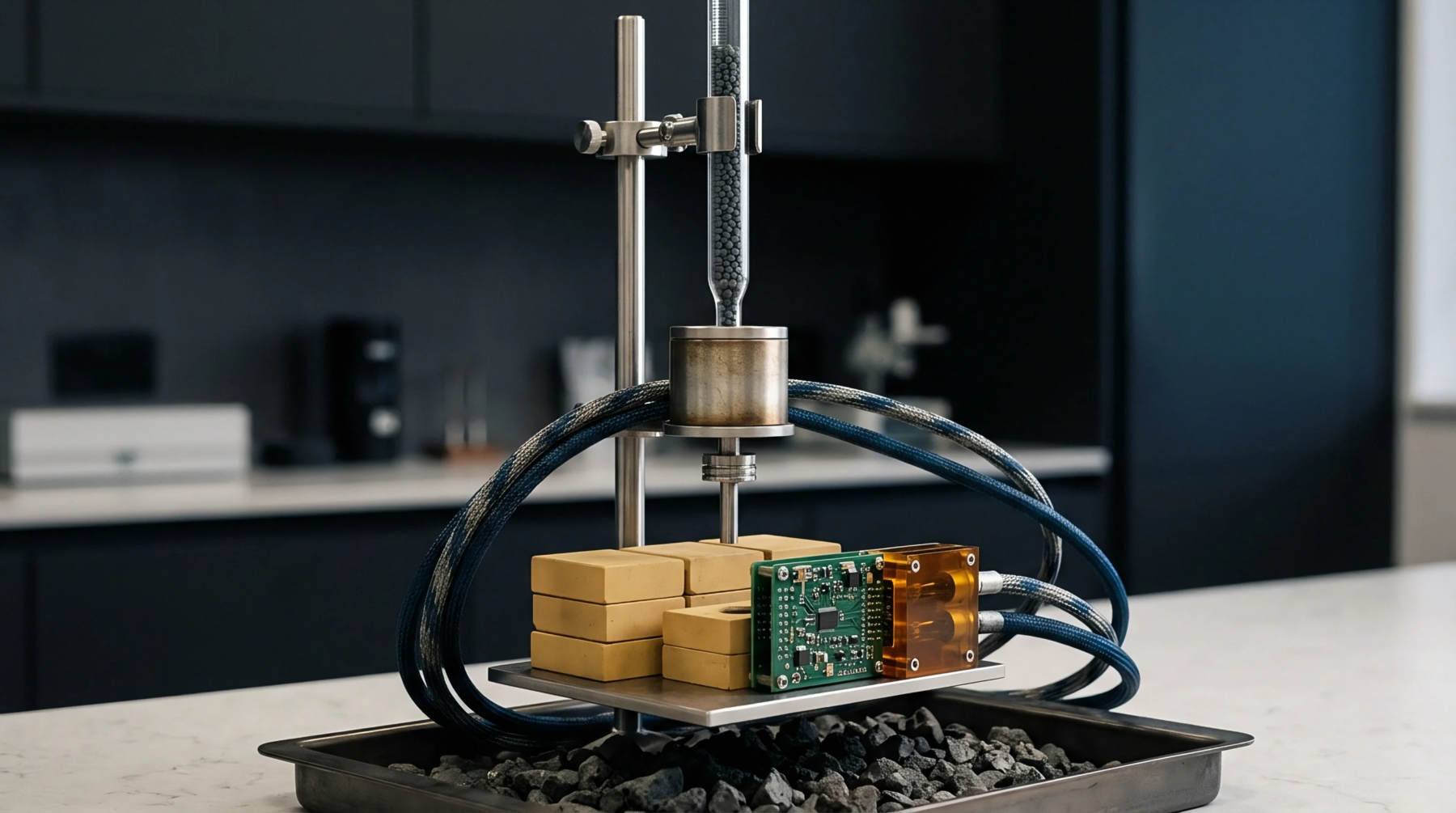
Deriving master panel parametric scrap tolerances requires mapping z-axis dielectric gradients to prevent edge-induced transmission line impedance failures.
Asymmetric inner-layer copper weights alter local resin viscosity flow rates during multi-platen pressing, requiring pattern thieving to ensure plane flat panels.

Silica-filled resin viscosity minimization requires synchronizing heating ramps with press pressure timing to ensure complete void encapsulation without core shift.
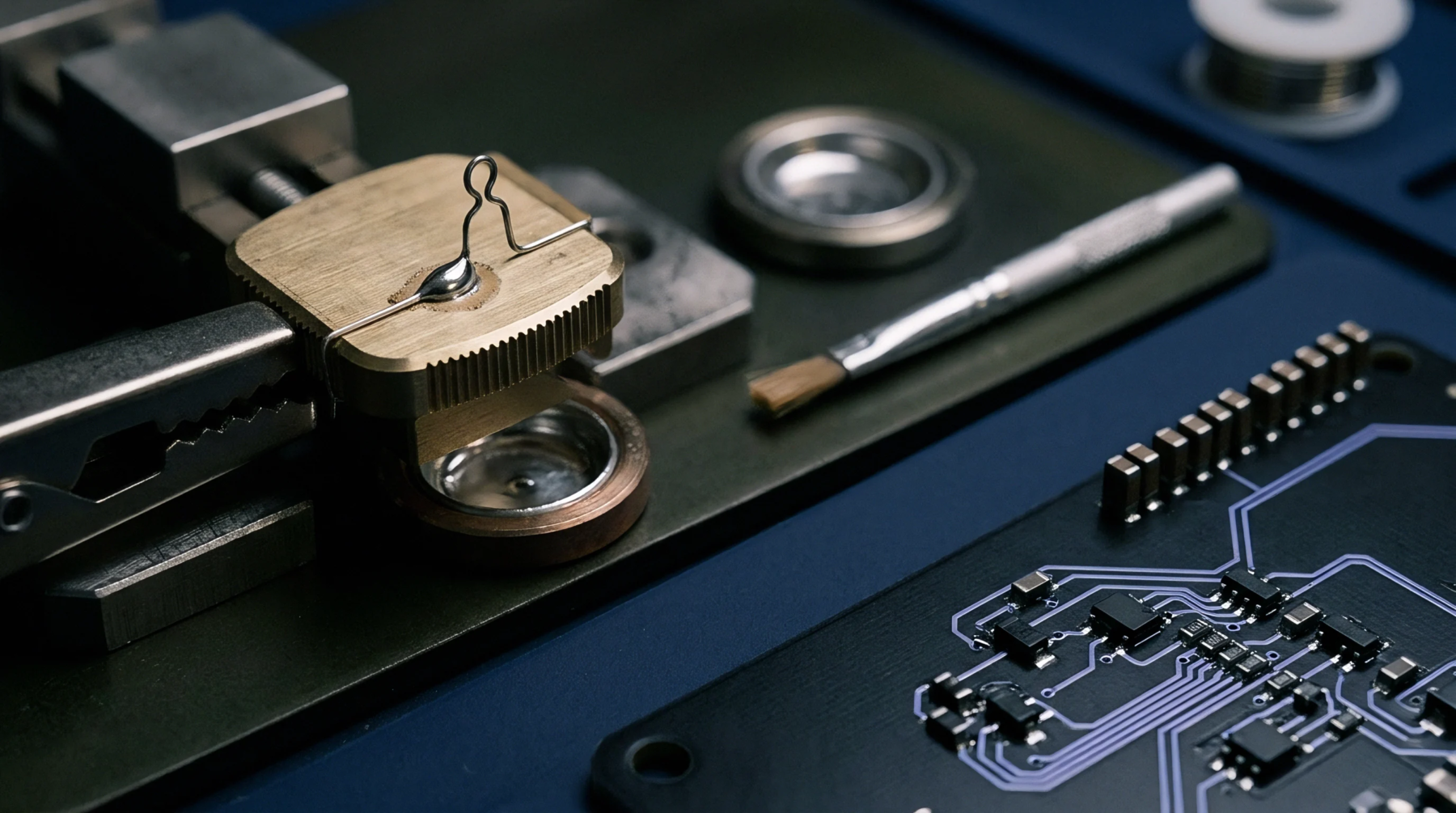
Unequal copper board reflow requires soak zone extended thermal balancing to overcome boundary layer insulation and prevent localized pad cold joints.
Expertise is a utility, not a secret. sentiention™ publishes its working knowledge as open reference: intelligence layer covering the materials it sources, the markets it enters, and the reference that serves both.