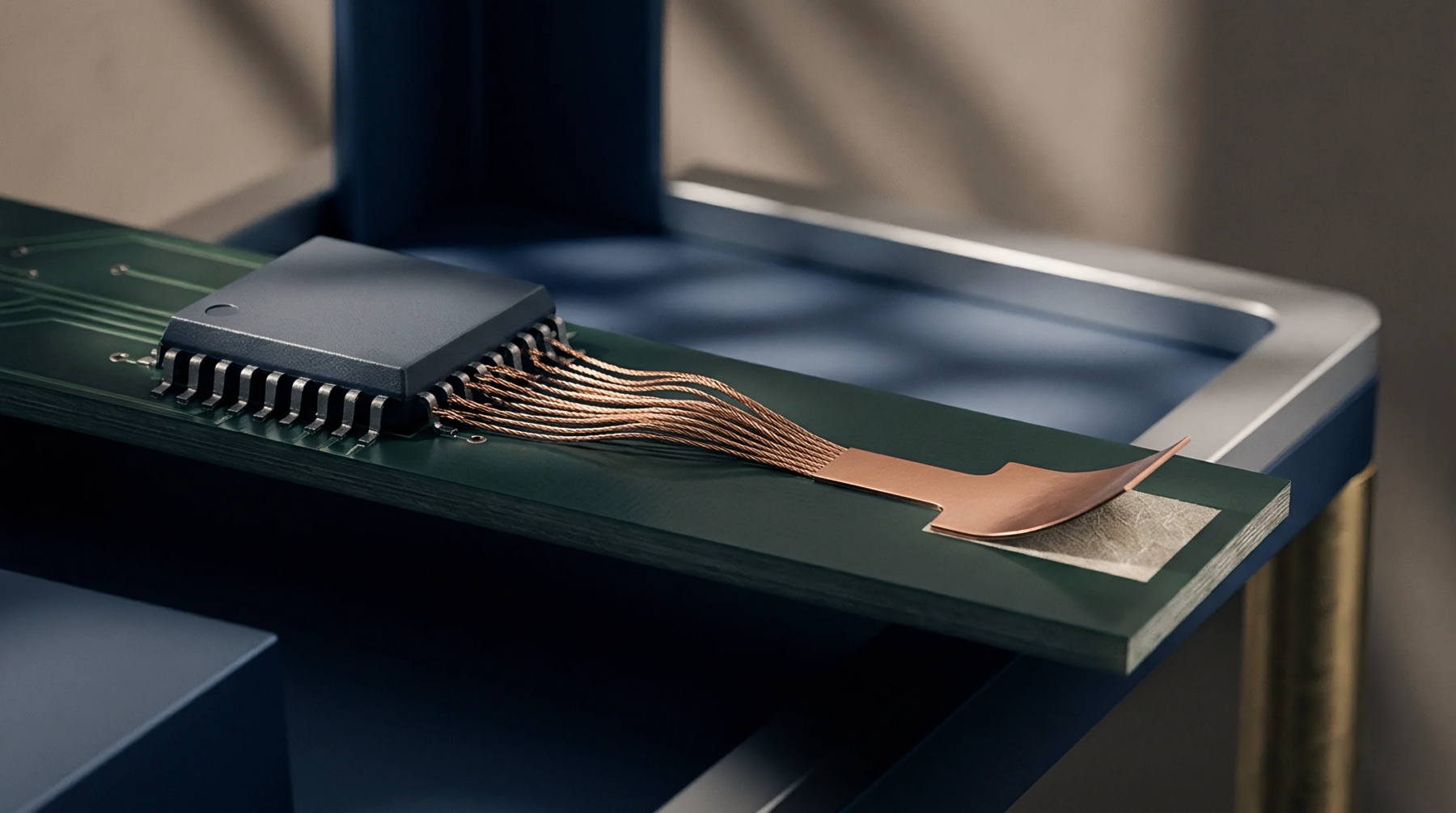
Hybrid Multilayer PCB Material Selection Fundamentals
Hybrid multilayer selection pairs low-loss RF laminates with epoxy bases by matching cure windows, controlling z-axis expansion, and optimizing panel yields.
Hybrid multilayer selection pairs low-loss RF laminates with epoxy bases by matching cure windows, controlling z-axis expansion, and optimizing panel yields.
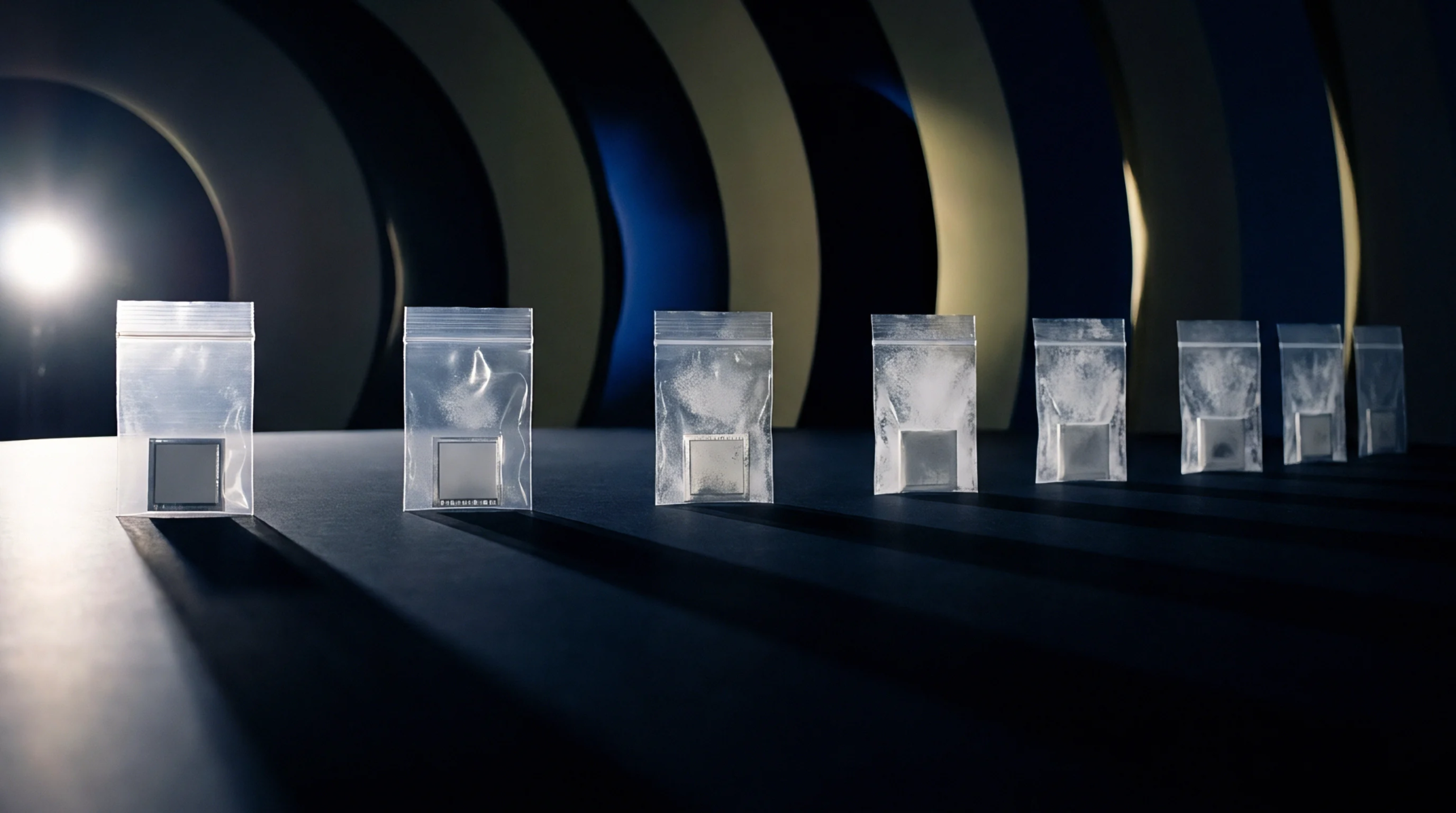
Hydrolytic interfacial degradation increases effective permittivity and causes degree-scale sub-THz phase velocity drift controllable through hydrophobic silane stackups.

Interfacial water accumulation increases submillimeter dielectric loss tangents, demanding fluoropolymer or LCP resins with hydrolytically stable silane couples.

Woven quartz fluoropolymer substrates exhibit directional permittivity splits resolved through tensor modeling, 45-degree layout, and split-post testing.

At 260°C reflow, trapped laminate moisture generates 4.69 MPa vapor pressure, exceeding rubbery matrix strength and driving interfacial popcorning delamination.
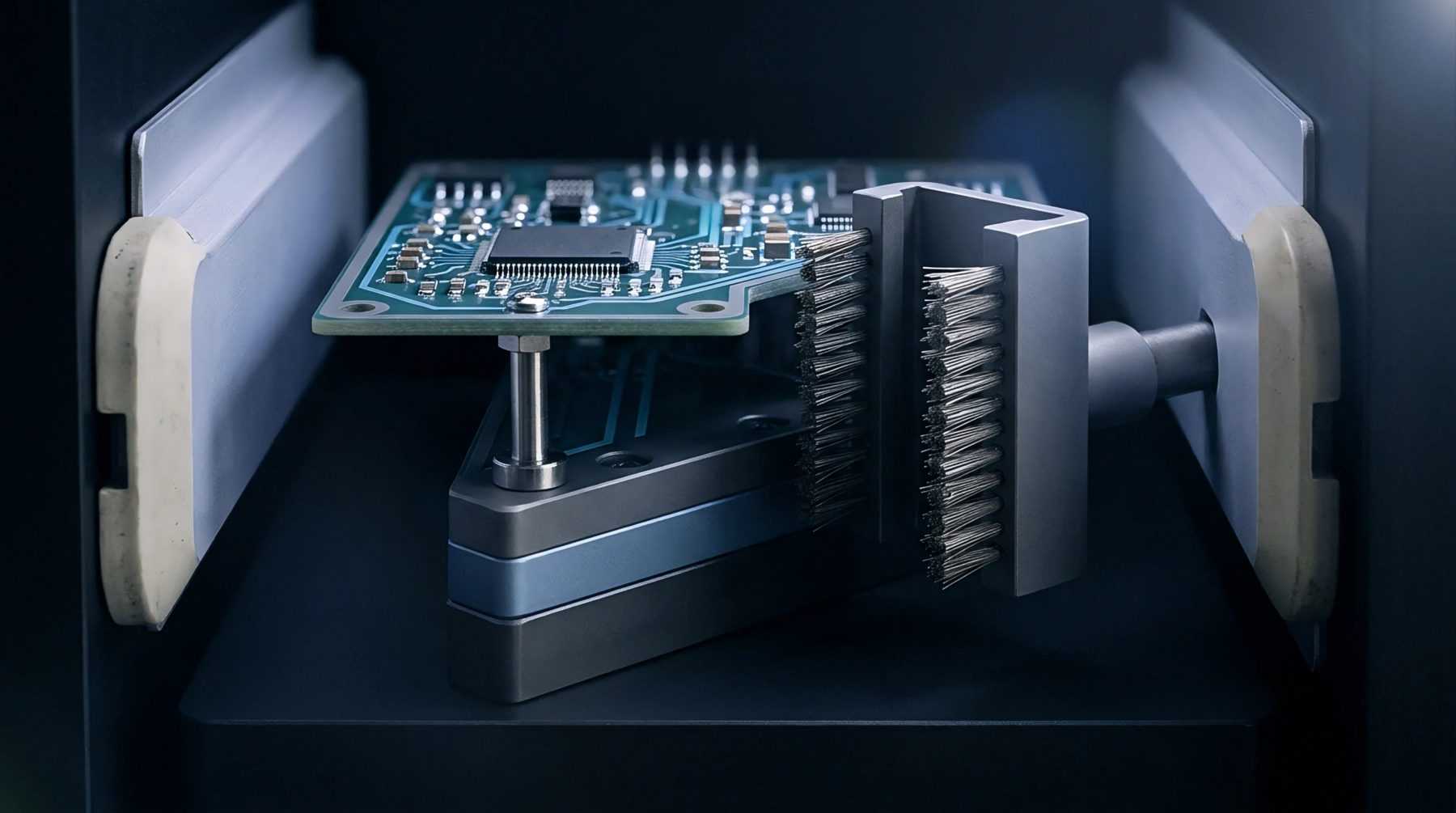
Quantifying hydrophobic silane monolayer coverage uses dynamic water and diiodomethane contact angle goniometry with Cassie-Baxter thermodynamic modeling.
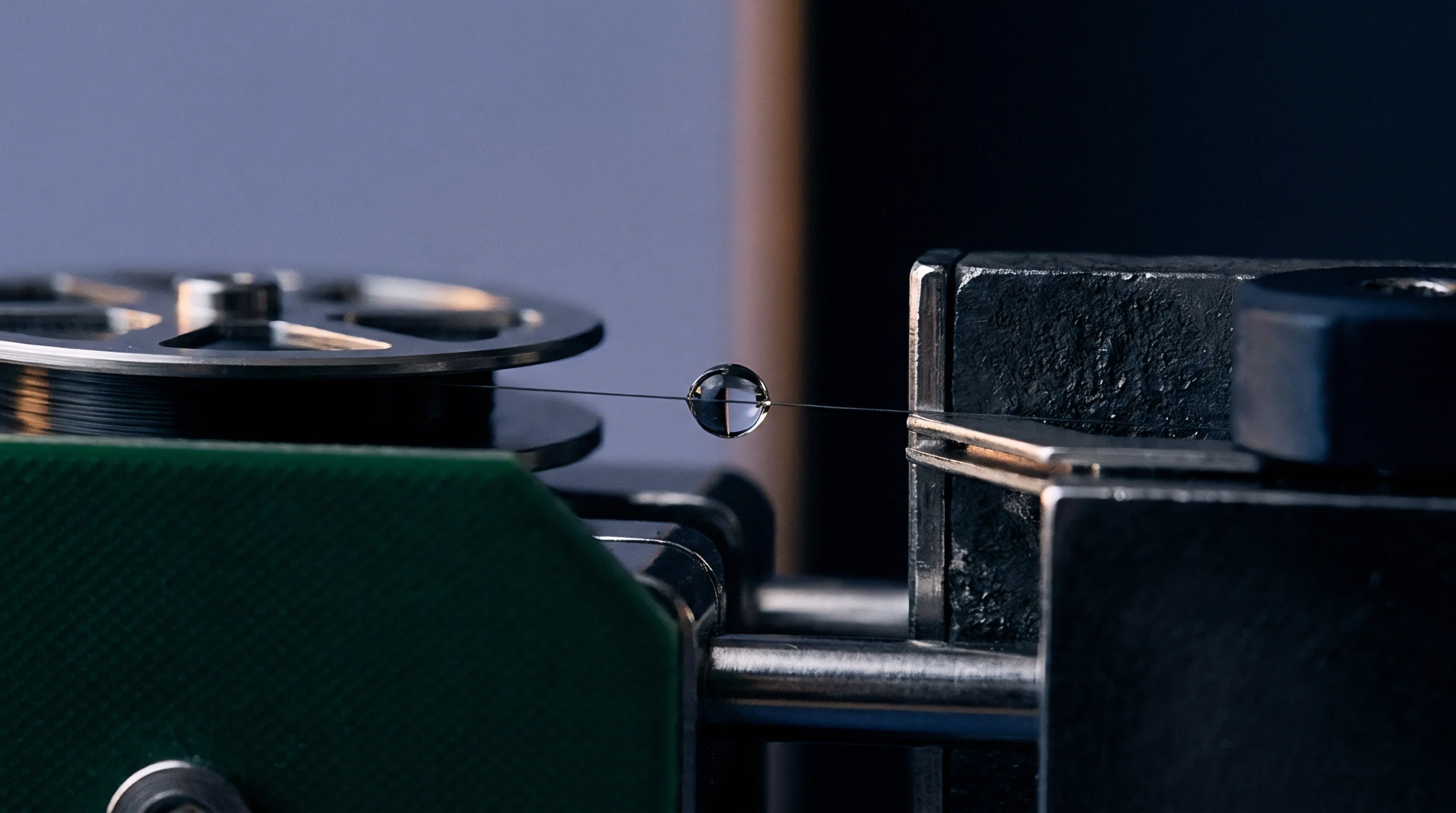
Boundary slip during high-pressure vacuum lamination governs sub-micron foil distortion, requiring synchronized pressure ramps and stiff carrier backings to protect yield.
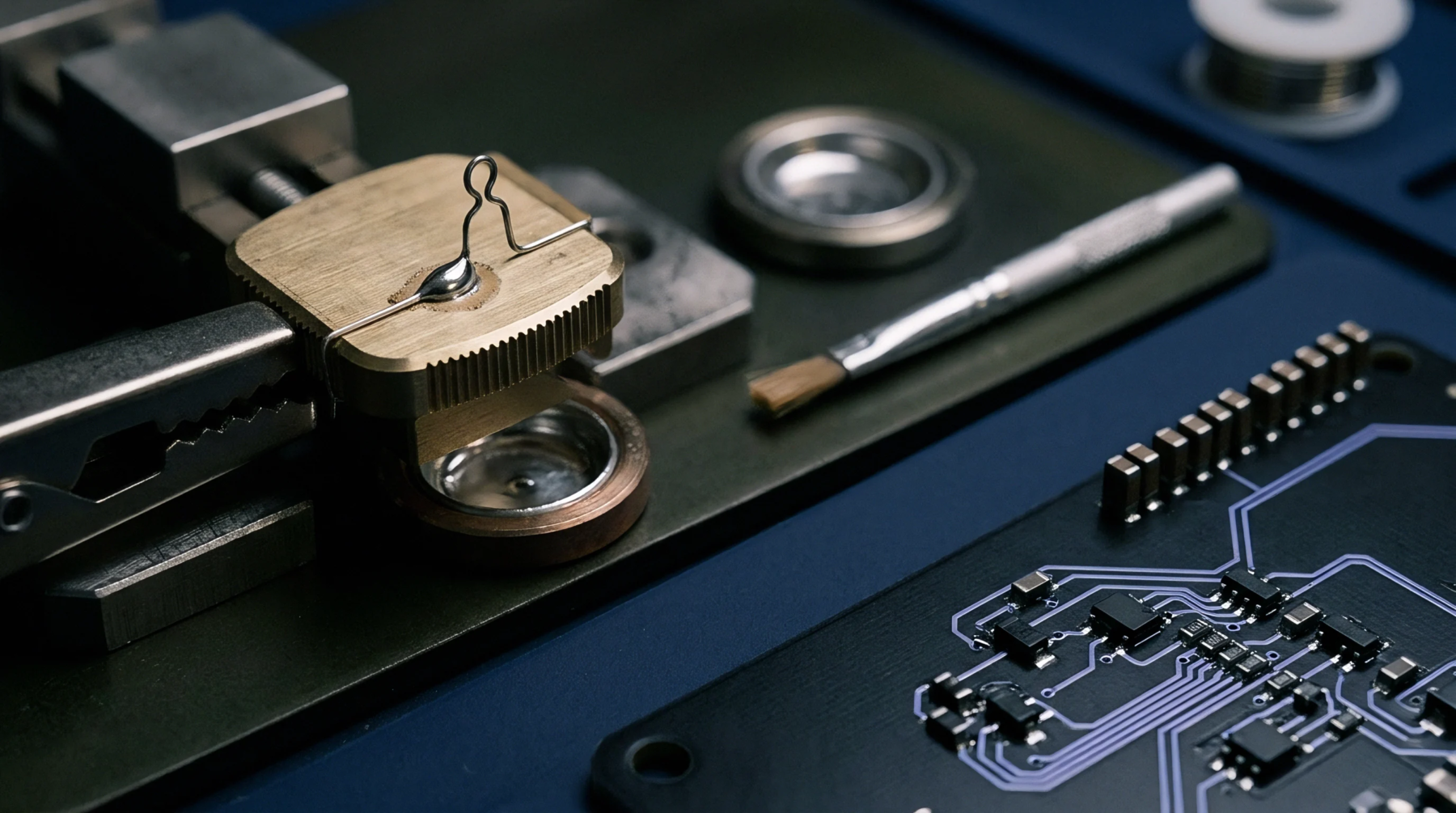
Fluoropolymer substrates absorb minimal water, but interfacial moisture traps degrade dielectric loss and shift high-frequency attenuation stability over time.
Ultra-smooth copper reduces boundary wall friction, accelerating resin squeeze-out and requiring tailored lamination press cycles to hold dielectric thickness.
Ultra-smooth foil lamination trades mechanical tooth for chemical bonding, demanding tightly controlled press viscosity windows to avoid delamination.
Dielectric anisotropy in sub-THz glass substrates demands multi-mode resonant and transmission line metrology to decouple in-plane from out-of-plane permittivity.
Mechanically spread glass eliminates glass weave skew by expanding yarn bundles into flat ribbons that eliminate resin gaps and equalize dielectric constants.
Fiber style choices and trace orientation dictate differential phase skew, requiring spread glass or angled routing to hold timing bounds.
Modulating trace geometries against local interfacial dielectric gradients stabilizes phase velocity across millimeter wave interconnects.
Expertise is a utility, not a secret. sentiention™ publishes its working knowledge as open reference: intelligence layer covering the materials it sources, the markets it enters, and the reference that serves both.