Conveyorized Etch Fluid Dynamics Impact on High Frequency Conductor Losses
Etch fluid pooling creates trace asymmetry, changing high-frequency conductor profiles and driving insertion loss variations across printed circuit panels.
Etch fluid pooling creates trace asymmetry, changing high-frequency conductor profiles and driving insertion loss variations across printed circuit panels.
Etch factor quantification converts trapezoidal microstrip sidewall angles into accurate field solver inputs to prevent high-frequency impedance shifts.

Asymmetrical dielectric buildup increases microvia thermal strain energy density, accelerating fatigue fracture at target pad corners during reflow cycling.
Calculating pressed prepreg thickness requires accounting for copper pattern density, foil height, glass style geometry, and resin flow during cure.
HDI laminate selection balances resin z-CTE expansion, low-Dk glass weave style, and HVLP copper roughness against sequential lamination panel yields.
Foil roughness forces skin currents through sub-micron surface teeth above 10 GHz, requiring Huray snowball modeling and low-etch oxide chemistries.
Mitigate differential stripline glass weave skew by combining low-Dk spread glass, multi-ply prepregs, and minimum two-degree routing offsets on drawings.
Dynamic zone direct imaging compensates for anisotropic thin-core shrinkage, keeping microvia misregistration within sub-15 micron limits.
Chemorheological modeling predicts thermoset gelation and squeeze flow, defining heating rates and platen pressures to hold sub-20 µm dielectric variations within ±1 µm.
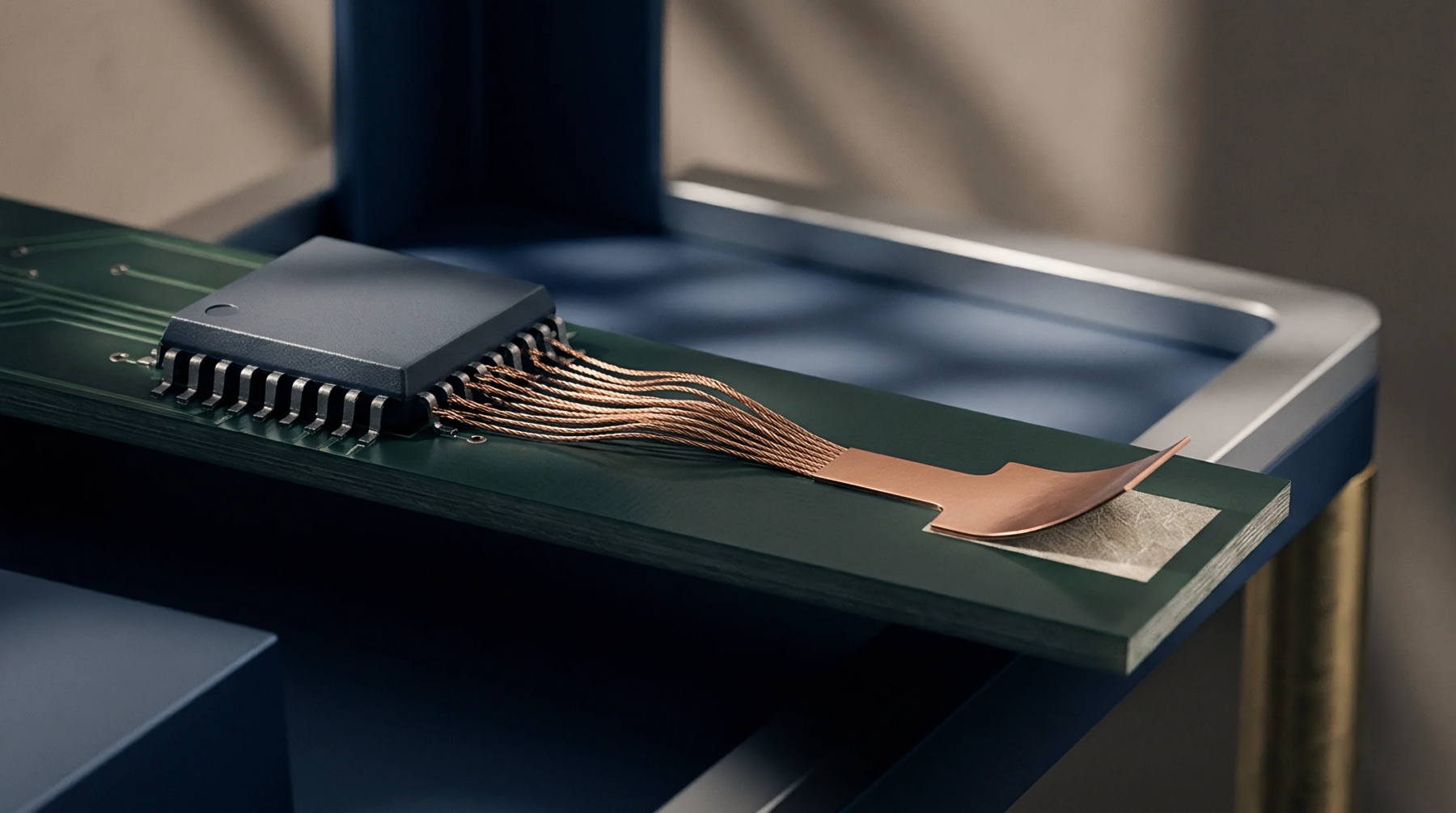
High shear squeeze flow during substrate lamination forces shear thinning in prepreg resin, enabling complete microvia cavity fill before gelation locks the network.
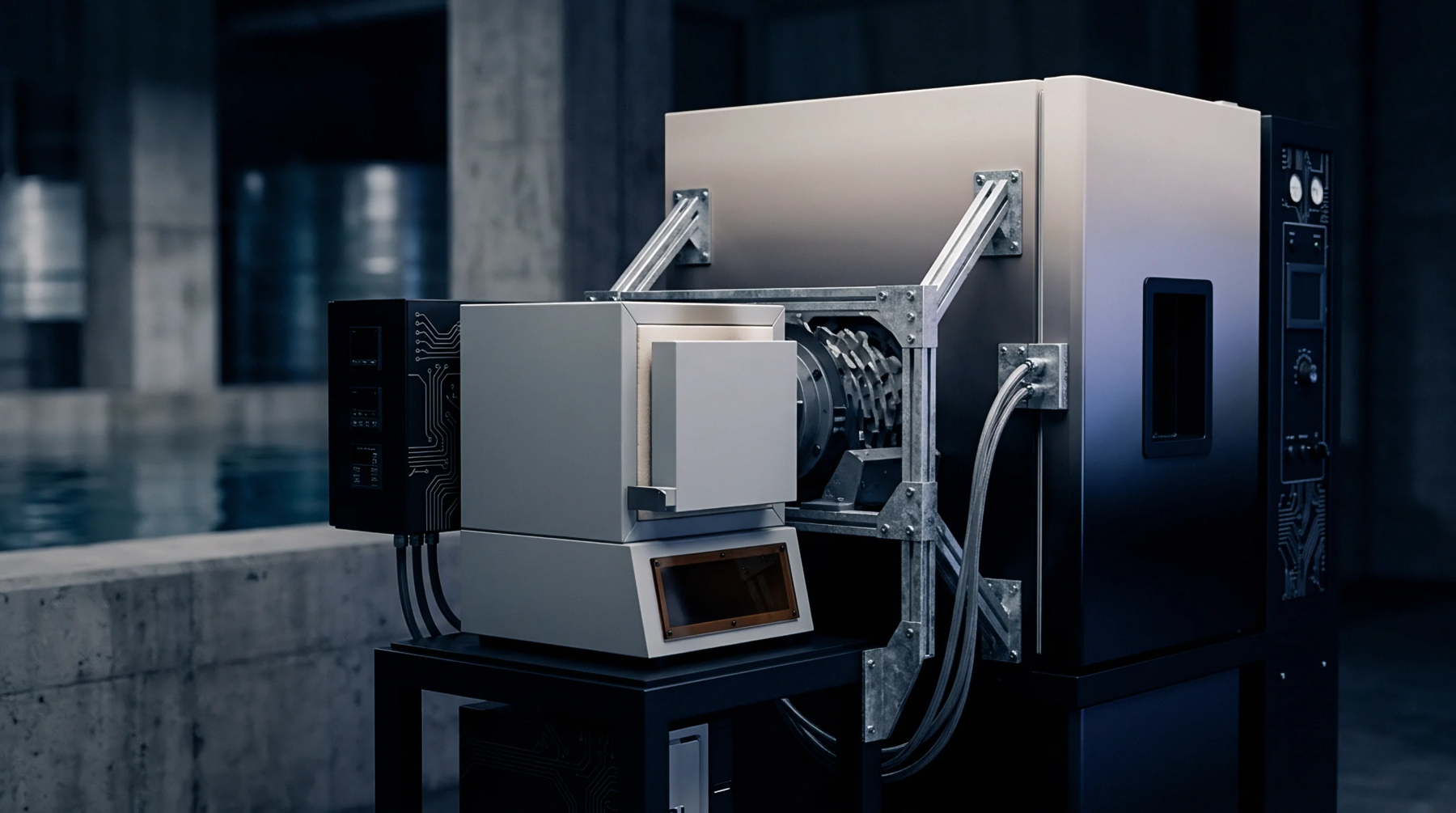
Optimizing etch compensation factors requires matching base copper profile tolerances to fluid replenishment rates on thin HDI inner layer cores.
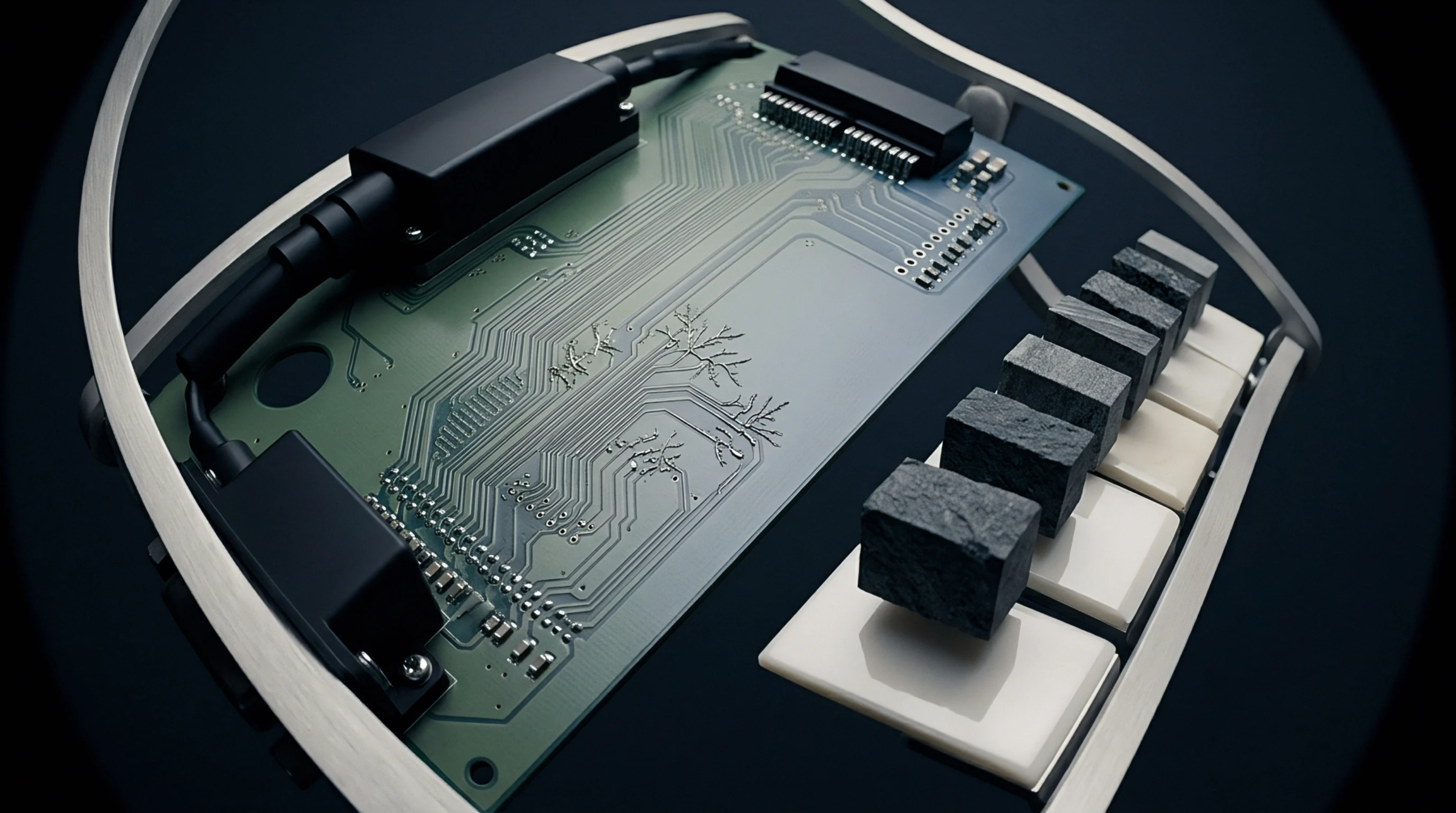
Managing inner layer dimensional movement relies on compensating for anisotropic glass weave shrinkage, copper pattern stress relief, and lamination thermal expansion.
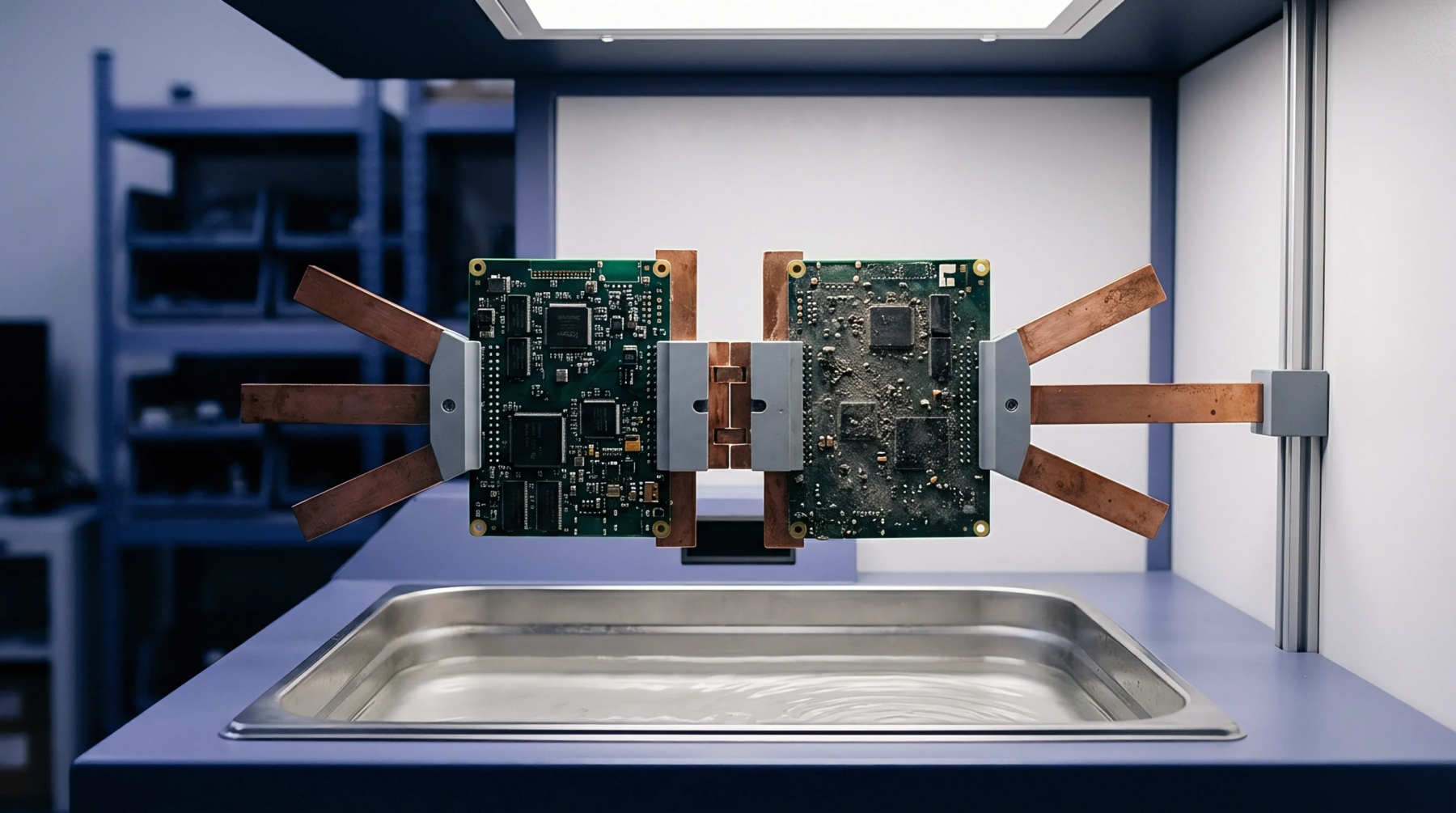
Spread glass styles eliminate dielectric spatial variation, stabilizing differential impedance and phase skew across high-frequency printed circuit routing.
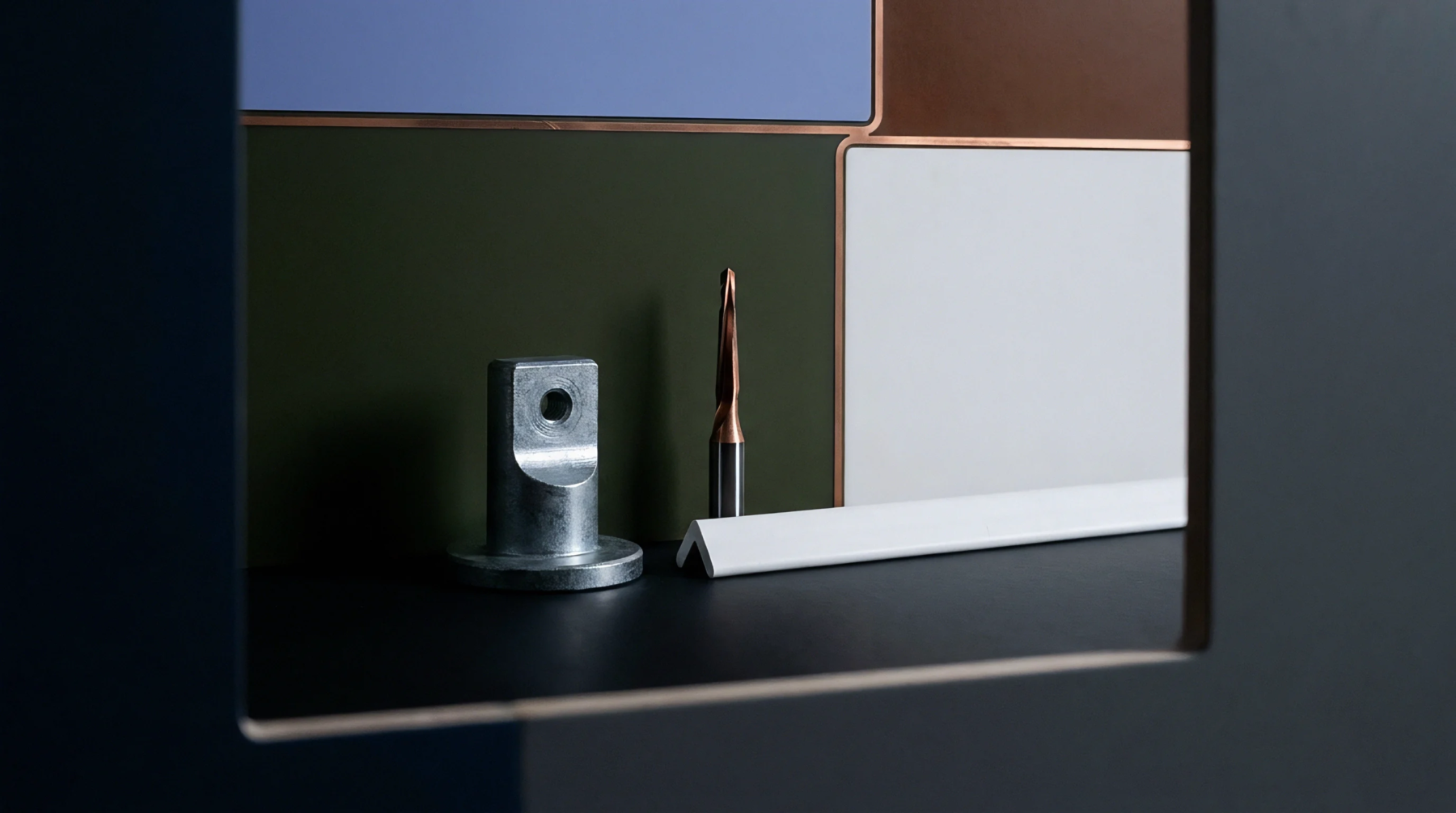
Clamped stripline resonators extract out-of-plane permittivity and loss tangent up to 10 GHz by measuring resonant modes of unclad dielectric sheets under pressure.
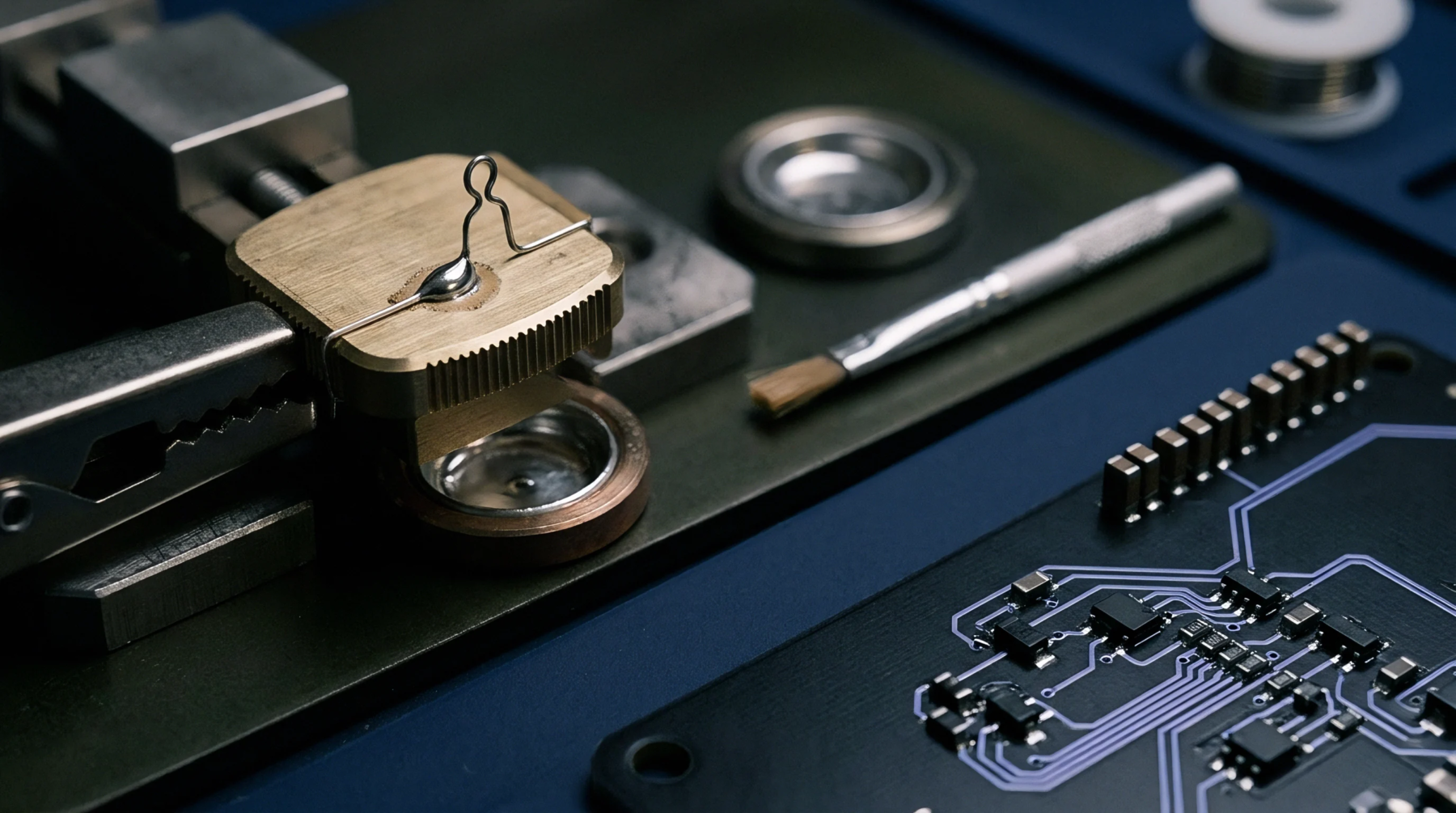
Integrating z-axis dielectric dispersion with resin distribution data prevents impedance mismatches and vertical eye closure in 112G PAM4 channels.
Calculate stripline impedance by applying the geometric mean of in-plane and z-axis permittivity to sidewall fringing fields to eliminate 2-ohm routing offsets.
Resin content mismatch shifts dielectric constants, alters transmission line impedance, and drives thermal warpage unless glass styles and resin volumes balance.
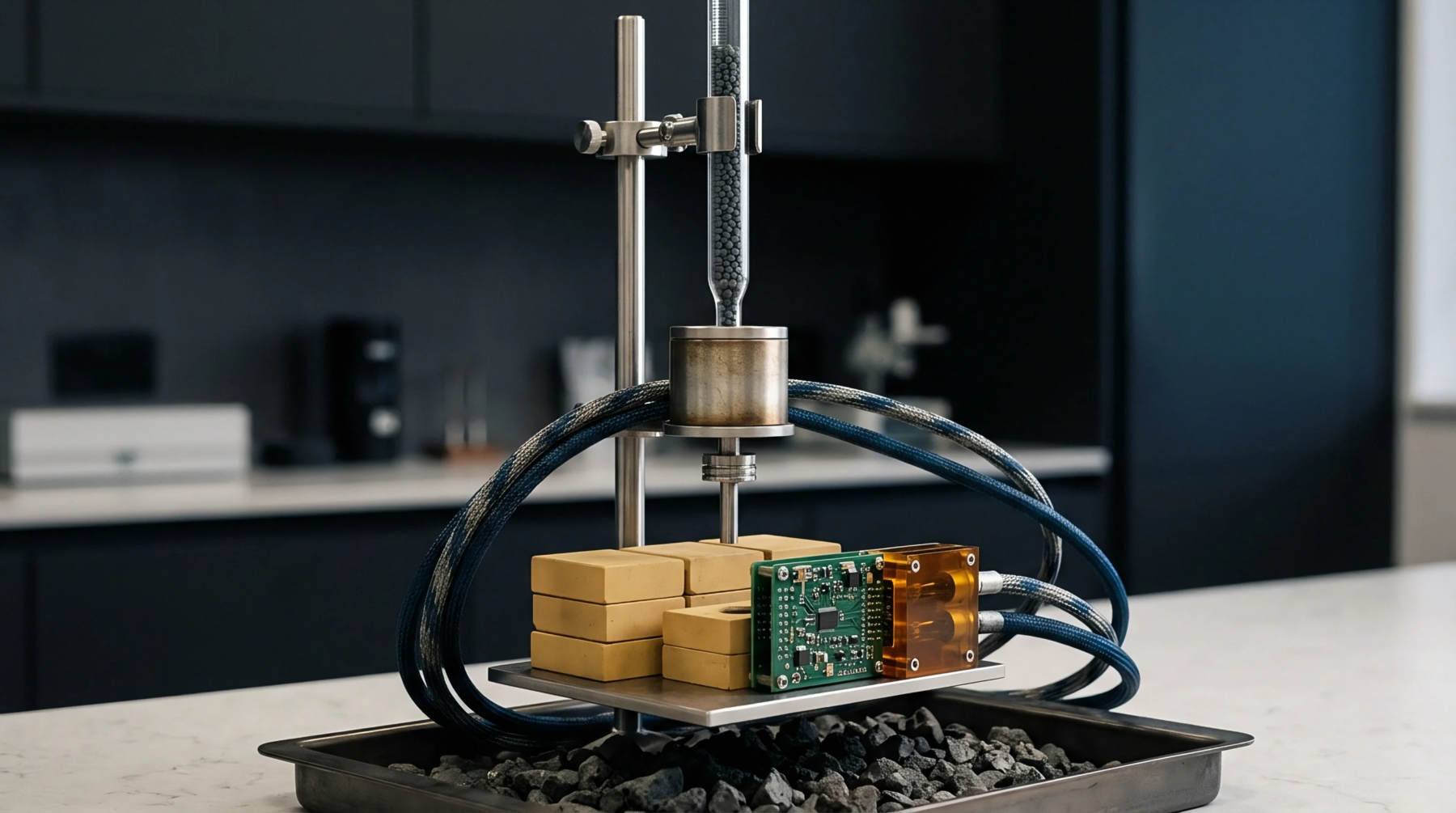
Deriving master panel parametric scrap tolerances requires mapping z-axis dielectric gradients to prevent edge-induced transmission line impedance failures.
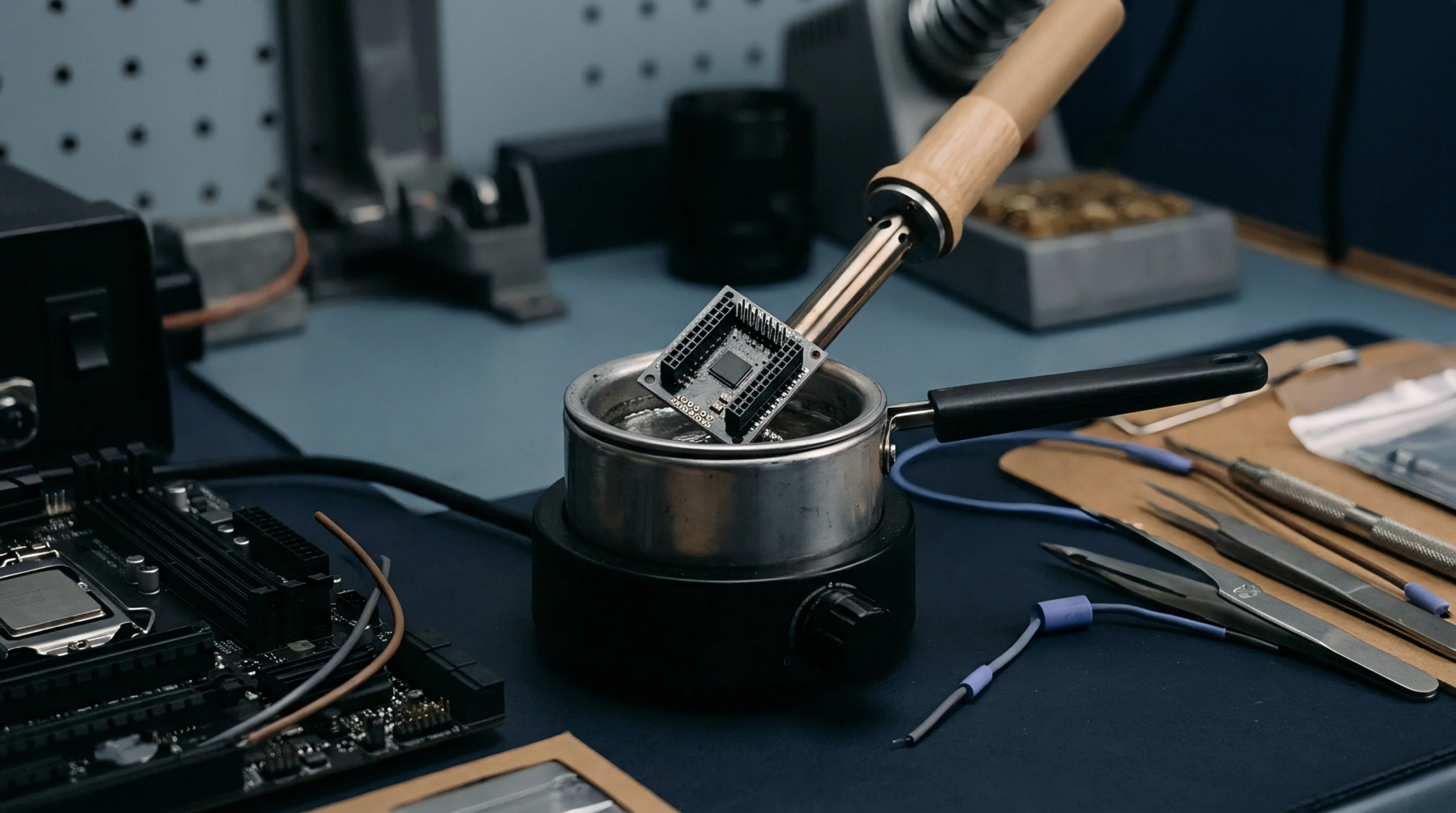
Modeling spatial permittivity gradients across master panels prevents severe sub-THz phase mismatch and bounds yield loss in production multilayers.
Glass reinforcement drives in-plane permittivity up to fifteen percent above out-of-plane values, demanding dual-axis coupon extraction for RF designs.
Staging hydraulic lamination pressure and damping heating rates above dynamic viscosity minimums prevents hydrodynamic resin shear from displacing heavy copper inner conductors.
Optimizing inner layer copper thickness and prepreg fill demands matching matrix resin volume to clearance void area while controlling pressed dielectric height.
Asymmetric ultra-low-loss stackups shift the neutral axis and concentrate reflow shear strain at copper boundaries, requiring aspect ratios under 10:1 to protect barrel fatigue life.
Optimizing plasma desmear for heterogeneous laminates balances differential etch rates across polymer chemistries to ensure plating adhesion without wedge defects.

Moisture absorption along hydrolyzed glass silane interfaces causes severe high-frequency dielectric loss and phase drift under continuous damp heat exposure.
Dense smooth foil stackups require synchronized vacuum press cycles and high-resin fine-glass prepregs to prevent micro-cavity voids and dielectric starvation.
Boundary slip velocity models replace empirical roughness factors with electron specularity parameters, predicting insertion loss and phase delay up to 110 GHz.
Dynamic thermal gradients alter substrate permittivity, causing severe phase delay skew and PAM4 eye closure unless mitigated by ultra-flat glass and low-drift resins.
Split post resonators extract substrate temperature dielectric coefficients by separating thermal expansion dimensional changes from intrinsic permittivity drift.
Matrix thermal permittivity drift alters RF phase velocity and impedance, demanding ceramic-filled low-TcDk laminates for thermally stable millimeter-wave designs.
Expertise is a utility, not a secret. sentiention™ publishes its working knowledge as open reference: intelligence layer covering the materials it sources, the markets it enters, and the reference that serves both.