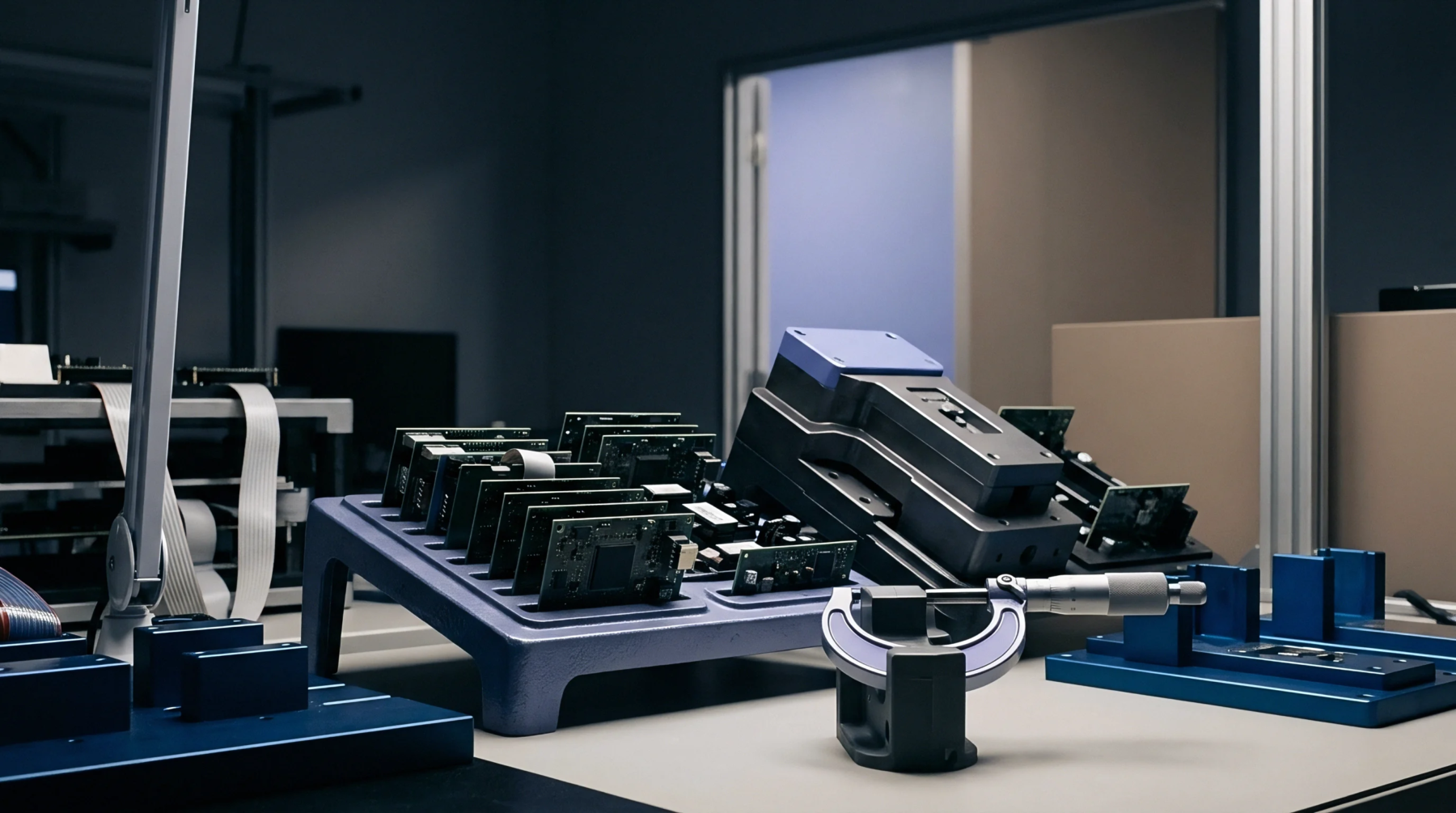
Dynamic Squeeze Flow Dielectric Thickness Control in Ultra Smooth Copper Stackups
Ultra-smooth copper reduces boundary wall friction, accelerating resin squeeze-out and requiring tailored lamination press cycles to hold dielectric thickness.
Ultra-smooth copper reduces boundary wall friction, accelerating resin squeeze-out and requiring tailored lamination press cycles to hold dielectric thickness.

Dense smooth foil stackups require synchronized vacuum press cycles and high-resin fine-glass prepregs to prevent micro-cavity voids and dielectric starvation.
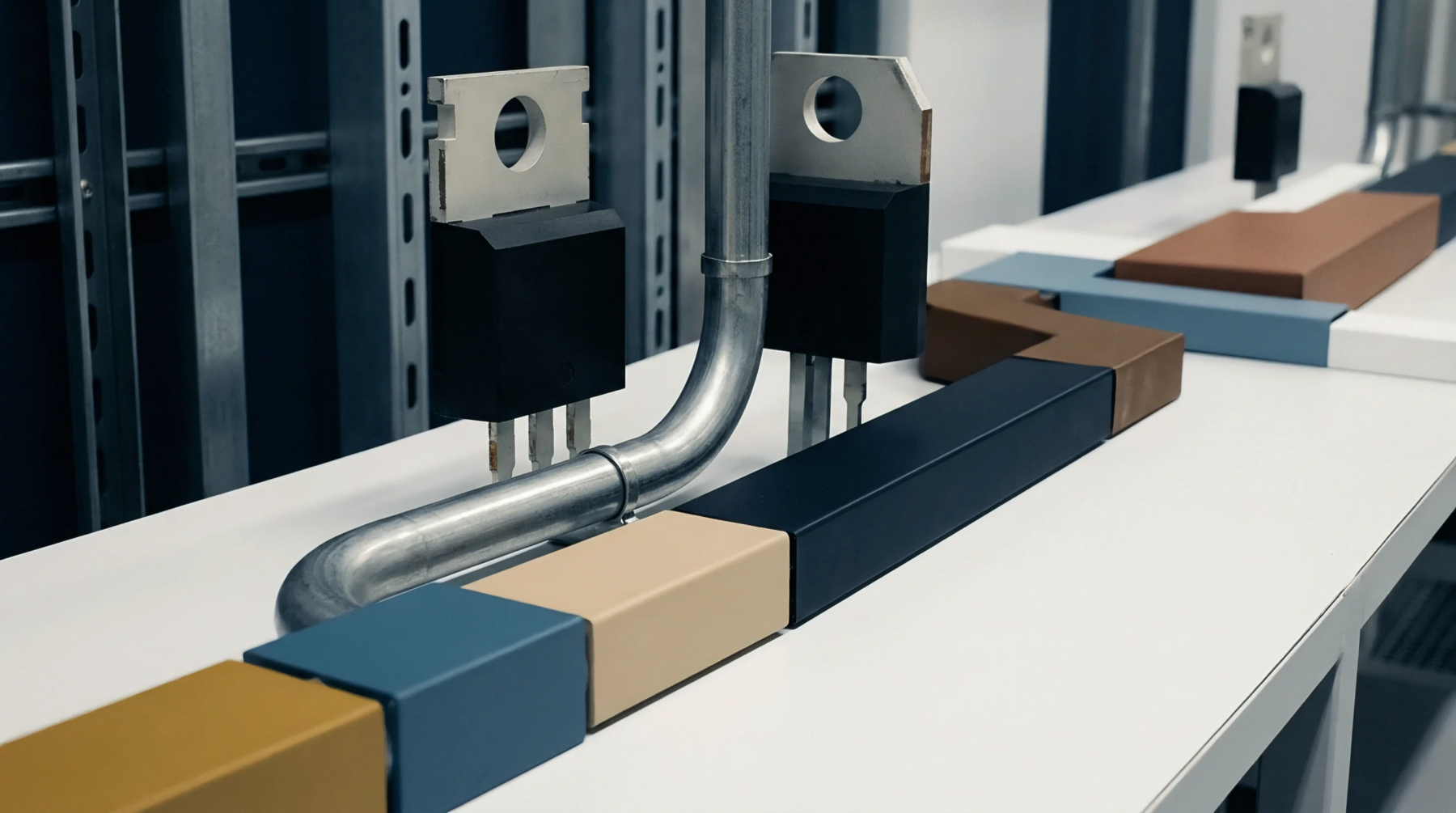
Predictive non-Newtonian flow modeling prevents micro-voiding in ultra-heavy copper cavities by matching prepreg viscosity minimums to press force ramps.
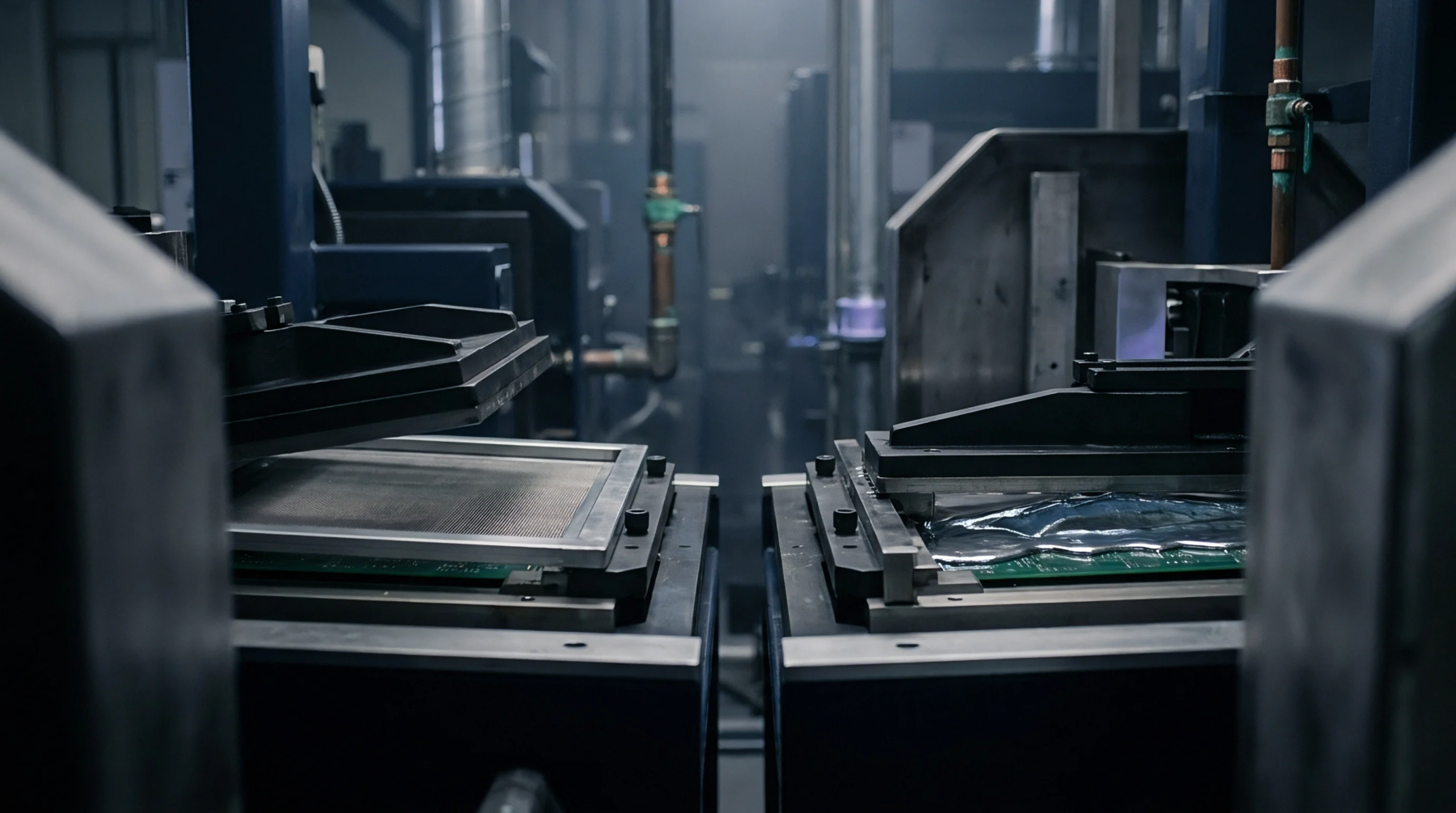
Standard test coupon layouts place structural patterns in panel frame gutters to verify microsection plating and trace impedance without sacrificing yield.
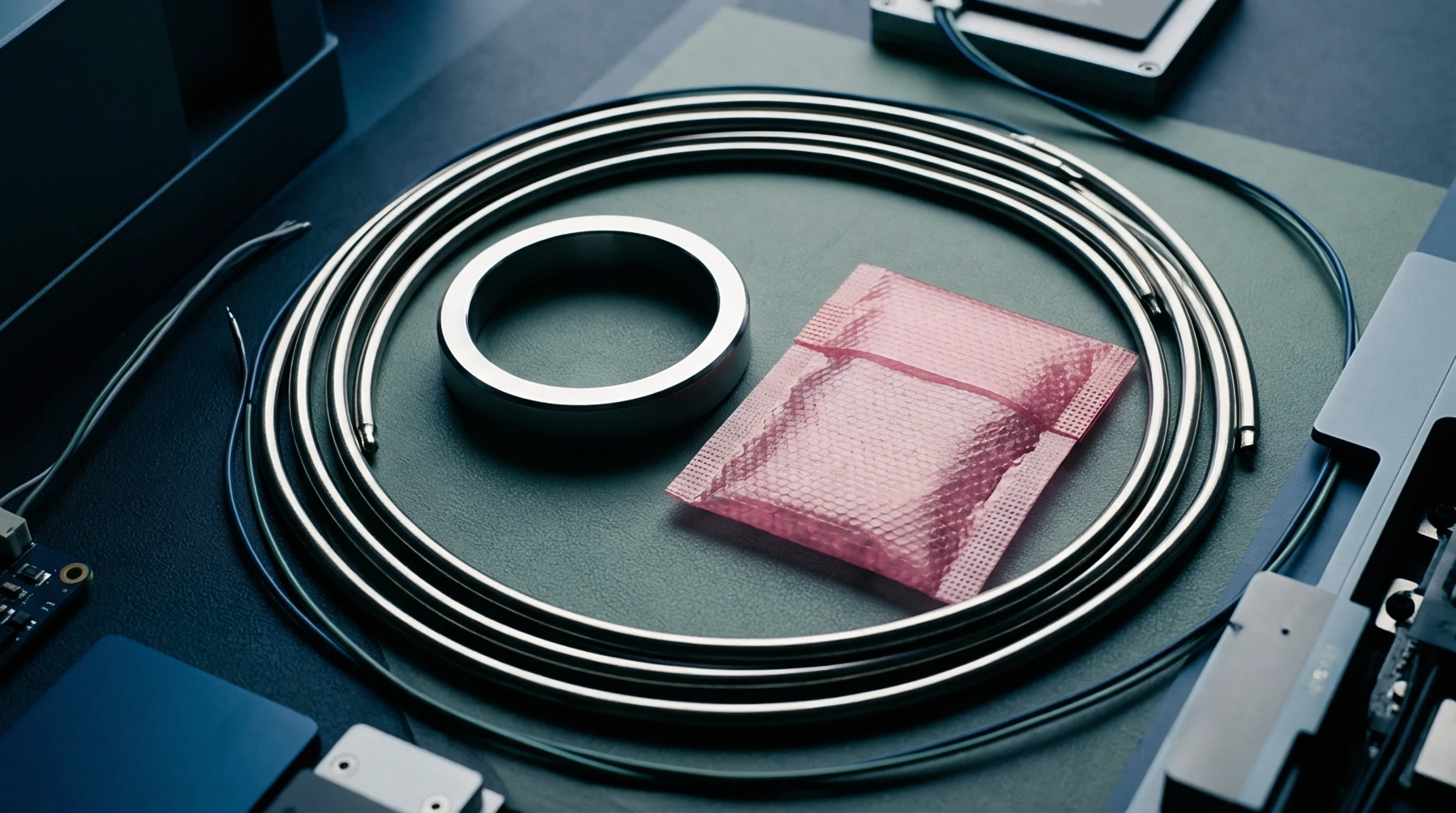
Optimizing inner layer registration requires balancing thermal expansion tolerances through four-slot pinning while managing prepreg viscosity windows under staged pressure.
Analytical squeeze flow models predict trace swim by calculating hydrodynamic drag and side-wall pressure differentials across fine copper features during lamination.

Balanced inner layer copper thieving mitigates thermal lamination shift by equalizing dynamic resin flow pressures and mechanical strains during press cycles.

Prevent inner layer trace swim by maintaining conductor aspect ratios below zero point five zero and pairing heavy copper with high glass fill prepregs.

Resin squeeze-out shear distorts dielectric tensor components and drives microvia misregistration in multi-pass buildup substrates.
Expertise is a utility, not a secret. sentiention™ publishes its working knowledge as open reference: intelligence layer covering the materials it sources, the markets it enters, and the reference that serves both.