Dynamic Squeeze Flow Dielectric Thickness Control in Ultra Smooth Copper Stackups
Ultra-smooth copper reduces boundary wall friction, accelerating resin squeeze-out and requiring tailored lamination press cycles to hold dielectric thickness.
Ultra-smooth copper reduces boundary wall friction, accelerating resin squeeze-out and requiring tailored lamination press cycles to hold dielectric thickness.
HDI laminate selection balances resin z-CTE expansion, low-Dk glass weave style, and HVLP copper roughness against sequential lamination panel yields.
Optimizing inner layer copper thickness and prepreg fill demands matching matrix resin volume to clearance void area while controlling pressed dielectric height.
Predictive non-Newtonian flow modeling prevents micro-voiding in ultra-heavy copper cavities by matching prepreg viscosity minimums to press force ramps.
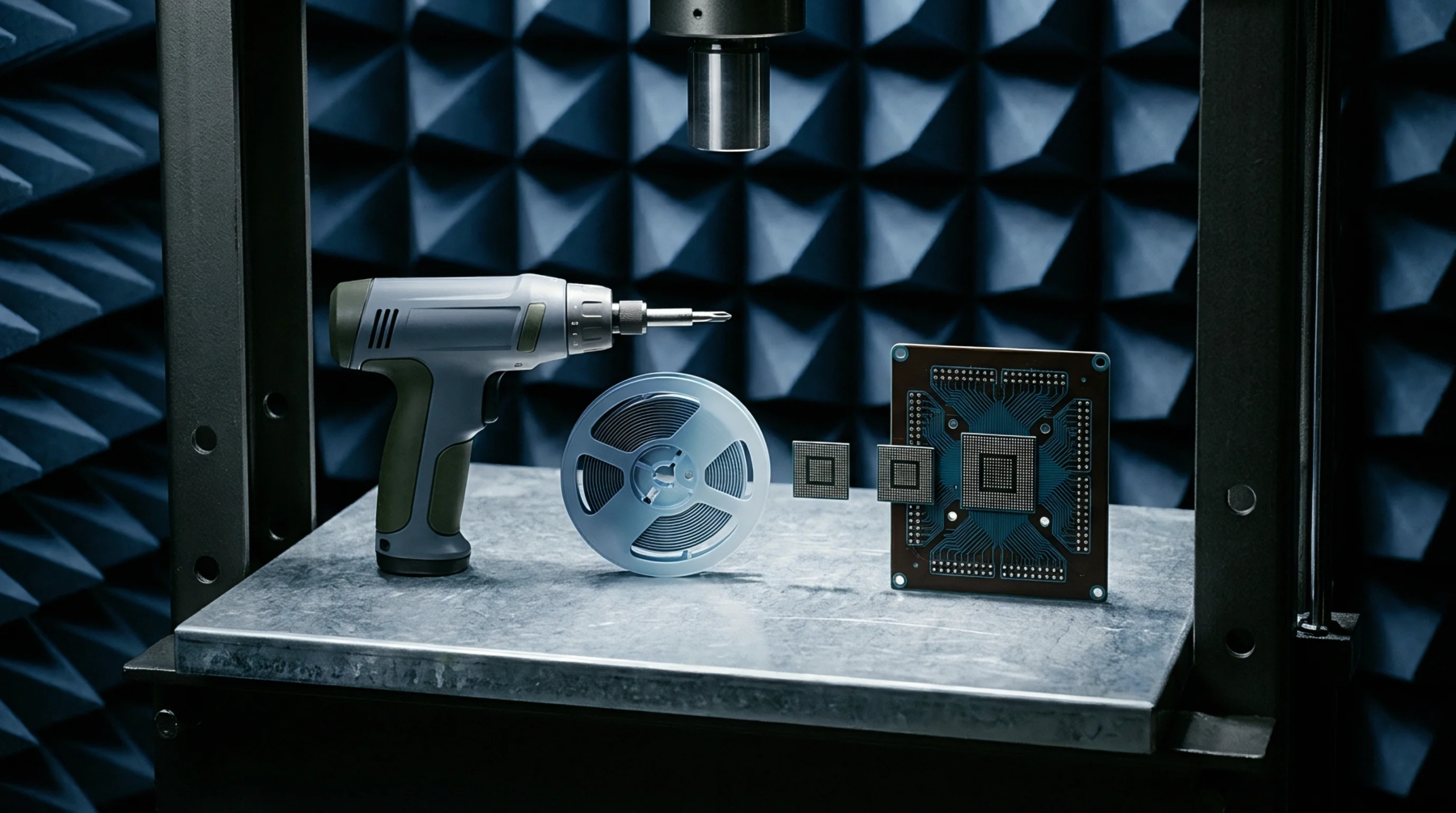
Non-destructive free-space characterization evaluates bulk dielectric properties of raw unclad laminates without etched coupon waste or copper interface errors.
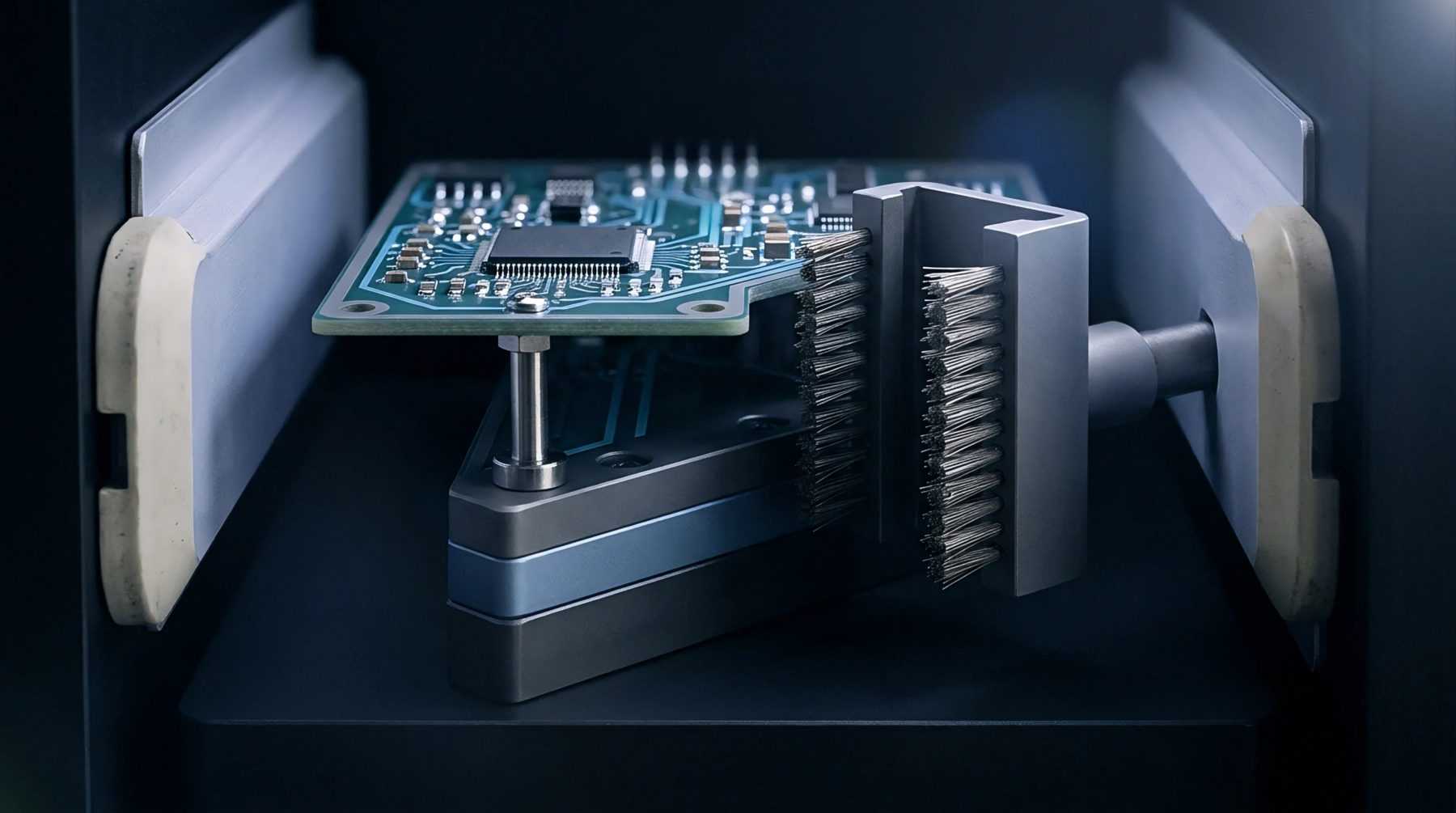
Split post cavity resonance measures in-plane substrate permittivity; z-axis core corrections prevent multi-ohm stripline impedance errors on woven glass panels.

High bandwidth TDR isolates sub picosecond differential phase skew on test coupons to prevent glass weave induced mode conversion in high speed channels.
Prevent inner layer trace swim by maintaining conductor aspect ratios below zero point five zero and pairing heavy copper with high glass fill prepregs.

Modelling slip velocity and pressure gradients across smooth copper foils prevents resin starvation and locks dielectric thickness tolerances during lamination.
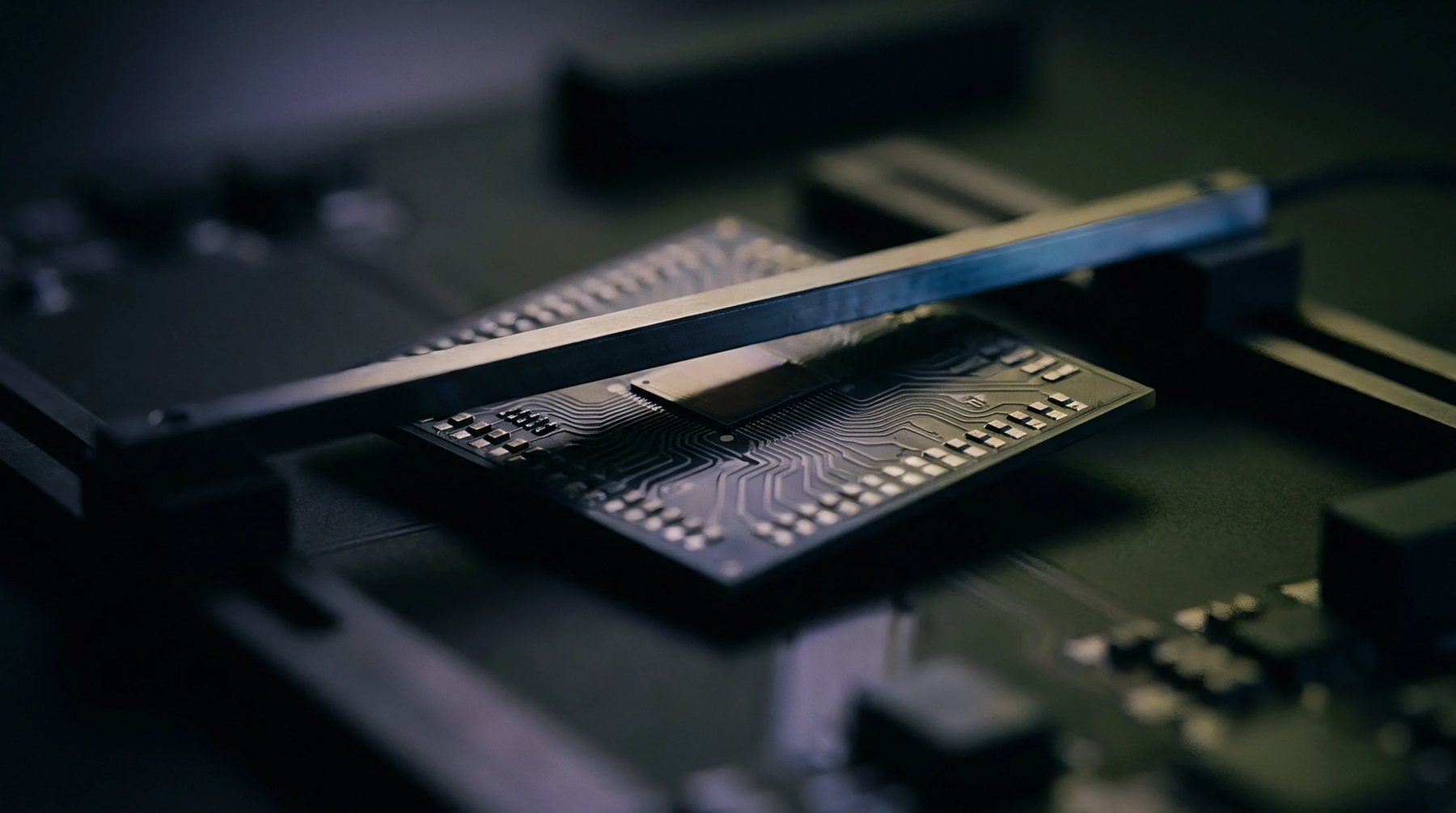
Spatial resin gradients in heterogeneous cores alter localized permittivity, requiring spread-glass selection and off-axis trace routing to control high-frequency phase skew.
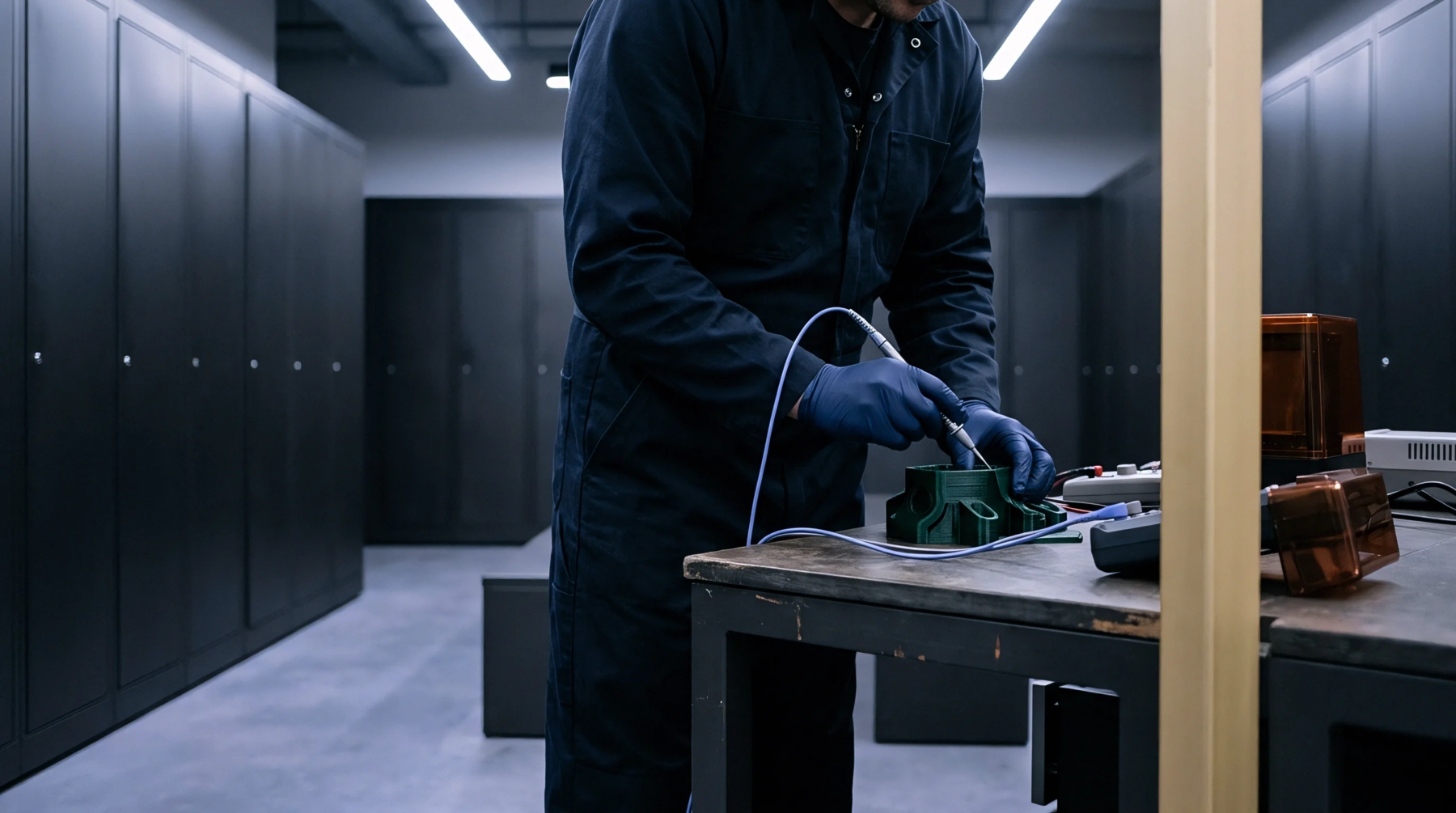
Directional dielectric permittivity variance in multilayer laminates requires evaluating in-plane and out-of-plane Dk tensors to prevent impedance errors.
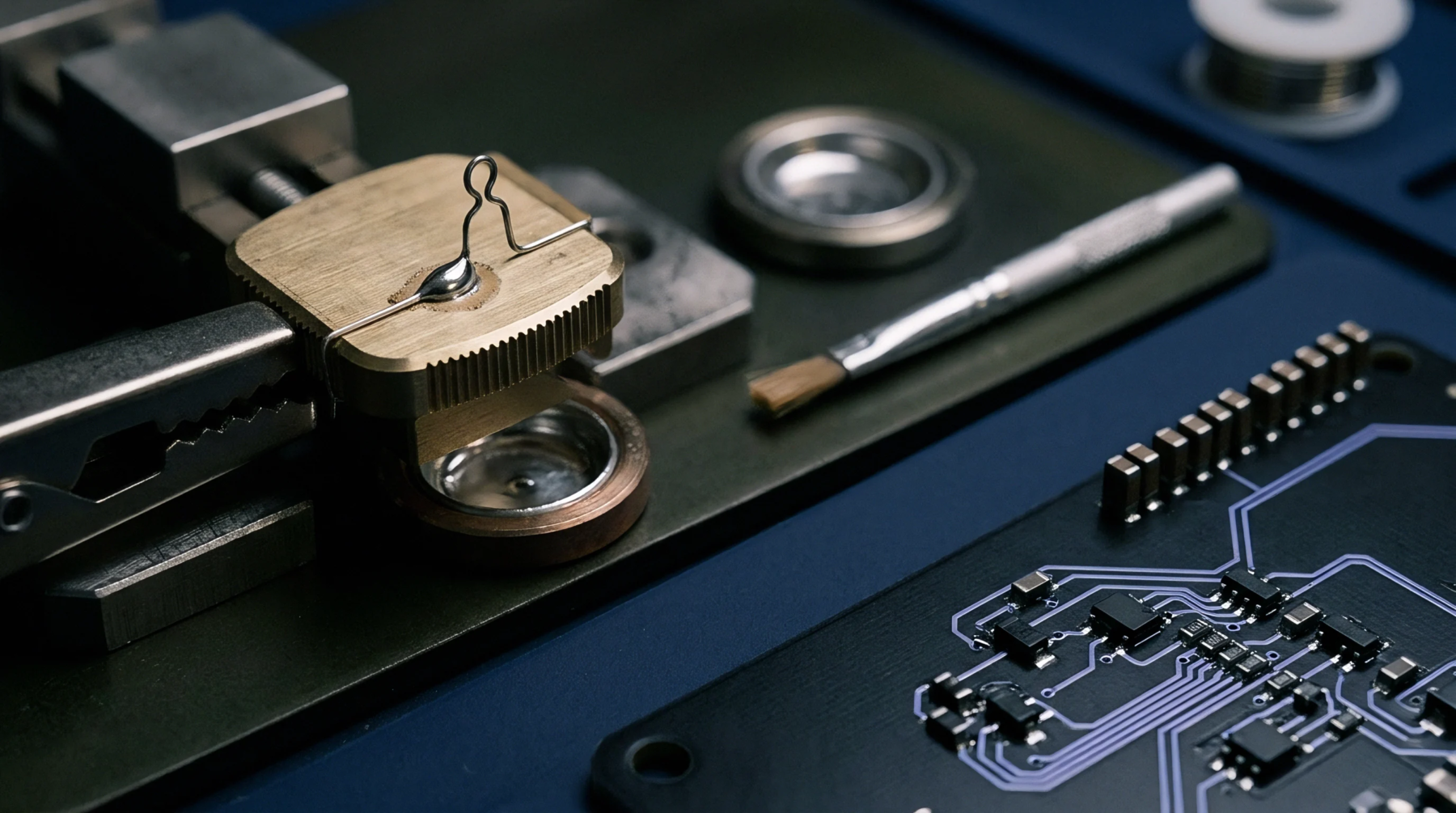
Non-destructive quasi-optical characterization captures true millimeter-wave permittivity tensors, preventing costly phase velocity errors before lamination.
Expertise is a utility, not a secret. sentiention™ publishes its working knowledge as open reference: intelligence layer covering the materials it sources, the markets it enters, and the reference that serves both.