Mechanically Spread Glass Selection and Stackup Optimization for Skew Mitigation
Mechanically spread glass eliminates glass weave skew by expanding yarn bundles into flat ribbons that eliminate resin gaps and equalize dielectric constants.
Mechanically spread glass eliminates glass weave skew by expanding yarn bundles into flat ribbons that eliminate resin gaps and equalize dielectric constants.
Fiber style choices and trace orientation dictate differential phase skew, requiring spread glass or angled routing to hold timing bounds.
Modulating trace geometries against local interfacial dielectric gradients stabilizes phase velocity across millimeter wave interconnects.
HDI laminate selection balances resin z-CTE expansion, low-Dk glass weave style, and HVLP copper roughness against sequential lamination panel yields.
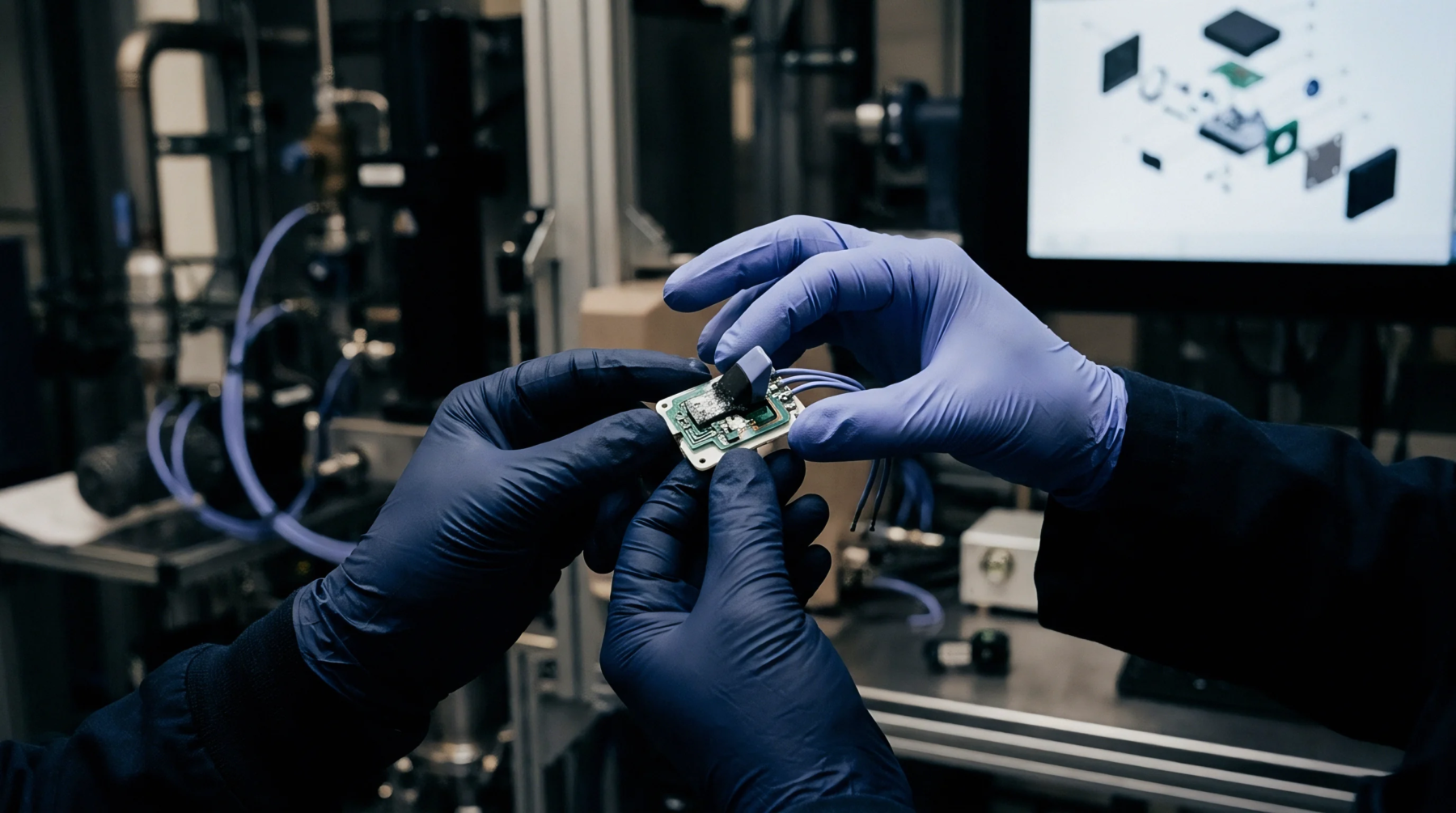
Mitigate differential stripline glass weave skew by combining low-Dk spread glass, multi-ply prepregs, and minimum two-degree routing offsets on drawings.
Microstrip phase velocity depends on outer layer inhomogeneous dielectric fields, glass reinforcement architecture, copper roughness, and lamination compression.
Mid-loss laminates balance dissipation factors between 0.005 and 0.010 with moderate panel costs, matching PCIe Gen 4 and 10GbE signal integrity demands.

Multiline TRL stripline vehicles isolate in-plane permittivity by extracting propagation constants directly, bypassing transition discontinuities and z-axis bias.
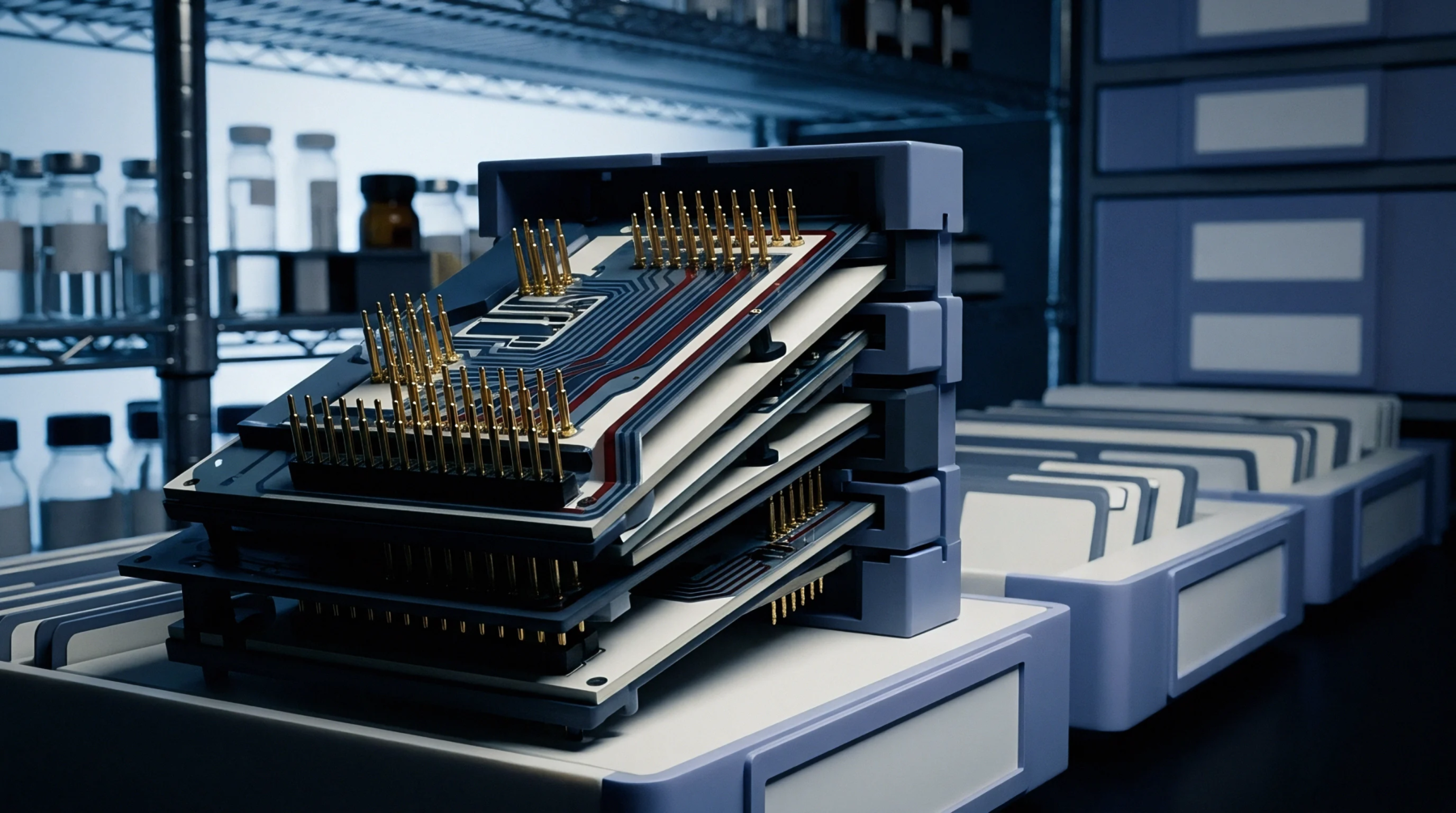
Modified semi additive process stackups require ultra-thin copper seeds under three microns to achieve sub-twenty-micron traces with stable impedance.
Reconciling static field solvers with TDR curves requires transforming 2D RLGC parameters into causal, broadband S-parameters with instrument rise-time filtering.
Expertise is a utility, not a secret. sentiention™ publishes its working knowledge as open reference: intelligence layer covering the materials it sources, the markets it enters, and the reference that serves both.