Dynamic Squeeze Flow Dielectric Thickness Control in Ultra Smooth Copper Stackups
Ultra-smooth copper reduces boundary wall friction, accelerating resin squeeze-out and requiring tailored lamination press cycles to hold dielectric thickness.
Ultra-smooth copper reduces boundary wall friction, accelerating resin squeeze-out and requiring tailored lamination press cycles to hold dielectric thickness.
Staging hydraulic lamination pressure and damping heating rates above dynamic viscosity minimums prevents hydrodynamic resin shear from displacing heavy copper inner conductors.
Asymmetric inner-layer copper weights alter local resin viscosity flow rates during multi-platen pressing, requiring pattern thieving to ensure plane flat panels.
Predictive non-Newtonian flow modeling prevents micro-voiding in ultra-heavy copper cavities by matching prepreg viscosity minimums to press force ramps.
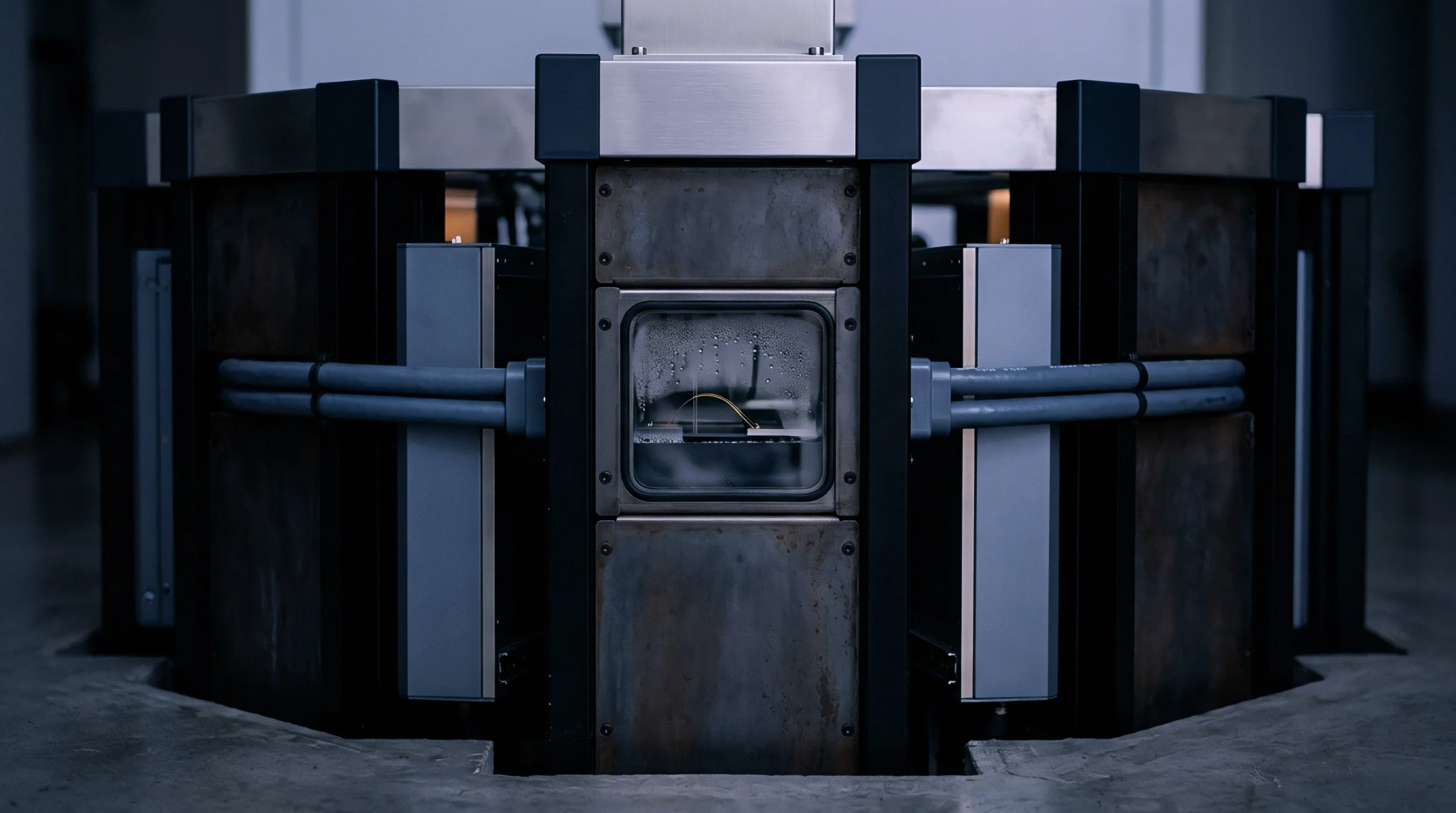
Non-isothermal squeeze flow and anisotropic permeability dictate prepreg filling, requiring precise press ramps to prevent dielectric micro-voiding.

Dynamic viscosity minimums and hydraulic press profiles dictate complete microscale clearance filling, preventing latent internal voids and panel scrap.

Dynamic prepreg viscosity and cure kinetics dictate resin flow windows, microvia filling completeness, and layer encapsulation during HDI board lamination.
Prepreg resin flow during vacuum lamination requires balancing platen ramp rates against copper fill volume to eliminate internal clearance microvoids.

Analytical squeeze flow models predict trace swim by calculating hydrodynamic drag and side-wall pressure differentials across fine copper features during lamination.
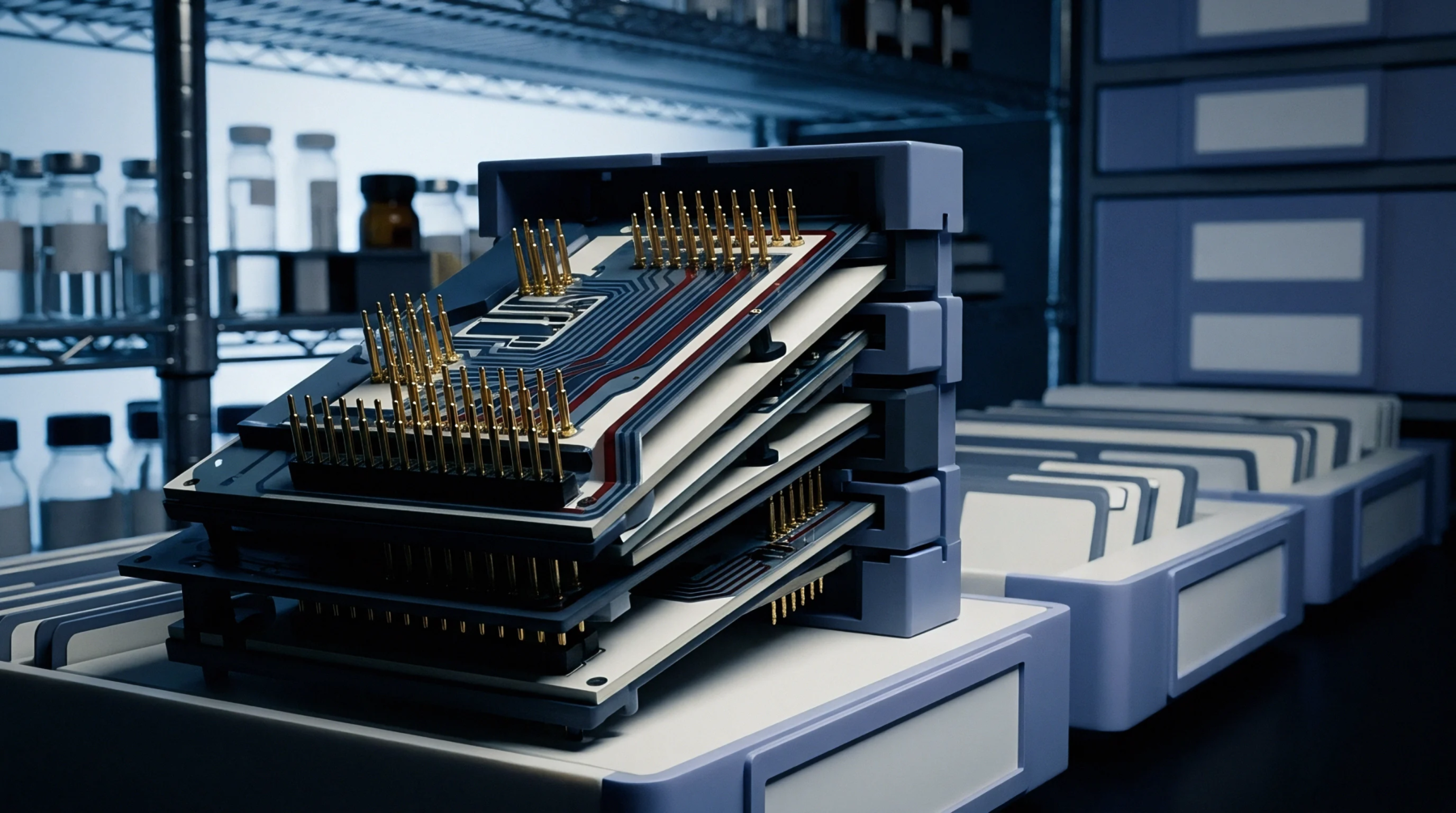
Matching prepreg melt viscosity minima to press pressure ramps prevents thin-core distortion and resin starvation in high-density multilayer lamination.
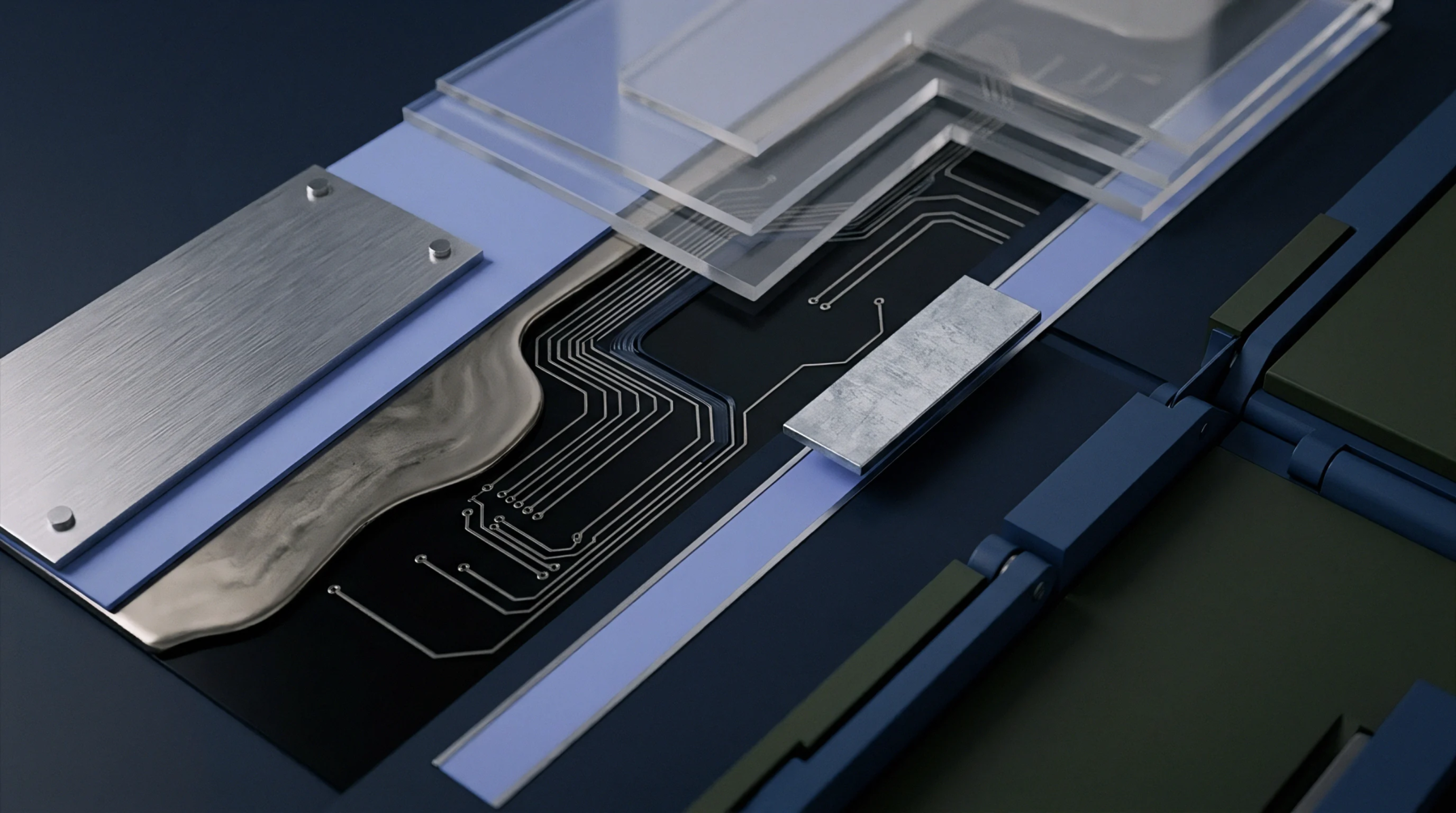
Shear forces during vacuum pressing shift heavy copper traces when resin flow velocity exceeds interfacial bond strength, requiring optimized aspect ratios.

Multilayer PCB lamination relies on managing dynamic resin viscosity and glass fabric permeability to fill copper features without starving dielectric layers.

High-frequency laminate rheology dictates prepreg flow kinetics, fixing pressed dielectric thickness, local impedance stability, and panel registration yield.
Non-Newtonian resin flow inside thin prepreg micro-channels governs void formation, trace displacement, and dielectric thickness stability during high-pressure lamination.

Stackup selection balances resin flow, z-axis dielectric constants, and panel utilization to fix bare-board cost, impedance tolerances, and factory pool.
Expertise is a utility, not a secret. sentiention™ publishes its working knowledge as open reference: intelligence layer covering the materials it sources, the markets it enters, and the reference that serves both.