Assembly Process
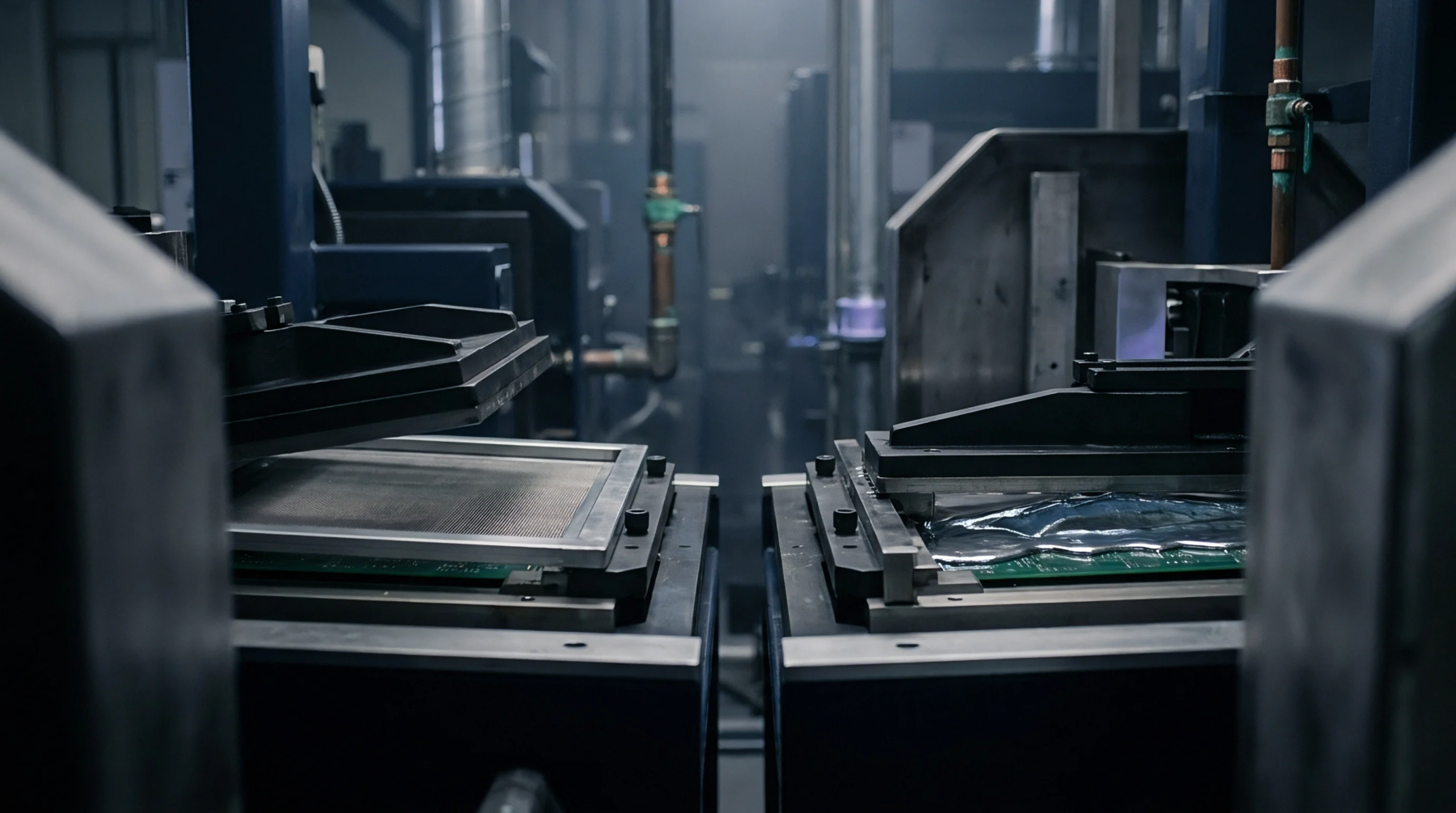
High volume electronic production relies on mounting discrete components directly onto the top surfaces of printed circuit boards to minimize footprints and shorten electrical paths. Within this workflow, surface mount technology replaces bulky through hole pins with conductive pads that connect to pads on the substrate using solder paste. Automated pick and place machines position these parts with micron scale accuracy before the assembly enters a reflow oven.
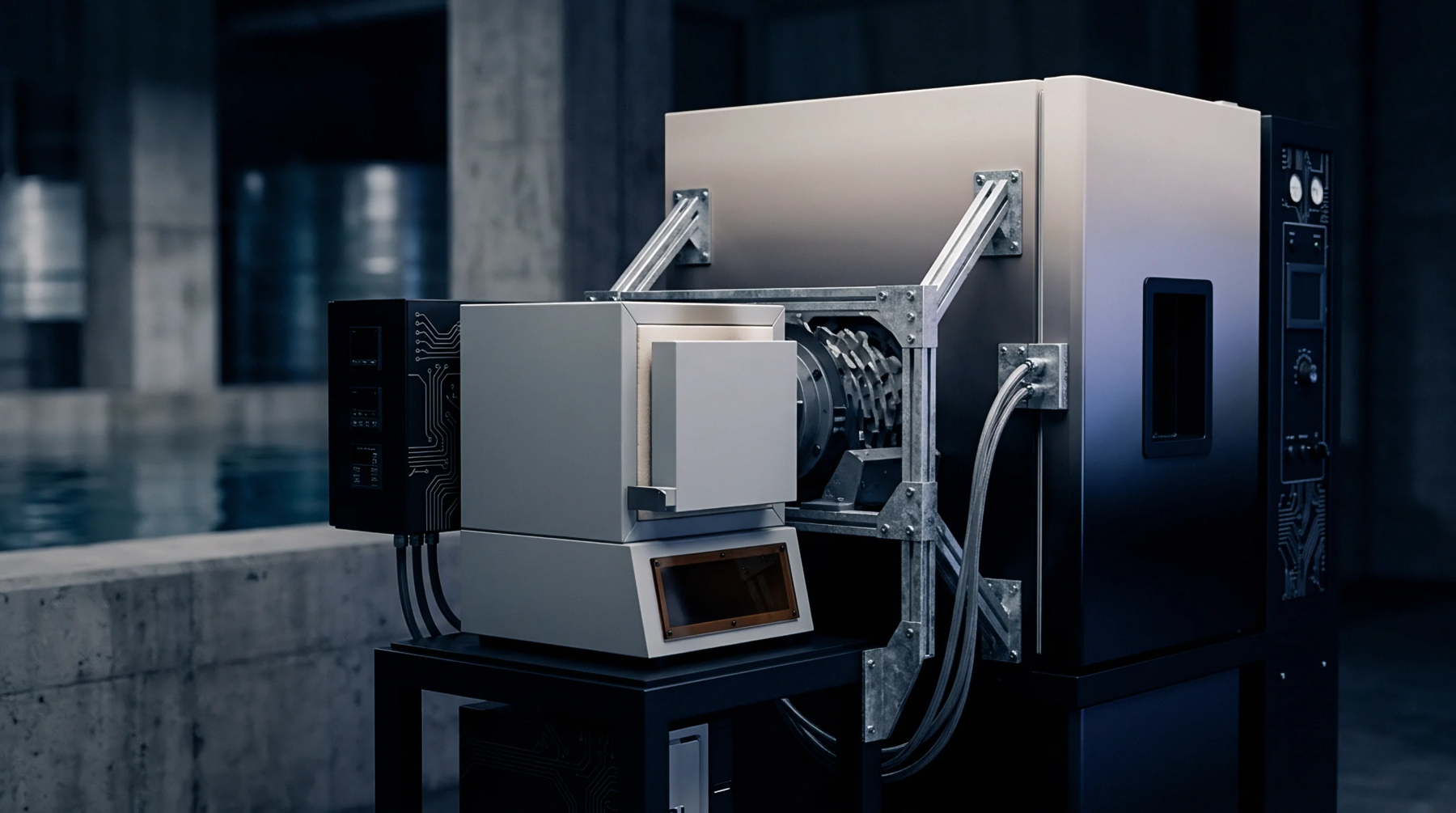
Heating cycles melt the alloy into a metallic bond while surface tension pulls smaller parts into alignment with their designated footprints. Engineers specify pad geometry and stencil apertures to regulate the volume of solder deposited on each site. Consistent results depend on the viscosity of the paste and the thermal profile of the furnace.
Placement Tolerance
Misalignment during placement creates bridges between adjacent pads or causes tombstoning where one termination lifts from the board. Manufacturers utilize optical inspection systems to verify component polarity and registration before the solder liquefies. Deviations exceeding defined limits trigger rework or rejection of the board because thermal expansion coefficients mismatch between the ceramic package and the board material.
Rigid control of the reflow soak zone prevents oxidation of the solder balls and ensures total wetting of the metal interfaces.
Reliability Factor
Solder joints provide the only mechanical attachment for parts mounted via this method and undergo significant stress during operation. Thermal cycling induces fatigue as the board expands at a rate different from the component bodies. Designers manage this tension by selecting matching materials or adding underfill compounds to distribute mechanical loads across the package base.
Failure analysis focuses on intermetallic layer thickness and void formation inside the joints. Brittle fractures appear if the alloy stays in the reflow zone too long or cools at an incorrect speed. Proper implementation of these guidelines secures the structural integrity of the circuit.