
Trapezoidal Copper Profile Geometry and Microstrip Wave Impedance
Trapezoidal trace tapering reduces effective line width, raising microstrip impedance above rectangular model predictions and demanding field solver validation.
Trapezoidal trace tapering reduces effective line width, raising microstrip impedance above rectangular model predictions and demanding field solver validation.

Eliminate Hermes inspection interlock latency by disabling TCP packet delays, isolating machine subnets, and stripping metrology data from board handshakes.

Calibrating AOI offset triggers for fine pitch SMT requires mapping optical pixel resolution against surface tension self-alignment limits to minimize false calls.
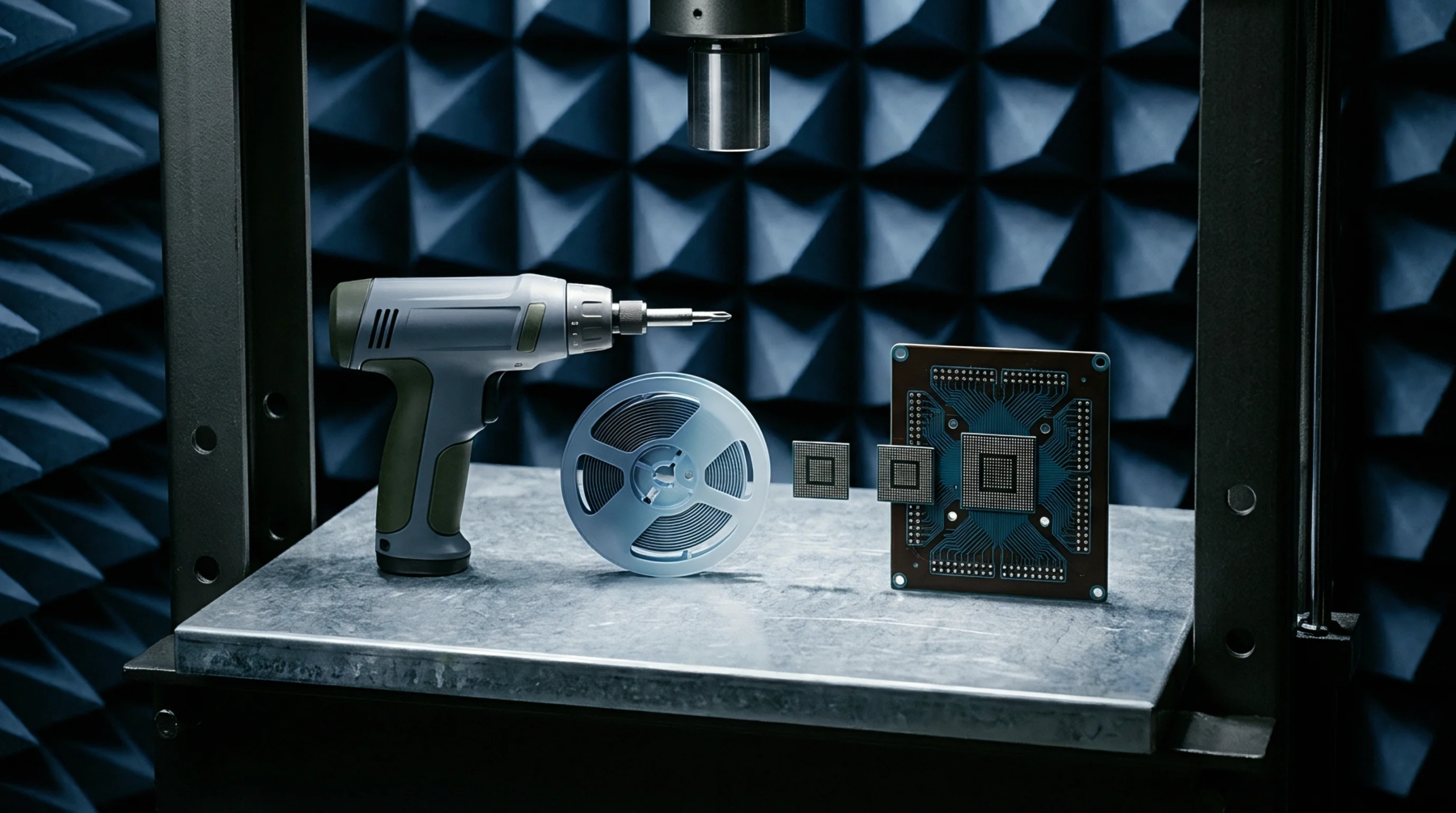
Evaporation kinetics and loss factor thresholds determine high-temperature rheological stability and prevent hot slump bridging in lead-free solder pastes.

Upper bound financial liability in high-density surface mount assembly depends on contract caps that separate labor processing fees from bill-of-materials scrap limits.
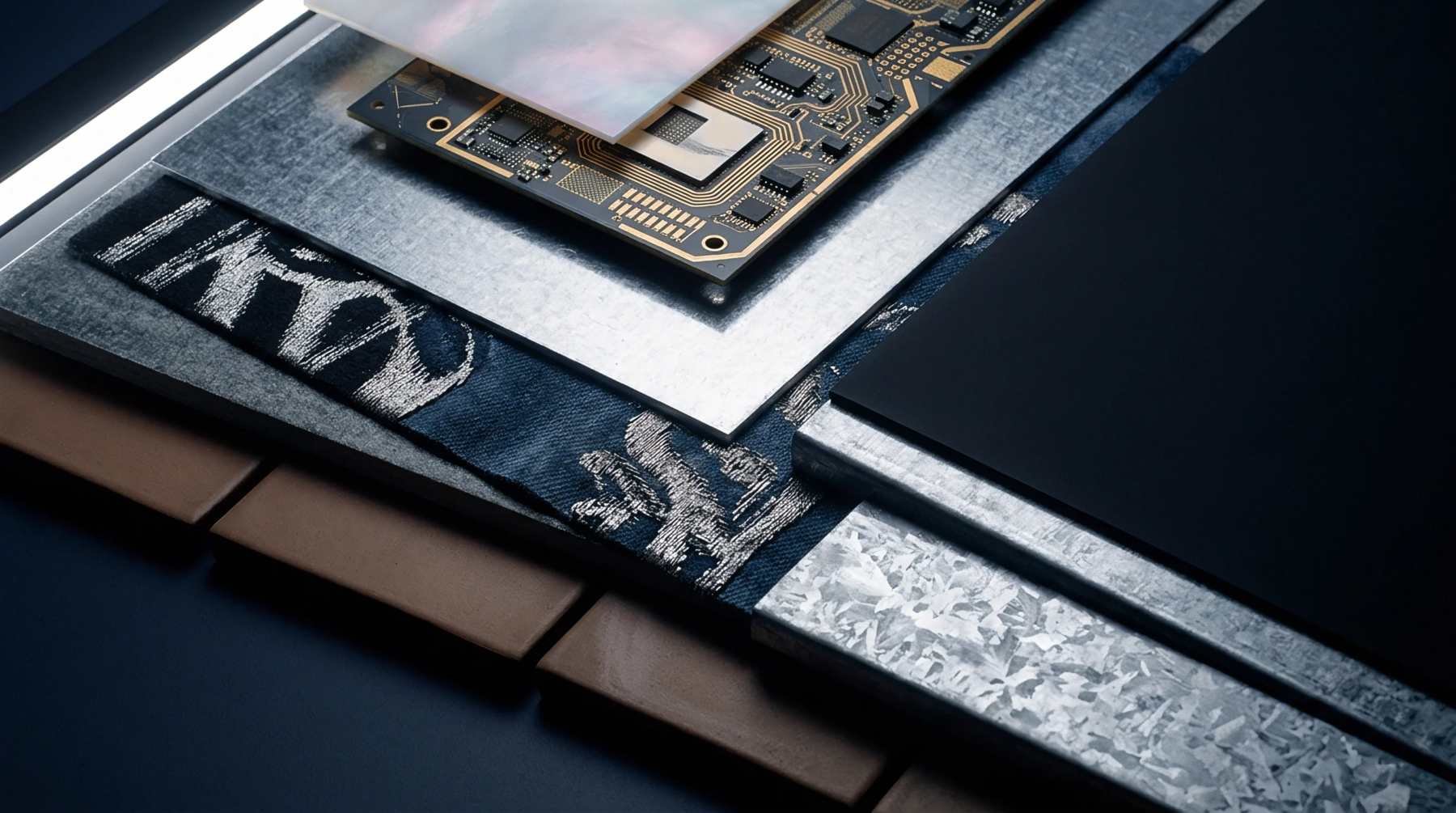
Statistical inspection bounds govern defect escape rates, defining commercial liability boundaries and scrap allocation across surface mount assembly lines.

Dynamic X-ray magnification correction resolves board warp scaling errors to deliver accurate sub-millimeter joint volume and void metrics in high-density builds.

Plated through hole solder joints evaluated under IPC standards require strict vertical fill, top and bottom fillet wetting, and bounded radiographic voiding.

Standardized optical calibration targets provide certified physical baselines to eliminate sensor magnification, distortion, and drift errors in fine pitch AOI.

Calibrating multi-angle specular reflectance algorithms eliminates false optical profiling errors on sub-15 micron traces, securing high mSAP panel yields.
Consigned material sourcing requires strict incoming package checks, chemical decapsulation, and clear contract risk allocation to prevent counterfeit escapes.

Closed loop focal tracking continuously adjusts z-height positioning during placement and inspection to prevent solder defects on deforming board substrates.

Fine pitch SMT inspection requires combining 3D optical profilers with boundary scan and automated X-ray gates to catch hidden solder escapes before field deployment.
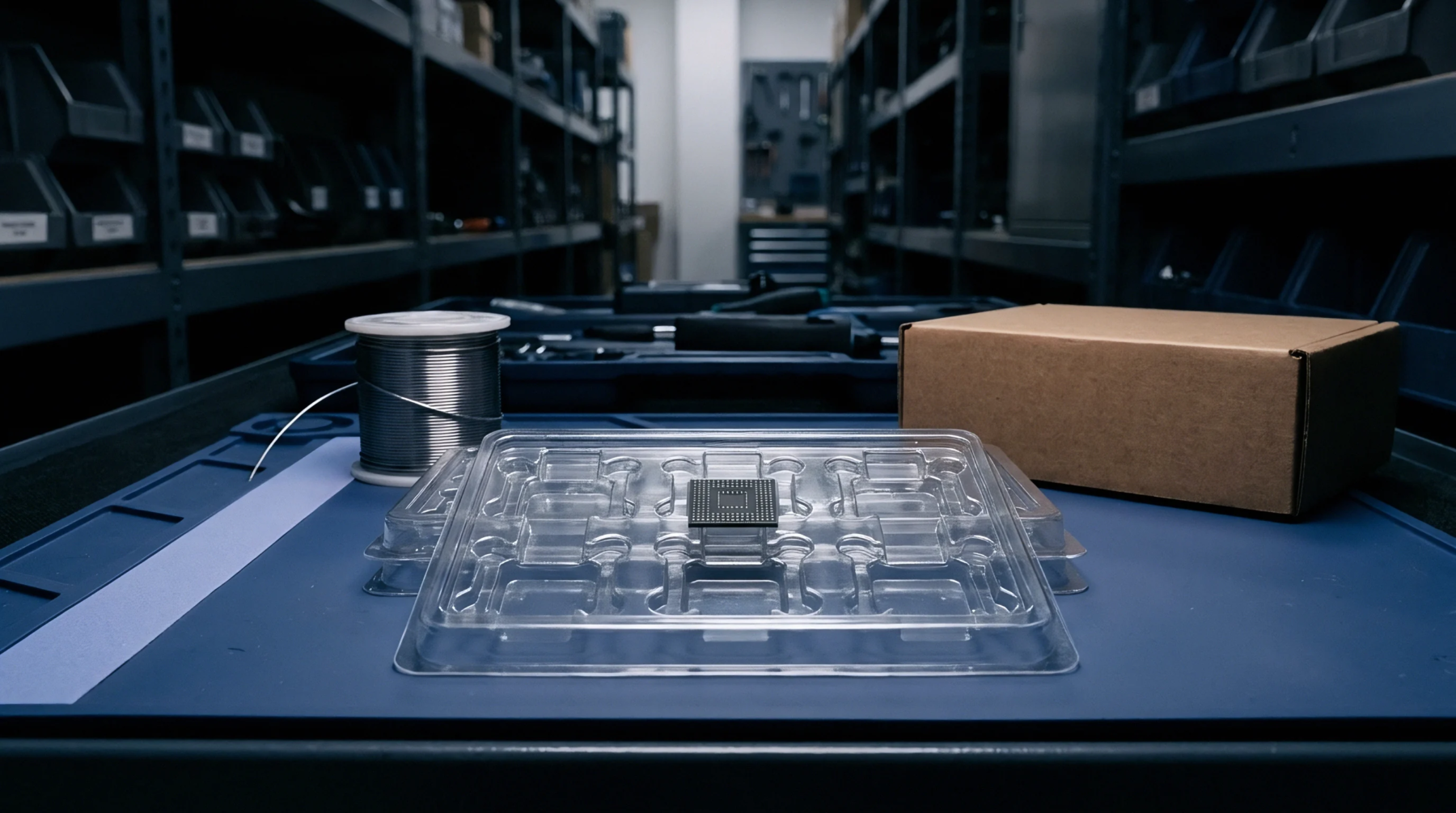
Consigned component reliability depends on strict intake MBB inspection, calculated J-STD-033 bake cycles, and J-STD-002 solderability testing before reflow.
Optimized lead-free reflow profiling requires thermal deltas under eight degrees, controlled time above liquidus, and precise paste transfer efficiency.
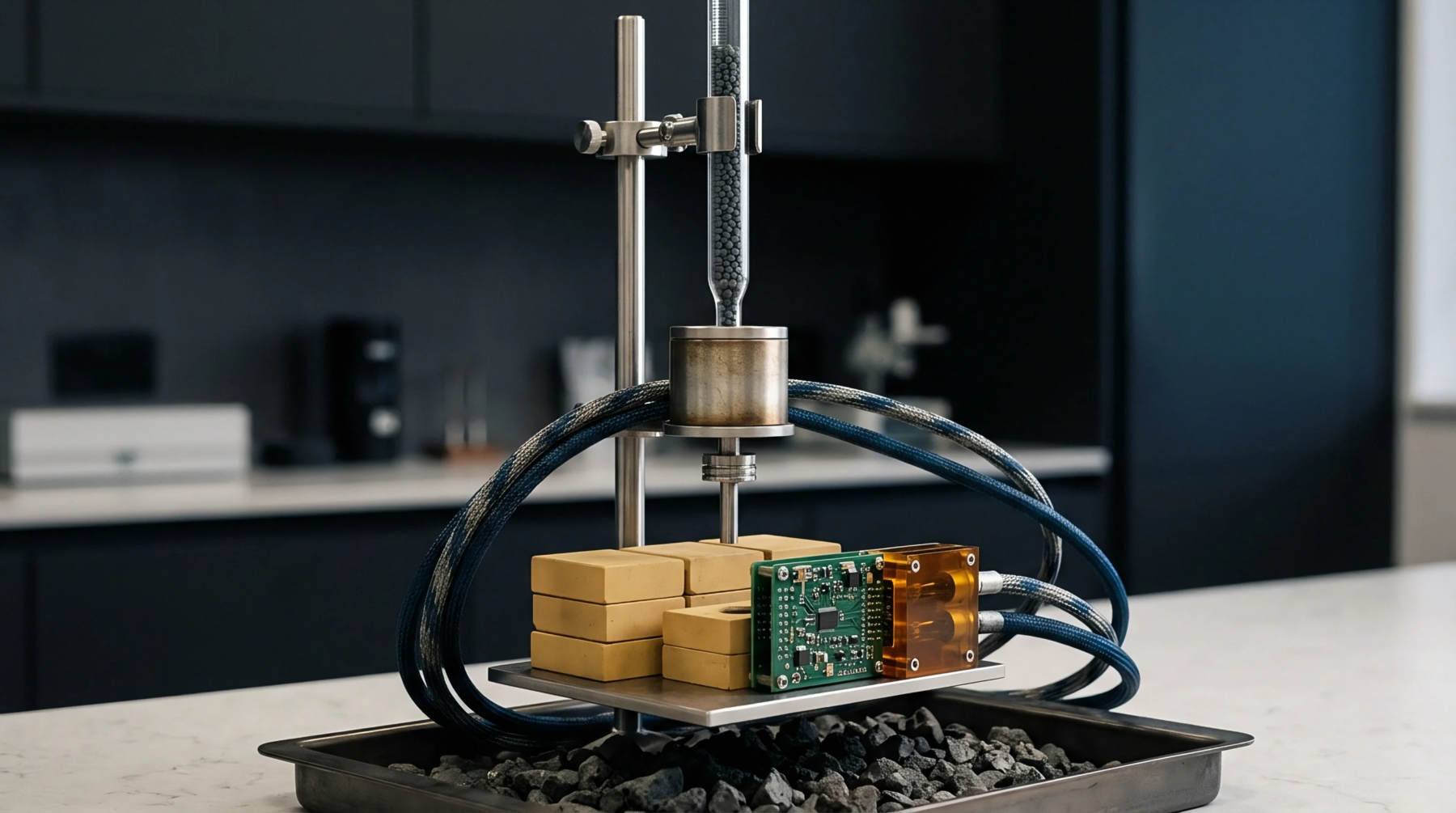
Controlling wet-process nozzle velocity below two meters per second prevents hydrodynamic trace stripping on ultra-thin inner layer copper channels.
Expertise is a utility, not a secret. sentiention™ publishes its working knowledge as open reference: intelligence layer covering the materials it sources, the markets it enters, and the reference that serves both.