Thermal Cycling
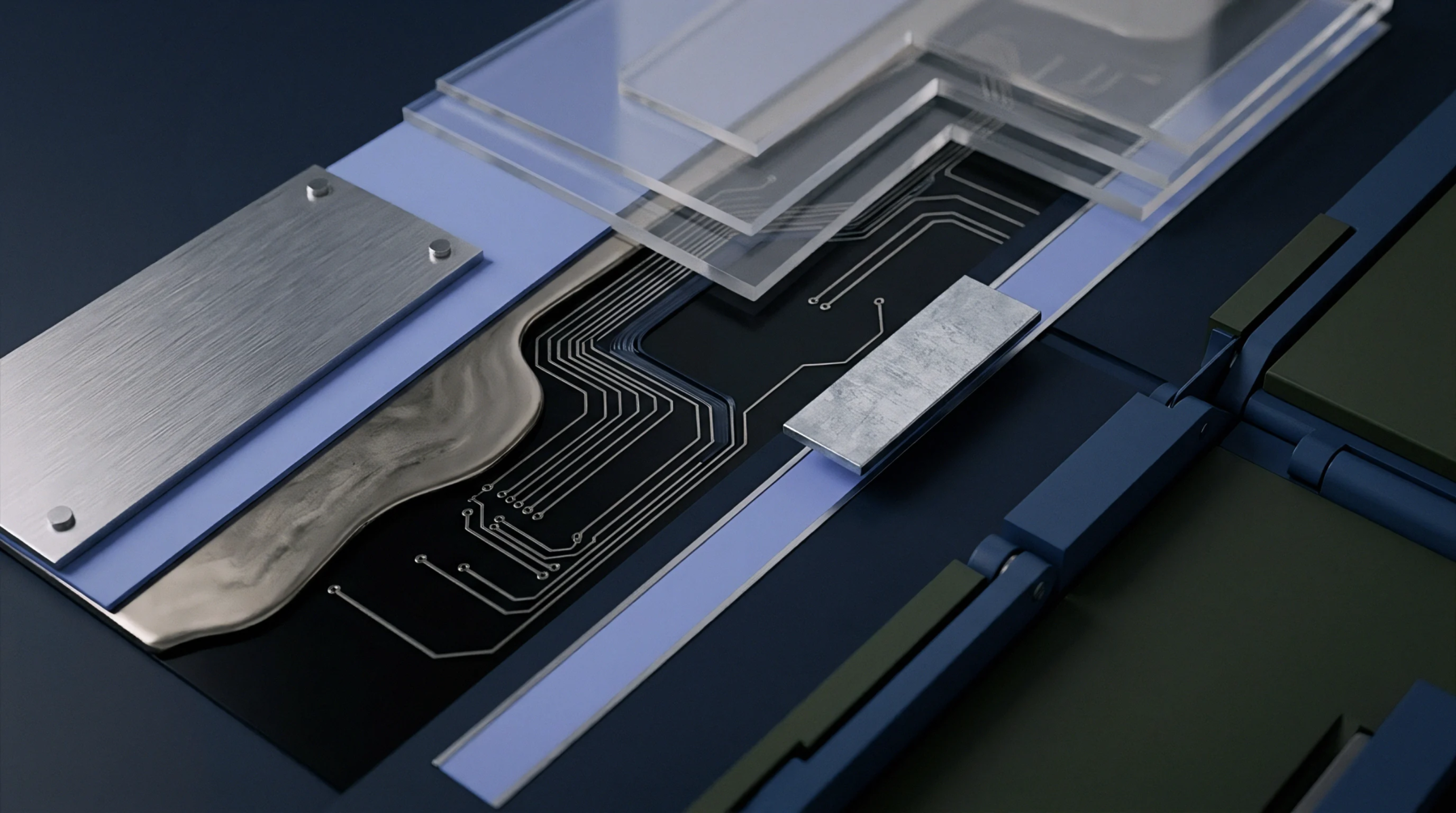
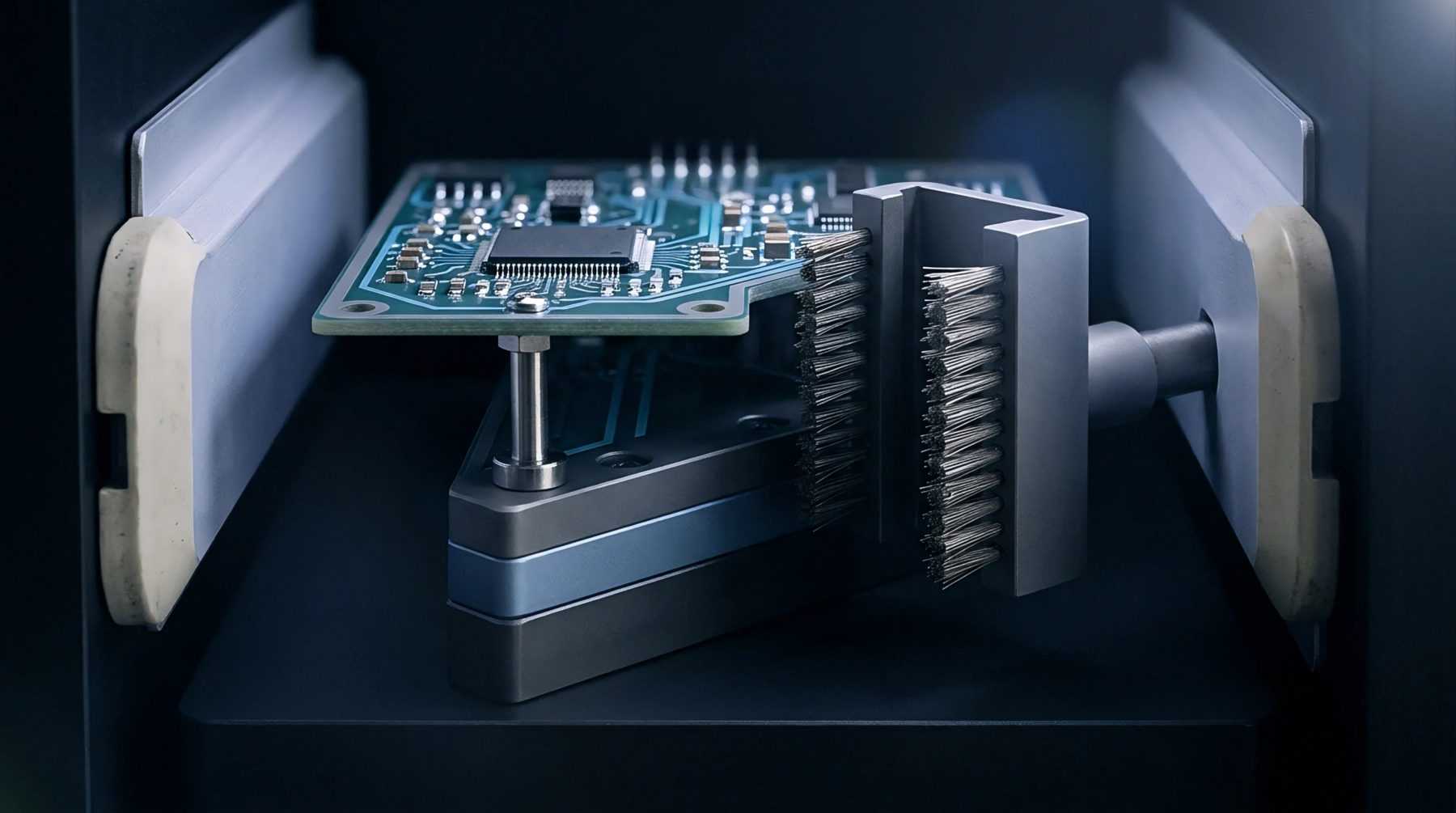
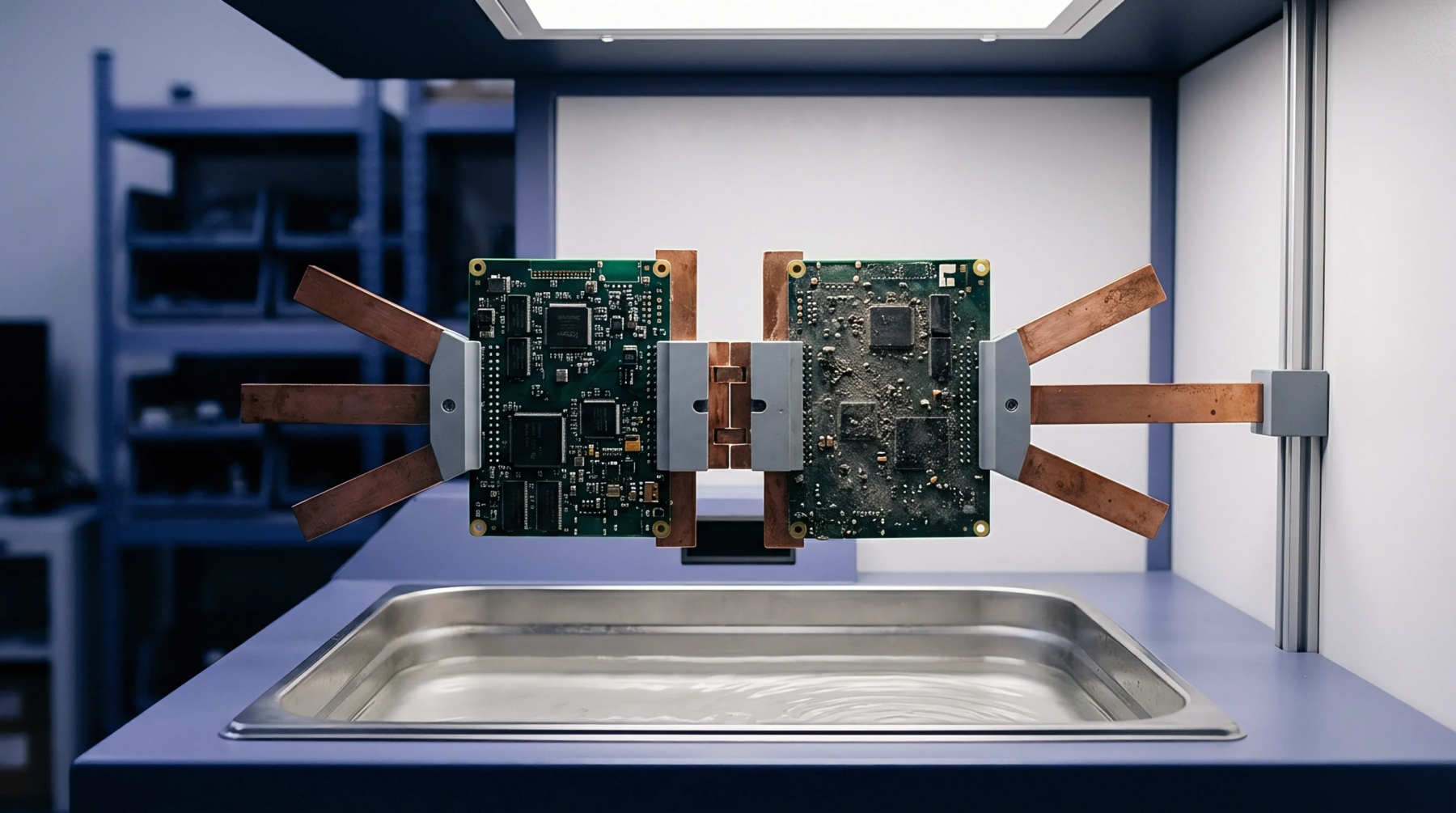
An automated assessment method measures the fatigue resistance of copper plating and conductive paths inside a circuit board by subjecting the substrate to repeated extreme temperature swings. Interconnect stress testing forces the expansion and contraction of material layers to identify hidden manufacturing defects within barrel plating or internal pad interfaces. This mechanism detects micro-cracks that emerge during rapid transitions.
A failed specimen loses electrical continuity when internal vias fracture under constant mechanical strain. The procedure simulates operational heat loads experienced by high-density electronic assemblies over their entire product lifecycle.
Structural Integrity
Rigid materials like FR4 experience different contraction rates than the copper barrels contained within their through-hole structures. Interconnect stress testing quantifies the discrepancy between these rates by logging resistance shifts during the cold and hot phases of the cycle. Assemblies undergo thousands of cycles to determine if the electrodeposited copper exhibits sufficient ductility.
Poor process controls in the plating bath result in brittle deposits that shatter before the target cycle count. Engineers apply these results to refine plating chemistry or adjust drill geometries to reduce localized strain concentrations. The method dictates the survival probability of complex board architectures exposed to harsh deployment conditions where thermal expansion governs the failure rate of the device.
Acceptance Criteria
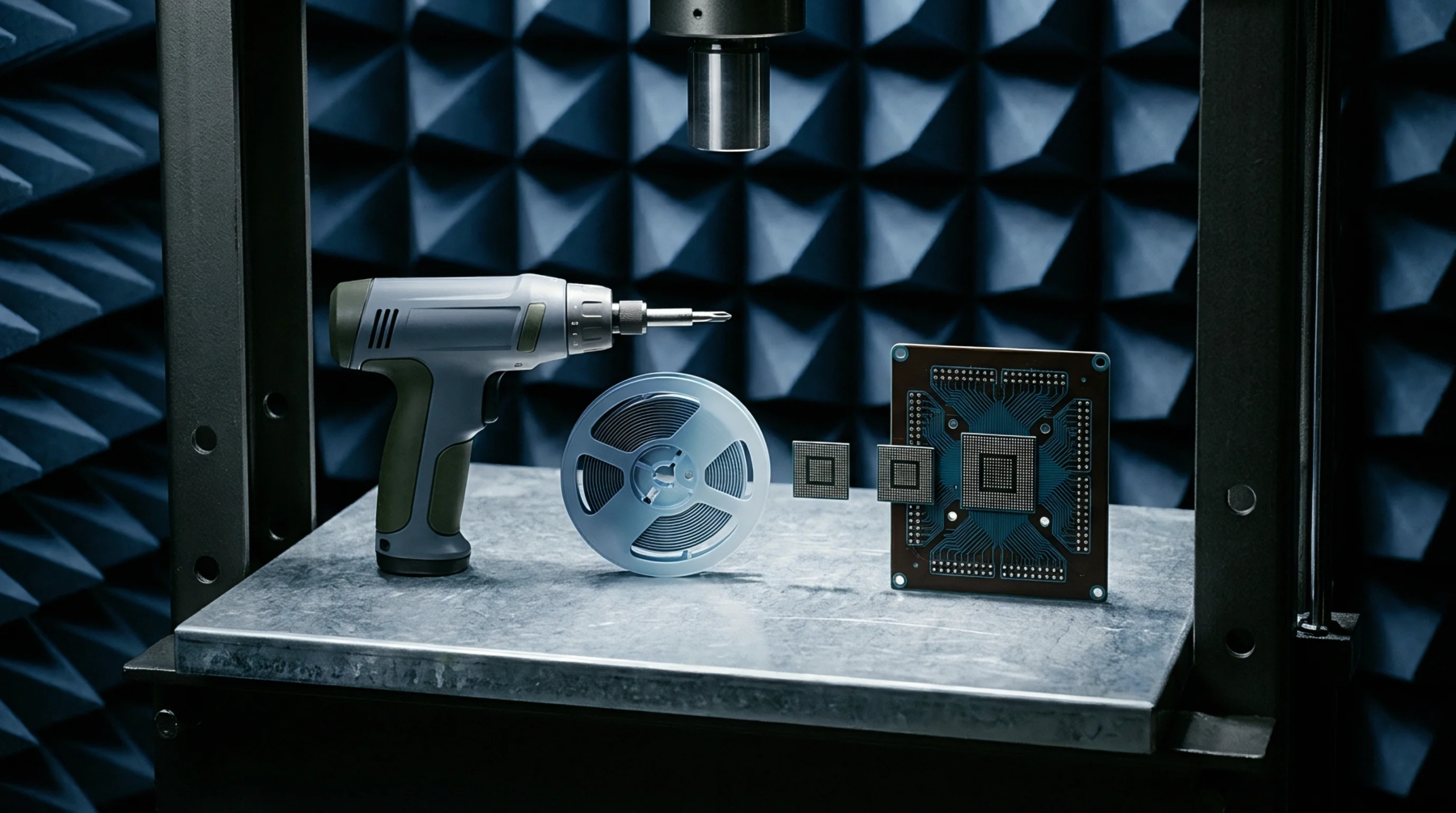
High-reliability applications demand that resistance changes remain within fixed percentage thresholds throughout the duration of the trial. Interconnect stress testing establishes the baseline for evaluating whether a production batch meets the qualification requirements for aerospace or automotive hardware. Products demonstrating stable electrical performance through the full duration of the test pass the quality gate for field release.
Any evidence of intermittent signal loss confirms the presence of latent structural weakness that threatens the operational stability of the system. Detection of these flaws ensures that only boards capable of enduring repeated thermomechanical loading reach the final assembly stage where corrective action becomes impossible without scrapping the entire unit. Failure to survive the prescribed thermal shock protocol proves that the manufacturing process contains critical defects that shorten the working life of the electronic component.