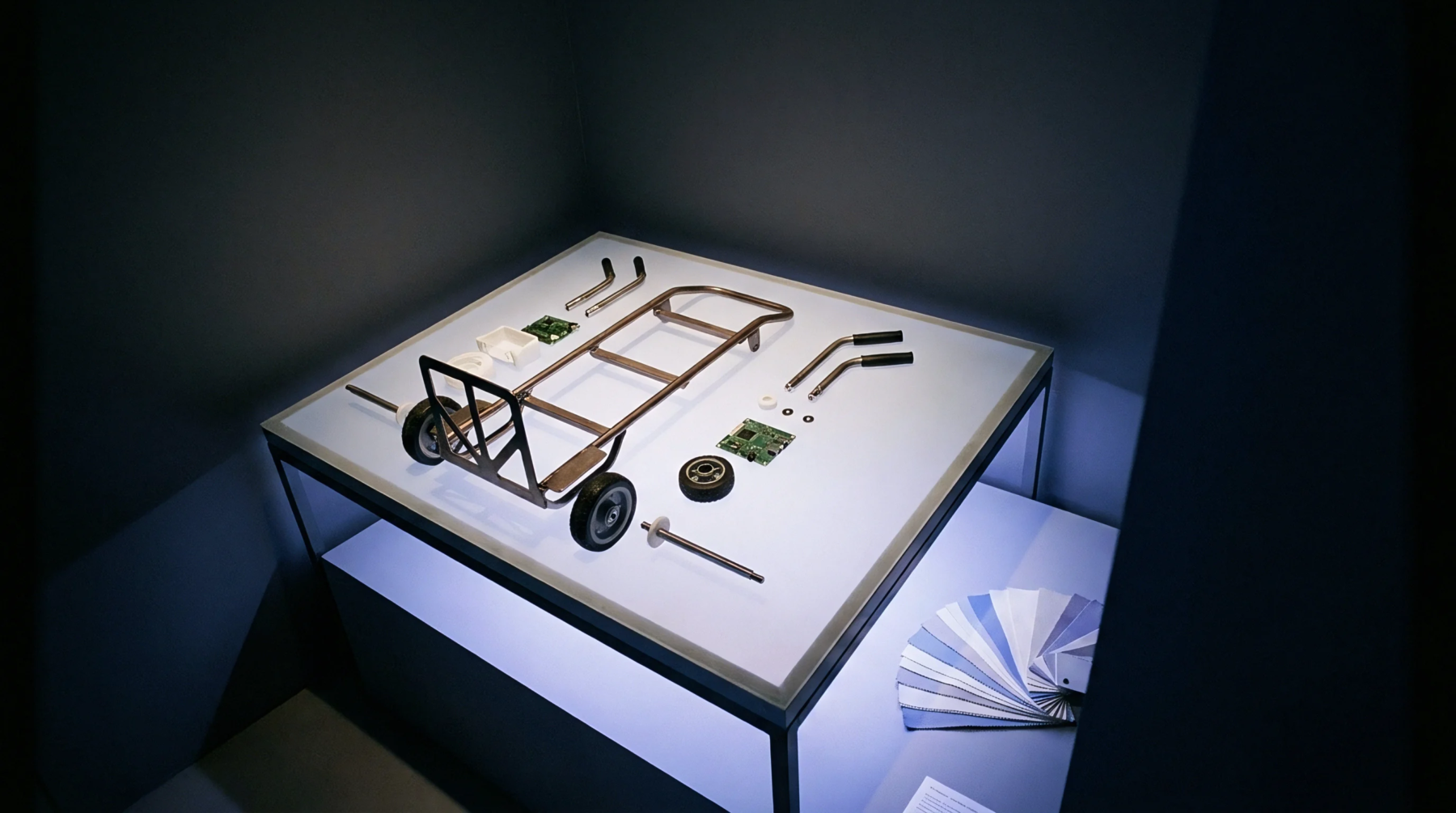
Grounding Thermal Dynamics in Gas Phase Reflow Assemblies
Gas phase reflow uses latent heat condensation to deliver uniform heating and zero temperature delta across heavy assemblies while vacuum stage lowers voiding.
Gas phase reflow uses latent heat condensation to deliver uniform heating and zero temperature delta across heavy assemblies while vacuum stage lowers voiding.
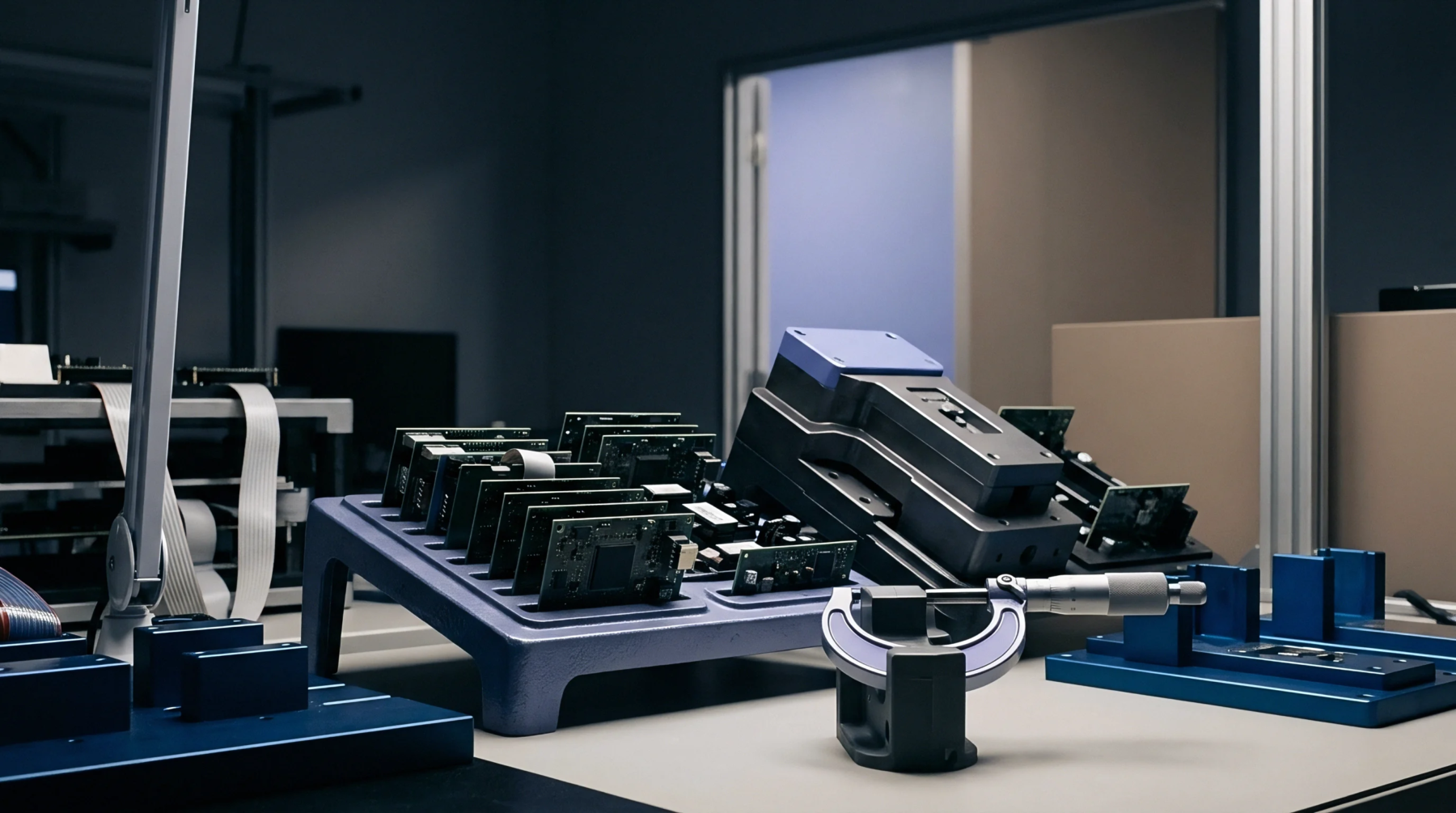
Ultra-smooth copper reduces boundary wall friction, accelerating resin squeeze-out and requiring tailored lamination press cycles to hold dielectric thickness.
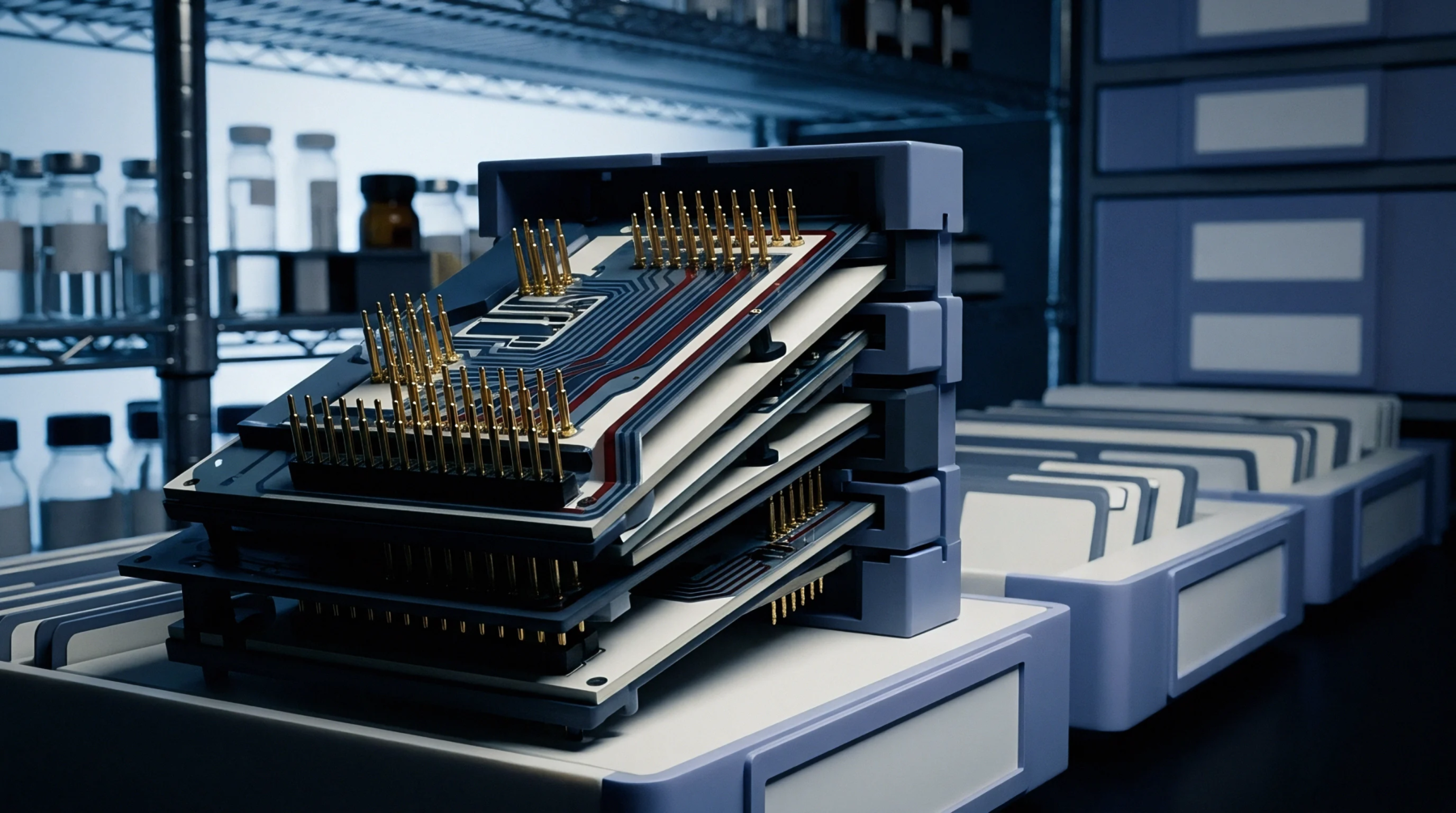
Calculating pressed prepreg thickness requires accounting for copper pattern density, foil height, glass style geometry, and resin flow during cure.
Upper bound financial liability in high-density surface mount assembly depends on contract caps that separate labor processing fees from bill-of-materials scrap limits.
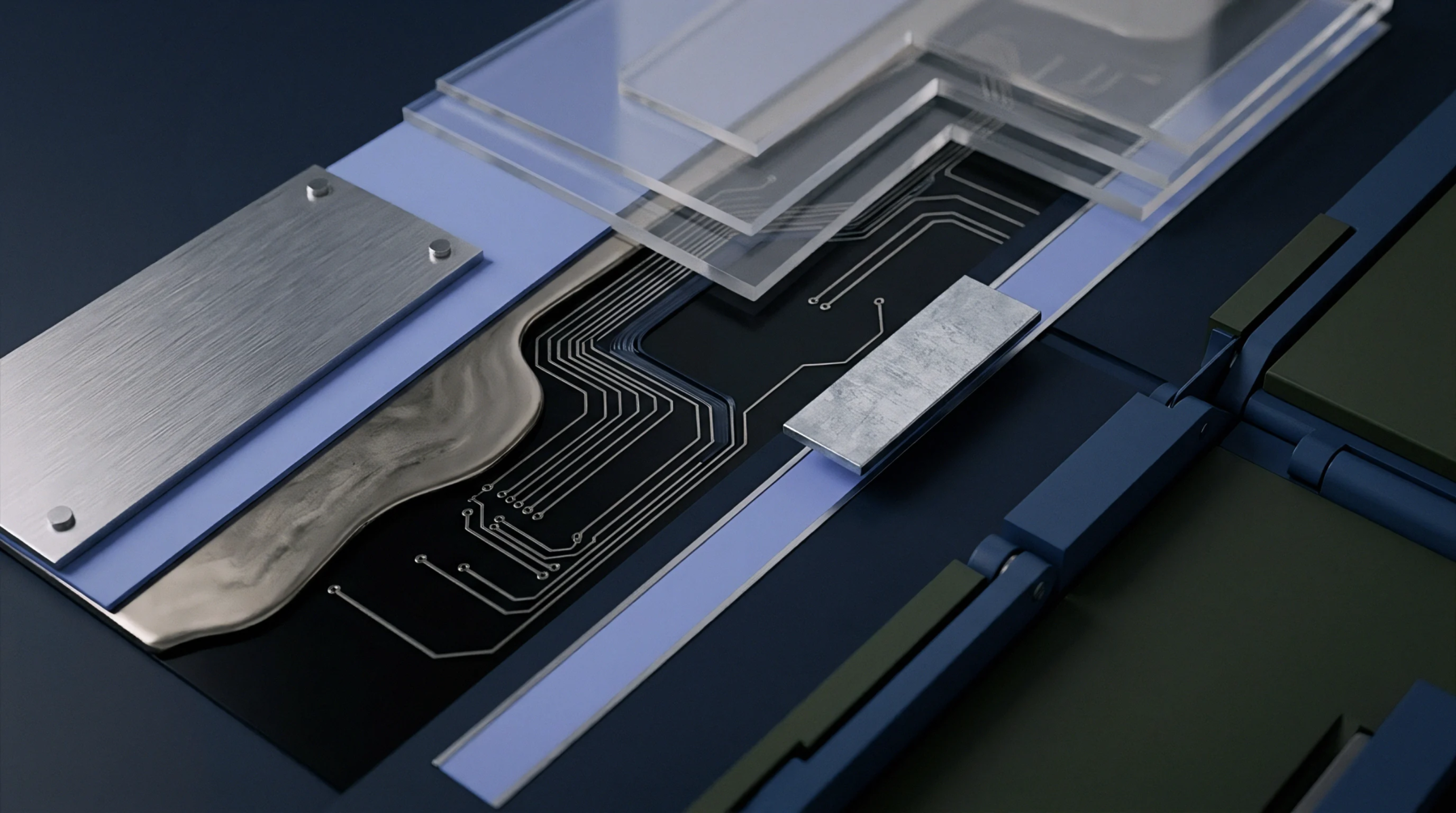
Microvia plating fatigue under thermal cycling stems from z-axis CTE mismatch, requiring ductile copper plating and continuous resistance monitoring to prevent field failures.
Phosphorus rejected during solder reflow forms brittle nickel phosphide layers that demand high-speed shear testing and strict IPC-4552 chemical control.
Solid state intermetallic growth degrades lead-free solder joints through parabolic Cu3Sn layer thickening and Kirkendall void embrittlement under thermal aging.
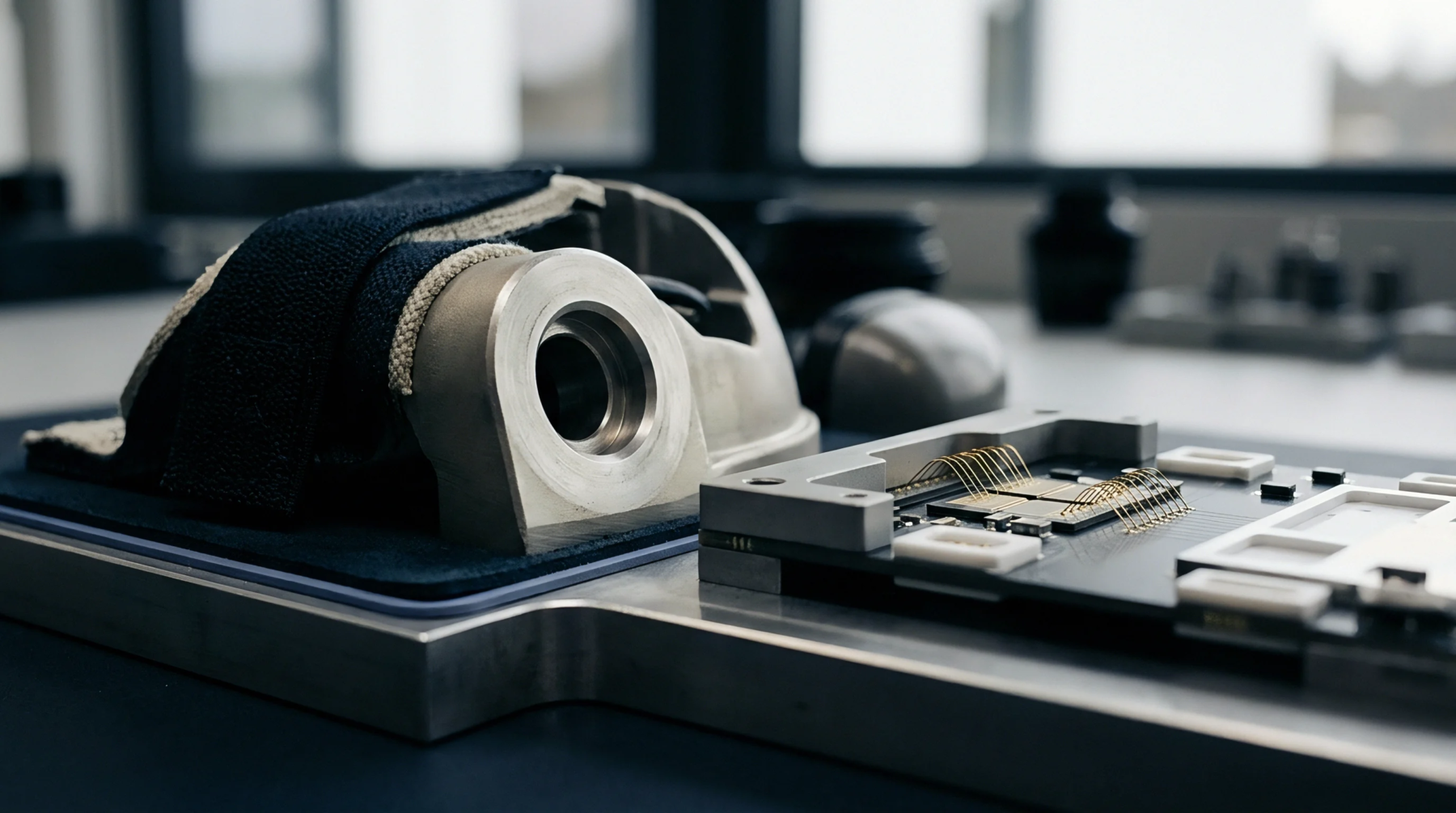
Secondary heat exposure accelerates intermetallic growth, causes void coalescence, and degrades solder joint mechanical strength across multiple reflow passes.
Micro-BGA intermetallic compound formation depends on peak reflow energy and thermal aging, where excessive layer thickness causes brittle interfacial failure.
Rapid preheat ramp rates induce severe thermal gradients in MLCCs, causing latent micro-cracks that degrade insulation resistance under bias.
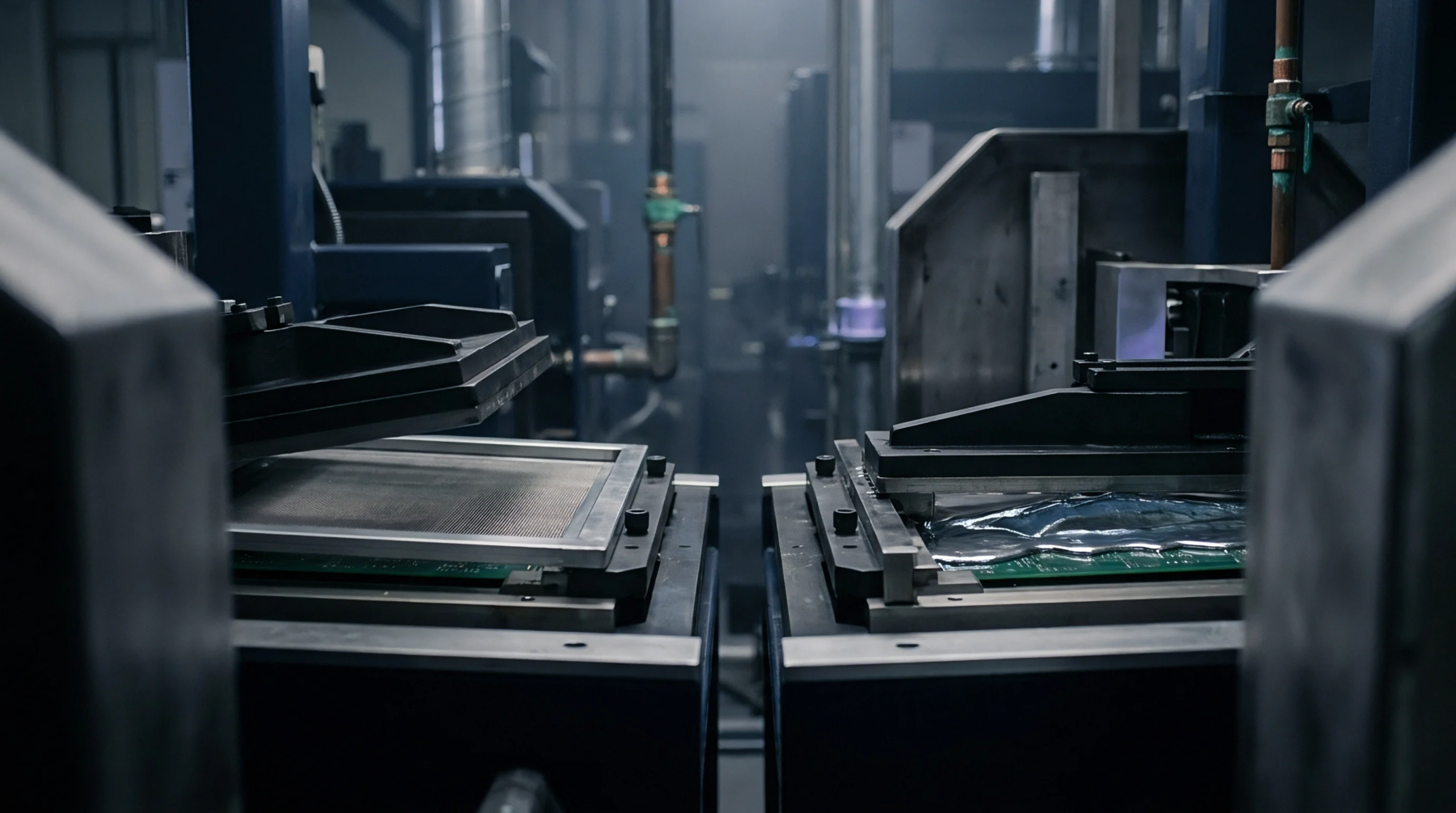
Standard IPC coupons placed along panel waste borders verify plating, registration, and impedance without consuming functional board surface area.

Microvia target pad interfacial shear displacement stems from CTE mismatch during thermal shock, demanding tight lamination control to prevent failure.
Matching reflow soak durations to flux solvent evaporation rates eliminates sub-component pressure spikes and drops QFN thermal pad voiding below ten percent.
Expertise is a utility, not a secret. sentiention™ publishes its working knowledge as open reference: intelligence layer covering the materials it sources, the markets it enters, and the reference that serves both.