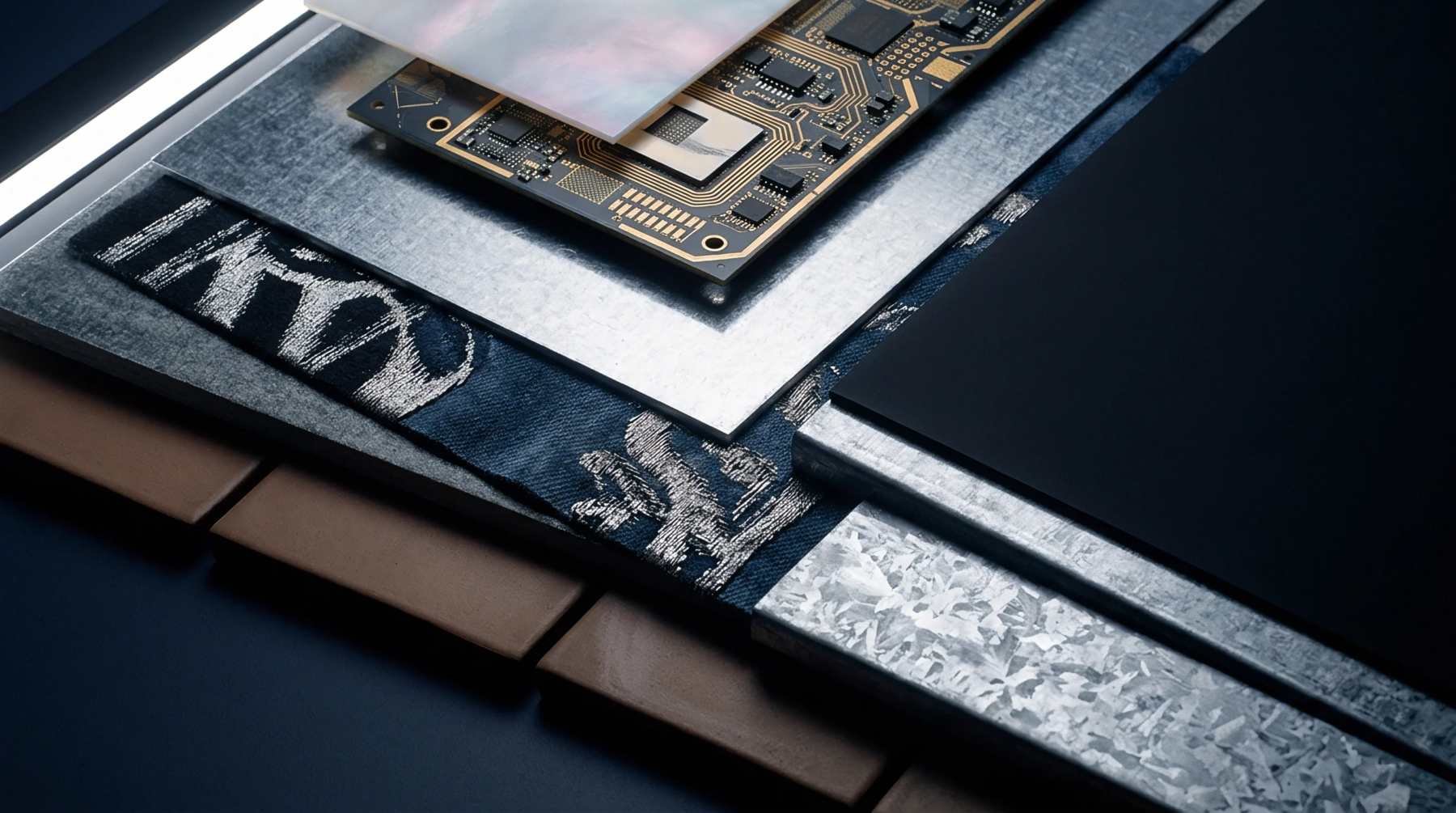
PCIe High Speed Channel Scattering Parameter Extraction and Link Margining
Extracting calibrated S-parameters through fixture de-embedding enables statistical eye margining to guarantee bit error rates below specification limits.
Extracting calibrated S-parameters through fixture de-embedding enables statistical eye margining to guarantee bit error rates below specification limits.
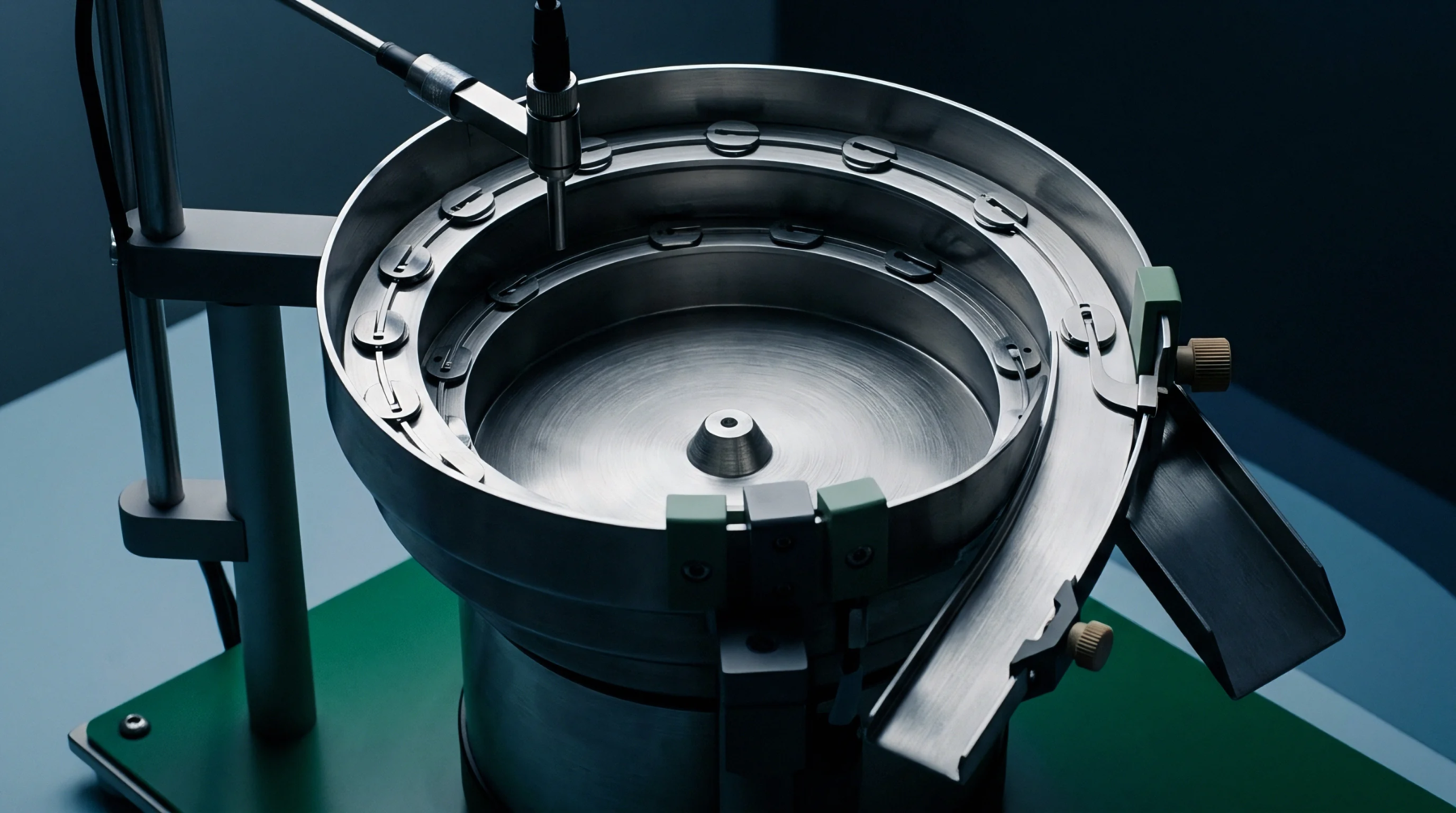
Subtractive etch factor variations along trace runs create localized impedance drift and coherent reflection peaks that severely degrade high frequency return loss.
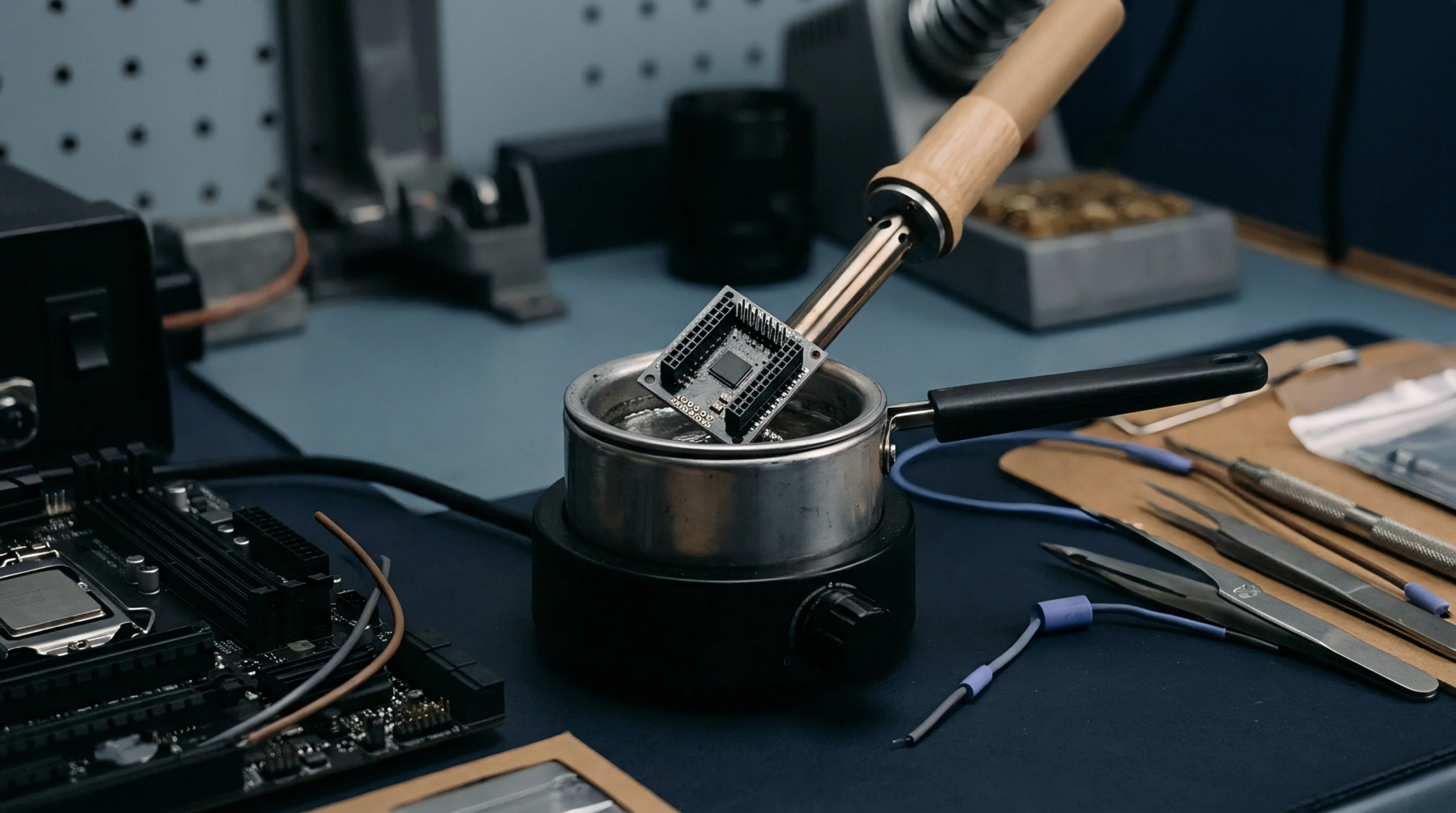
Modulating trace geometries against local interfacial dielectric gradients stabilizes phase velocity across millimeter wave interconnects.
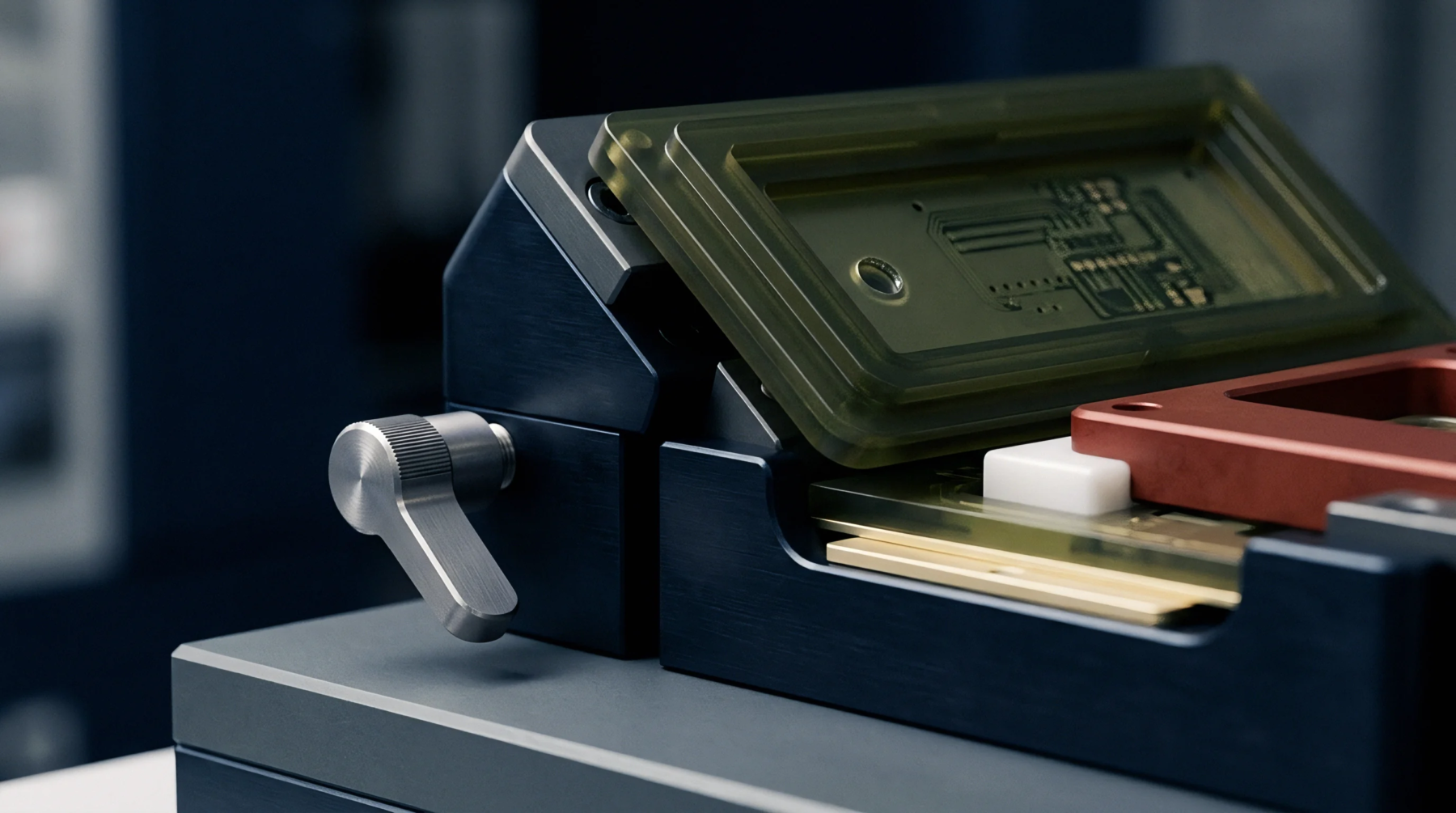
Micro-fractures in high-speed coupling capacitors elevate insertion loss and phase jitter; wideband S-parameter screening catches latent dielectric failures.
Boundary slip velocity models replace empirical roughness factors with electron specularity parameters, predicting insertion loss and phase delay up to 110 GHz.
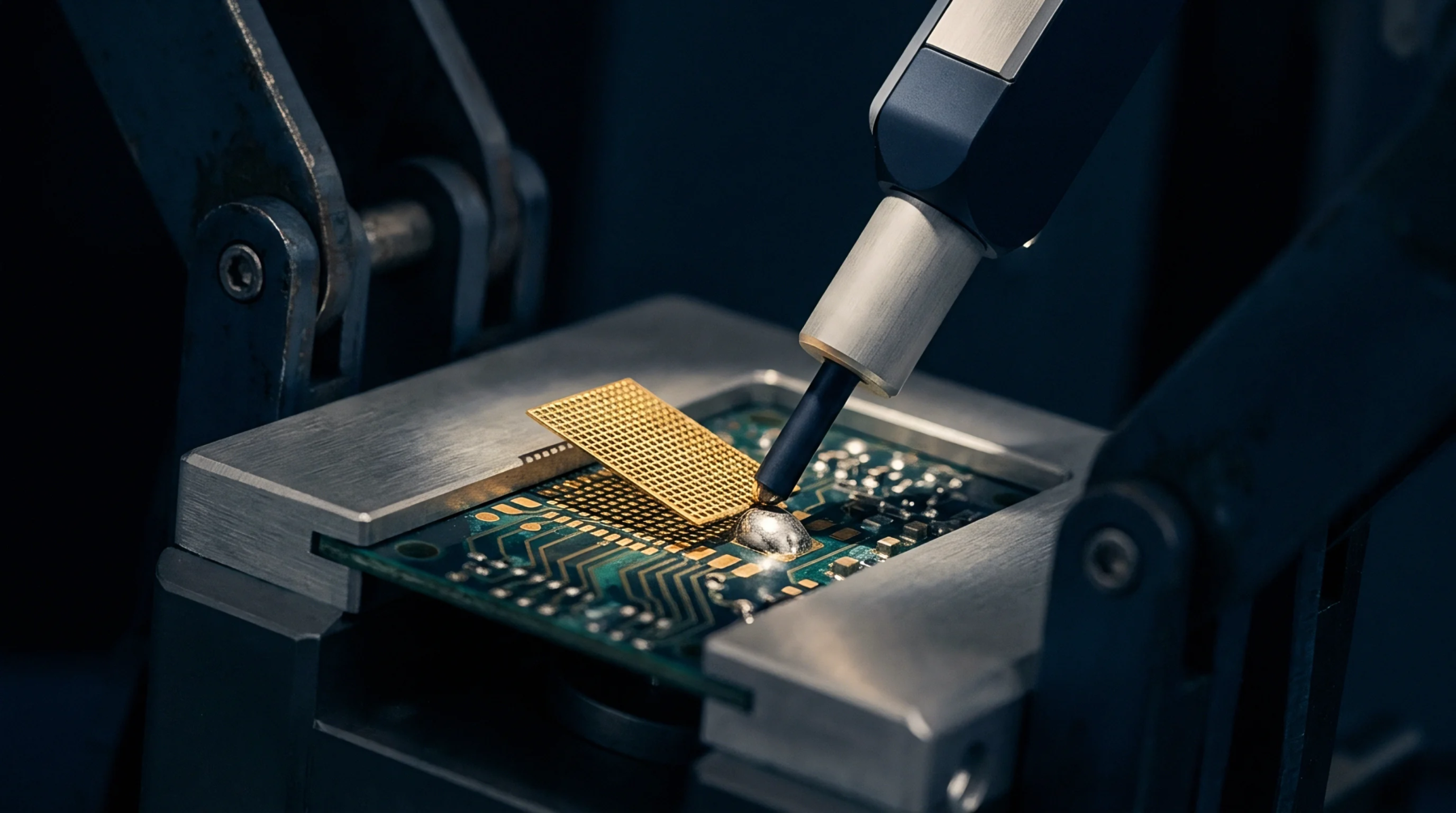
Mitigate PCB cavity damping by replacing lossy nickel finishes with immersion silver and controlling surface roughness below single skin depth.
Trapezoidal etch profiles and sidewall undercut degrade high-frequency channel return loss by introducing spatial impedance steps that demand mSAP or dynamic CAM compensation.
Thermal expansion alters resin density, driving dynamic anisotropy shifts that detune millimeter-wave phase stability and coupling tolerances across temperature.
Expertise is a utility, not a secret. sentiention™ publishes its working knowledge as open reference: intelligence layer covering the materials it sources, the markets it enters, and the reference that serves both.