Thermal Expansion Metric
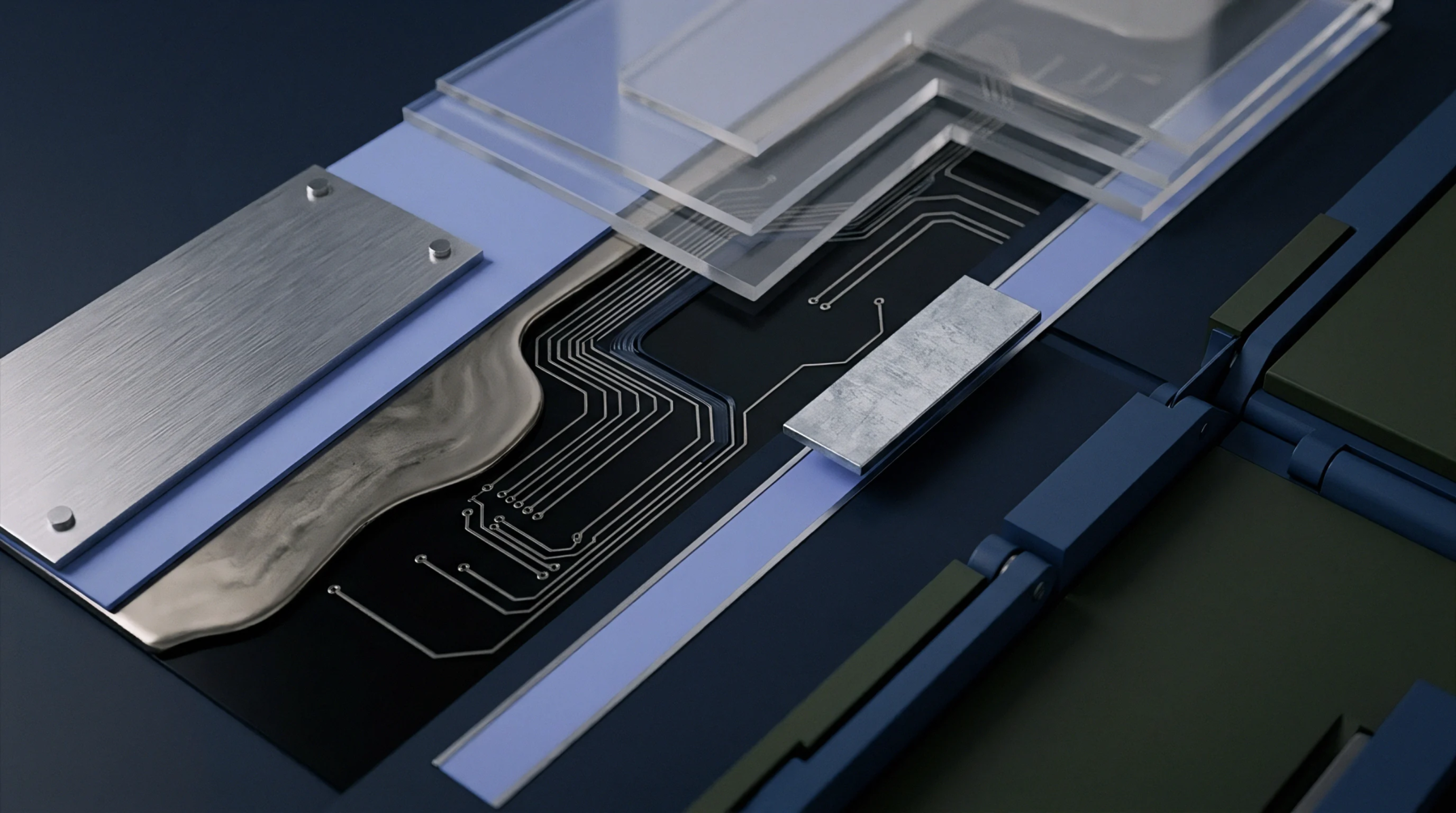
Vertical thermal expansion measures the rate at which a substrate material increases in height when subjected to temperature changes during reflow or operation. The z-axis cte represents this coefficient of thermal expansion specifically along the thickness of a printed circuit board. High values for this property lead to tensile stress on copper barrels within plated through holes.
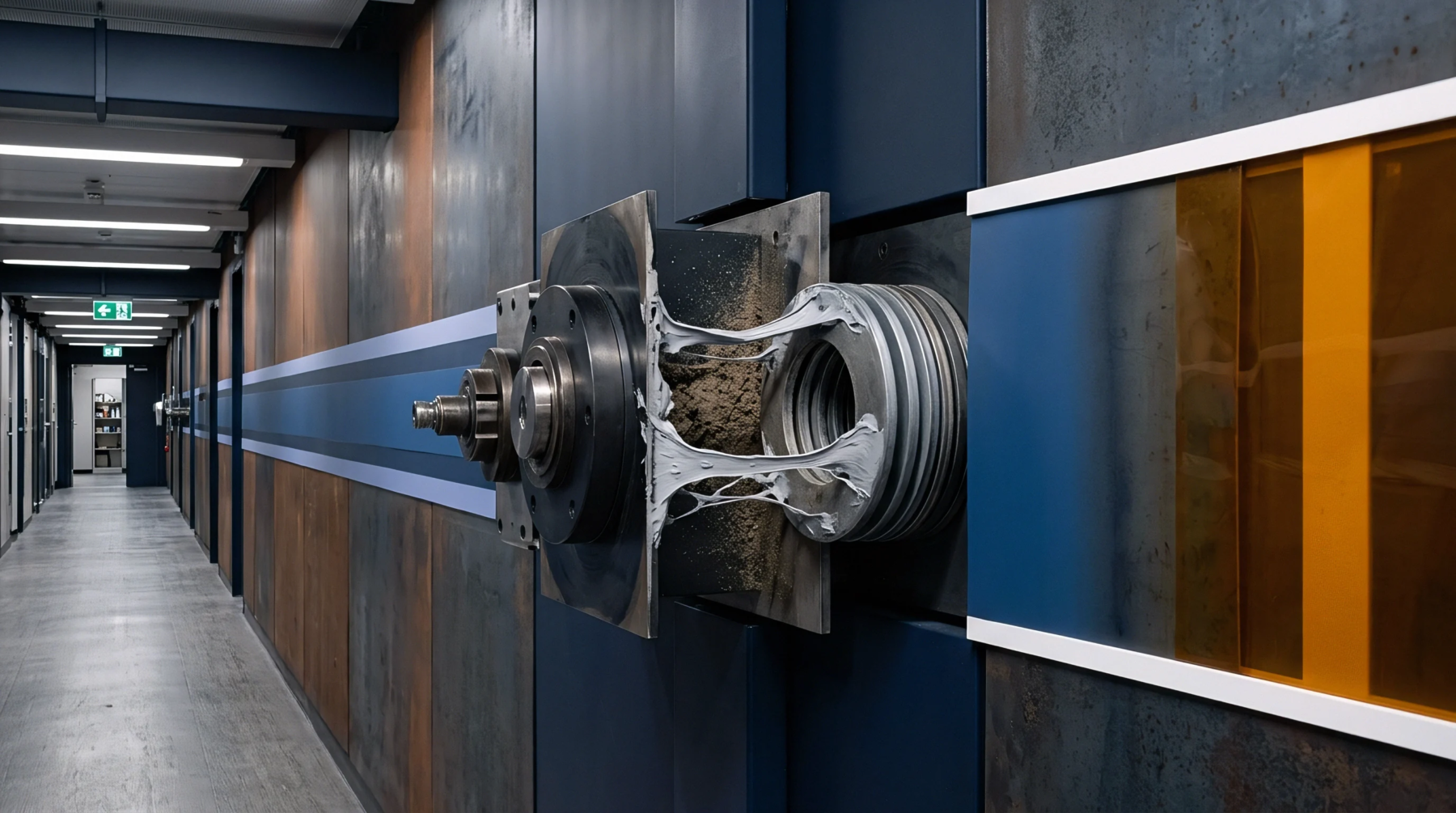
This stress often forces cracks at the interface between the hole wall and the internal copper planes when repeated thermal cycling occurs.
Material Constraint
Epoxy resins used in traditional substrates typically exhibit significantly higher expansion rates above their glass transition temperature. Designers select materials with low values for this vertical expansion coefficient to ensure reliability under extreme thermal conditions. Thick boards require tighter controls on this property because the absolute expansion distance increases with the total dielectric height.
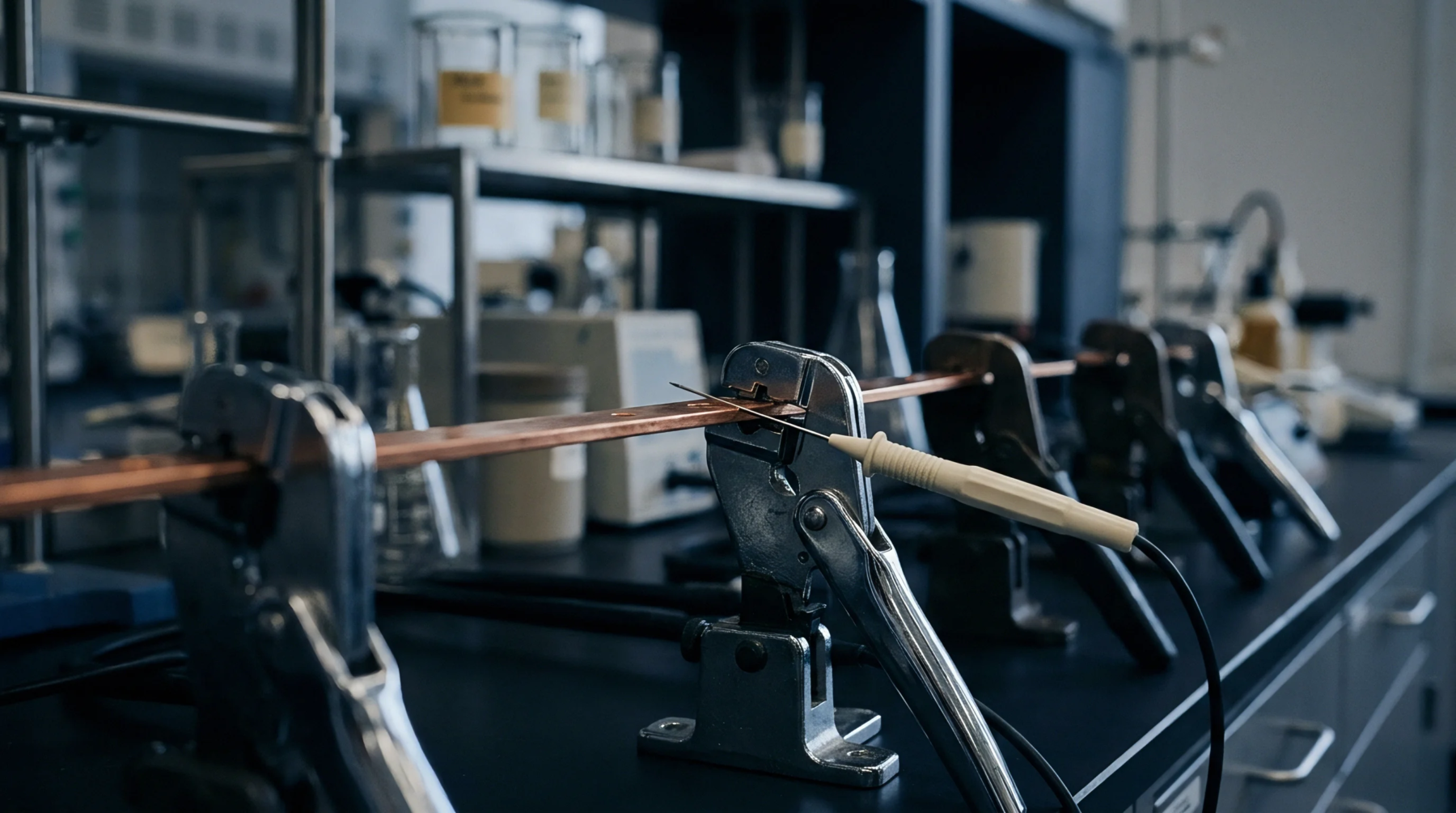
A thinner layer of material produces less total displacement for a given temperature change, which reduces the potential for barrel fatigue. Chemical fillers such as spherical silica particles decrease the expansion rate by constraining the movement of the polymer chains within the matrix. Verification of this parameter involves thermomechanical analysis where a sample undergoes controlled heating while a probe monitors the linear displacement.
Assembly Reliability
Proper management of this physical characteristic prevents the catastrophic failure of interconnections during the soldering process or subsequent field use. Components with high lead counts or tight pitch geometries demand substrates that remain stable as temperatures shift. Manufacturers measure the expansion deviation against the cooling curve to determine if the resin system will maintain integrity throughout the lifespan of the electronic assembly.
Failure to align the expansion rates of the copper plating and the dielectric material results in internal void formation and complete circuit disruption.