
Resolving Anisotropic Permittivity in Woven Quartz Fluoropolymer Circuit Substrates
Woven quartz fluoropolymer substrates exhibit directional permittivity splits resolved through tensor modeling, 45-degree layout, and split-post testing.

Woven quartz fluoropolymer substrates exhibit directional permittivity splits resolved through tensor modeling, 45-degree layout, and split-post testing.
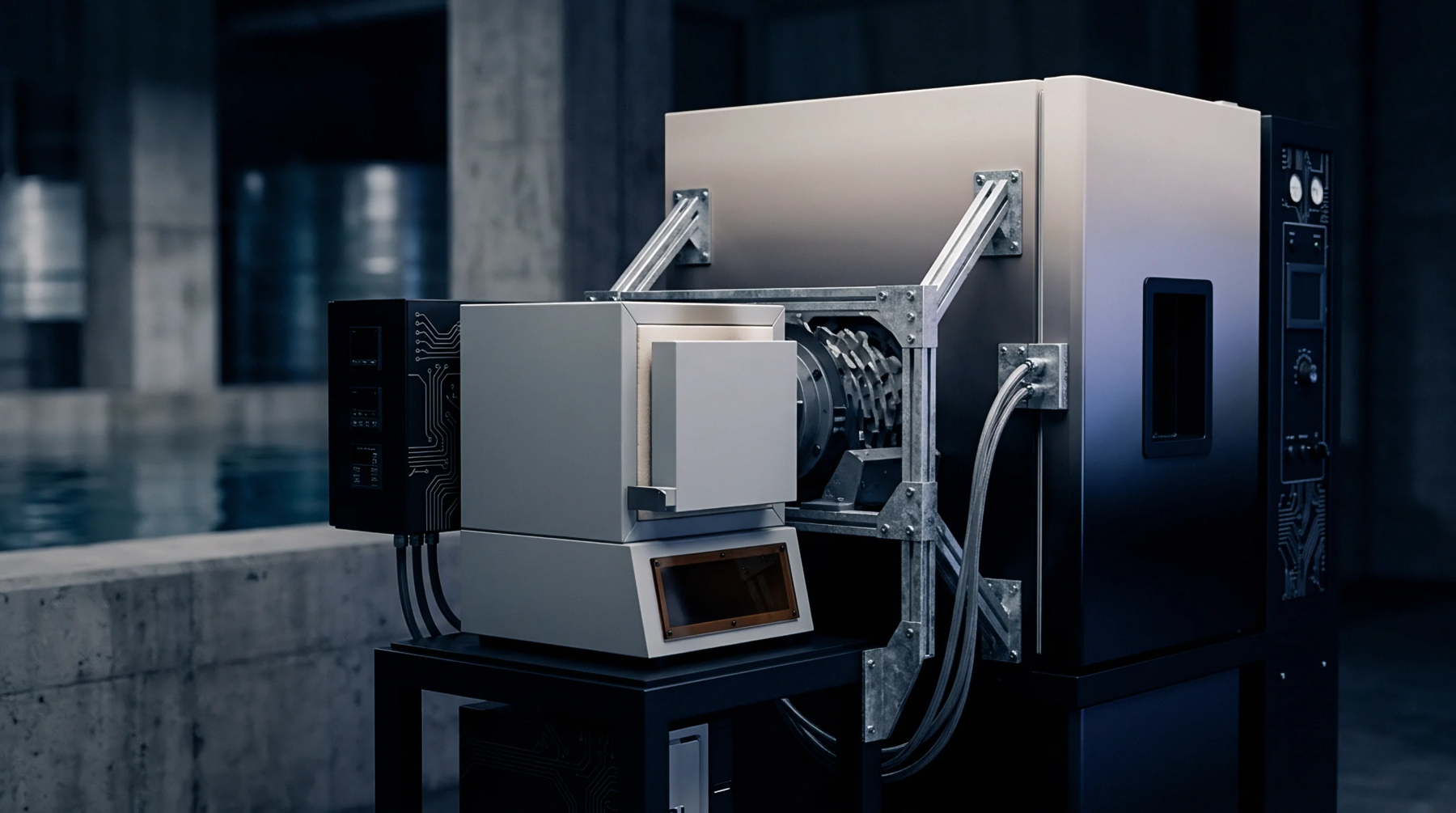
Placement kinetics and 3D inspection cycle mismatches create hidden assembly bottlenecks, requiring dynamic AOI resolution mapping and calibrated inline buffering.

At 260°C reflow, trapped laminate moisture generates 4.69 MPa vapor pressure, exceeding rubbery matrix strength and driving interfacial popcorning delamination.
Differential trace impedance testing verifies high-speed PCB signal integrity using time-domain reflectometry on panel test coupons.
Quantifying hydrophobic silane monolayer coverage uses dynamic water and diiodomethane contact angle goniometry with Cassie-Baxter thermodynamic modeling.
Boundary slip during high-pressure vacuum lamination governs sub-micron foil distortion, requiring synchronized pressure ramps and stiff carrier backings to protect yield.
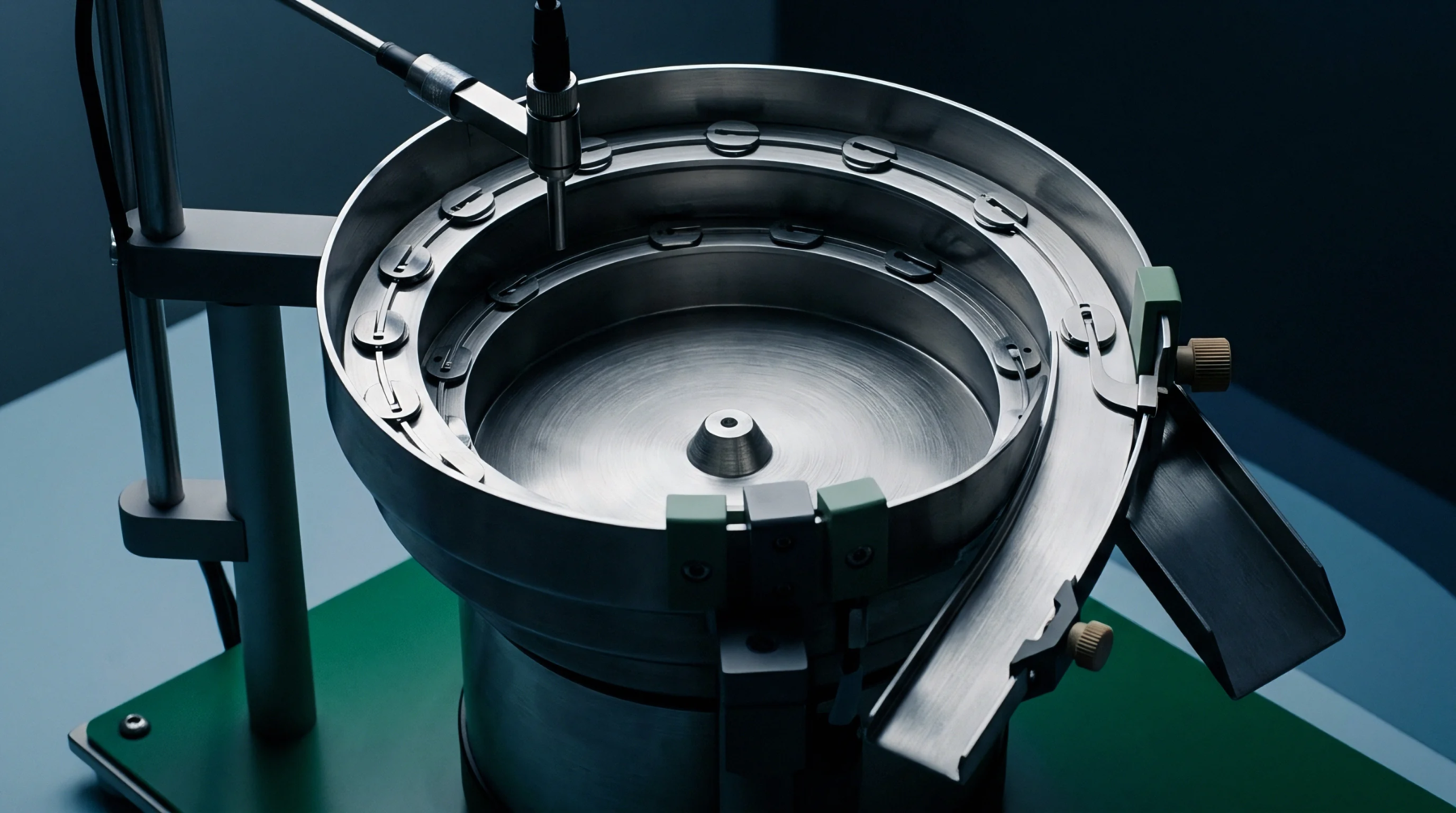
Subtractive etch factor variations along trace runs create localized impedance drift and coherent reflection peaks that severely degrade high frequency return loss.
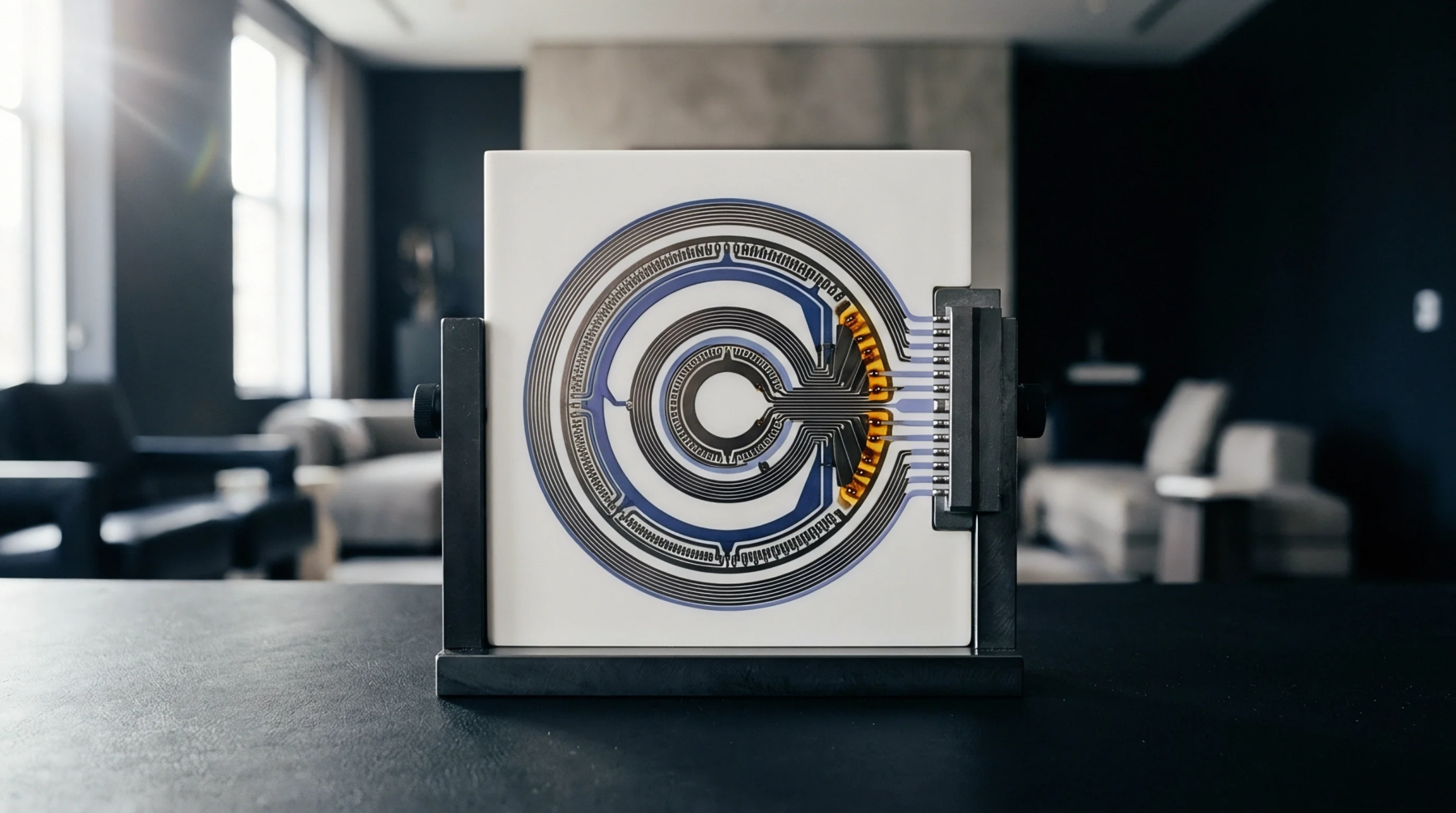
Vapor phase condensation modeling on heavy copper substrates predicts liquid film thickness to control latent thermal delivery and prevent solder voiding.

Fluoropolymer substrates absorb minimal water, but interfacial moisture traps degrade dielectric loss and shift high-frequency attenuation stability over time.

Vapor phase reflow eliminates thermal delta on heavy copper substrates by clamping peak heat at fluid boiling point while condensation latent energy melts solder.

Gas phase reflow uses latent heat condensation to deliver uniform heating and zero temperature delta across heavy assemblies while vacuum stage lowers voiding.

TDR discontinuity spikes from undercut are quantified by mapping trapezoidal trace profile ratios to TDR reflection peaks filtered at matched rise times.

Ultra-smooth copper reduces boundary wall friction, accelerating resin squeeze-out and requiring tailored lamination press cycles to hold dielectric thickness.
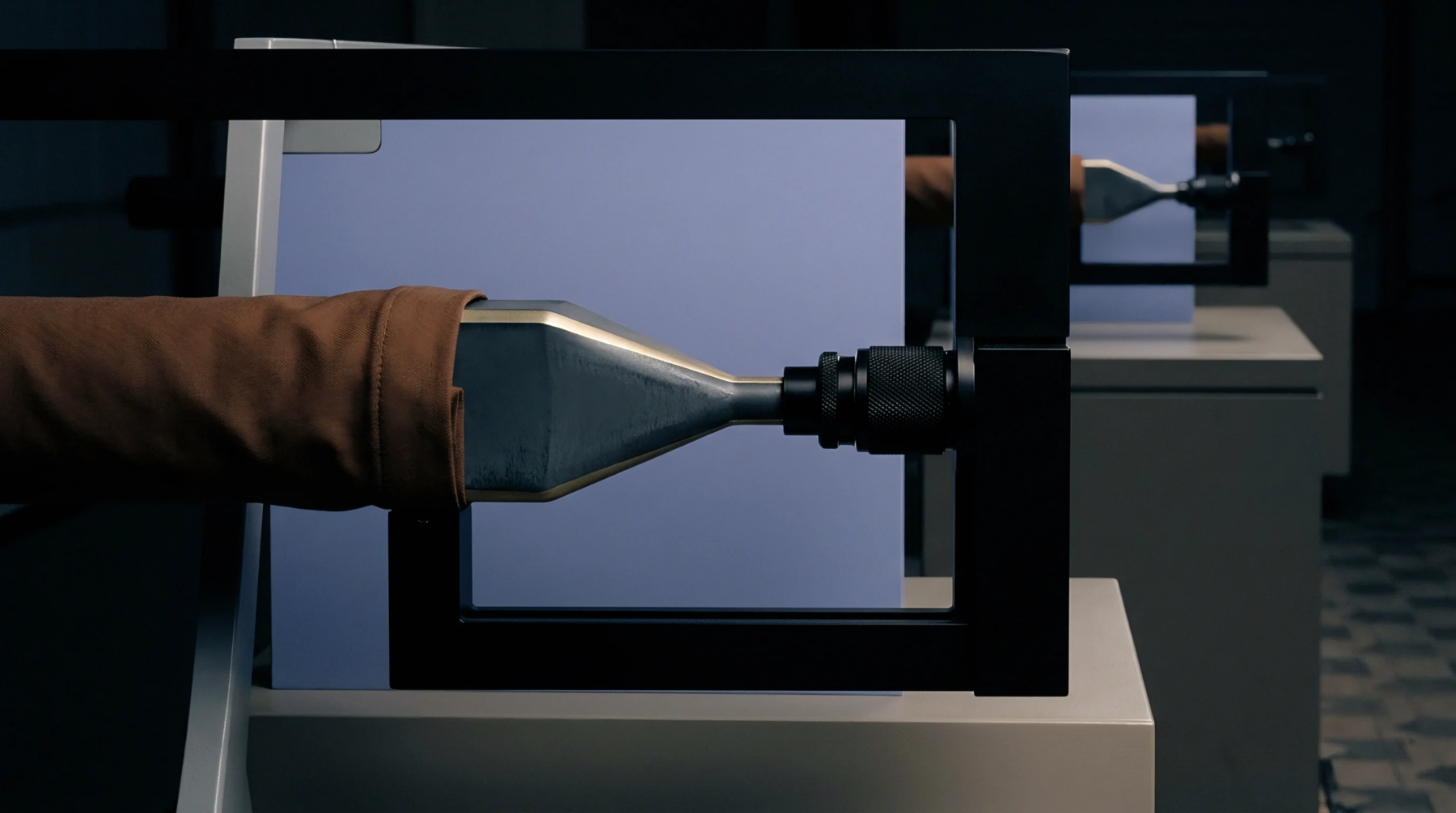
Submicron microcracks under 100 nanometers cause acoustic tunneling, requiring 230 MHz transducers and phase inversion gating to bypass reflection limits.

Asperity contact pressure above ten megapascals masks interface delamination during acoustic qualification, requiring thermal-bias ultrasonic verification.

Ultra-smooth foil lamination trades mechanical tooth for chemical bonding, demanding tightly controlled press viscosity windows to avoid delamination.
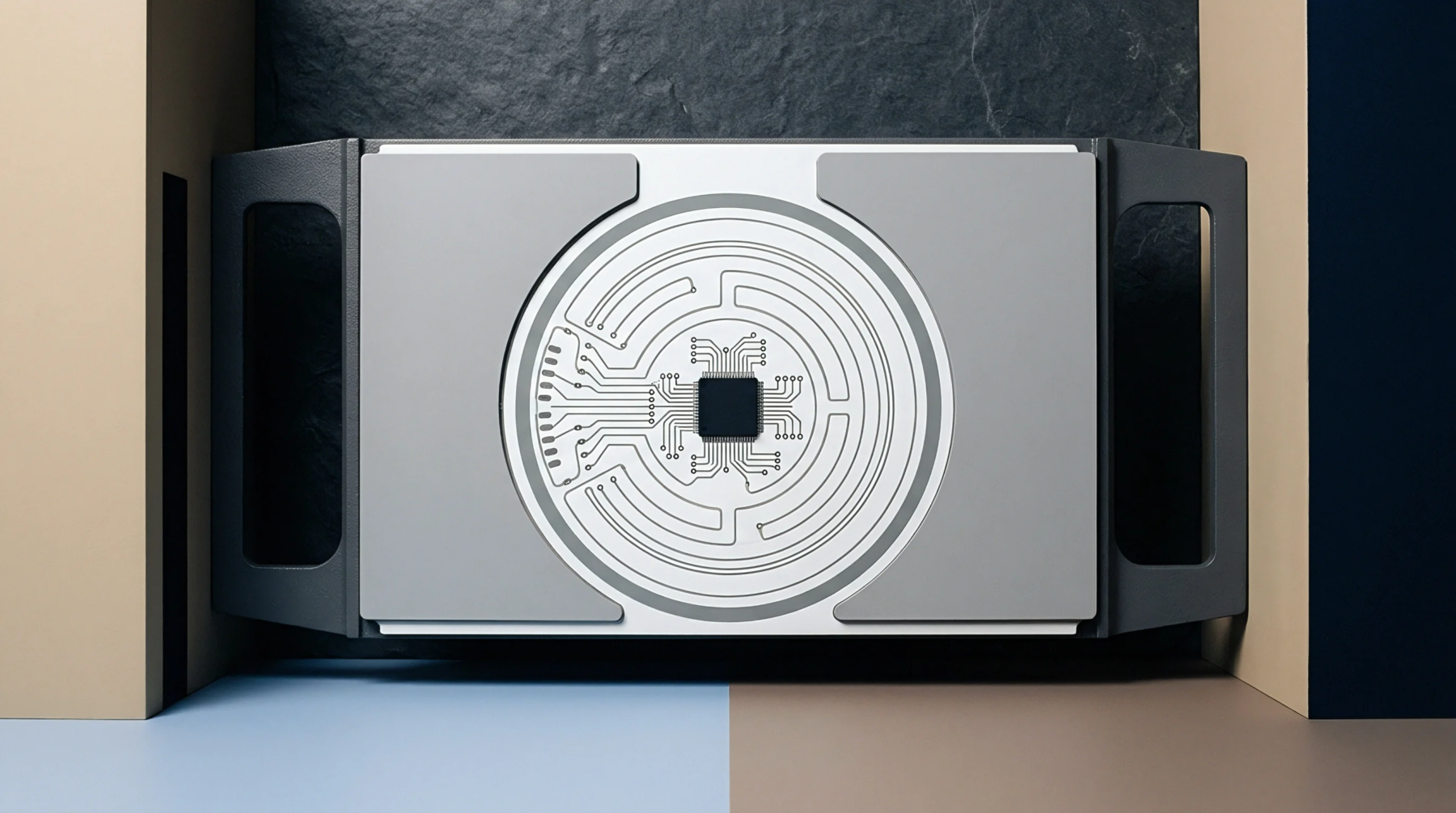
Acoustic reflection coefficient analysis identifies sub-micron mold compound delaminations by detecting 180-degree phase inversions in ultrasonic signals.
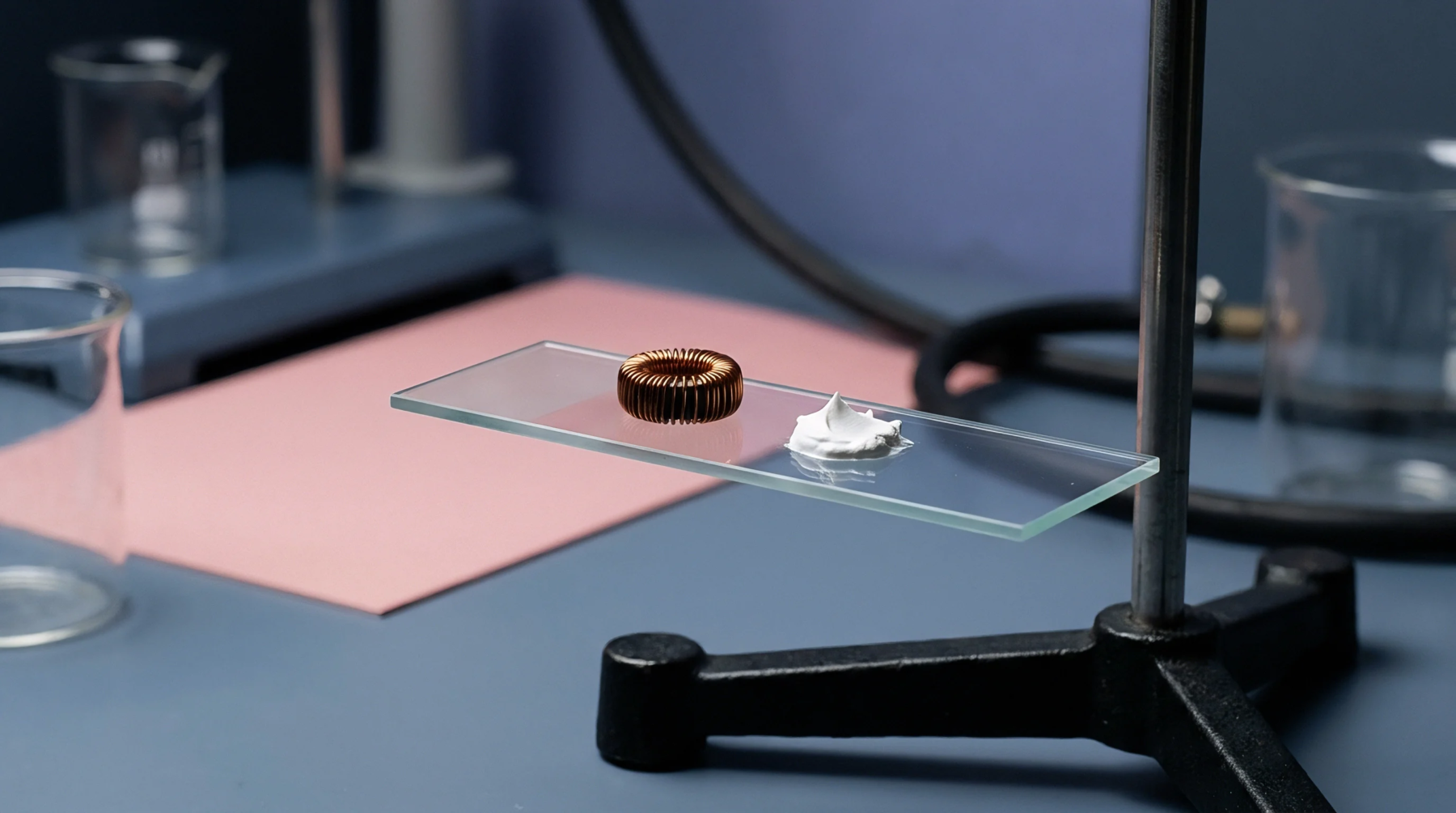
Dielectric anisotropy in sub-THz glass substrates demands multi-mode resonant and transmission line metrology to decouple in-plane from out-of-plane permittivity.
Expertise is a utility, not a secret. sentiention™ publishes its working knowledge as open reference: intelligence layer covering the materials it sources, the markets it enters, and the reference that serves both.