
Acoustic Phase Inversion Analysis for Microvia Interfacial Delamination Detection
Acoustic phase inversion analysis detects microvia interfacial delamination by identifying 180-degree echo polarity flips at lower impedance void boundaries.
Acoustic phase inversion analysis detects microvia interfacial delamination by identifying 180-degree echo polarity flips at lower impedance void boundaries.
High-frequency acoustic phase inversion reveals submicron microvia delamination escaping electrical tests, saving $5.60 per unit over field warranty exposure.
High temperature viscoelastic relaxation in low-loss dielectrics shifts z-axis strains to microvias, causing interfacial target-pad tears caught only by in-situ testing.
Weibull shape and location parameters derived from microsections quantify true target pad clearance safety margins, protecting buyers from latent dielectric field failures.
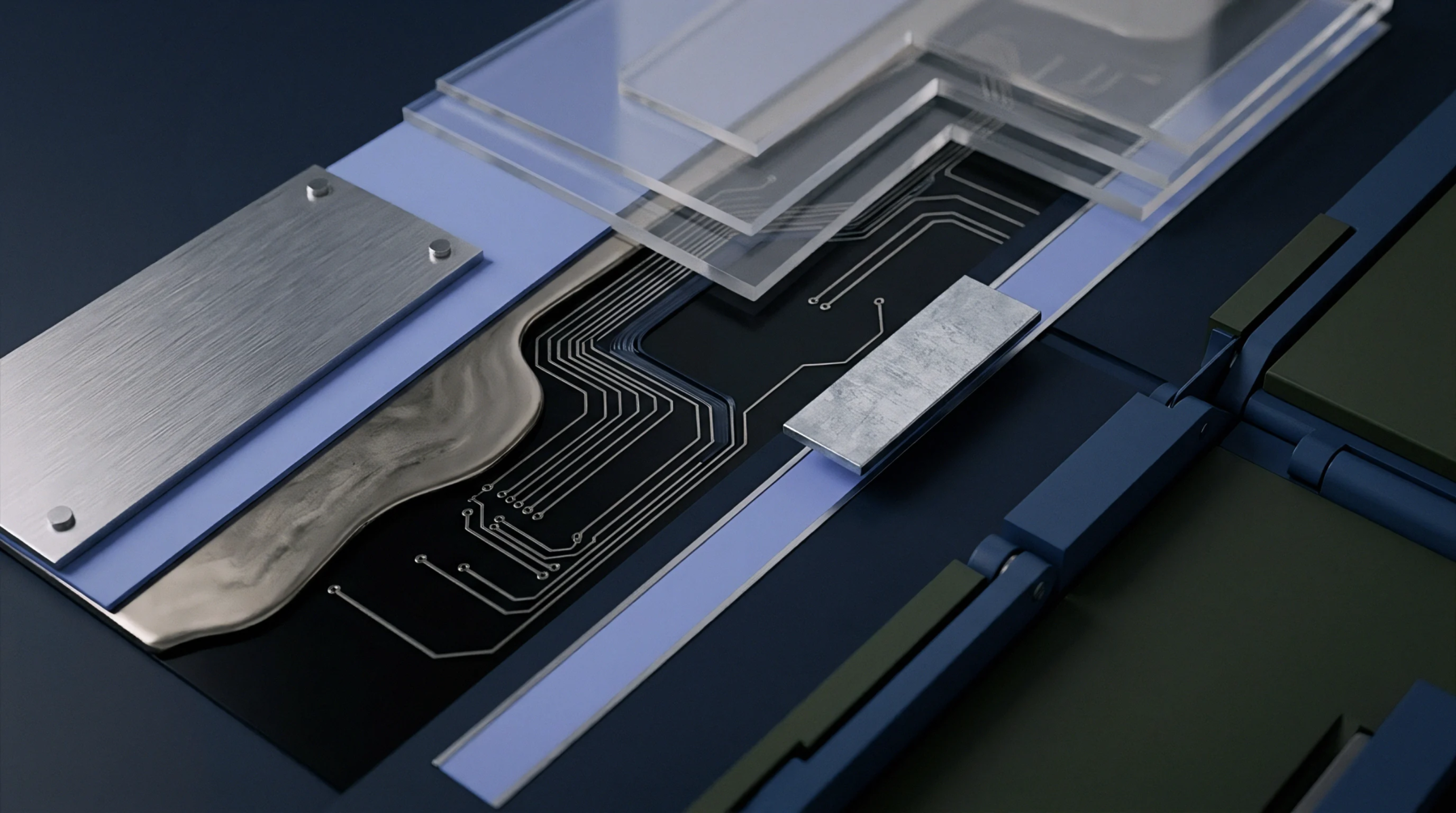
Microvia plating fatigue under thermal cycling stems from z-axis CTE mismatch, requiring ductile copper plating and continuous resistance monitoring to prevent field failures.

PEEC formulation extracts microvia partial self-inductance from barrel aspect ratio and capture pad geometry, confirmed by de-embedded coupon S-parameters.
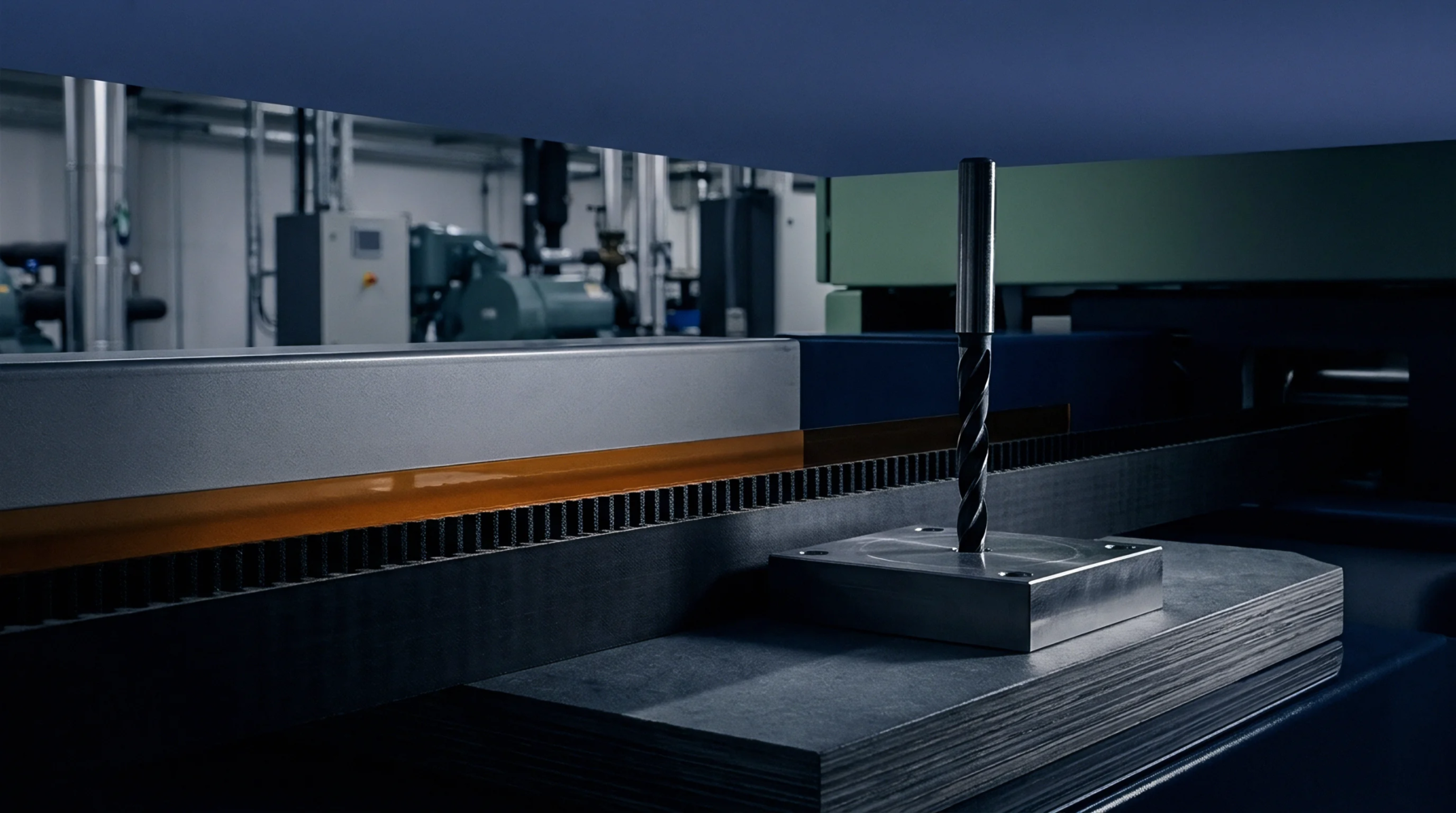
Electrodeposited microvia column fatigue life depends on controlling plating chemistry additives to eliminate interfacial nano-voids that coalesce during reflow.
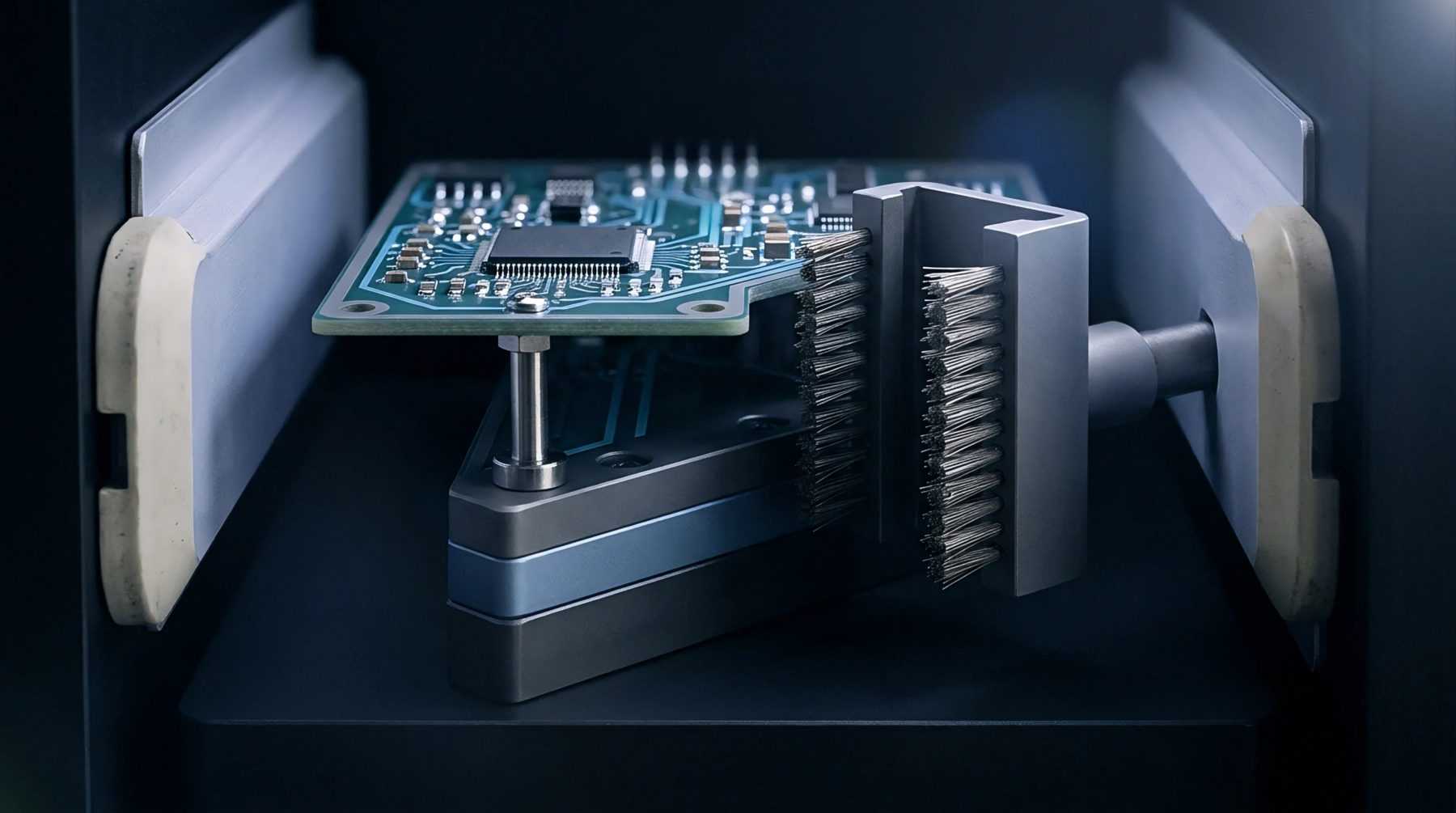
Z-axis laminate expansion exceeding copper ductility during lead-free reflow drives microvia failure, requiring high-Tg filled dielectrics and coupon screening.
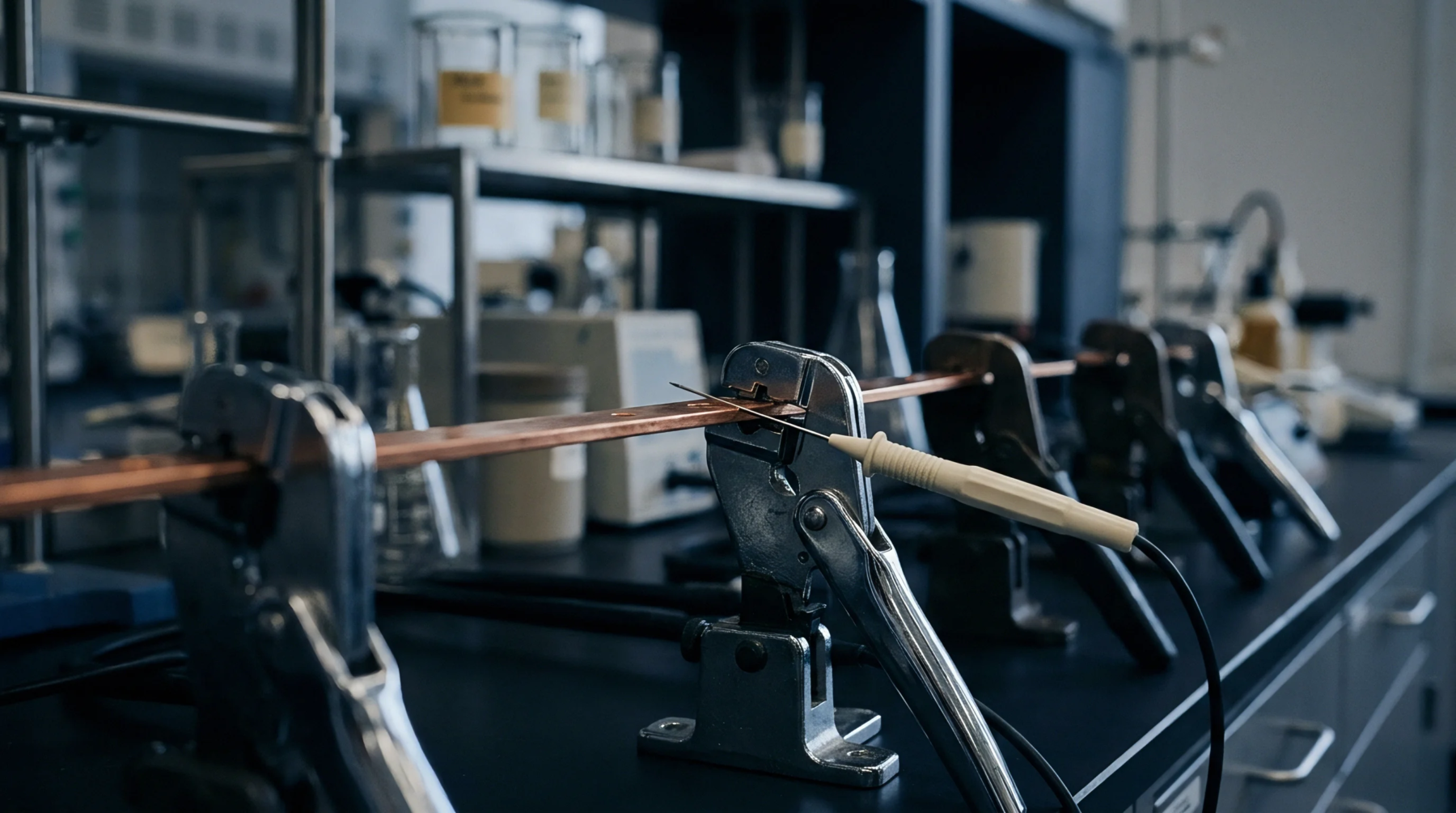
Grain boundary sliding at microvia target interfaces stems from additive contamination and z-axis strain during reflow, requiring thermal annealing controls.
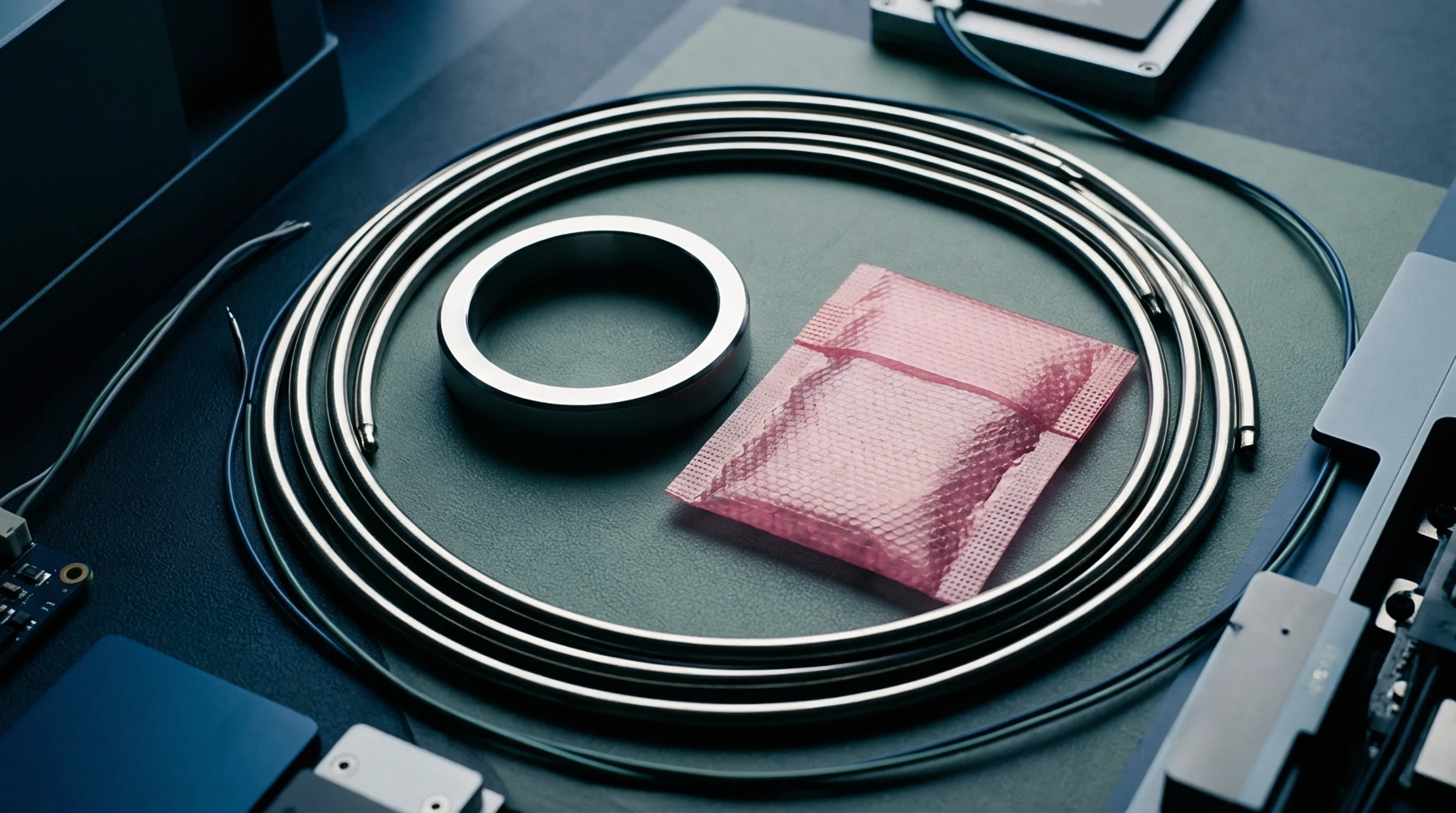
High aspect ratio blind vias require low Z-CTE filled laminates and pulse plating to prevent target pad separation during lead-free thermal cycling.
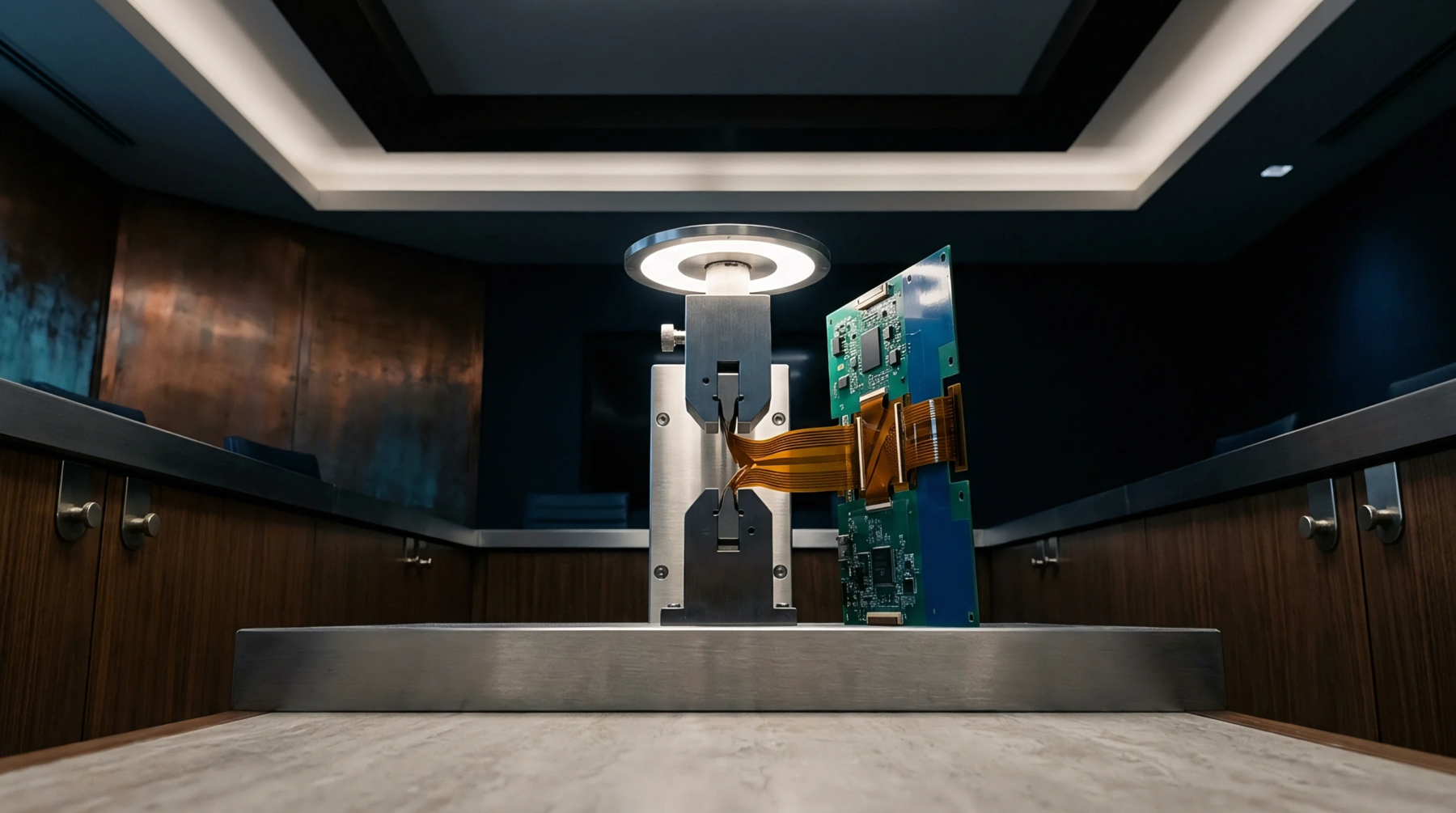
Calibrating ASIC thermal cycling requires matching ramp rates and dwell times to die-level thermal lag, isolating latent microvia defects without exceeding fatigue limits.
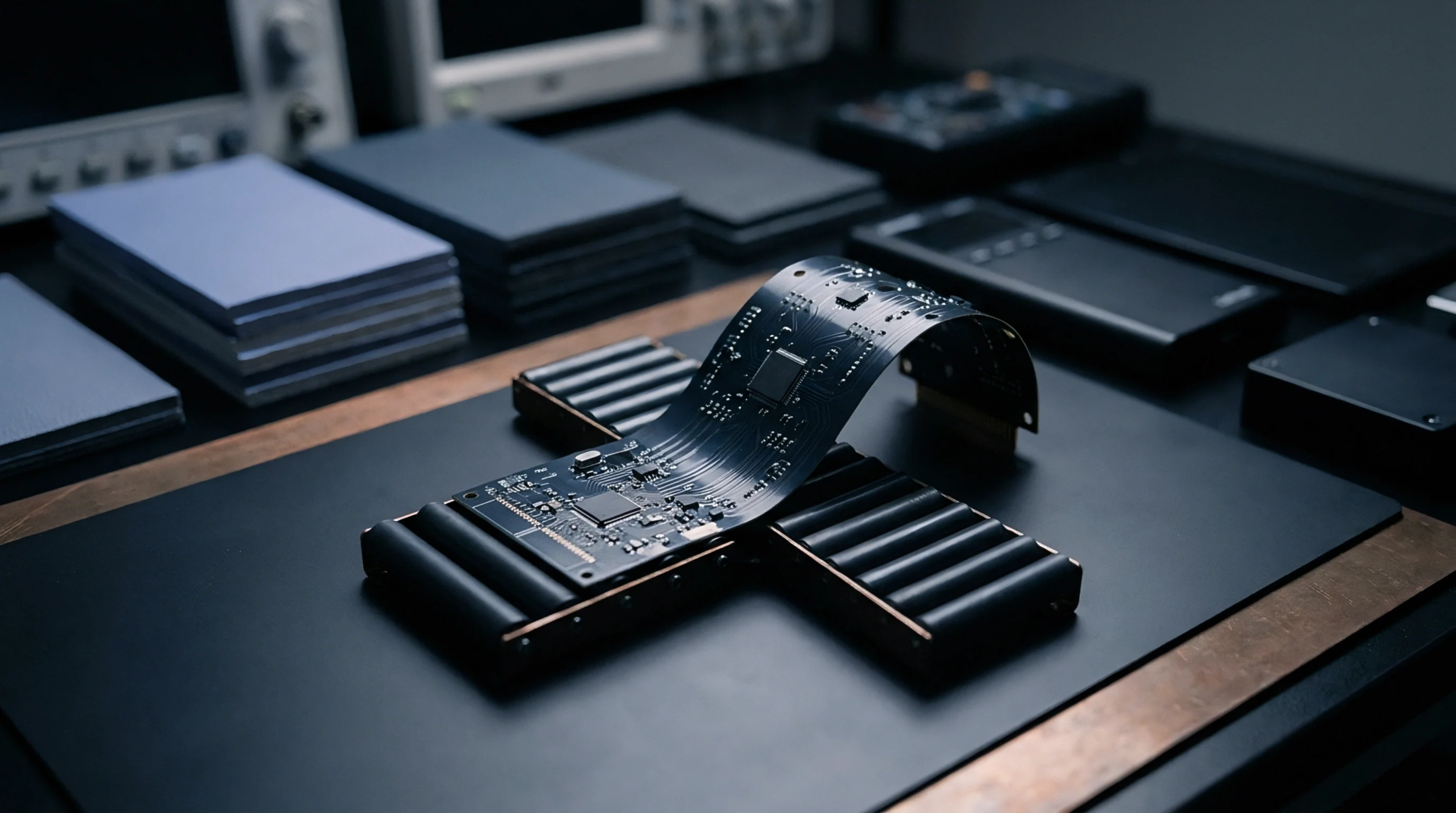
Dynamic four-wire Kelvin screening uses thermal current pulses and flexure to isolate latent microvia cracks that pass static continuity tests.
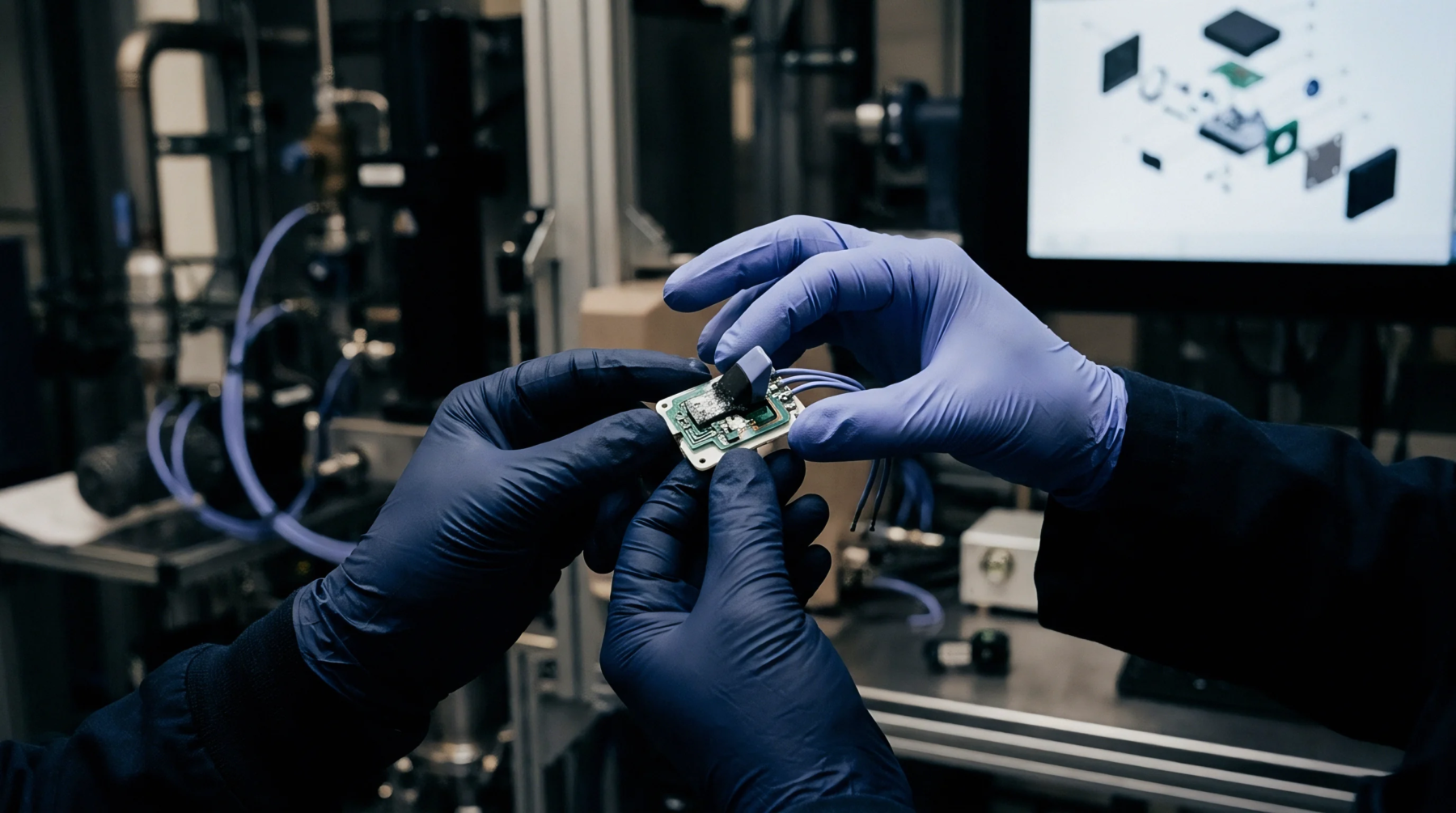
Dynamic four-wire testing isolates ambient and transient microvia resistance shifts during thermal stress to catch latent target pad defects before shipment.
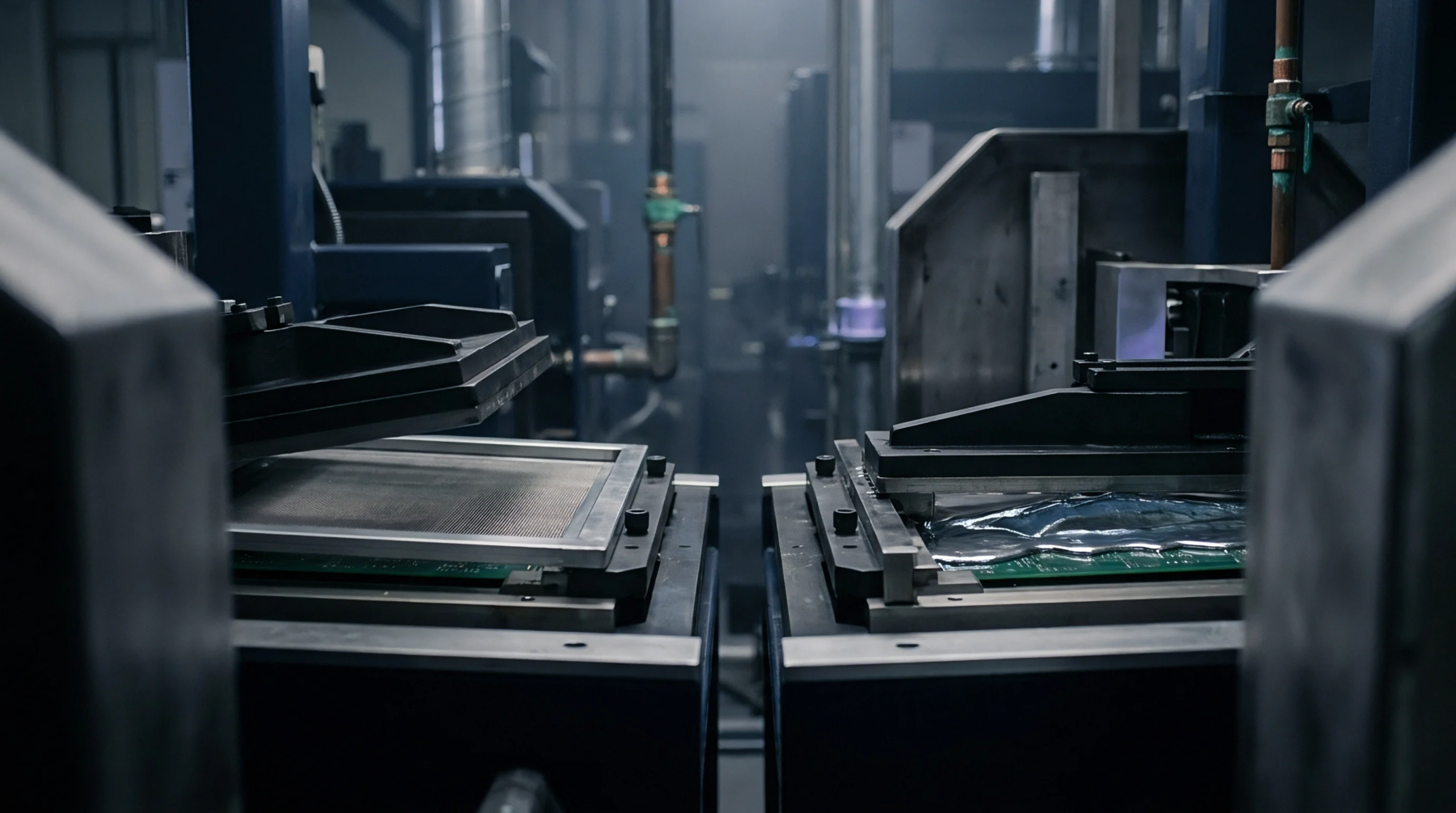
Screening latent microvia and fine pitch HDI assembly defects combines thermal shock cycling with continuous surface insulation resistance measurement.
Non-linear viscoelastic cure modeling predicts microvia target pad separation by coupling resin shrinkage to interfacial cohesive fracture energy.
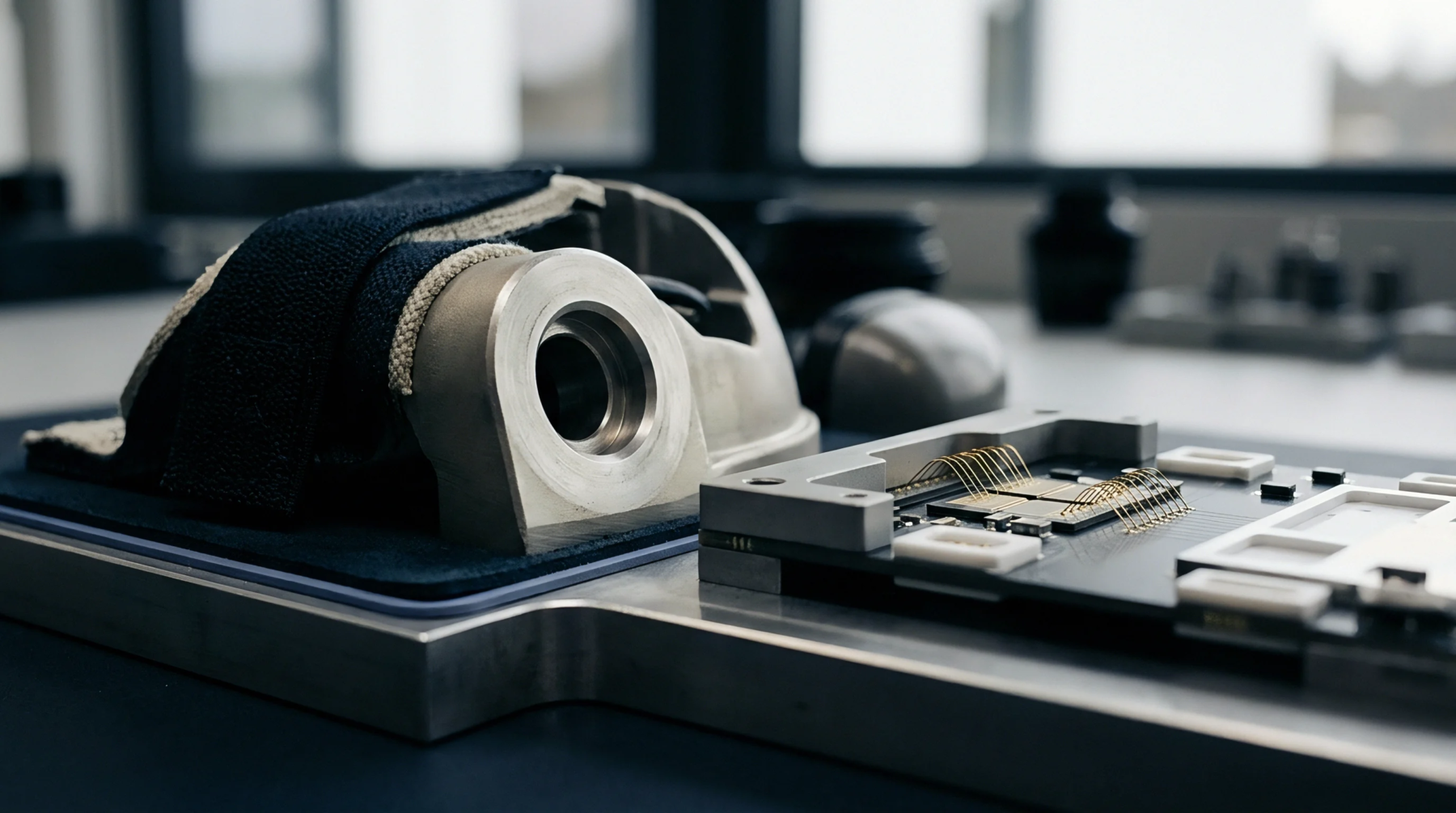
Microvia interface mechanics dictate that thermal cycling drives out-of-plane dielectric expansion, inducing shear failure at contaminated target pad boundaries.

Non-linear shear modeling predicts accumulated plastic strain at microvia target pads during sequential lamination, preventing assembly reflow failures.
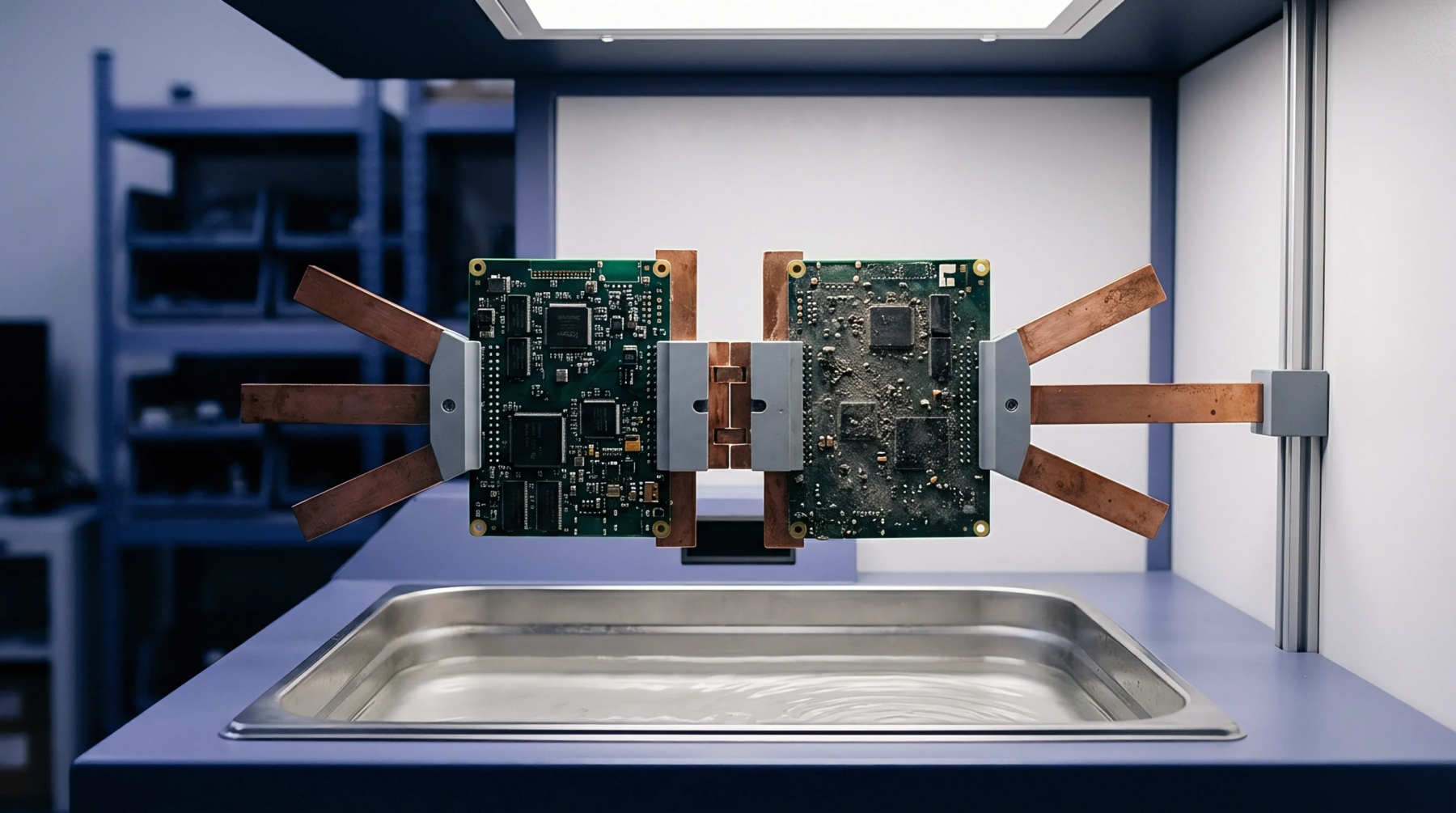
Dynamic thermal stress screening using micro-ohm glitch detection isolates latent intermittent microcracks in high-density multilayer substrates before release.
Substrate Z-axis thermal expansion above Tg drives low-cycle fatigue and target pad separation in HDI microvias during SAC305 lead-free reflow profiles.
Low z-CTE silica-filled laminates (IPC-4101/129) and staggered microvia topologies prevent target pad separation during 260°C lead-free reflow excursions.
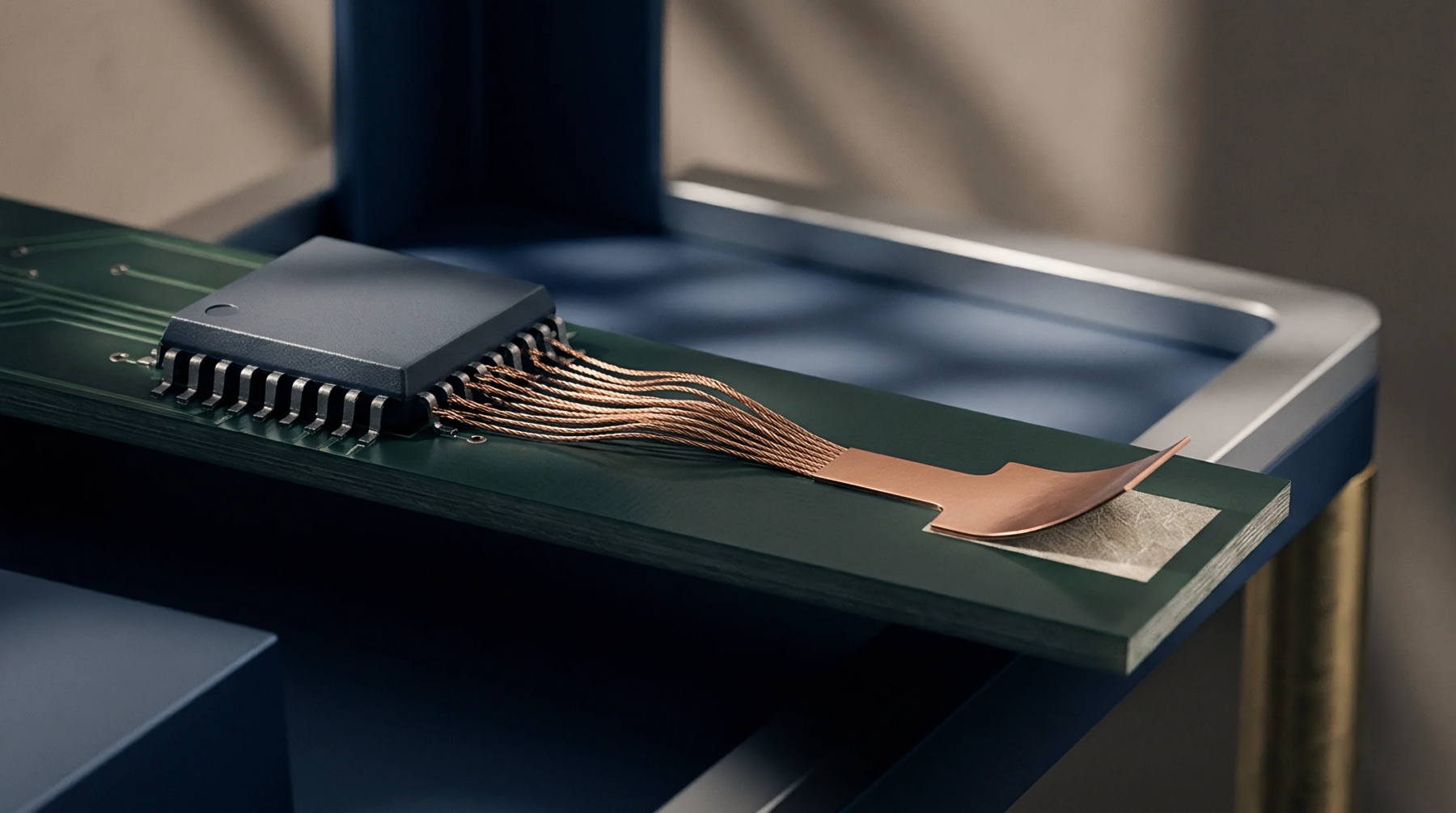
Verification of thermal rework degradation limits relies on coupon continuous resistance tracking and microsectioning to prevent latent inner-layer via cracking.
Microvia aspect ratios capped at 0.75:1 with optimized acid copper throwing power deliver maximum plating yield and thermomechanical reliability in HDI stackups.
Continuous high-speed Kelvin monitoring during rapid thermal cycling isolates latent target pad separations that re-nest and pass static ambient tests.
Microstructural recrystallization and impurity segregation drive grain boundary shear failure at microvia target pad interfaces during high-temperature reflow.
Dynamic four-wire resistance screening under thermal stress isolates latent microvia defects prior to assembly, preventing costly field failures.
Latent microvia interfacial fatigue opens during thermal transients to cause intermittent high-speed signal failures detectable only by dynamic four-wire thermal screening.
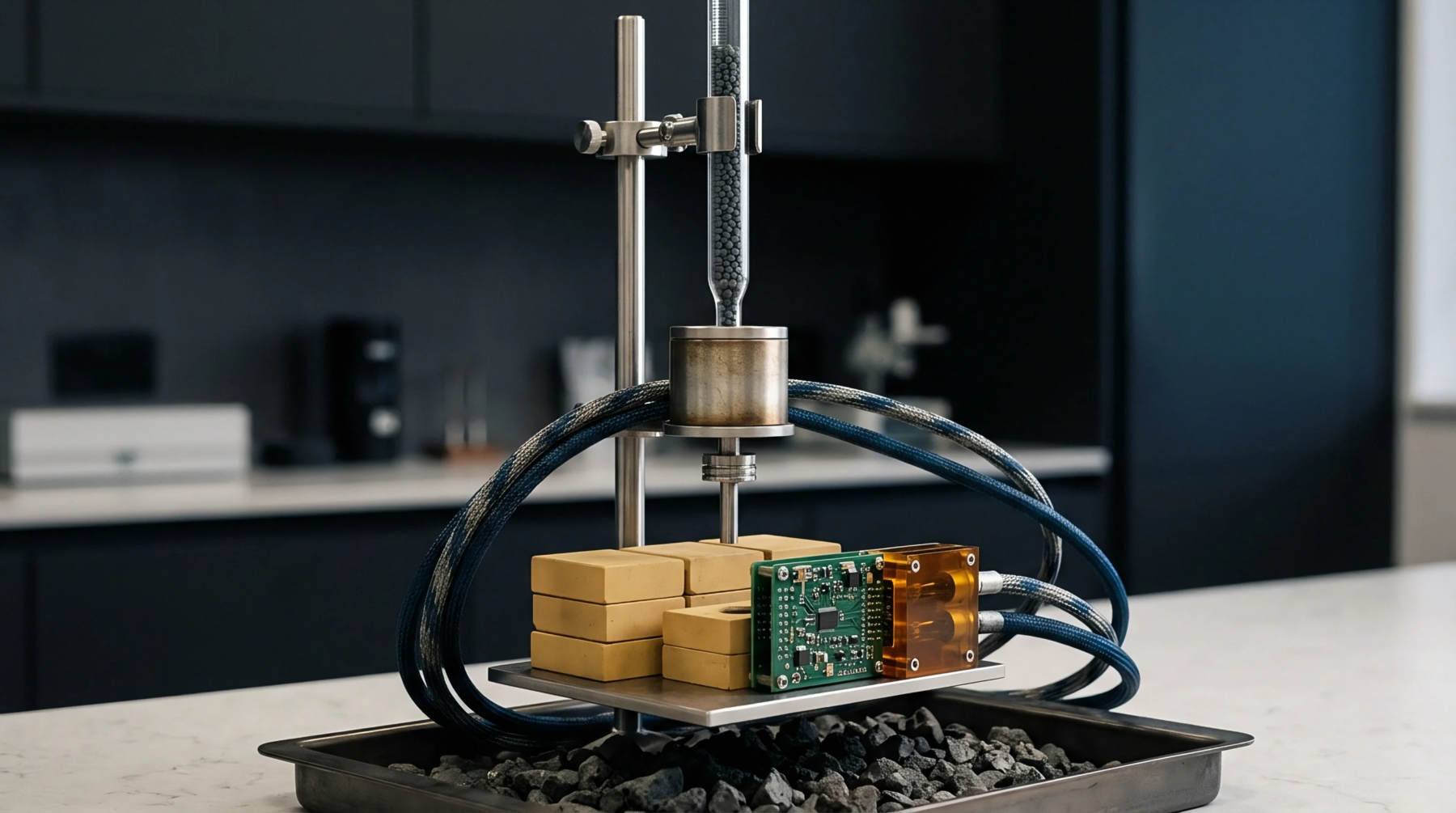
Unambiguous contract allocation caps assembly liability at process fees while tying thermal damage claims to independent coupon microsectioning evidence.
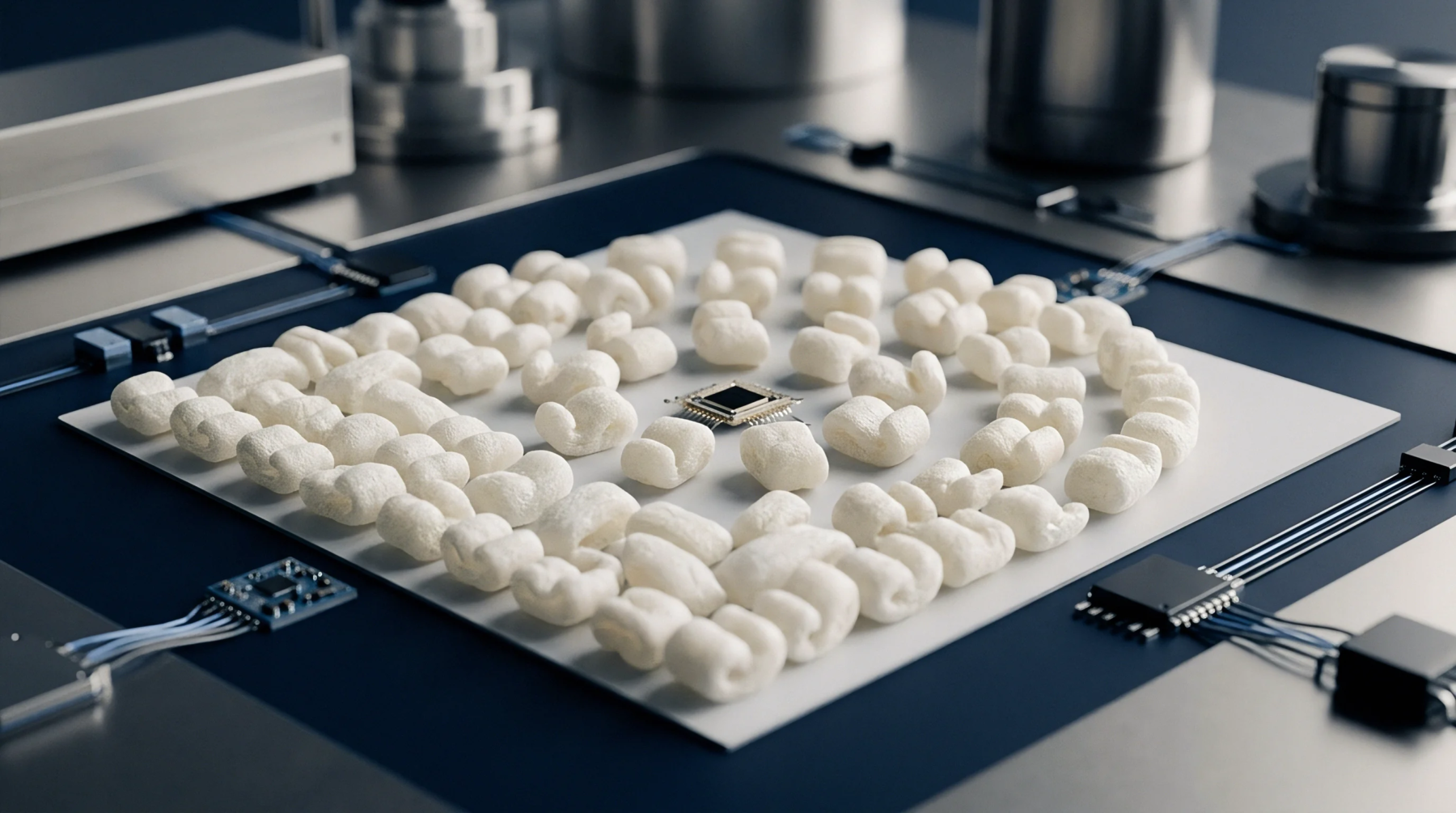
Quantifying stacked microvia thermal fatigue requires matching resin z-axis CTE limits to electrodeposited copper ductility under continuous resistance monitoring.
Expertise is a utility, not a secret. sentiention™ publishes its working knowledge as open reference: intelligence layer covering the materials it sources, the markets it enters, and the reference that serves both.