Differential Strain
The disparity in volumetric growth rates between two bonded materials subject to temperature change dictates the mechanical stress loading at their common interface. Thermal expansion mismatch arises when dissimilar substances share a boundary while experiencing environmental cycling. Metals exhibit higher coefficients compared to ceramic substrates or glass components during heating phases.
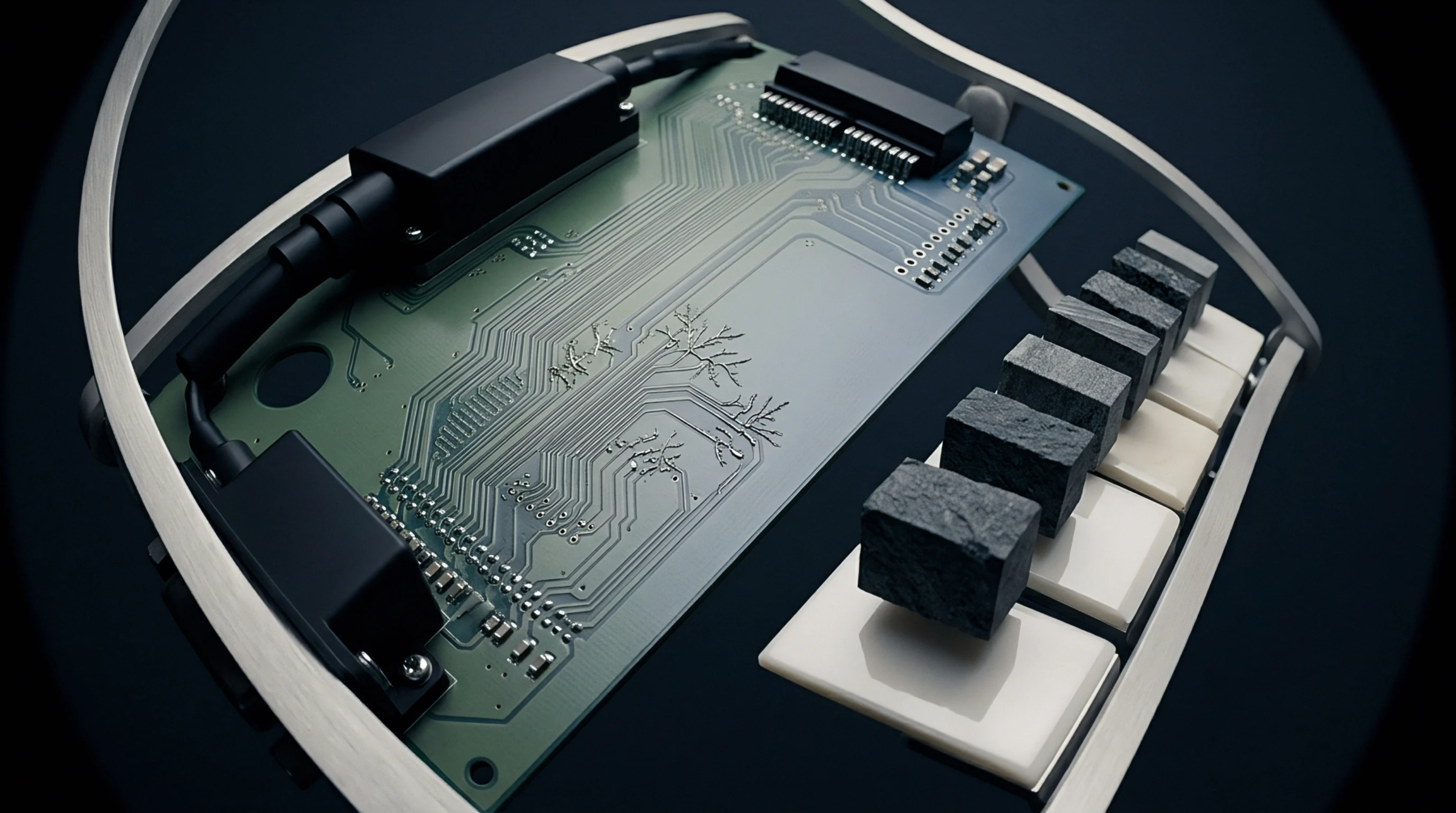
This difference forces shear forces onto solder joints and adhesive bonds during transitions. Fatigue cracking appears in the corner joints of large surface mount packages where the distance from the neutral point maximizes the strain displacement.
Structural Interface
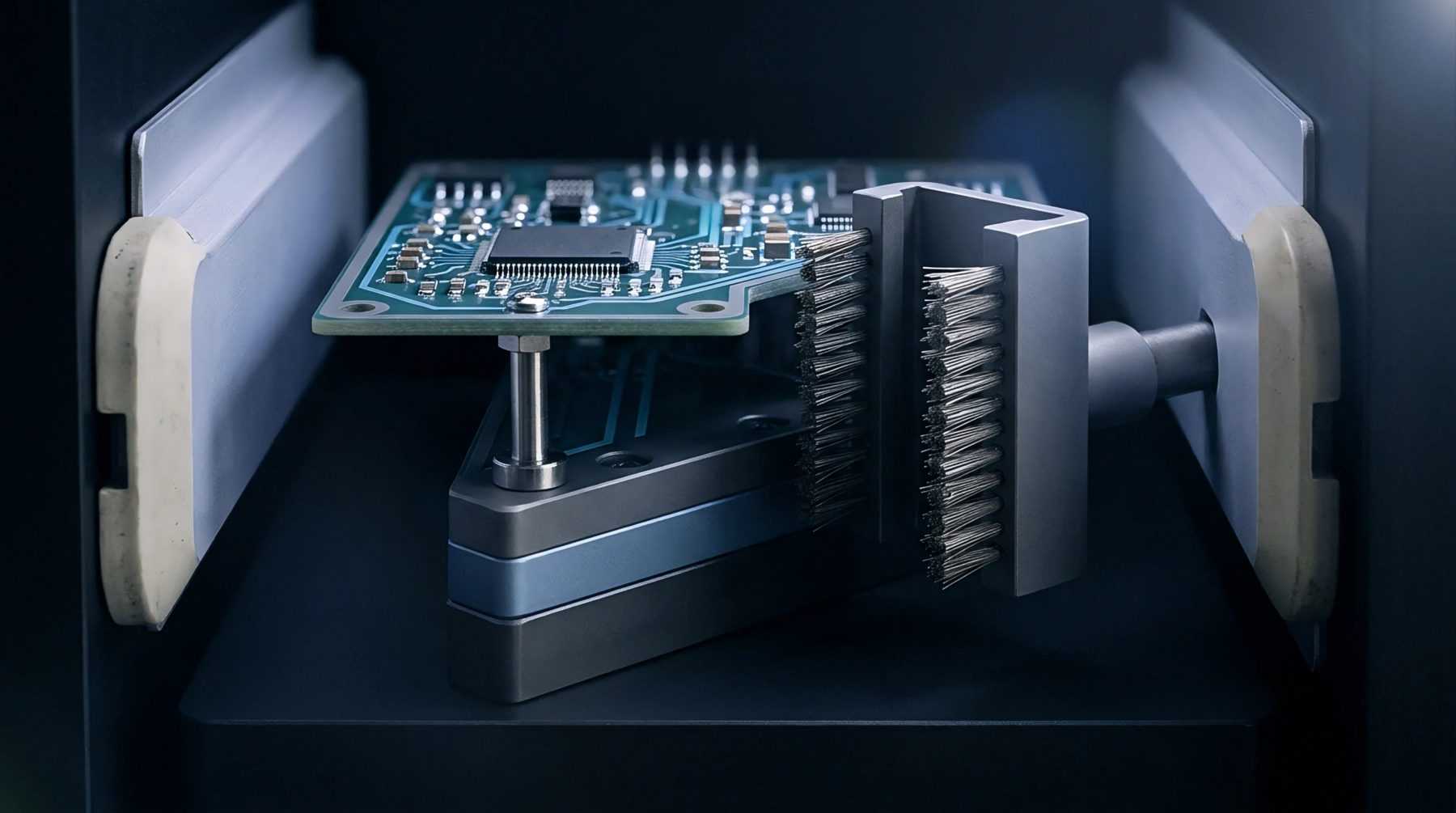
Designers mitigate the risk through the selection of materials with aligned coefficients or the introduction of compliant features. Compliant pins allow mechanical movement to absorb the displacement without transferring stress into the brittle component body. Underfill materials modify the distribution of load across the entire surface of an integrated circuit.
These compounds provide a bridge that shares the physical work during heat cycles. Careful matching of lead frame alloys to printed circuit board laminates reduces the curvature of the final assembly.
Assembly Verification
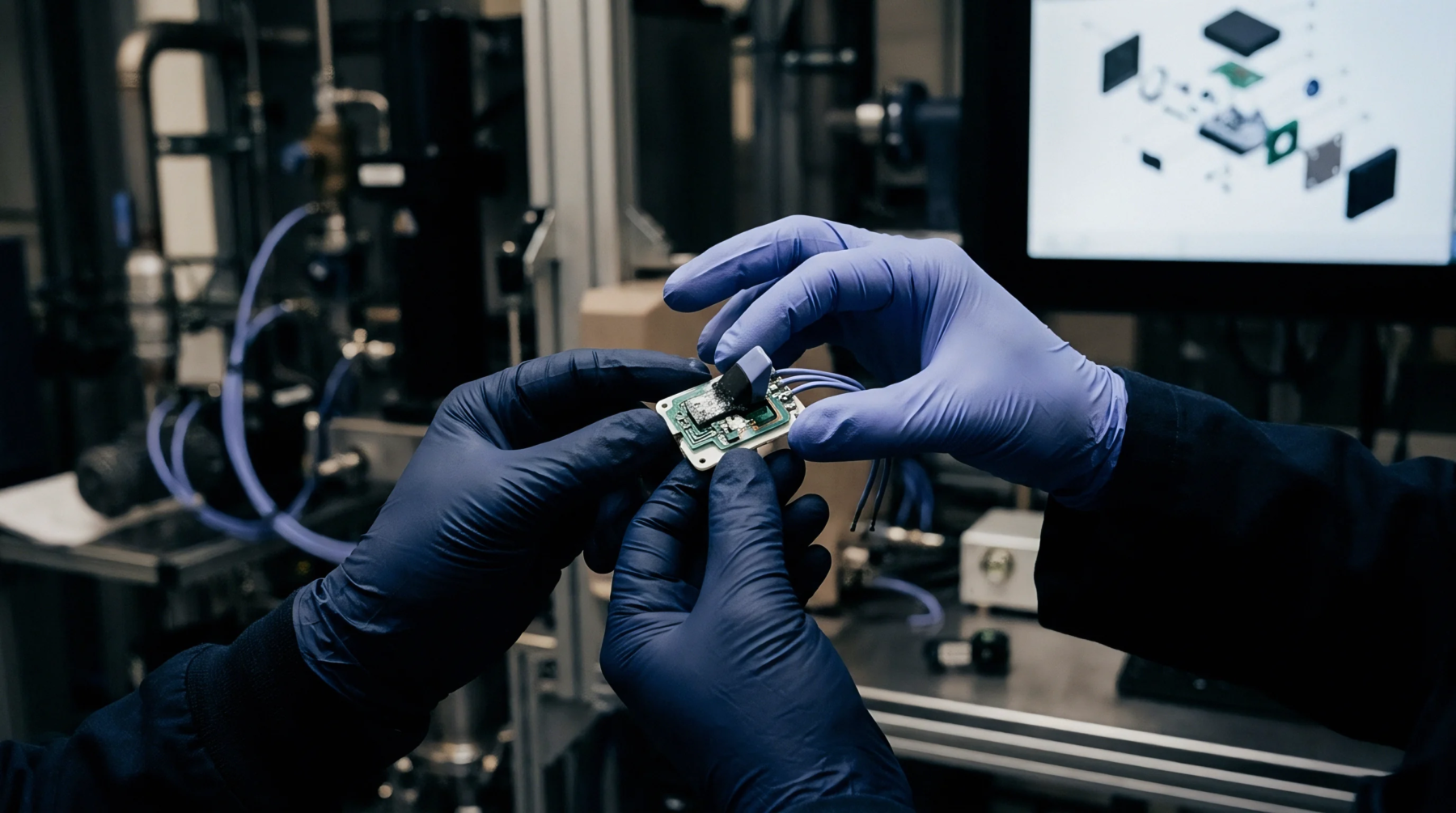
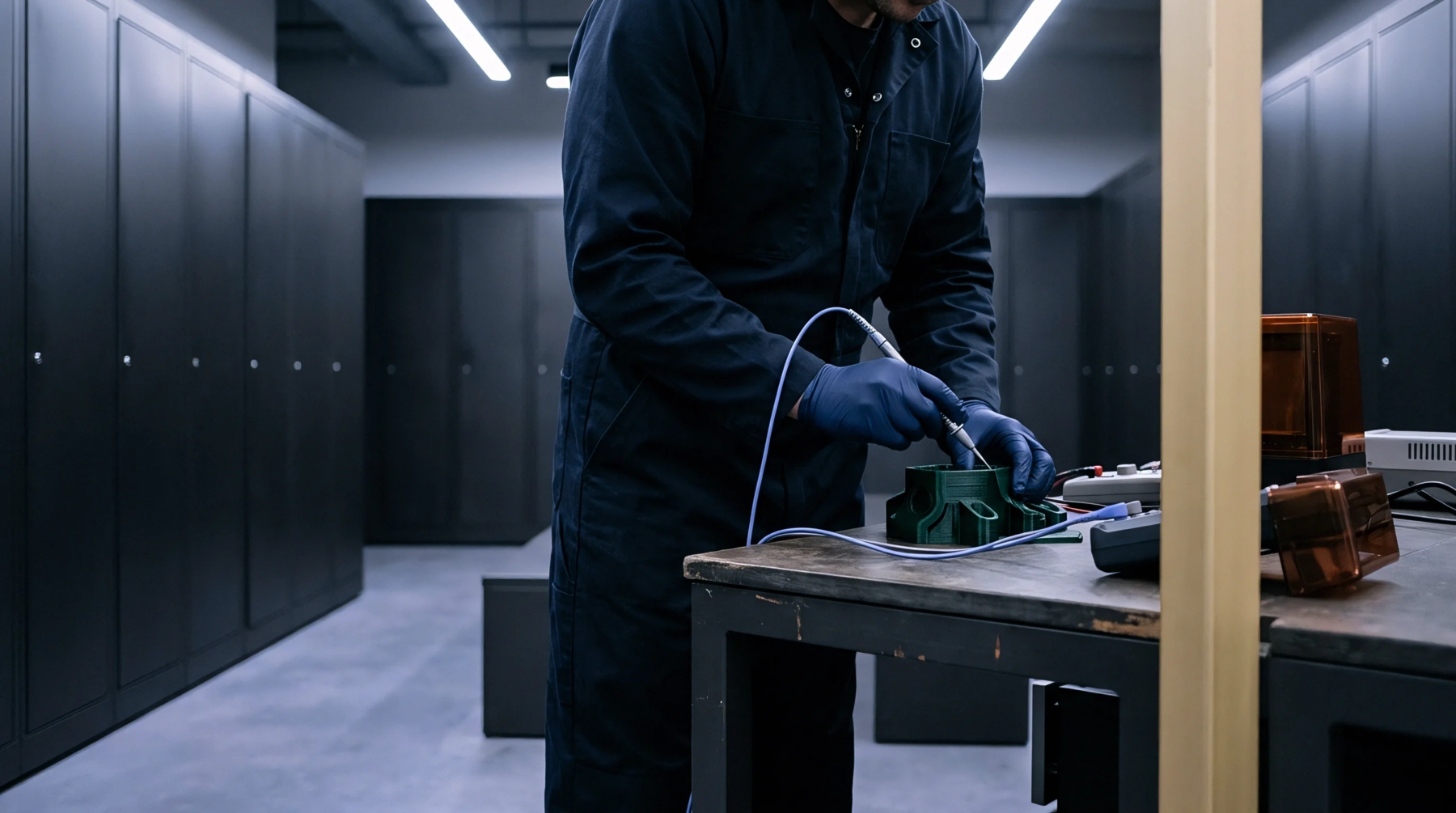
Automated inspection routines detect the symptoms of this phenomenon such as solder fillet lifting or fractured intermetallic layers. Shear testing confirms the strength of the bond after temperature cycling exposure. Thermal shock chambers cycle populated circuit boards between extremes to trigger premature failures in susceptible joints.
Cross sectional analysis reveals the grain structure degradation that occurs inside the solder when cyclic loading exceeds the elastic limit of the alloy. The rate of mechanical failure correlates directly with the magnitude of the disparity in the expansion coefficients of the joined components.